
Rossomyrmex anatolicus
- Sci. Name
- Rossomyrmex anatolicus
- Tribe
- Formicini
- Subfamily
- Formicinae
- Author
- Tinaut, 2007
- Distribution
- Found in 1 countries
Introduction
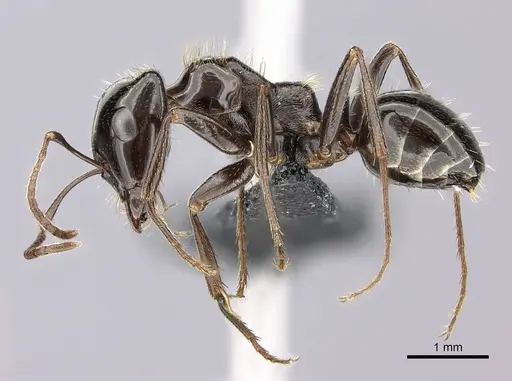
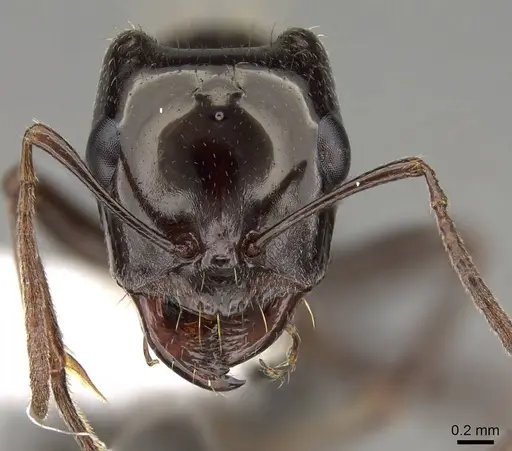
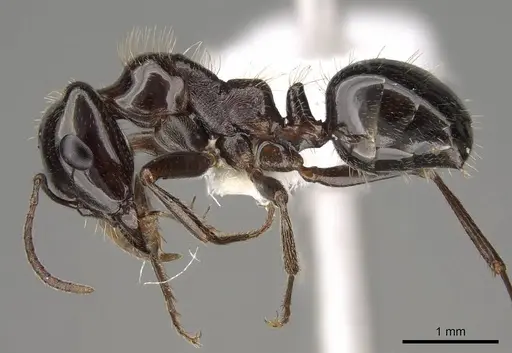
Rossomyrmex anatolicus is a slave-making ant known only from the arid steppe of central Turkey, first described in 2007 from workers collected in Konya Province at 1340 m elevation . Workers are black or dark brown with a polished body and two types of whitish hairs: tiny adpressed hairs and longer erect hairs that give them a fuzzy look, especially on the thorax, petiole, and gaster . They can be told apart from related Rossomyrmex species by their gradually narrowing petiole (the waist segment) - other species have a more cylindrical or truncated petiole . Like all members of its genus, R. anatolicus is a social parasite: it raids colonies of Proformica host ants, steals their worker pupae, and the emerging host workers become slaves that do all the nest work . Almost nothing is known about its life cycle, mating flights, or captive care - it remains one of the least studied ants in the world.
Quick Summary
- Difficulty: Expert
- Origin & Habitat: Anatolian steppe of central Turkey (Konya Province) at around 1340 m altitude. The area is semi‑arid with hot summers and cold winters, typical of continental steppe [1].
- Colony Type: Monogyne (single queen), based on related Rossomyrmex species that are known to have one queen per nest [3]. The colony depends entirely on enslaved Proformica workers to survive.
- Size & Growth:
- Queen: Unknown, no dealate queens have been described in scientific literature.
- Worker: Body length is not recorded, only diagnostic head and thorax measurements are known. Inferred from the Rossomyrmex genus, workers probably reach around 4-5 mm total length.
- Colony: Unconfirmed for this species. Related Rossomyrmex colonies average about 78 parasite workers per nest, along with roughly 488 enslaved host workers (a ratio of about 1:6) [3].
- Growth: Unknown, likely slow because the parasite queen cannot produce her own workers and must raid host colonies to grow.
- Development: Unknown, no development data exists for this or any Rossomyrmex species. (Related temperate Formicini ants typically take 6-12 weeks from egg to worker at optimal temperature, but that is just a guess.)
- Antkeeping:
- Temperature: No specific data. Based on the arid steppe habitat, aim for 18-28°C during the active season with a preference for warm, dry conditions. A cooler winter period around 10-15°C is likely needed for diapause.
- Humidity: This species comes from a dry environment, so keep the nest mostly dry. A small moist area can be offered, but avoid damp conditions that could cause mold.
- Diapause: Likely required, central Turkey has cold winters. Other Rossomyrmex species and most Formicini need a winter diapause of 3-4 months at low temperatures, but exact requirements are unconfirmed.
- Nesting: Natural nests have not been studied for R. anatolicus, but related Rossomyrmex excavate shallow nests about 30 cm deep, with a single entrance, a few lateral chambers, and a final chamber where the queen is found [3]. A soil or Y‑tong formicarium with multiple chambers would match this architecture.
- Behavior: Rossomyrmex anatolicus is a slave‑making ant, which makes it one of the hardest species to keep. The parasite workers focus on raiding and reproduction, while enslaved Proformica workers do all the foraging, nest maintenance, and brood care. In captivity, you must maintain both the parasite colony and a separate host colony, and you need to simulate the raiding process. Temperament is aggressive during raids but otherwise docile. Because workers are medium‑sized (4-5 mm), escape risk is moderate, standard barriers work, but the real challenge is keeping the colony alive.
- Common Issues: no documented captive care, everything about keeping this species is guesswork, expect colony failure., slave‑making biology means you must maintain two colonies (parasite and host) and successfully introduce the parasite queen to the host colony., host ants (Proformica species) are hard to find and likely require a separate setup., colony growth depends on raiding, you need to provide host brood repeatedly or the parasite colony will die., do not attempt this species unless you are an expert with experience in parasitic ants and are prepared for years of trial and error.
Species Overview and Identification
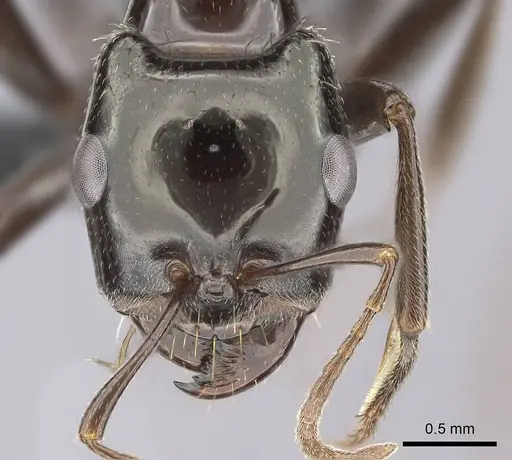
Rossomyrmex anatolicus was described from 19 workers collected in 2006 at Belembasy Bebi's harbour, Konya, Turkey [1]. The species name comes from the Anatolia region. Workers are black to dark brown with a shiny body and two types of whitish hairs, very tiny adpressed hairs and long erect hairs that are especially abundant on the thorax, petiole, and gaster [1]. The key feature to tell it apart from other Rossomyrmex species is the petiole: in R. anatolicus, the petiole scale is high and gradually narrows toward the top, while in R. proformicarum it is cylindrical and truncated, and in R. minuchae it is more cylindrical and less hairy [1]. The head is long with slightly bowed sides, the mandibles are reddish with eight teeth, and the antennae have a drumstick‑shaped scape [1]. The genus Rossomyrmex contains only four known species, all of which are slave‑makers that target Proformica hosts [4].
Slave‑Making Biology
Rossomyrmex anatolicus is a dulotic (slave‑making) ant. It does not produce its own workers directly, instead, the queen invades a Proformica colony, kills or replaces the host queen, and uses the Proformica workers to raise her first brood. Later, raiding parties of Rossomyrmex workers attack other Proformica nests, steal their pupae, and those pupae emerge as slave workers that do all the colony tasks (foraging, nest building, brood care) [2]. Studies of related Rossomyrmex species show that a typical nest contains about 78 parasite workers and 488 host workers, a ratio of about 1:6 [3]. The parasite queen is usually found alone in the deepest chamber of the nest [3]. This permanent social parasitism makes R. anatolicus extraordinarily difficult to keep in captivity.
Natural History and Distribution
This ant is known only from the type locality in Konya Province, Turkey, at 1340 m elevation in the Anatolian steppe [1]. The habitat is semi‑arid grassland with hot summers and cold winters. The type workers were collected in early June, suggesting that nuptial flights may happen in late spring or early summer, but no direct observations exist. Nothing is known about colony founding behavior, queen size, or overwintering. Based on related Rossomyrmex species, colonies are monogynous (one queen per nest) and the queen mates with only one male [3]. The nest is shallow, about 30 cm deep, with a single entrance, a few small lateral chambers, and a final chamber where the queen resides [3].
Captive Care Challenges
Keeping Rossomyrmex anatolicus is one of the hardest challenges in the antkeeping hobby. Here is what you need to know: First, you must obtain a queen that has already invaded a host colony, but queens are almost never found in the wild, and no one has successfully introduced a queen to a host colony in captivity. Second, you need a steady supply of Proformica host ants, which are themselves difficult to keep. Third, the parasite colony cannot grow without raiding: you will need to provide them with host pupae regularly, or simulate raids, which is complex. There are no documented cases of anyone keeping this species alive for more than a few months. Expect failure, and only attempt it if you have years of experience with other parasitic ants and are willing to invest significant time and resources.
Temperature and Housing
Based on the arid steppe habitat, aim for 20-26°C during the active season. A naturalistic setup is best: a soil or Y‑tong nest with multiple chambers to house both parasite and host workers. The nest should be mostly dry, with only a small damp area if needed. During winter, cool the colony down to 10-15°C for 3-4 months to mimic the cold Anatolian winter, this likely triggers diapause. Since workers are medium‑sized, standard escape barriers (fluon or oil) work, but make sure the nest has a secure lid because any escape could lead to the colony being lost.
Feeding and Nutrition
Enslaved Proformica workers do all the foraging, so you need to feed the host colony a varied diet. Provide protein (small insects like fruit flies, pinhead crickets, or mealworm pieces) and carbohydrates (sugar water or honey) every few days. The Rossomyrmex workers will receive food from their slaves via trophallaxis and rarely come out to feed on their own. If you have an established colony, you may observe raiding behavior when you introduce host pupae, this is the only time the Rossomyrmex workers become active outside the nest.
Frequently Asked Questions
Can I keep Rossomyrmex anatolicus as a beginner ant keeper?
Absolutely not. This is a slave‑making ant with no documented captive care. You need to maintain two separate ant species (parasite and host), conduct simulated raids, and basically reinvent the wheel. Even experienced antkeepers should think twice before attempting it.
What do Rossomyrmex anatolicus ants eat?
They eat whatever their enslaved Proformica workers bring them. Feed the host colony a mix of small insects and sugar water, the parasite workers will then get food through mouth‑to‑mouth sharing (trophallaxis).
How big do Rossomyrmex anatolicus colonies get?
Unknown for this species. Related Rossomyrmex colonies contain about 78 parasite workers and 488 host workers on average [3]. So your colony would likely peak at around 80 parasite workers, plus a few hundred enslaved host workers.
What temperature do Rossomyrmex anatolicus ants need?
No specific data exists. Based on their Turkish steppe home, aim for 20-26°C during the active season and a cooler winter rest at 10-15°C. This is an educated guess, no one has tested it in captivity.
How long does it take for Rossomyrmex anatolicus to develop from egg to worker?
Completely unknown. No development data exists for any Rossomyrmex species. Any guess is pure speculation, so plan for the worst.
Can I keep multiple Rossomyrmex anatolicus queens together?
Probably not. Related Rossomyrmex are monogynous, only one queen per colony [3]. Also, combining queens would not mimic natural founding, which involves social parasitism rather than pleometrosis.
Do Rossomyrmex anatolicus need hibernation?
Very likely yes. Their home in central Turkey has cold winters, and most Formicini ants require a diapause. Cool the colony to 10-15°C for 3-4 months, but this is an estimate, no data exists.
Why are my Rossomyrmex anatolicus dying?
Expect this. Without any established care guidelines, colony failure is almost certain. Common issues include: the queen being rejected by the host colony, lack of host workers to tend the brood, incorrect temperature/humidity, and inability to perform raids to replace aging slaves. There are no reports of a successful long‑term captive colony.
Report an Issue
The current care sheet is based fully on literature. See inconsistencies, or something that's incorrect? Please , it will be resolved after review from an admin. Contributing to the blogs tab also helps providing information, to make us be able to further improve the caresheets. Thank you for your support!
References

This caresheet is licensed under CC BY-SA 4.0 .
Community Blogs
CASENT0235254
View on AntWeb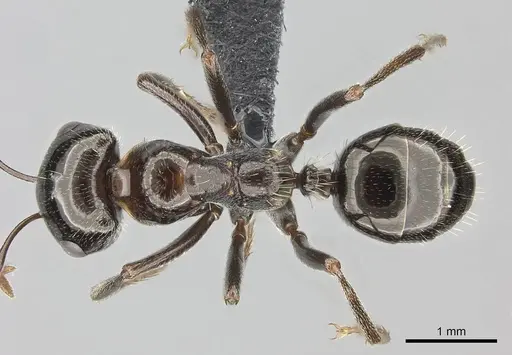
CASENT0914580
View on AntWeb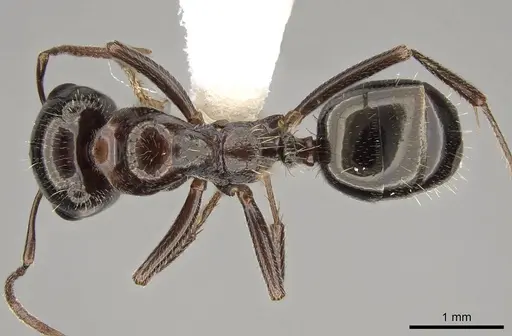
Literature
Loading distribution map...Loading products...