
Rogeria scobinata
- Sci. Name
- Rogeria scobinata
- Tribe
- Solenopsidini
- Subfamily
- Myrmicinae
- Author
- Kugler, 1994
- Distribution
- Found in 9 countries
Introduction
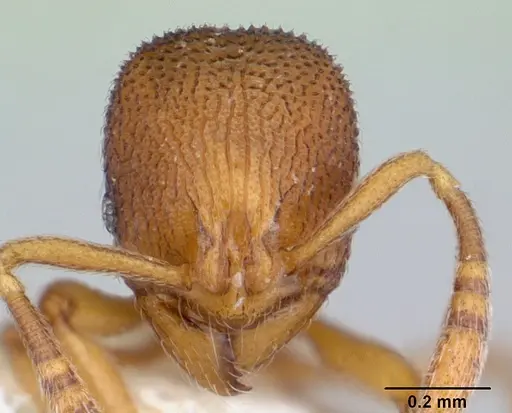
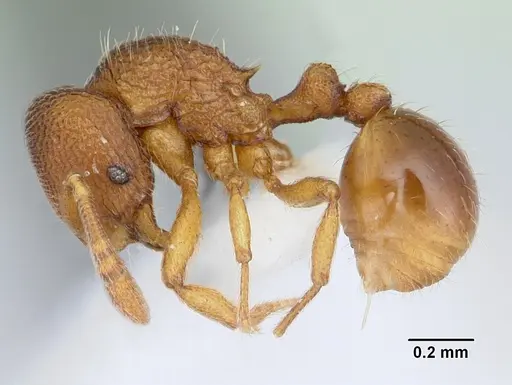
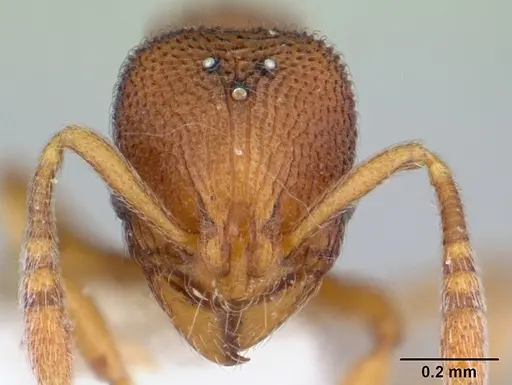
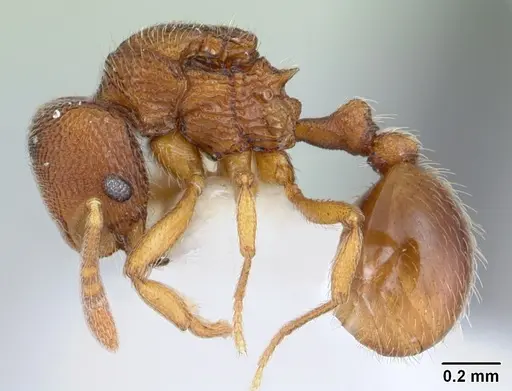
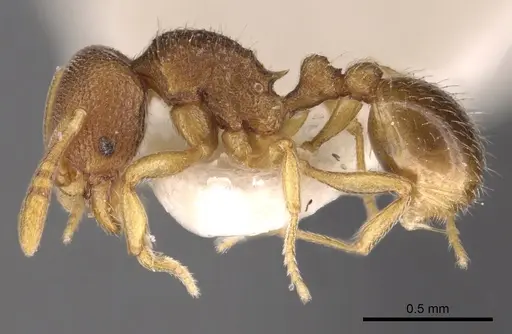
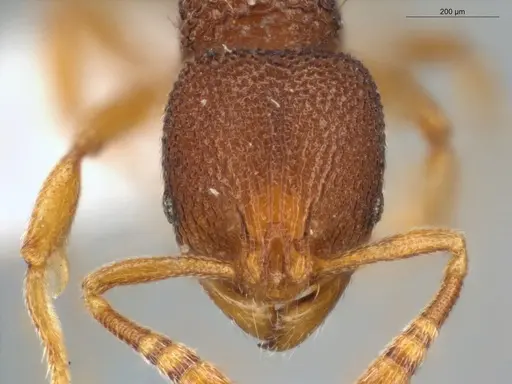
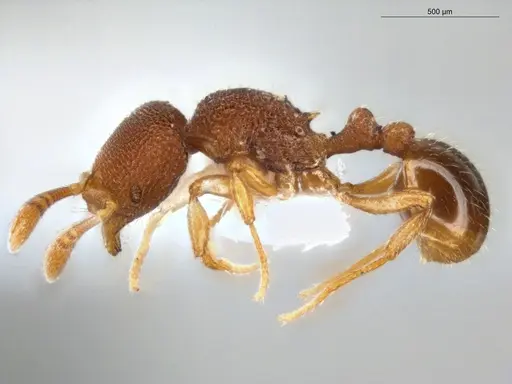
Rogeria scobinata is a tiny ant species from tropical South America, found from the north coast down to Paraguay at elevations below 1000 meters . Workers measure 1.9–2.5 mm in total length, queens 2.4–2.6 mm . The name 'scobinata' means 'rasp-like, ' referring to the rows of tooth-like tubercles on the back of its head . This ant lives in leaf litter and rotting wood in rainforests, and is often collected using Winkler and Berlese samples .
Quick Summary
- Difficulty: Medium
- Origin & Habitat: Tropical South America: Argentina, Bolivia, Brazil, Colombia, Ecuador, French Guiana, Guyana, Paraguay, Peru, and Trinidad and Tobago, below 1000 m elevation [1][2][5]. Inhabits tropical forest leaf litter and rotten wood, mostly collected during the dry season [4][1].
- Colony Type: Colony structure is unconfirmed. Males have never been collected, which may mean the species produces ergatoid (wingless) reproductives or that males are very rare [3]. Likely single-queen colonies, but this is not confirmed.
- Size & Growth:
- Antkeeping:
- Temperature: Keep at 24–28°C – these are lowland tropical ants that need warm, stable conditions [1]. A gentle temperature gradient allows workers to choose their preferred spot.
- Humidity: High humidity is essential. Keep the nest substrate consistently moist but not waterlogged. These ants live in leaf litter and rotting wood where humidity stays high [1][4].
- Diapause: Unknown – as a tropical species, they likely do not require a true diapause, but may slow down during cooler periods
- Nesting: Provide small, tight chambers for their tiny size. Y‑tong (AAC) nests or plaster nests with small chambers work well. Include some fine substrate material (e.g., coco fiber) to mimic leaf litter [1].
- Behavior: These are shy, cryptic ants that prefer to stay hidden. They are not aggressive, but they do have a functional sting (typical for Solenopsidini). Because of their tiny size (under 3 mm), escape prevention is critical – they can squeeze through very small gaps. Workers are slow-moving and forage mainly in the leaf litter. Their diet likely includes small arthropods and honeydew.
- Common Issues: tiny size makes escape prevention challenging – use fine mesh barriers with openings, high humidity requirements can lead to mold if ventilation is poor, slow growth may tempt keepers to overfeed or disturb the colony too often, limited availability makes established colonies hard to find
Housing and Nest Setup
Because workers measure only 1.9–2.5 mm [3], you need a nest with very small chambers and passages. A Y‑tong (AAC) nest with narrow chambers or a custom plaster nest works well. The chambers should feel tight – these ants naturally live in confined spaces in leaf litter and rotting wood [1]. Include a small outworld for foraging, but avoid large open areas that might stress the colony. Use a thin layer of moist substrate (coco fiber or soil) to mimic leaf litter. Escape prevention is critical – use fine mesh (holes
Temperature and Humidity
As a lowland tropical species found below 1000 m [1], keep temperatures between 24–28 °C. A heating cable on one side creates a gradient for self-regulation. Avoid temperatures below 22 °C. Humidity must be high – the nest substrate should feel consistently damp but not waterlogged. These ants live in the humid leaf litter of rainforests [1][4]. Mist the outworld occasionally, but avoid standing water. Good ventilation prevents mold.
Feeding and Diet
Like other Solenopsidini, Rogeria scobinata likely eats a mix of small arthropods and carbohydrates. Offer tiny live prey such as fruit flies, springtails, or pinhead crickets. They may also accept sugar water or honey. Feed small amounts every 2–3 days and remove uneaten prey after 24 hours. Because of their tiny size, even small prey items are significant meals. Overfeeding can cause mold in the humid environment.
Colony Establishment and Growth
Colony growth and establishment have not been studied. The queen is only slightly larger than workers (2.4–2.6 mm) [3]. Founding behavior is unconfirmed, so it is best to provide a small, dark, humid space (e.g., a test tube with water reservoir) and leave the queen undisturbed. Males have never been collected, which may mean the species uses ergatoid queens or that males are produced rarely [3]. First workers likely take several weeks to emerge at warm temperatures, but this is speculation.
Behavior and Temperament
These are shy, non‑aggressive ants. They have a sting (as is typical for Solenopsidini) but rarely use it on humans. Workers are slow‑moving and spend most time in the nest or foraging quietly in leaf litter. Their small size and cryptic habits make them interesting to observe, but they are less dramatic than larger ants. Provide enrichment with small leaves or twigs in the outworld to mimic their forest floor habitat [1].
Frequently Asked Questions
How long does it take for Rogeria scobinata to produce first workers?
The development time has not been studied. Based on similar small Myrmicinae, first workers might appear after 6–8 weeks at 24–28°C, but this is an estimate.
Can I keep Rogeria scobinata in a test tube setup?
Yes, a test tube with a water reservoir works well for small colonies. Keep it dark and warm (24–28°C). Make sure the opening is sealed with cotton or fine mesh to prevent escape.
What do Rogeria scobinata ants eat?
Likely a mix of small arthropods (fruit flies, springtails, tiny crickets) and carbohydrate sources like sugar water or honey. Their tiny size means prey must be very small.
Are Rogeria scobinata ants good for beginners?
They are rated medium difficulty. They are not aggressive, but their tiny size and high humidity needs make them challenging for beginners. Escape prevention requires careful setup.
How big do Rogeria scobinata colonies get?
Colony size is not documented. Based on similar litter‑dwelling ants, they likely stay small (a few hundred workers at most), but this is speculation.
Do Rogeria scobinata need hibernation?
As a tropical species from lowland South America, they likely do not need hibernation. Keep warm (24–28°C) year‑round.
Why are my Rogeria scobinata escaping?
Their tiny size (under 3 mm) lets them squeeze through very small gaps. Use fine mesh (holes
When should I move my Rogeria scobinata colony to a formicarium?
Wait until the colony has at least a dozen workers before moving. Connect the test tube to the new nest and let them move on their own – do not force them.
What temperature is best for Rogeria scobinata?
Keep at 24–28°C. This matches their natural lowland tropical habitat. Avoid temperatures below 22°C or above 30°C. A gradient is ideal.
Report an Issue
The current care sheet is based fully on literature. See inconsistencies, or something that's incorrect? Please , it will be resolved after review from an admin. Contributing to the blogs tab also helps providing information, to make us be able to further improve the caresheets. Thank you for your support!
References

This caresheet is licensed under CC BY-SA 4.0 .
Community Blogs
CASENT0178169
View on AntWeb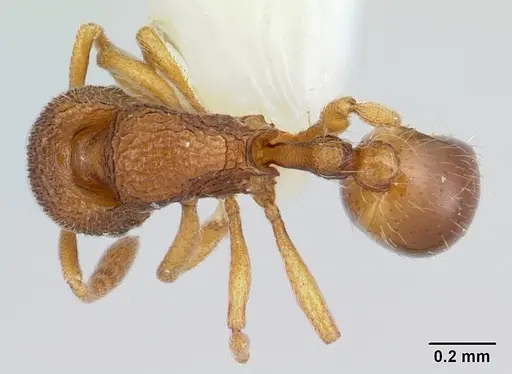
CASENT0178170
View on AntWeb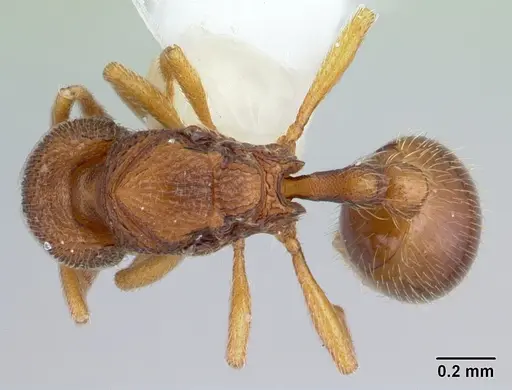
CASENT0900954
View on AntWeb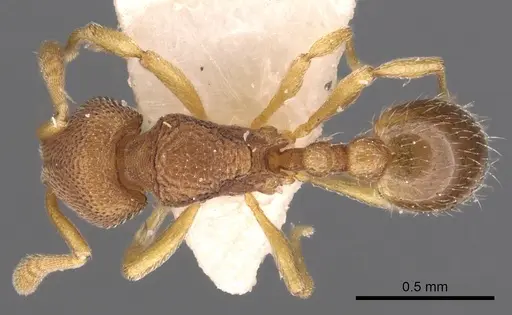
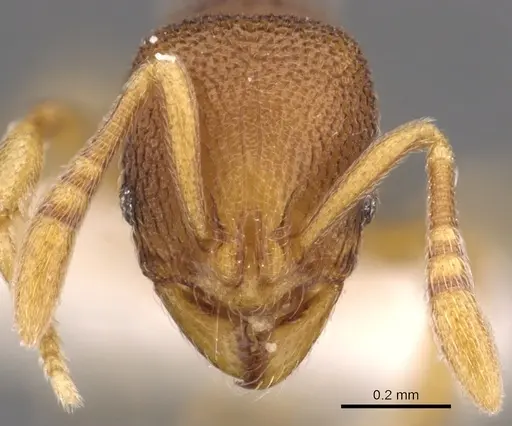
ECOFOG-MI15-0346-21
View on AntWeb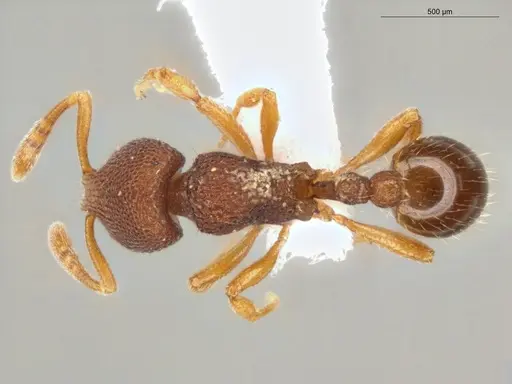
Literature
Loading distribution map...Loading products...