
Rogeria innotabilis
- Sci. Name
- Rogeria innotabilis
- Tribe
- Solenopsidini
- Subfamily
- Myrmicinae
- Author
- Kugler, 1994
- Distribution
- Found in 5 countries
Introduction
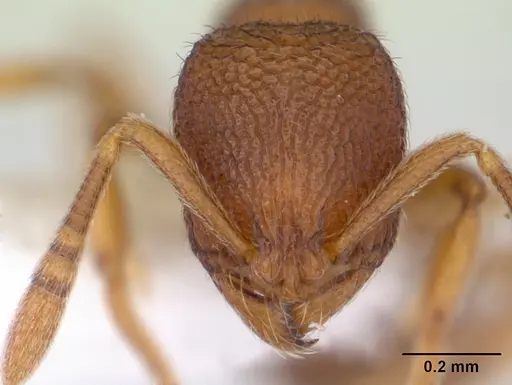
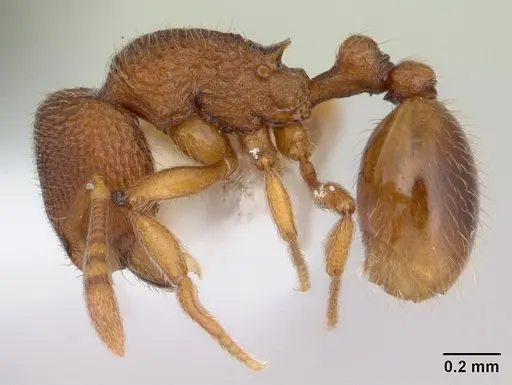
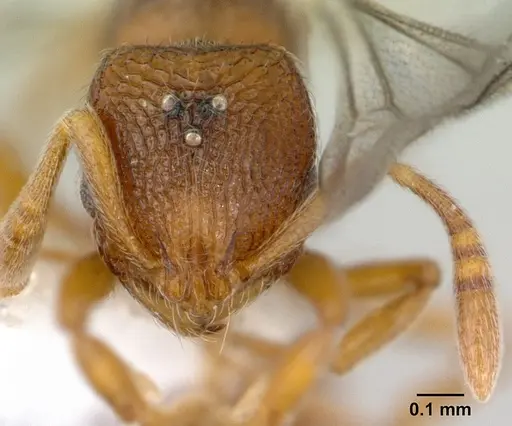
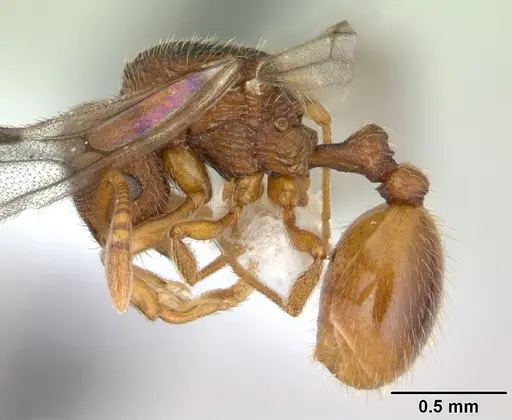
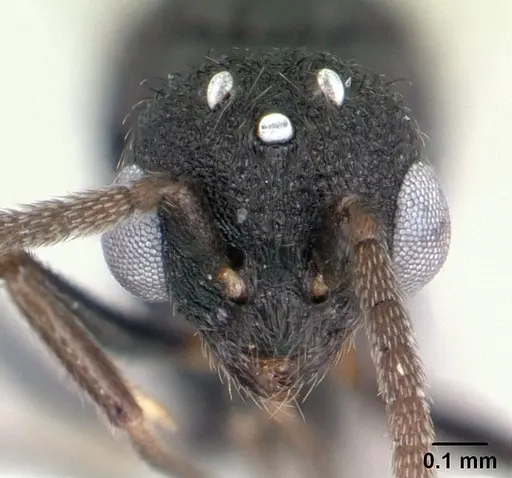
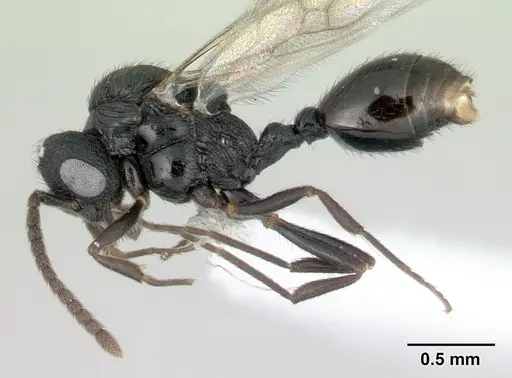
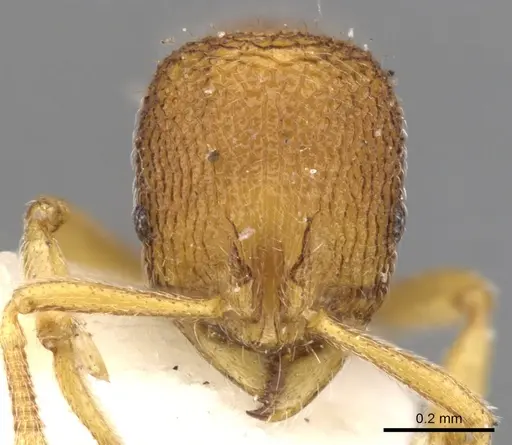
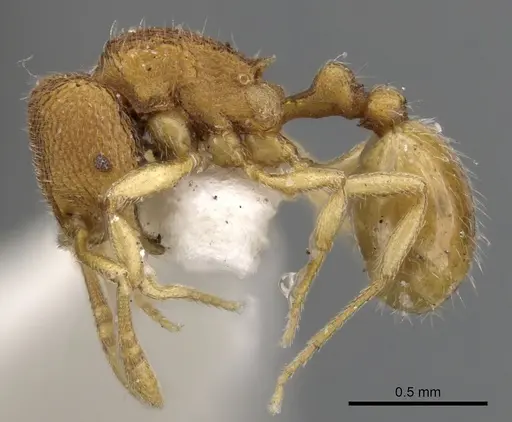
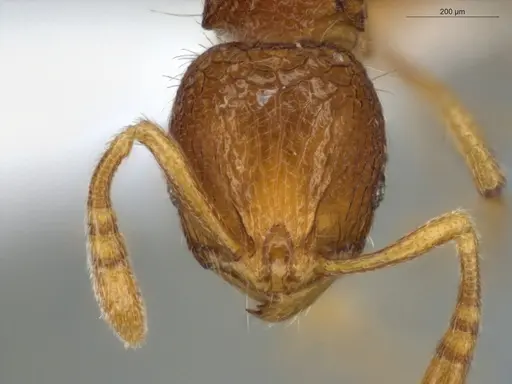
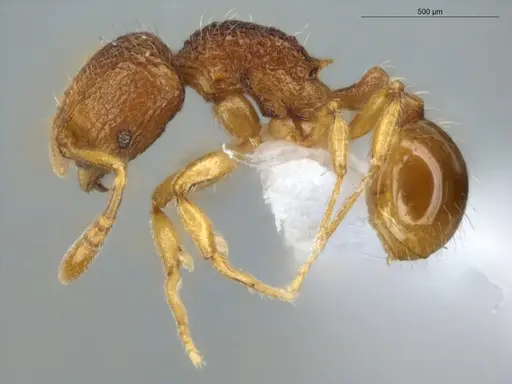
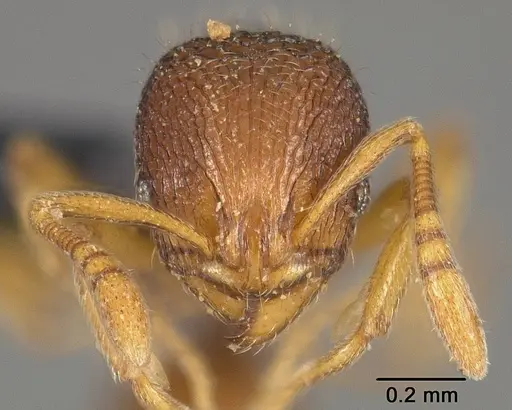
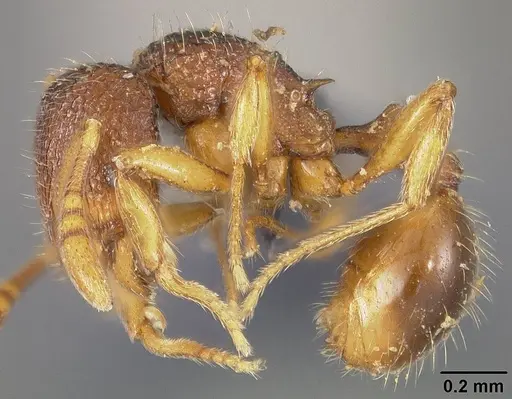
Rogeria innotabilis is a tiny ant species native to the Neotropics, ranging from southern Mexico to northern Colombia . Workers measure 2.4-2.7 mm with a golden brown to brown coloration and yellowish appendages . This is a cryptic leaf-litter species that lives hidden in the damp forest floor, making them easy to overlook . They have distinctive wide, straight propodeal spines and lack erect hairs on their antennae scapes or leg surfaces . Queens are slightly larger at 2.6-2.9 mm and were collected across a wider elevation range than workers, suggesting they may disperse to different areas for colony founding .
Quick Summary
- Difficulty: Medium
- Origin & Habitat: Found across the Neotropical region from Mexico (Chiapas) through Central America to northern Colombia, with additional records in Guyana, Suriname, and French Guiana [1][4]. They live in moist forest leaf litter at elevations ranging from 10-1200 m [2]. This ground-dwelling species thrives in humid, shaded microhabitats typical of tropical forest floors.
- Colony Type: Colony structure is not documented. Most Rogeria species are thought to be monogyne, but this is unconfirmed.
- Size & Growth:
- Queen: 2.6-2.9 mm [2]
- Worker: 2.4-2.7 mm [2]
- Colony: Unknown. Based on their small size and typical leaf-litter ant colonies, it is estimated to be small, but no data exists.
- Growth: Unknown
- Development: No data available. Estimates from related species are speculative. (Development data is unrecorded for this species.)
- Antkeeping:
- Temperature: Keep at 22-26°C, they come from warm tropical forests and need consistent warmth [1]. A gentle gradient allows them to regulate. Avoid drops below 18°C or spikes above 30°C.
- Humidity: High humidity is essential, think damp forest floor. Keep the nest substrate consistently moist but not waterlogged, with some drier areas available. Mist occasionally and ensure water is always available.
- Diapause: Unlikely, being a tropical species, they probably do not require a true diapause [1]. However, they may show reduced activity during cooler periods.
- Nesting: Y-tong (AAC) nests or plaster nests work well for these tiny ants. They prefer tight, humid chambers that mimic their natural leaf-litter environment. Naturalistic setups with moist substrate and leaf litter also work.
- Behavior: These are shy, cryptic ants that prefer to stay hidden in the nest [3]. They are not aggressive and will avoid confrontation. Workers forage slowly through substrate and leaf litter, searching for small prey and honeydew. Because of their tiny size, escape prevention is critical, they can squeeze through remarkably small gaps. They have a stinger typical of Myrmicinae, but it is tiny and not a concern for keepers.
- Common Issues: escape prevention is critical due to their tiny 2-3 mm size, use fine mesh barriers, high humidity requirements can lead to mold if ventilation is poor, growth rate is unknown, so patience is needed
Housing and Nest Setup
Because Rogeria innotabilis is an incredibly tiny ant species, housing requires attention to scale. Y-tong (AAC) nests with narrow chambers work well, as do plaster nests that hold humidity consistently. The chambers should be small and tight-fitting, these ants feel secure in compact spaces. A naturalistic setup with moist substrate and a layer of leaf litter on top mimics their natural environment and gives them foraging opportunities [1]. Whatever nest type you choose, ensure excellent escape prevention, these ants can slip through gaps that seem impossibly small. Apply fluon to any exposed edges and use fine mesh on any ventilation holes.
Temperature and Humidity
These tropical ants need warmth and humidity to thrive. Maintain temperatures between 22-26°C, avoiding any drops below 18°C or spikes above 30°C. A heating cable on one side of the nest creates a gentle gradient that lets workers choose their comfort zone. Humidity is critical, keep the nest substrate consistently damp like a forest floor. The air inside the nest should feel humid but not stagnant. Use adequate ventilation to prevent mold while maintaining moisture. A water tube connected to the nest helps maintain humidity through evaporation. [1]
Feeding and Diet
In the wild, these tiny ants forage through leaf litter hunting microscopic prey and collecting honeydew from aphids and scale insects [1]. In captivity, offer small live prey like fruit flies, pinhead crickets, and springtails. They can accept sugar water or honey occasionally, though their small size may limit how much they can consume. Protein is essential for brood development, offer small insects at least twice weekly. Remove uneaten prey within 24-48 hours to prevent mold. Because they're so small, prey items should be appropriately sized, anything larger than their head is difficult for them to handle.
Colony Development
Queens measure 2.6-2.9 mm and are slightly larger than workers [2]. The founding process has not been directly observed. Expect that the queen will seal herself in a small chamber to raise the first workers on stored reserves, but this is speculation. Development time from egg to worker is unknown. The first workers (nanitics) will be smaller than normal workers. Growth rate is unknown, patience is required. Colonies likely remain small given their tiny size and typical leaf-litter ant colonies, but no data confirms the maximum size.
Handling and Temperament
Rogeria innotabilis is a peaceful, non-aggressive species. Workers are tiny and shy, preferring to stay hidden in the nest rather than venture out boldly [3]. They have a stinger but it's extremely small and rarely used defensively. The main handling concern is preventing escapes, their small size means they can traverse surfaces that seem secure. Always use fluon barriers and check for any gaps. When moving colonies, do so gently and avoid disturbing the nest excessively. These ants are best observed through the nest walls rather than handled directly.
Frequently Asked Questions
How long does it take for Rogeria innotabilis to raise their first workers?
The exact timeline is not documented. Estimates from related species are not reliable, so it's best to assume unknown and allow the colony to develop at its own pace.
Are Rogeria innotabilis good for beginners?
They are moderate difficulty, their small size and high humidity needs make them slightly more challenging than larger, hardier species. Beginners should be prepared for excellent escape prevention and consistent humidity maintenance.
What do Rogeria innotabilis eat?
They eat small live prey like fruit flies, springtails, and tiny crickets. They likely also accept honeydew and sugar water, though their tiny size limits consumption. Protein-rich foods are essential for brood development [1].
How big do Rogeria innotabilis colonies get?
Based on their tiny worker size (2.4-2.7 mm) and related species, colonies likely reach a few hundred workers at most, but this is speculative. No reliable data exists.
Do Rogeria innotabilis need hibernation?
Being a tropical species from Central and South America, they likely do not require a true diapause [1]. They may show reduced activity during cooler periods but no formal hibernation is needed.
Can I keep multiple queens together?
Colony structure is not well documented for this species. Combining unrelated queens has not been studied and is not recommended.
What is the best nest type for Rogeria innotabilis?
Y-tong (AAC) nests with narrow chambers or plaster nests that hold humidity well are best. The chambers should be small and tight-fitting to make them feel secure. Naturalistic setups with moist substrate also work.
Why are my Rogeria innotabilis escaping?
Their tiny 2-3 mm size means they can squeeze through impossibly small gaps. Use fine mesh, apply fluon to all edges, and check for any cracks or gaps in your setup. Escape prevention must be excellent.
What temperature should I keep Rogeria innotabilis at?
Keep them at 22-26°C. They need consistent warmth from tropical forests [1]. Avoid temperatures below 18°C or above 30°C. A gentle gradient allows them to regulate their temperature.
Report an Issue
The current care sheet is based fully on literature. See inconsistencies, or something that's incorrect? Please , it will be resolved after review from an admin. Contributing to the blogs tab also helps providing information, to make us be able to further improve the caresheets. Thank you for your support!
References

This caresheet is licensed under CC BY-SA 4.0 .
Community Blogs
CASENT0603512
View on AntWeb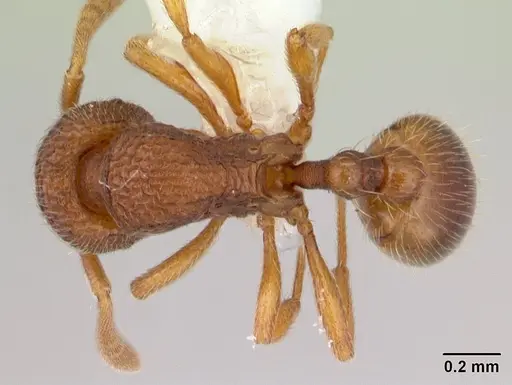
CASENT0603513
View on AntWeb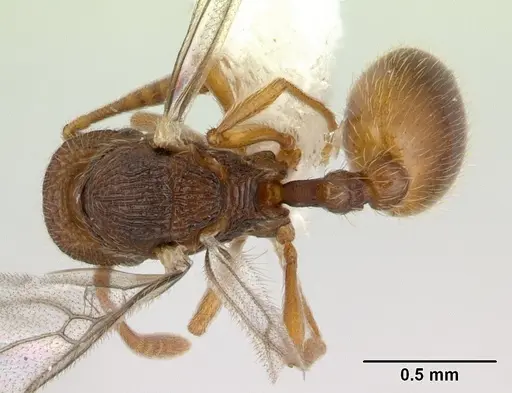
CASENT0603514
View on AntWeb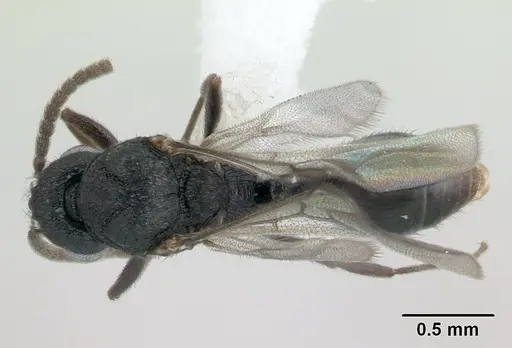
CASENT0900958
View on AntWeb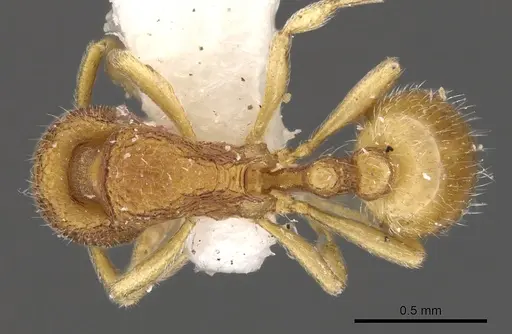
ECOFOG-CSG15-0079-19
View on AntWeb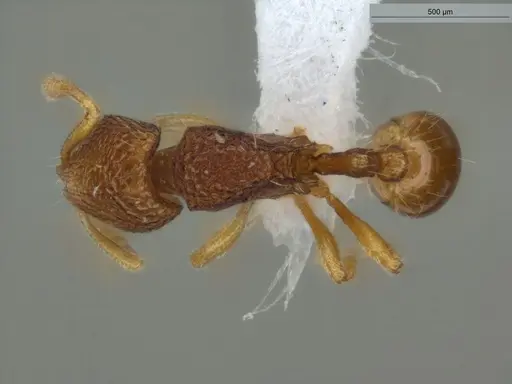
USNMENT00445637
View on AntWeb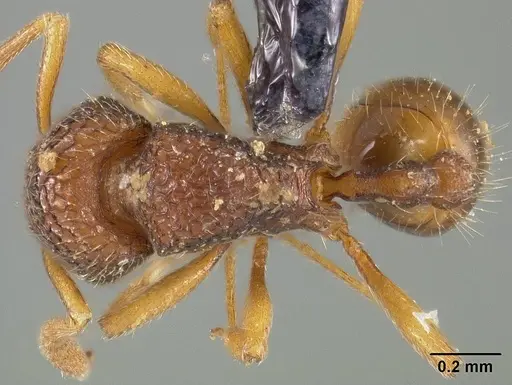
Literature
Loading distribution map...Loading products...