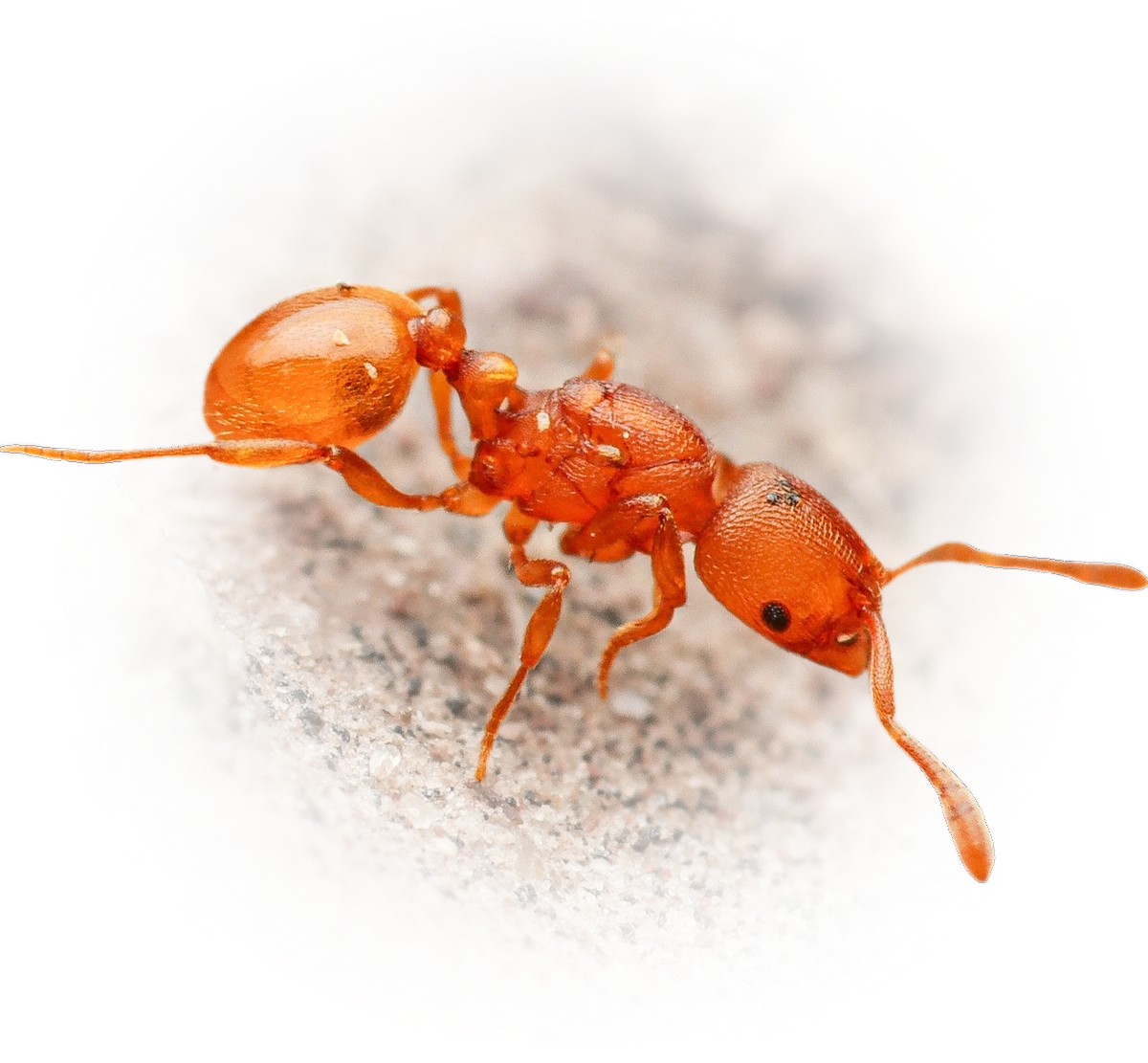
Rogeria foreli
- Sci. Name
- Rogeria foreli
- Tribe
- Solenopsidini
- Subfamily
- Myrmicinae
- Author
- Emery, 1894
- Distribution
- Found in 20 countries
Introduction
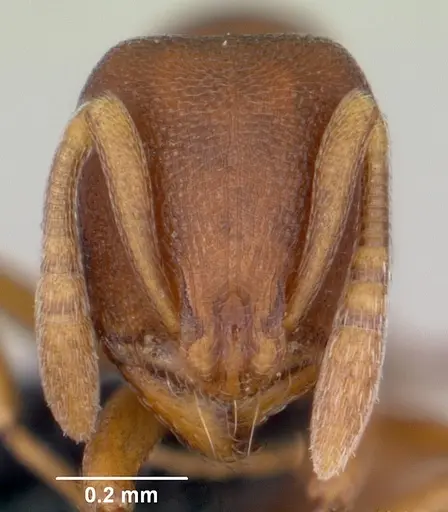
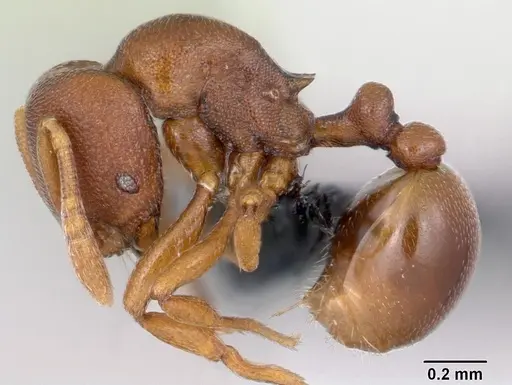
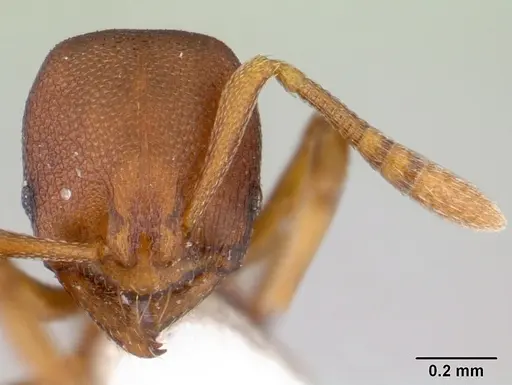
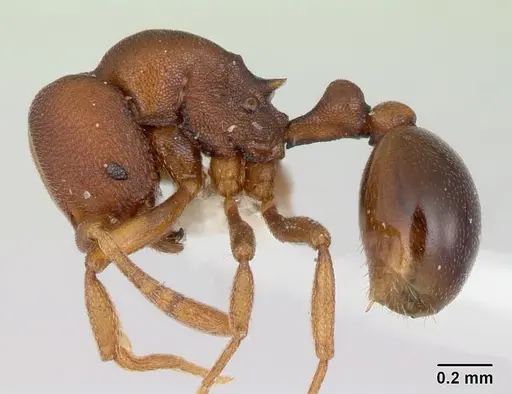
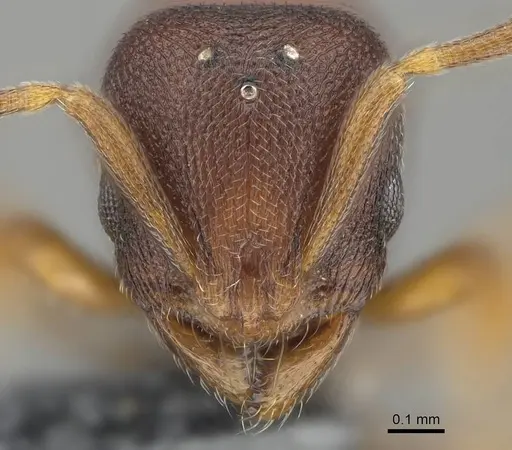
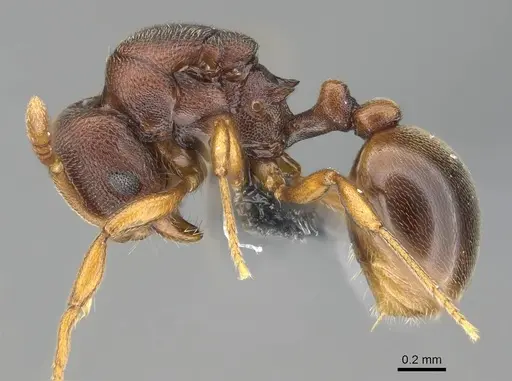
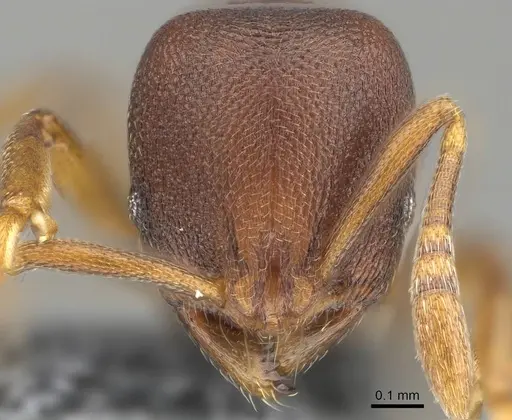
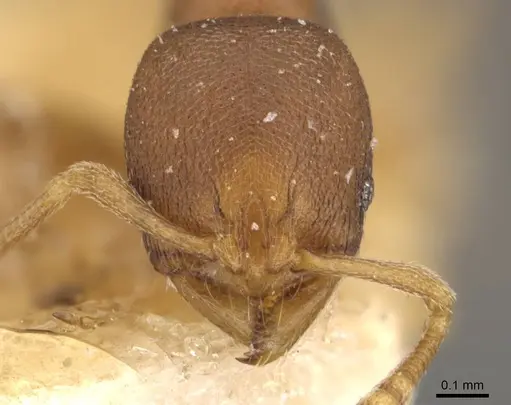
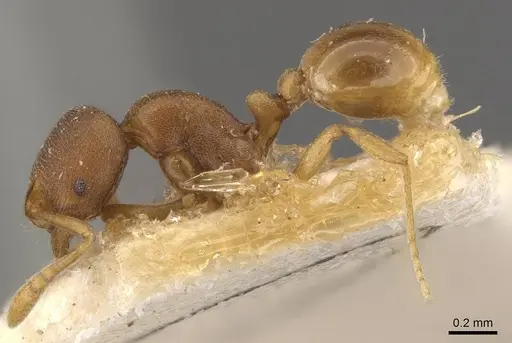
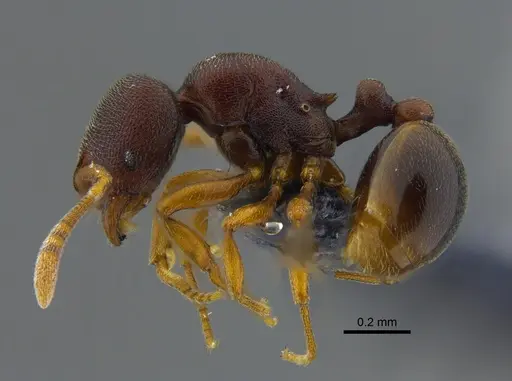
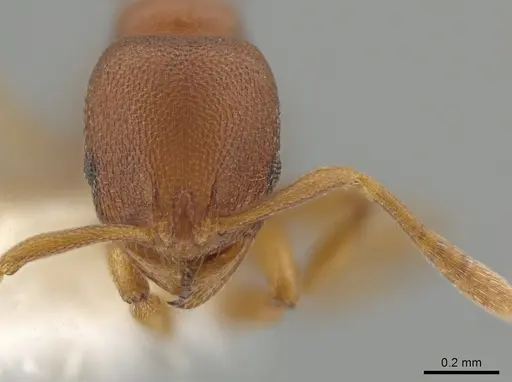
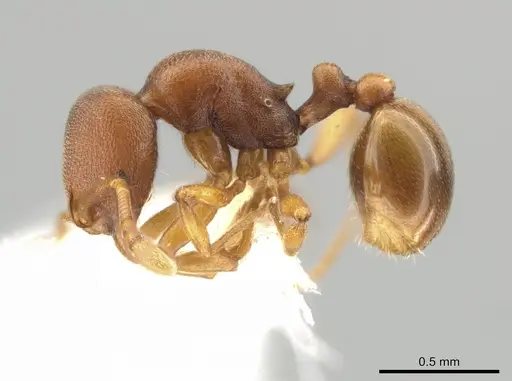
Rogeria foreli is a tiny, cryptic ant from the Myrmicinae subfamily. Workers measure 1.9-2.9 mm , making them one of the smallest ants you might keep. Their color ranges from yellow with a slightly brownish gaster to chestnut-brown with lighter appendages . They have a surprisingly wide distribution across the Americas, stretching from the southwestern United States through Central America and northern South America to many Caribbean islands . What makes this species interesting is its flexibility in habitat choice - it lives in desert rocky areas, juniper woodlands at 1800 m in Arizona, tropical rainforests, cocoa plantations, and even in bromeliads and canopy fogging samples [DaRocha et al. 2015 via AntWiki]. They nest in leaf litter, rotten wood, and under stones, and may also have arboreal habits . Like other Solenopsidini ants, they have a functional sting, but it’s very mild to humans.
Quick Summary
- Difficulty: Medium
- Origin & Habitat: Widespread from southwestern USA (Arizona, New Mexico) through Central America (Panama, Costa Rica, Guatemala) to northern South America (Colombia, Venezuela, Brazil, French Guiana) and many Caribbean islands (Barbados, Grenada, Guadeloupe, Puerto Rico, St. Vincent, Trinidad, Virgin Islands). Found from sea level to 1814 m. Habitats include Chihuahuan Desert rocky areas, oak‑juniper woodland, tropical dry forest, rainforest, and human‑modified areas like cocoa plantations [2][4][5][1].
- Colony Type: Colony structure is not well documented. Queens have been collected but not fully described, males have never been collected. Based on related Solenopsidini, likely monogyne (single queen), but this is unconfirmed.
- Size & Growth:
- Queen: 2.4-3.1 mm [1]
- Worker: 1.9-2.9 mm [1]
- Colony: Unknown, likely under a few hundred workers based on tiny size and cryptic lifestyle.
- Growth: Unknown, likely moderate
- Development: Estimated 6-8 weeks at 22-26°C, based on typical small Myrmicinae development. (No direct data, this is an estimate.)
- Antkeeping:
- Temperature: Keep at 22-26°C. This species tolerates a wide range (from cool Arizona woodland to tropical heat), but stable mid‑20s works best. [2][1]
- Humidity: Moderate to high. They live in damp leaf litter and rotten wood. Keep substrate moist but not waterlogged. Provide a gradient: a wet section and a slightly drier area. [1]
- Diapause: No true diapause needed. Their range is mostly tropical, so they are active year‑round. Northernmost populations (Arizona) may show a mild winter slowdown, but full hibernation is not required. [2]
- Nesting: Use Y‑tong (AAC) or plaster nests, these hold humidity well and allow you to carve chambers scaled to their tiny size (2-3 mm). Avoid large, open chambers, they prefer tight, dark spaces. They also do well in naturalistic setups with leaf litter and pieces of rotten wood. [1]
- Behavior: Cryptic and non‑aggressive. Workers forage individually through leaf litter, moving slowly. They are likely omnivorous but prefer small prey. Escape risk is extremely high due to their tiny size, they can slip through gaps you can’t see. Use fine mesh (≤0.5 mm) and seal all openings. Nuptial flights occur pre‑dawn [6], so they may be partly nocturnal. [1]
- Common Issues: escape prevention is critical, their tiny size lets them squeeze through standard barriers. Use fine mesh and fluon., colonies grow slowly and stay small, be patient, do not overdisturb., they are hard to observe because they stay hidden in the nest, use a clear, covered nest if you want to watch them., wild‑caught colonies may carry mites or other parasites, quarantine new colonies., availability is low, this species is rarely offered in the hobby.
Housing and Nest Setup
Because Rogeria foreli workers are only ~2 mm, their nest must have tiny chambers. Y‑tong (AAC) or plaster nests are ideal, you can carve narrow tunnels and small rooms that mimic the spaces they like in leaf litter and rotten wood. Avoid acrylic nests with big open chambers, these ants will feel exposed and may not thrive [1].
For the outworld, use a small container (like a deli cup) with fine mesh on all vents. Add a thin layer of dry coco fiber or leaf litter for them to explore. Keep the nest area dark, cover it with cardboard or tape. Provide a water source (test tube with cotton) or a small water bowl with pebbles. Change the water regularly.
Feeding and Diet
Like most Solenopsidini, Rogeria foreli is probably omnivorous but prefers small prey. In captivity, offer fruit flies (Drosophila), pinhead crickets, and tiny mealworm pieces. They will also accept sugar water or honey water, offer it on a small cotton ball. Remove uneaten food after 24 hours to prevent mold. Feed 2-3 times a week, small amounts. Because workers are so small, even one fruit fly is a big meal. If they ignore food, check temperature or humidity first.
Temperature and Seasonal Care
Maintain a steady 22-26°C. This range covers their natural habitats from cool Arizona highlands to warm tropical forests. No real hibernation is needed, they stay active all year. If your colony slows down in winter (especially for northern‑origin populations), you can reduce temperature slightly to ~18°C for a few weeks, but it’s not required. Avoid sudden temperature drops. [2][1]
Handling and Colony Maintenance
These ants are gentle and rarely sting, but they are fragile due to their size. When cleaning the nest or moving them, use a soft paintbrush and work slowly. They are not aggressive, but they will escape through any gap, coat the rim of their container with fluon and check seals regularly.
Colony growth will be slow. Expect a handful of nanitics at first, and only a few dozen workers after many months. Do not disturb the nest often. Watch for mold in damp areas, if you see it, reduce moisture slightly or increase ventilation. Always keep a water source available.
Frequently Asked Questions
How long does it take for Rogeria foreli to have first workers?
There is no direct data, but based on typical Myrmicinae development, expect 6-8 weeks from egg to worker at 22-26°C. Growth will be gradual.
Can I keep multiple Rogeria foreli queens together?
This has never been reported. Most Rogeria species are thought to be single‑queen, so combining queens is risky. Keep only one queen per setup unless you find evidence otherwise.
Are Rogeria foreli good for beginners?
They are medium difficulty. They are not aggressive, but their tiny size makes escape prevention tricky. They also grow slowly and stay hidden most of the time. Experienced keepers who enjoy cryptic, small species will appreciate them more than beginners.
What colony size do Rogeria foreli reach?
Colony size is unknown. Based on their tiny worker size and cryptic lifestyle, they probably reach no more than a few hundred workers. Expect slow growth.
What do Rogeria foreli eat?
They likely take small live prey (fruit flies, springtails, tiny crickets) and sugar water or honey water. They forage in leaf litter for small arthropods and may tend aphids for honeydew.
Do Rogeria foreli need hibernation?
No. Their range is mostly tropical, so they are active year‑round. Colonies from the northernmost edge (Arizona) may slow down in winter, but full hibernation is not needed.
Why are my Rogeria foreli escaping?
Because they are so tiny (under 3 mm), they can fit through holes that look closed to your eyes. Use fluon on all barriers, fine mesh (≤0.5 mm), and double‑check lid seals. Even the gap around a test tube cotton plug can be an escape route.
When do Rogeria foreli have nuptial flights?
In Puerto Rico, flights have been observed pre‑dawn, with queens and males flying before sunrise [6]. In tropical areas flights may happen year‑round during warm, humid weather. Exact timing varies by location.
Report an Issue
The current care sheet is based fully on literature. See inconsistencies, or something that's incorrect? Please , it will be resolved after review from an admin. Contributing to the blogs tab also helps providing information, to make us be able to further improve the caresheets. Thank you for your support!
References

This caresheet is licensed under CC BY-SA 4.0 .
Community Blogs
CASENT0006150
View on AntWeb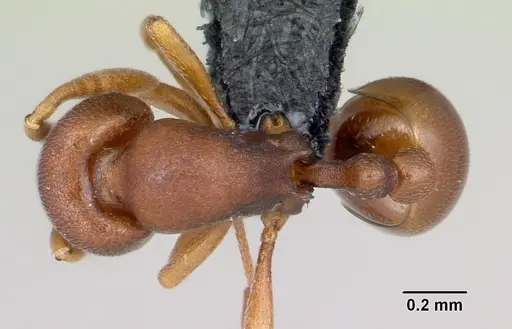
CASENT0178654
View on AntWeb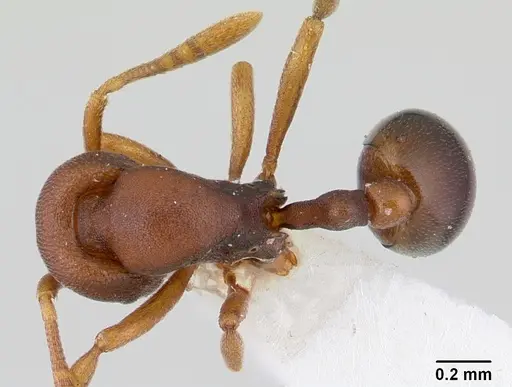
CASENT0729764
View on AntWeb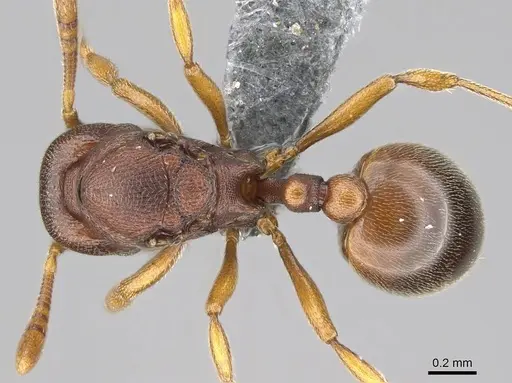
CASENT0729766
View on AntWeb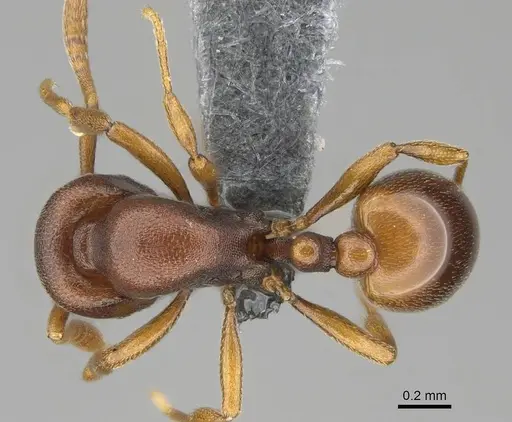
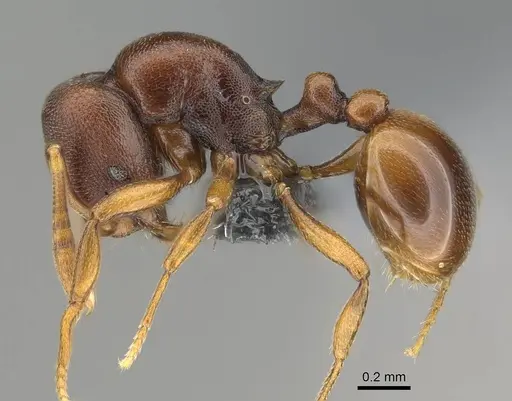
CASENT0904779
View on AntWeb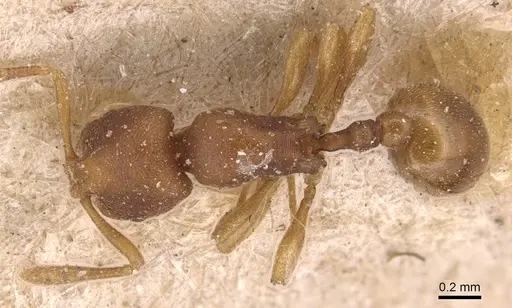
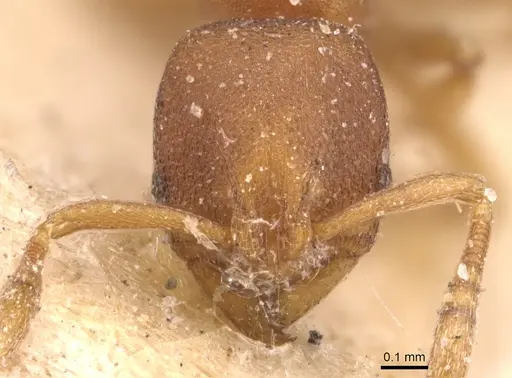
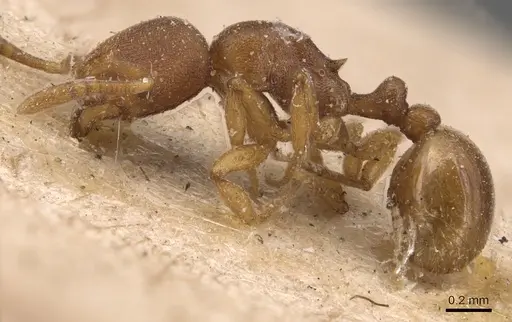
CASENT0909070
View on AntWeb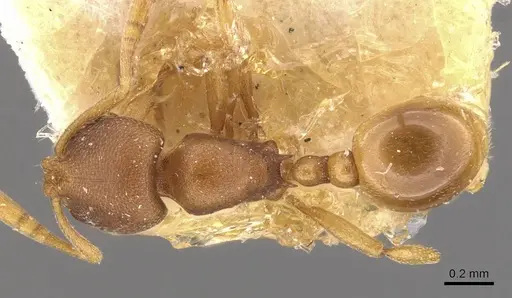
CASENT0919627
View on AntWeb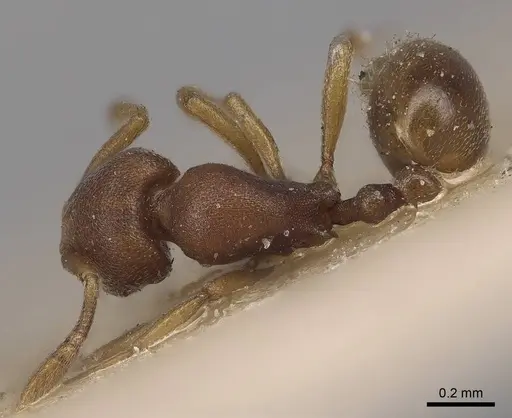
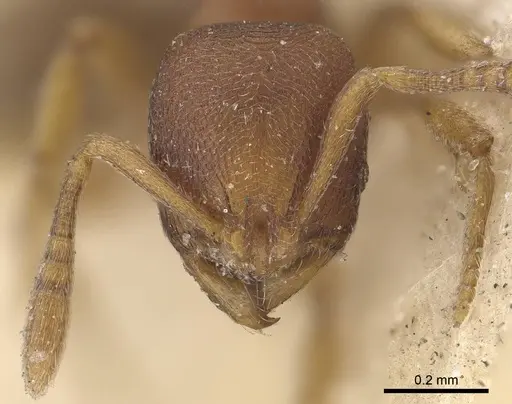
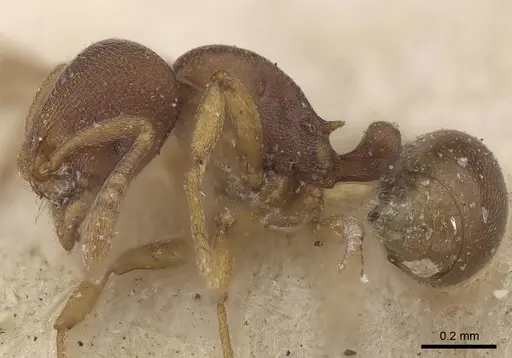
CBUMAGENT41960
View on AntWeb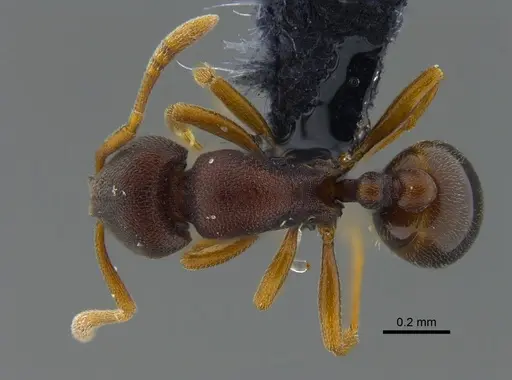
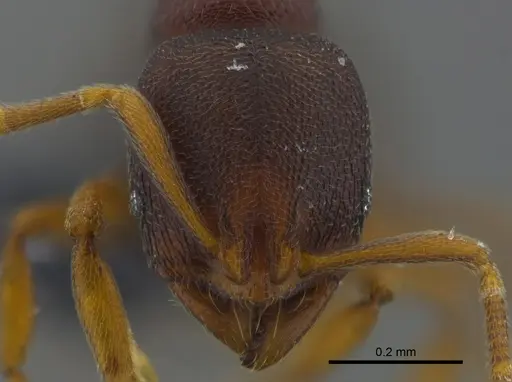
JTLC000015081
View on AntWeb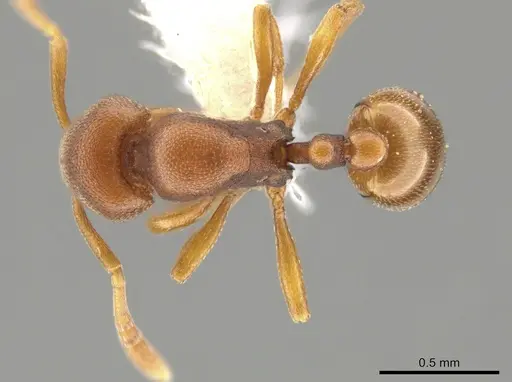
USNMENT01124288
View on AntWeb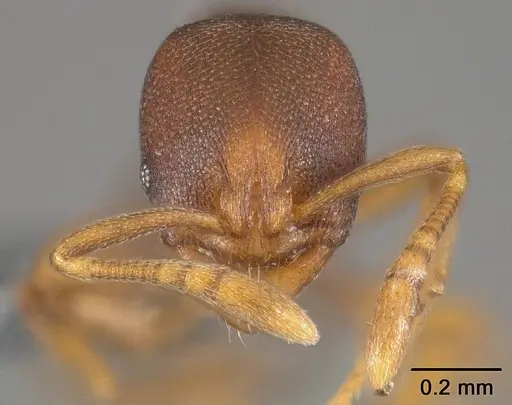
Literature
Loading distribution map...Loading products...