
Rhytidoponera trachypyx
- Sci. Name
- Rhytidoponera trachypyx
- Tribe
- Ectatommini
- Subfamily
- Ectatomminae
- Author
- Brown, 1958
- Distribution
- Found in 1 countries
Introduction
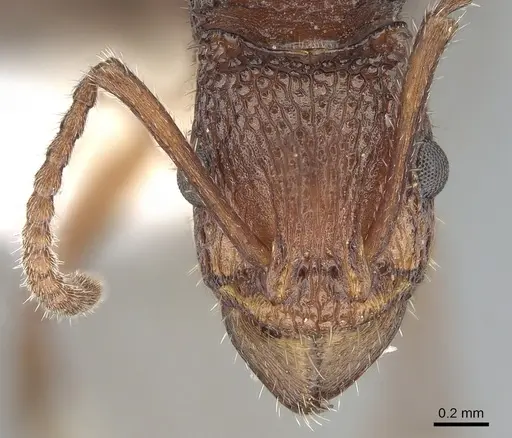
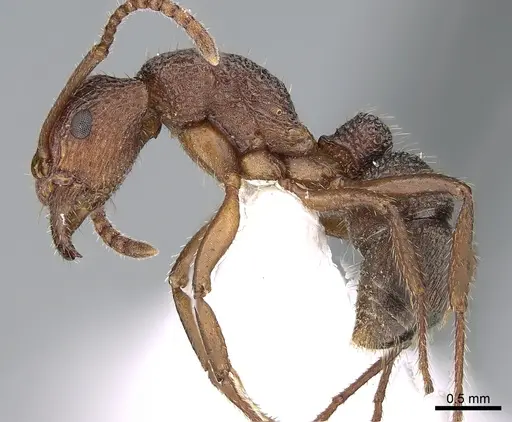
Rhytidoponera trachypyx is a medium-sized ant from Australia's Northern Territory, described by Brown in 1958. It's known from the Katherine and Darwin regions, and research shows it prefers larger islands in the Wessel and English Company Islands group . Little is known about its biology in the wild . Like other Rhytidoponera, it likely nests in soil or under ground cover.
Quick Summary
- Difficulty: Medium
- Origin & Habitat: Northern Territory, Australia, found in tropical savanna and on larger islands in the seasonal tropics [1][2]
- Colony Type: Colony structure is not documented for this species. Based on typical Rhytidoponera patterns, colonies are likely monogyne (single queen).
- Size & Growth:
- Queen: Size data unavailable, no body measurements exist in the available literature.
- Worker: Size data unavailable, no body measurements exist in the available literature.
- Colony: Unknown for this species, no specific colony size data exists.
- Growth: Unknown, no specific data. Rhytidoponera in general are moderate growers, but this is uncertain.
- Development: Unknown, no specific data for this species. (Timeline can only be guessed from related Ectatomminae in similar climates, expect patience.)
- Antkeeping:
- Temperature: Keep warm and stable, roughly 24-28°C, these are tropical ants adapted to warm conditions [1]. A heating cable on one side of the nest creates a useful gradient.
- Humidity: Moderate, maintain a gradient with a moist nest area and a drier outworld. Based on seasonal tropics, allow slight drying between waterings but avoid complete desiccation.
- Diapause: Likely no true diapause, Northern Territory has mild winters. You may see reduced activity during the dry season, but cold hibernation is not needed.
- Nesting: Natural nesting is in soil or under stones. In captivity, use a Y-tong (AAC) nest or a soil-based setup with compact chambers. They prefer tight spaces.
- Behavior: Based on the subfamily Ectatomminae, these ants have a functional sting and may use it defensively. Workers are active foragers. Temperament is not documented, but avoid direct nest disturbance. Use standard escape barriers, they are medium-sized ants and cannot squeeze through very small gaps.
- Common Issues: very limited species-specific information makes care somewhat speculative, tropical temperature requirements may be problematic in cooler climates without heating, stinging capability means caution when handling or disturbing the nest, wild-caught colonies may carry parasites or diseases, unknown colony growth rate demands patience and flexible expectations
Housing and Nest Setup
Rhytidoponera trachypyx naturally nests in soil and under stones in Australian tropical environments [2]. For captivity, a Y-tong (AAC) nest with compact chambers works well, or you could use a naturalistic setup with a soil-filled container. These ants prefer tight, snug chambers rather than large open spaces. Since they're medium-sized, standard escape prevention measures are sufficient. A water reservoir connected to the nest helps maintain appropriate humidity levels. Place the nest in a warm area, ideally with a temperature gradient from about 24-28°C.
Feeding and Diet
Like other Rhytidoponera, these ants are predatory and likely accept small live invertebrates such as small crickets, mealworms, and fruit flies. They probably also consume honeydew and nectar in nature, so offer sugar water or honey occasionally. Feed protein 2-3 times per week, and keep a sugar source available. Remove uneaten prey after 24 hours. Young colonies should be fed more frequently with smaller portions. [2]
Temperature and Seasonal Care
As a tropical ant from the Northern Territory, Rhytidoponera trachypyx requires warm temperatures to thrive [1]. Maintain the nest area at around 24-28°C consistently. A small heating cable on one side of the nest creates a gradient, letting ants regulate their own conditions. They do not require a true hibernation period, keep them warm year-round and avoid temperatures below 20°C.
Behavior and Defense
Members of the subfamily Ectatomminae have functional stingers used for defense and prey capture. Rhytidoponera trachypyx will likely sting if it feels its colony is threatened. The sting is not considered dangerous to healthy humans but can be painful. When working with these ants, move slowly and avoid disturbing the nest directly. Workers are active foragers and will search the outworld for food. Colony temperament may vary. [2]
Frequently Asked Questions
How long does it take for Rhytidoponera trachypyx to develop from egg to worker?
The exact timeline is unknown for this species. No research has documented development times. Expect patience, as even related species can take weeks at warm temperatures.
Can I keep multiple queens together in one colony?
Colony structure is not documented for this species. Based on typical Rhytidoponera patterns, they likely form single-queen colonies. Combining unrelated queens is not recommended without specific knowledge.
Do Rhytidoponera trachypyx ants sting?
Yes, Rhytidoponera ants have functional stingers and may use them defensively. The sting is not medically significant for healthy adults but can cause localized pain. Handle with care.
What is the best nest type for Rhytidoponera trachypyx?
A Y-tong (AAC) nest with compact chambers or a naturalistic setup with soil substrate works well. These ants prefer snug chambers and typically nest in soil or under stones in the wild. Ensure the nest maintains moderate humidity and warm temperatures.
Are Rhytidoponera trachypyx good for beginners?
This species is rated as medium difficulty. The limited species-specific information means you may need to adapt care based on colony behavior. Their stinging capability also requires careful handling. They are better suited for keepers with some antkeeping experience.
How big do Rhytidoponera trachypyx colonies get?
Colony size is not documented for this species. No specific data is available, so it's unknown.
What temperature do Rhytidoponera trachypyx ants need?
Keep them at around 24-28°C consistently [1][2]. These are tropical Australian ants adapted to warm conditions. A heating cable on part of the nest can provide the warmth they need.
Do they need hibernation or diapause?
Unlike temperate species, Rhytidoponera trachypyx likely does not require true hibernation. They come from the Northern Territory where winters are mild. Maintain warm temperatures year-round and avoid letting the nest drop below 20°C.
What do Rhytidoponera trachypyx ants eat?
They are predatory ants that accept small live invertebrates like crickets, mealworms, and fruit flies. They also likely consume honeydew and nectar, so you can offer sugar water or honey as a supplemental food source. Feed protein 2-3 times per week with sugar available constantly.
Where is Rhytidoponera trachypyx found in the wild?
This species is native to Australia's Northern Territory, specifically the Katherine and Darwin regions [2]. Research has also recorded them on islands in the Wessel and English Company Islands group, where they show a preference for larger islands [1].
Report an Issue
The current care sheet is based fully on literature. See inconsistencies, or something that's incorrect? Please , it will be resolved after review from an admin. Contributing to the blogs tab also helps providing information, to make us be able to further improve the caresheets. Thank you for your support!
References

This caresheet is licensed under CC BY-SA 4.0 .
Community Blogs
CASENT0281257
View on AntWeb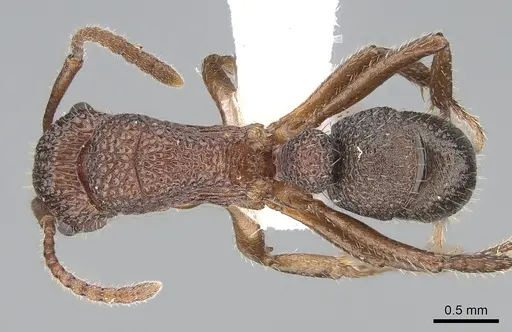
Literature
Loading distribution map...Loading products...