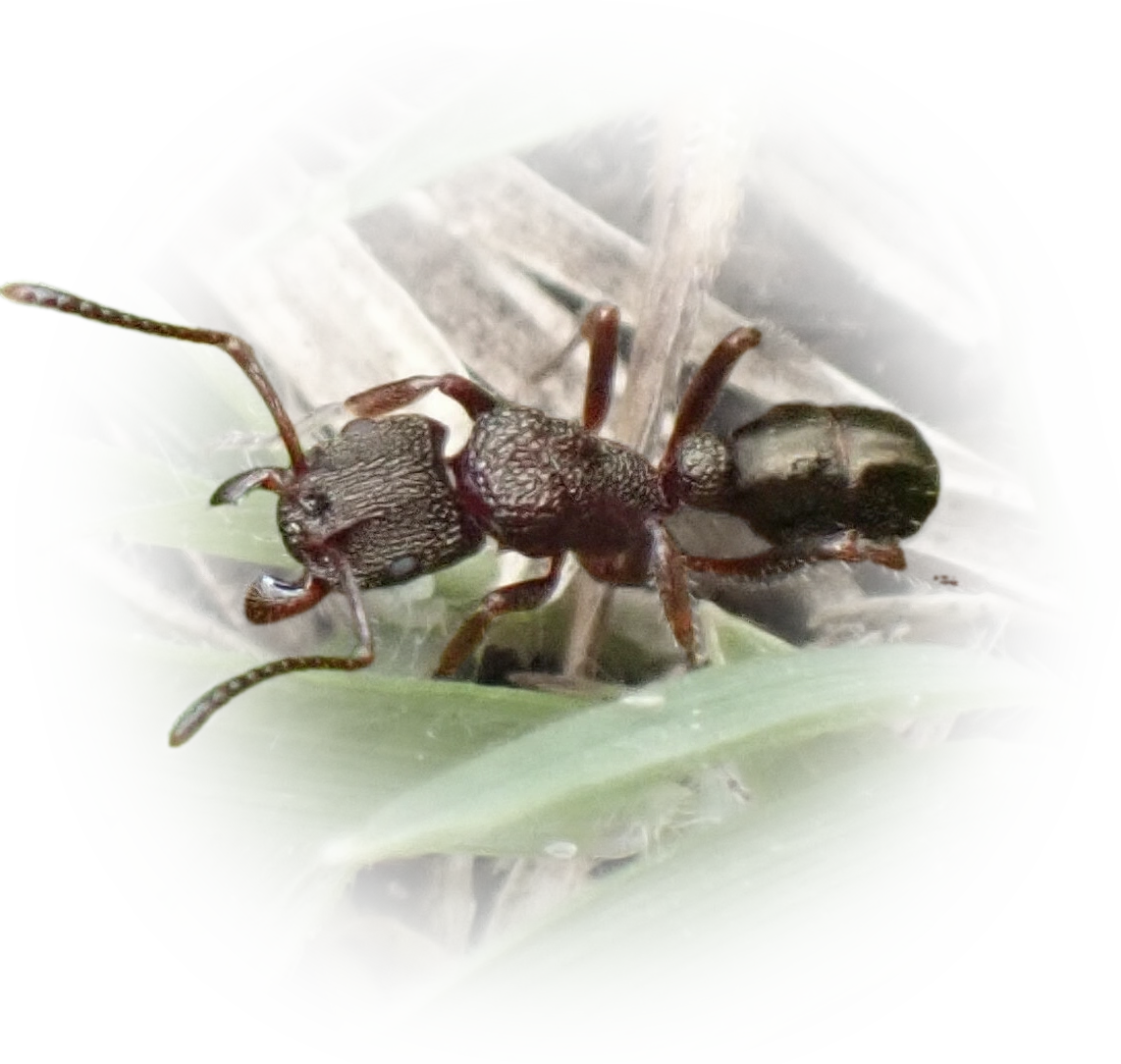
Rhytidoponera tasmaniensis
- Sci. Name
- Rhytidoponera tasmaniensis
- Tribe
- Ectatommini
- Subfamily
- Ectatomminae
- Author
- Emery, 1898
- Distribution
- Found in 1 countries
Introduction
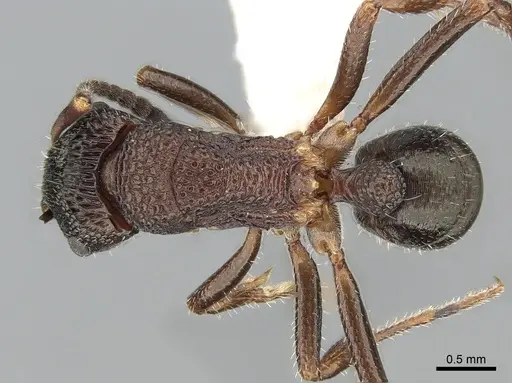
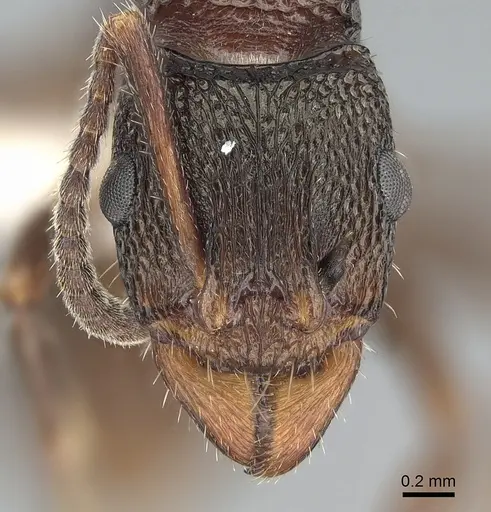
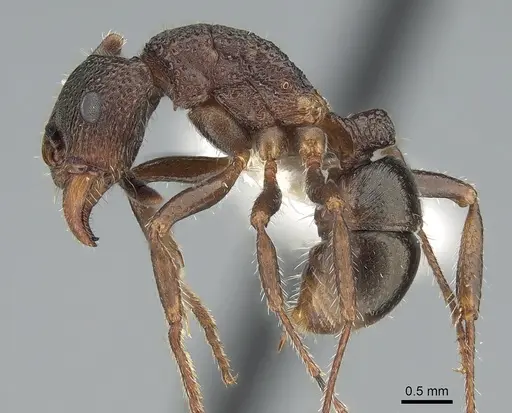
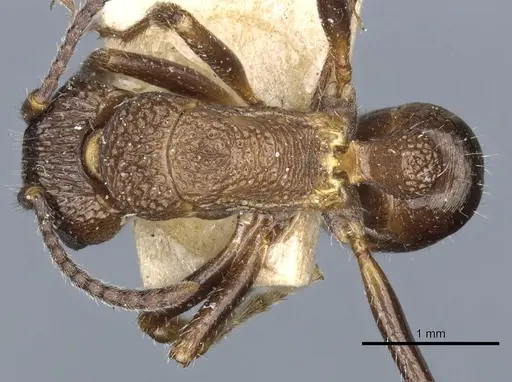
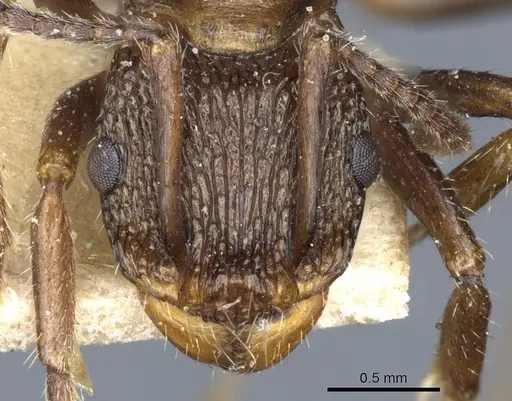
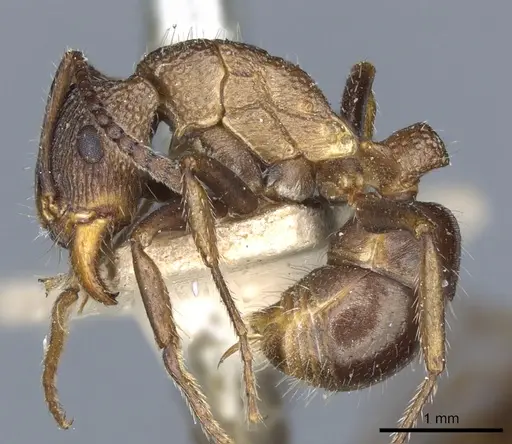
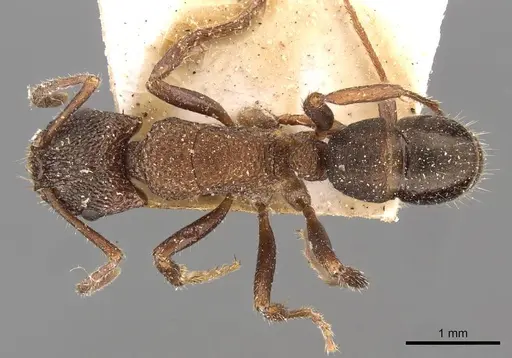
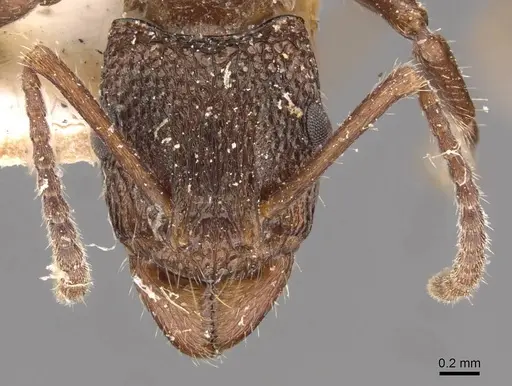
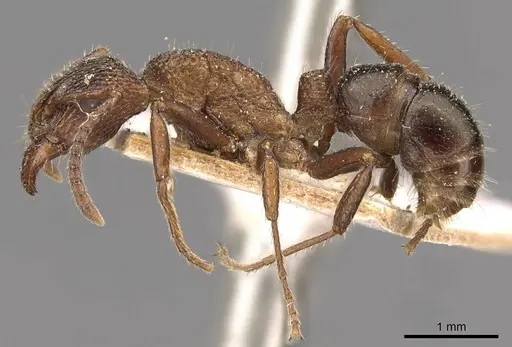
Rhytidoponera tasmaniensis is a medium-sized Australian ant, with workers around 5-7 mm (inferred from the Rhytidoponera genus). They belong to the subfamily Ectatomminae and typically have a metallic green to bronze sheen, though some populations lack that iridescence . These ants are ground-nesting opportunists found mainly in Tasmania and southeastern Australia, where they live in mesic (damp) sclerophyll forests and woodlands . What makes this species especially interesting is its flexible social structure. Like its close relative Rhytidoponera metallica, this species can have gamergates - workers that become reproductive and lay eggs . That means colonies don't always need a queen to keep growing, although functional queens do exist and serve as effective aerial dispersers for starting new colonies .
Quick Summary
- Difficulty: Medium
- Origin & Habitat: Southeastern Australia, mainly Tasmania and New South Wales. They live in damp sclerophyll forests, woodlands, and disturbed areas [2][1][3].
- Colony Type: Facultatively queenless, colonies can reproduce through gamergates (reproductive workers). Functional queens exist but aren't always needed for long-term survival [5][4].
- Size & Growth:
- Queen: Size data unavailable, no measurements found
- Worker: 5-7 mm (inferred from Rhytidoponera genus)
- Colony: Unknown, specific data not available
- Growth: Unknown
- Development: Unknown, specific data not available for this species (Development timeline not documented. Estimates based on related Ectatomminae ants suggest roughly 6-10 weeks at warm temperatures, but this is speculative.)
- Antkeeping:
- Temperature: Likely 22-26°C during active season. Based on their temperate southern range, they can probably handle cooler spells but grow best when it's warm. Provide a gradient so ants can choose.
- Humidity: Moderate to high, they come from moist environments. Keep the nest substrate damp but not waterlogged, with some drier areas available.
- Diapause: Unknown, based on their temperate origin (Tasmania, NSW), they probably need a winter rest period. If so, reduce to 10-15°C for 2-3 months during winter. Confirm with colony behavior.
- Nesting: Ground-nesting species that prefers soil or rotting wood. In captivity, a naturalistic setup with soil or a Y-tong / plaster nest with moisture chambers works well.
- Behavior: These ants are opportunistic foragers, they hunt small prey and scavenge. They have a functional stinger and will use it if threatened, but they're not aggressive toward humans and will usually flee first. Their medium size means escape barriers are standard. They're most active in warmer months and slow down in winter.
- Common Issues: colonies may fail if kept too dry, they need consistent moisture, winter diapause is likely essential for long-term health, skipping it can weaken colonies, gamergate reproduction means colonies may not accept a new queen if introduced, stinging capability means they can deliver a painful sting if handled carelessly, wild-caught colonies may carry parasites that need treatment
Housing and Nest Setup
Rhytidoponera tasmaniensis is a ground-nesting ant that does well in naturalistic setups with a soil substrate. You can use a Y‑tong (AAC) nest or plaster nest with moisture chambers, but a terrarium‑style setup often works best. They prefer to dig chambers and tunnels in damp soil. The outworld should have a water dish and feeding area. Because they live underground, make sure the formicarium has enough depth for nesting, at least 5-7 cm of substrate. They are medium‑sized, so standard escape barriers work well. [2][3][4]
Feeding and Diet
These ants are opportunistic feeders. Offer protein like small insects (fruit flies, small crickets, mealworms) and sugar sources like honey water or sugar water. Feed 2-3 times per week for established colonies. During founding the queen will need to hunt for protein to feed her first brood. Remove uneaten food to prevent mold. They aren't specialized predators, so standard ant feeding works. [3]
Temperature and Seasonal Care
Keep the nest at 22-26°C during the active season. They can probably tolerate lows of 15°C and highs up to 30°C, but growth is best in the warmer range. During winter (June-August in the southern hemisphere), reducing temperature to 10-15°C for a diapause period is likely important for colony health. Don't feed during diapause, but keep some moisture available. Resume normal feeding and warming when temperatures rise. [1]
Social Structure and Reproduction
This species has a flexible social system. Unlike most ants that rely entirely on a queen, R. tasmaniensis can reproduce through gamergates, workers that develop ovaries and lay eggs [4]. This is similar to the related Rhytidoponera metallica, where workers are the primary reproductives in established colonies, and occasional queens serve mainly for dispersal [5]. In captivity, your colony can survive and grow even without a queen, though queen‑right colonies may be more robust. If you have a queen, she will be larger than workers and may have wing scars.
Defense and Handling
Rhytidoponera tasmaniensis has a functional stinger, like other Ectatomminae ants. They will sting if they feel trapped or threatened. The sting can be painful but isn't dangerous to healthy humans. When working with them, move slowly and avoid squeezing. If you get stung, wash the area with soap and water. These ants are not aggressive toward humans, they usually run away or raise their abdomen as a warning before stinging. [4]
Frequently Asked Questions
Can I keep Rhytidoponera tasmaniensis in a test tube?
A test tube works for starting a colony, but these ants prefer ground‑nesting setups with soil. Use a test tube during founding, but plan to move them to a naturalistic or Y‑tong setup once they have a few workers. They need space to dig and proper moisture that a test tube can't provide long‑term.
How long does it take for the first workers to appear?
Development time is unknown for this species. Based on related Ectatomminae ants, it might take around 6-10 weeks from egg to worker at 24-26°C, but this is a guess. No specific data is available.
Do Rhytidoponera tasmaniensis ants sting?
Yes, they can sting. They belong to Ectatomminae, which has functional stingers. The sting is painful but not medically significant for healthy adults. They aren't aggressive but will defend themselves if threatened. Most stings happen when ants are accidentally squeezed.
Can I keep multiple queens together?
The social structure isn't fully known, but based on related Rhytidoponera species, they are likely monogyne (single queen). Keeping multiple unrelated queens together could lead to fighting. If you catch several founding queens, house them separately.
How big do colonies get?
Colony size isn't documented for this species. Related Rhytidoponera may reach several hundred workers, but this is speculation. The presence of gamergates means colonies can sustain themselves even without a queen.
Do they need hibernation?
It's uncertain, but given their temperate origin (Tasmania and NSW), they likely need a winter diapause. Reduce temperatures to 10-15°C for 2-3 months during winter. This rest period probably supports colony health. Don't feed during diapause but maintain light moisture.
Are Rhytidoponera tasmaniensis good for beginners?
They are medium difficulty, not the easiest, but not extremely hard. You need to maintain proper humidity, warm temperatures, and likely a winter diapause. The sting is something to watch for. They are more forgiving than tropical species but need more attention than common beginner ants like Lasius niger or Camponotus species.
What do they eat?
They are opportunistic feeders. Offer small insects (fruit flies, small crickets, mealworms) for protein, and sugar water or honey for carbohydrates. They may also scavenge dead insects. Feed protein 2-3 times per week and keep sugar water available at all times.
Why are my ants dying?
Common causes include: too dry (they need consistent moisture), skipping winter diapause (can weaken colonies), mold from overwatering or leftover food, and stress from disturbance. Keep the nest substrate damp but not waterlogged. Maintain suitable temperatures. If newly caught, parasites might be present.
When should I move them to a formicarium?
Move them when they outgrow the test tube (once you see many workers and brood, or the tube gets crowded). A naturalistic setup with soil or a Y‑tong nest works best. Ensure the new setup has proper moisture and escape prevention. Standard barriers are fine for their size.
Report an Issue
The current care sheet is based fully on literature. See inconsistencies, or something that's incorrect? Please , it will be resolved after review from an admin. Contributing to the blogs tab also helps providing information, to make us be able to further improve the caresheets. Thank you for your support!
References

This caresheet is licensed under CC BY-SA 4.0 .
Community Blogs
Literature
Loading distribution map...Loading products...