
Rhytidoponera levior
- Sci. Name
- Rhytidoponera levior
- Tribe
- Ectatommini
- Subfamily
- Ectatomminae
- Author
- Crawley, 1925
- Distribution
- Found in 1 countries
Introduction
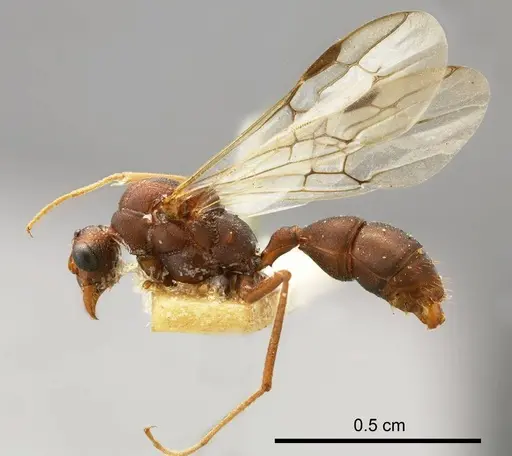
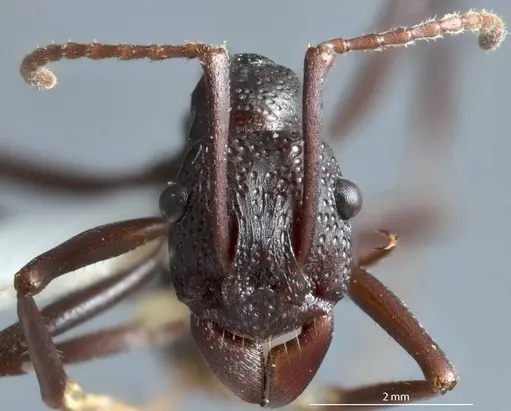
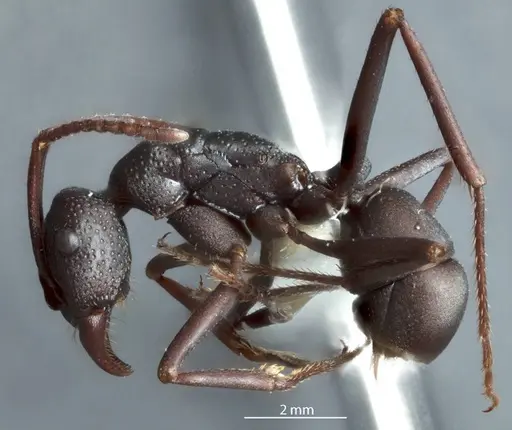
Rhytidoponera levior is a medium-sized ant from coastal Western Australia, found mainly around Perth and Rottnest Island . Workers are dark and have a densely reticulate (net-like) body texture, with small punctures on the head and thorax. They look very similar to Rhytidoponera punctata but are darker, with eyes set further from the occiput and more rounded occipital angles . Their nests are crater-shaped mounds in sandy, sun-exposed coastal areas .
Quick Summary
- Difficulty: Medium
- Origin & Habitat: Coastal Western Australia, primarily the Perth metropolitan area and Rottnest Island [1]. They are found in sandy soils in open, sunny coastal habitats.
- Colony Type: Colony structure has not been specifically documented. Based on typical Rhytidoponera patterns, they are likely monogyne (single-queen colonies), but this is unconfirmed.
- Size & Growth:
- Queen: ~8-10 mm (estimated from genus Rhytidoponera patterns, no direct measurements available)
- Worker: ~6-8 mm (estimated from genus patterns, no TL data in literature)
- Colony: Size unknown, no data from literature. Based on genus patterns, likely up to a few hundred workers.
- Growth: Unknown, no specific data for this species.
- Development: Estimated 8-12 weeks based on related Ectatomminae species at optimal temperatures, but this has not been confirmed for Rhytidoponera levior. (Development timeline not documented for this species, the estimate is a rough guide.)
- Antkeeping:
- Temperature: Keep at 22-26°C to match their warm coastal habitat. A heating cable on one side of the nest creates a useful gradient. Avoid temperatures below 10°C or above 30°C. These are general recommendations, as optimal conditions for this species have not been studied.
- Humidity: Moderate, keep the nest substrate slightly moist but not wet. These ants come from a relatively dry coastal climate, so avoid high humidity.
- Diapause: Likely requires a mild winter rest period (roughly 2-3 months at 10-15°C) based on their temperate Australian origin, but this has not been confirmed. Monitor colony activity in winter.
- Nesting: Naturalistic setups with dry to slightly moist sandy soil work well. Y-tong or plaster nests with chambers sized for 6-8 mm workers are suitable. In the wild they build crater entrances, so providing a soil area where they can dig is beneficial [2].
- Behavior: Workers possess a functional sting and will defend the nest if disturbed (typical of Ectatomminae). They are not known as strong climbers, but standard escape prevention measures are still recommended. Their temperament in captivity is not well documented, handle with caution.
- Common Issues: founding behavior is unconfirmed, likely claustral based on genus patterns, but may be difficult, sting is painful, handle with care and use appropriate protection, winter rest requirements unclear, this may confuse keepers unfamiliar with seasonal slowdowns, limited availability in the hobby, few suppliers carry this species
Housing and Nest Setup
These ants prefer naturalistic setups that mimic their coastal Western Australian habitat. Use a mix of sandy soil and some organic material as substrate, kept relatively dry (moist but not wet). In the wild they build distinctive crater-shaped nest entrances, so providing a soil area where they can construct these structures is beneficial [2]. Y-tong (AAC) or plaster nests with chambers sized for 6-8 mm workers work well. Ensure the nest has chambers that are not too large, as they may feel insecure. A water reservoir can help maintain slight moisture without over-wetting. The outworld should provide space for foraging and a clean area for waste.
Feeding and Diet
Like other Rhytidoponera, they are opportunistic predators and scavengers. Offer small live prey such as fruit flies, small crickets, and mealworms. They will also accept protein-rich foods like boiled egg, chicken, or fish. Sugar sources (diluted honey or sugar water) can be given occasionally, but protein should form the main diet. Feed every 2-3 days, adjusting based on how much they eat. Remove uneaten prey after 24-48 hours to prevent mold. A varied diet helps colony health, but specific dietary requirements for this species have not been studied.
Temperature and Seasonal Care
Maintain temperatures between 22-26°C for best colony health. These ants come from a warm coastal Mediterranean climate, so they prefer heat but not extreme temperatures. Use a heating cable on one side of the nest to create a gradient. During the Australian winter (June-August), a mild cooling period at 10-15°C for 2-3 months may be beneficial, but this is unconfirmed. If the colony becomes sluggish and clusters, lower the temperature slightly. Avoid temperatures below 10°C or above 30°C. These recommendations are based on general climate data for the species' range [1].
Handling and Defense
Rhytidoponera levior workers have a functional sting and will use it if they feel threatened (typical of Ectatomminae). They are likely to defend their nest vigorously. When working with them, use caution and avoid unnecessary disturbance. For observation, use red film over the enclosure or work during low-light periods. If stung, wash the area with soap and water, those with allergies should seek medical attention. Escape prevention should be standard for medium-sized ants, they are not known as strong climbers, but barrier methods are still advised.
Colony Establishment
Establishing a colony can be challenging because specific founding behavior has not been documented for this species. Based on the genus Rhytidoponera, queens are likely claustral, they seal themselves in a chamber and raise the first brood on stored reserves. Provide a founding setup with moist (not wet) soil in a dark, quiet place. The development time from egg to first worker is not known, but based on related Ectatomminae species, expect about 8-12 weeks under optimal conditions. Do not disturb the founding chamber during this period. Once the first nanitics appear, gradually introduce small prey items. Colony growth is unconfirmed but likely moderate, patience is required. Do not expect large colonies quickly.
Frequently Asked Questions
Is Rhytidoponera levior good for beginners?
This species is rated medium difficulty and may not be ideal for complete beginners. The lack of specific care data and uncertain founding behavior can be challenging. It is better suited for keepers with some experience, especially with poneromorph ants.
Does Rhytidoponera levior have a sting?
Yes, it has a functional sting (typical of Ectatomminae ants) and will use it when threatened. The sting can be painful. Handle with care.
What do Rhytidoponera levior ants eat?
They are predators and scavengers. Offer small live prey like fruit flies, small crickets, and mealworms. They also accept protein sources such as boiled egg or chicken. Sugar water or diluted honey can be given occasionally.
How long does it take for Rhytidoponera levior to raise first workers?
The exact time is unknown, but based on related Ectatomminae species, it is estimated at 8-12 weeks at optimal temperature. This has not been confirmed for Rhytidoponera levior.
Do Rhytidoponera levior ants need hibernation?
Based on their temperate Australian origin, they likely benefit from a mild winter rest period of 2-3 months at 10-15°C, but this has not been directly studied. Monitor the colony, if activity drops in winter, provide a cooler environment. Specific hibernation requirements are unconfirmed.
Can I keep multiple Rhytidoponera levior queens together?
Colony structure is not documented for this species. Based on typical Rhytidoponera patterns, they are likely monogyne (single queen). Combining unrelated queens is not recommended unless pleometrosis has been observed, which it has not for this species.
What temperature should I keep Rhytidoponera levior at?
Keep them at 22-26°C. A heating cable on one side of the nest creates a gradient so the colony can self-regulate. Avoid temperatures below 10°C or above 30°C.
How big do Rhytidoponera levior colonies get?
Colony size has not been specifically documented. Based on genus patterns, colonies likely reach up to a few hundred workers over several years, but this is an estimate.
Where is Rhytidoponera levior found in the wild?
It is native to coastal Western Australia, primarily in the Perth metropolitan area and on Rottnest Island. They nest in sandy soils in open, sunny coastal spots [1][2].
What makes Rhytidoponera levior different from other ants?
It is morphologically very similar to Rhytidoponera punctata, but it is darker and has smaller, more widely spaced punctures on the body [2]. They also build distinctive crater-shaped nest entrances in coastal sandy soils. Their distribution is restricted to southwestern Australia [1].
Report an Issue
The current care sheet is based fully on literature. See inconsistencies, or something that's incorrect? Please , it will be resolved after review from an admin. Contributing to the blogs tab also helps providing information, to make us be able to further improve the caresheets. Thank you for your support!
References

This caresheet is licensed under CC BY-SA 4.0 .
Community Blogs
ANTWEB1008309
View on AntWeb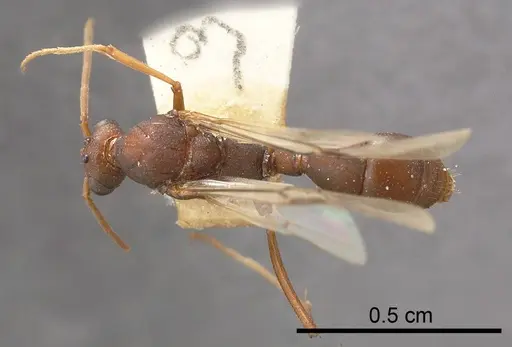
JDM32-002868
View on AntWeb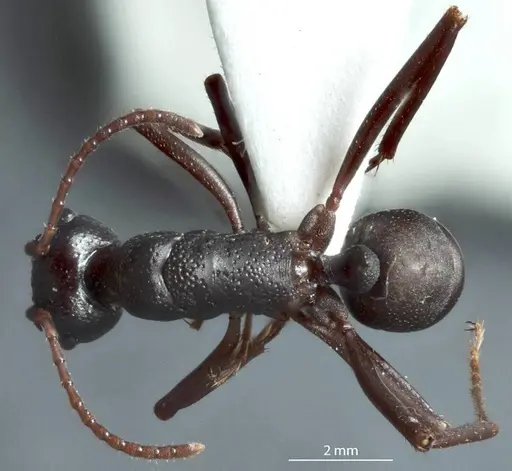
Literature
Loading distribution map...Loading products...