
Rhytidoponera laciniosa
- Sci. Name
- Rhytidoponera laciniosa
- Tribe
- Ectatommini
- Subfamily
- Ectatomminae
- Author
- Viehmeyer, 1912
- Distribution
- Found in 1 countries
Introduction
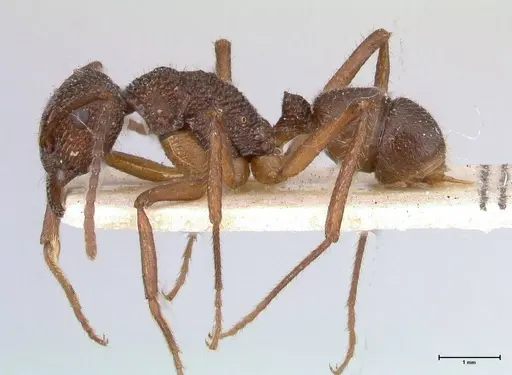
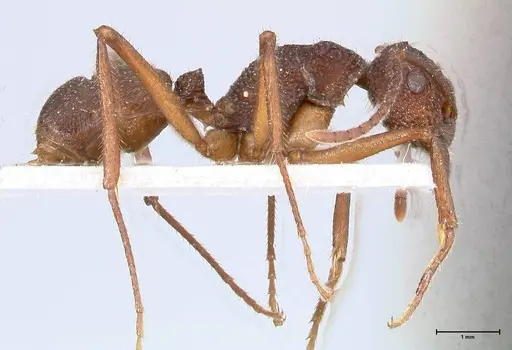
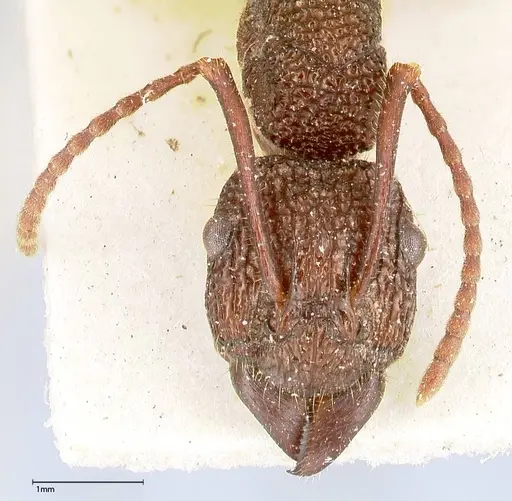
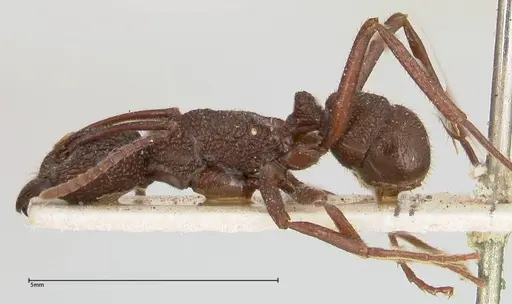
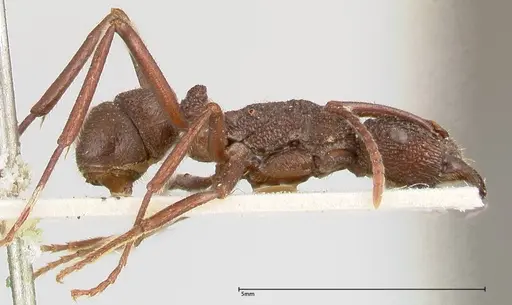
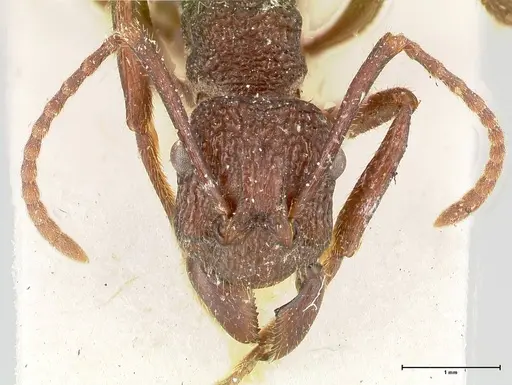
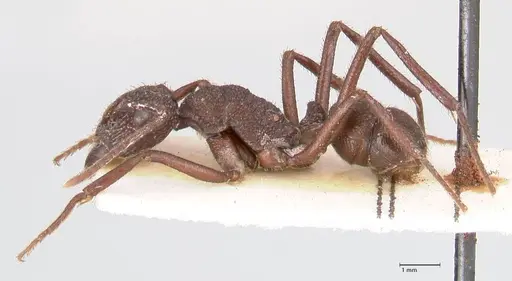
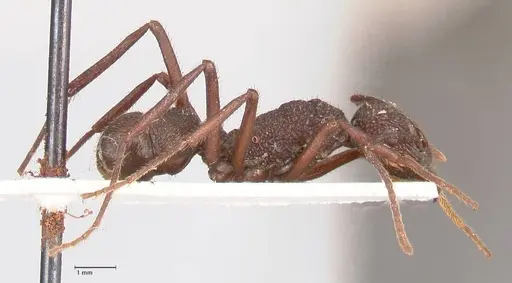
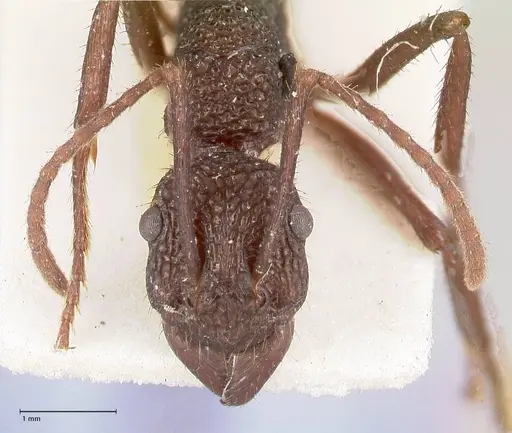
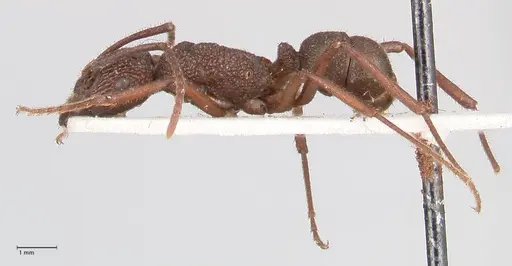
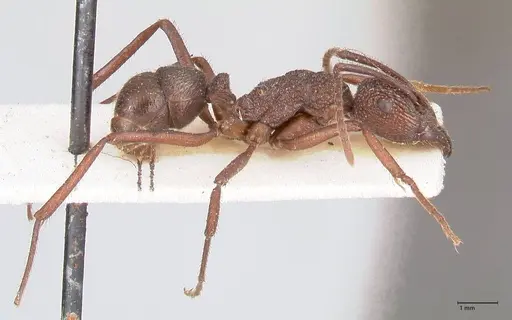
Rhytidoponera laciniosa is a medium-sized ant species endemic to Papua New Guinea, documented from the Torricelli Mountains at approximately 640 meters elevation . The type specimens were collected in 1909 by Dr. O. Schlaginhaufen during a German New Guinea expedition . This species belongs to the subfamily Ectatomminae, a group of ants that are ground-dwelling and predatory. Very little is known about its biology or captive care, and it remains virtually unstudied outside of taxonomy.
Quick Summary
- Difficulty: Unknown (no captive record)
- Origin & Habitat: Papua New Guinea, Torricelli Mountains at 640m elevation, tropical highland forest [1][2]
- Colony Type: Unconfirmed, no data on social structure exists
- Size & Growth:
- Queen: Unconfirmed, no documented measurements
- Worker: Unconfirmed, no documented measurements [1]
- Colony: Unconfirmed, no colony size data available
- Growth: Unknown
- Development: Unconfirmed, no development data available (Development timeline is unknown. Any estimates from related species are speculative.)
- Antkeeping:
- Temperature: Unconfirmed, based on native habitat (tropical Papua New Guinea highlands), likely warm conditions. Start around 24-28°C and adjust based on colony activity.
- Humidity: Unconfirmed, likely requires high humidity typical of tropical mountain forest. Keep substrate consistently moist but not waterlogged.
- Diapause: Unconfirmed, tropical species likely does not require hibernation
- Nesting: Unconfirmed, likely nests in rotting wood or soil. Use naturalistic setups with moist substrate or Y-tong nests with good moisture retention.
- Behavior: Temperament unconfirmed, Rhytidoponera species are typically defensive and may sting (Ectatomminae subfamily has a functional sting). Escape risk moderate, use standard barriers.
- Common Issues: no documented captive husbandry exists, all care is speculative, wild-caught colonies may carry unknown parasites or pathogens with no known treatment, temperature and humidity requirements are unconfirmed, incorrect conditions may cause colony failure, founding behavior is unconfirmed, queens may require specific conditions to establish, diet acceptance is unknown, may need specific live prey
Species Background and Distribution
Rhytidoponera laciniosa is endemic to Papua New Guinea, specifically documented from the Torricelli Mountains at approximately 640 meters elevation [1][2]. The original type specimens were collected in September 1909 by Dr. O. Schlaginhaufen during the German colonial period (Deutsch Neuguinea) [1]. This species was originally described by Viehmeyer in 1912,with a synonym (Rhytidoponera laciniosa) later determined to be the same species by Wilson in 1958 [1]. The genus Rhytidoponera contains numerous species distributed throughout Australasia, with the highest diversity in New Guinea and surrounding regions. This species remains poorly documented in both scientific literature and antkeeping hobby circles.
Taxonomy and Classification
Rhytidoponera laciniosa belongs to the subfamily Ectatomminae, tribe Ectatommini [1][2]. This subfamily was formerly considered part of the Ponerinae and contains ants that are ground-dwelling and predatory. The genus Rhytidoponera is one of the more diverse ant genera in the Australasian region, with many species still undescribed or poorly studied. The species was originally described based on distinctive morphological features, though the original description provides limited morphometric details [1].
Inferred Care Requirements
No captive husbandry information exists for this species. Based on its origin in the Torricelli Mountains of Papua New Guinea, it likely requires warm (24-28°C) and humid conditions typical of tropical highland forests. The genus Rhytidoponera contains species that are predatory or omnivorous, so live prey (small crickets, fruit flies, mealworms) should form the core of their diet. You can also test acceptance of sugar sources like honey water. A naturalistic setup with moist substrate is recommended, either in a test tube setup for founding or a Y-tong/soil nest for larger colonies. All care advice here is speculative, start conservatively and adjust based on colony behavior.
Frequently Asked Questions
How do I care for Rhytidoponera laciniosa ants?
Care requirements are unconfirmed for this species. Based on its Papua New Guinea origin [2], start with warm temperatures (24-28°C), high humidity, and a diet of small live prey. This species has no established captive history, so expect experimentation.
What do Rhytidoponera laciniosa ants eat?
Diet is unconfirmed. Based on related Ectatomminae ants, they are likely predatory or omnivorous. Offer small live invertebrates (fruit flies, springtails, small crickets) and test acceptance of sugar sources like honey water.
What size do Rhytidoponera laciniosa workers reach?
Worker size is unconfirmed, the original description provides no total length data [1].
Do Rhytidoponera laciniosa ants sting?
Stinging behavior is unconfirmed for this specific species. However, Ectatomminae ants possess a functional sting and may be defensive. Use standard precautions when handling.
How long does it take for Rhytidoponera laciniosa to develop from egg to worker?
Development timeline is unconfirmed, no data exists for this species.
Can beginners keep Rhytidoponera laciniosa?
This species is not recommended for beginners due to the complete lack of captive husbandry information. The difficulty level is unknown, and established species with documented care requirements would be more appropriate.
What temperature do Rhytidoponera laciniosa ants need?
Temperature requirements are unconfirmed. Infer warm tropical conditions from native habitat, start around 24-28°C and adjust based on colony activity.
Where is Rhytidoponera laciniosa found?
This species is endemic to Papua New Guinea, specifically documented from the Torricelli Mountains at approximately 640 meters elevation [1][2].
How big do Rhytidoponera laciniosa colonies get?
Colony size is unconfirmed, no colony size data exists for this species.
Do Rhytidoponera laciniosa queens need hibernation?
Diapause requirements are unconfirmed. As a tropical species from Papua New Guinea, hibernation is unlikely, though seasonal activity changes may occur.
Report an Issue
The current care sheet is based fully on literature. See inconsistencies, or something that's incorrect? Please , it will be resolved after review from an admin. Contributing to the blogs tab also helps providing information, to make us be able to further improve the caresheets. Thank you for your support!
References

This caresheet is licensed under CC BY-SA 4.0 .
Community Blogs
CASENT0217492
View on AntWeb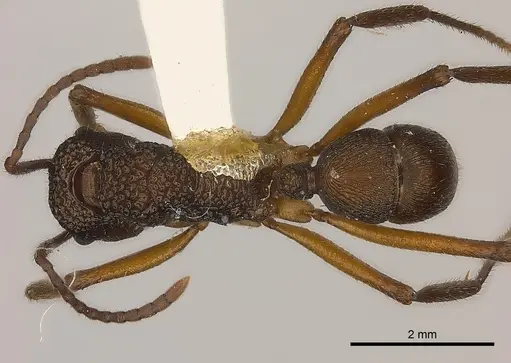
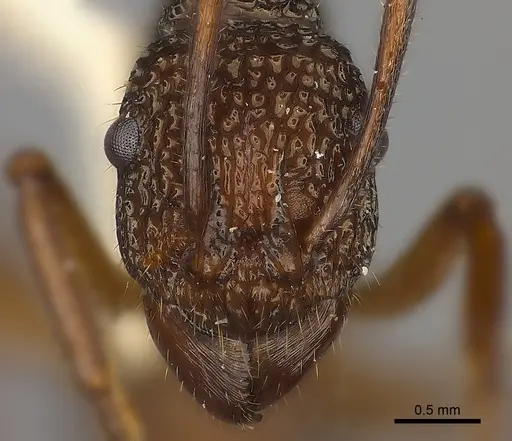
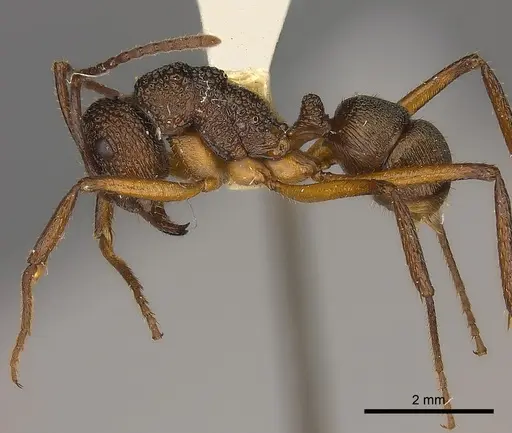
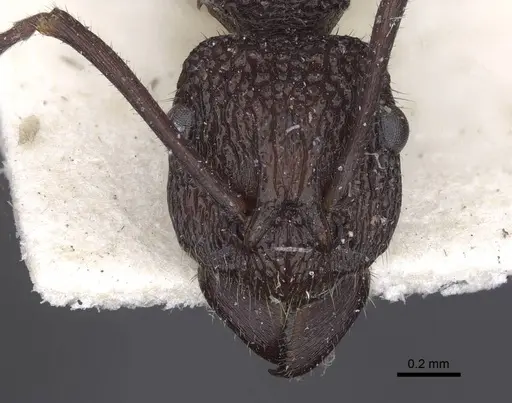
CASENT0281338
View on AntWeb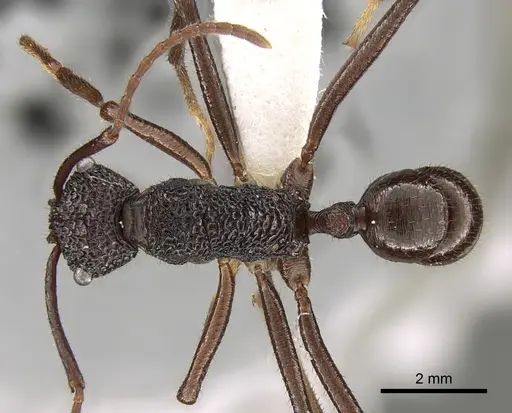
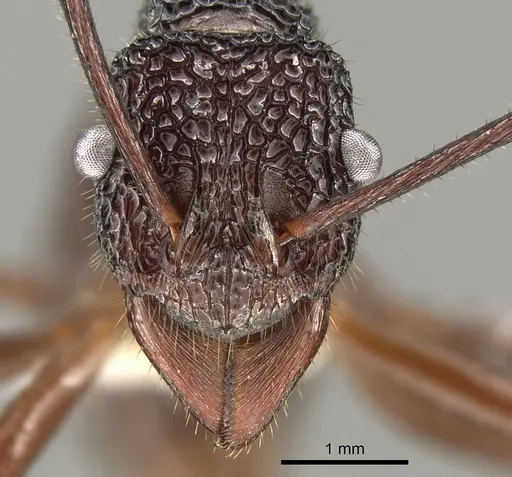
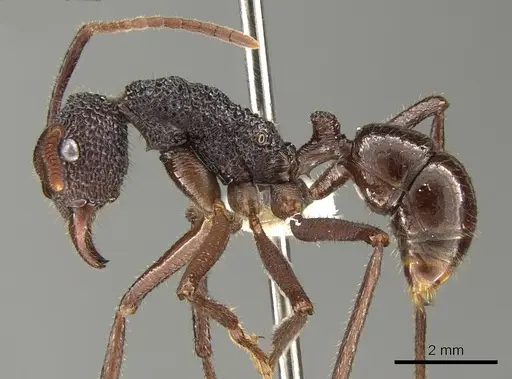
CASENT0905737
View on AntWeb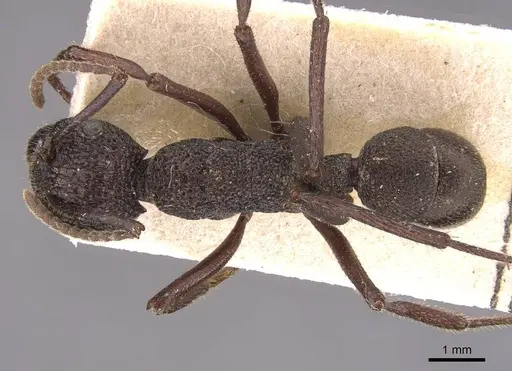
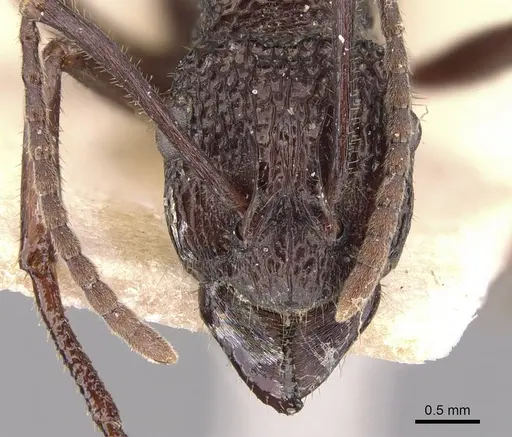
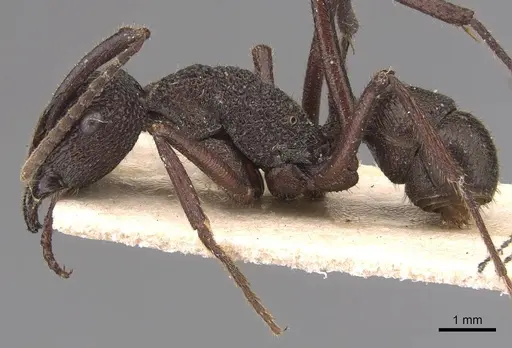
CASENT0915925
View on AntWeb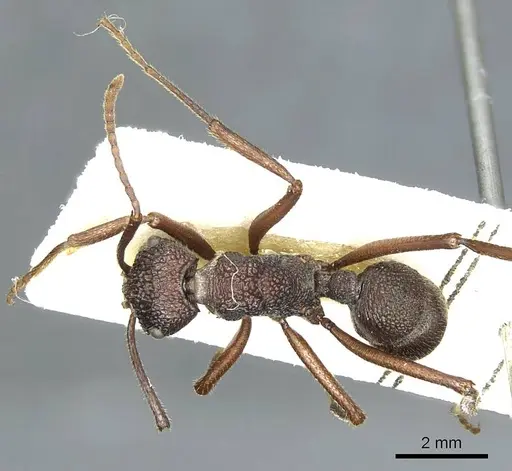
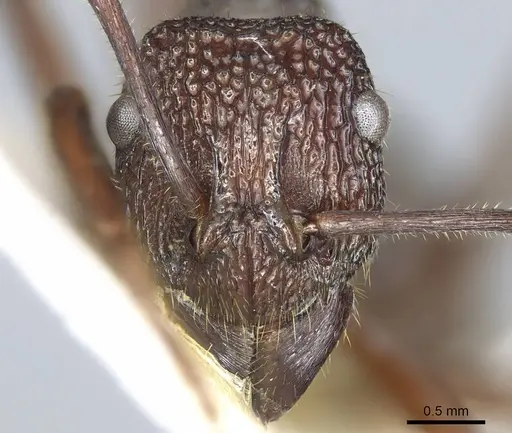
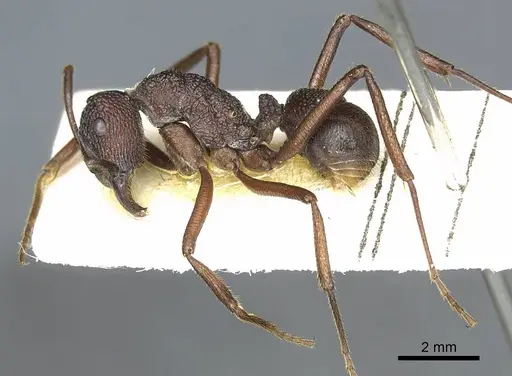
CASENT0916801
View on AntWeb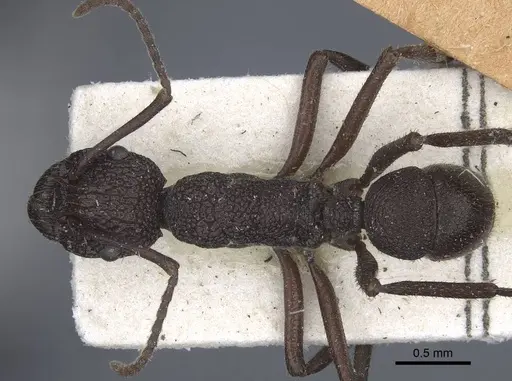
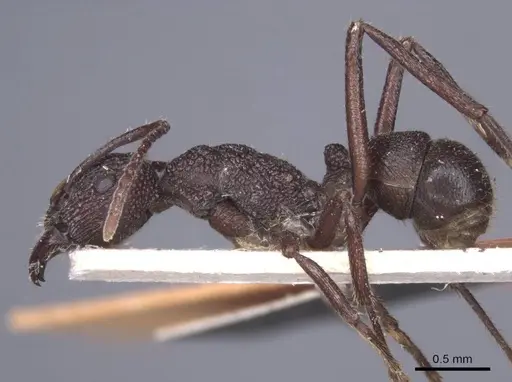
FOCOL0373
View on AntWeb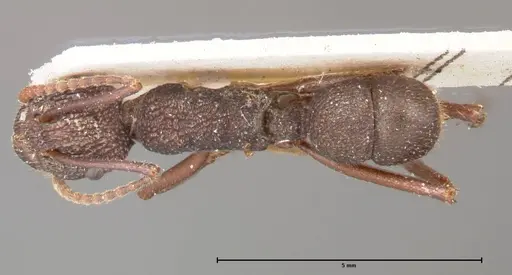
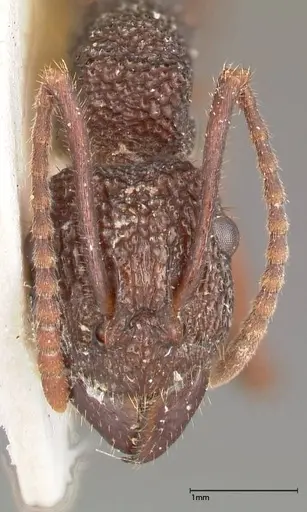
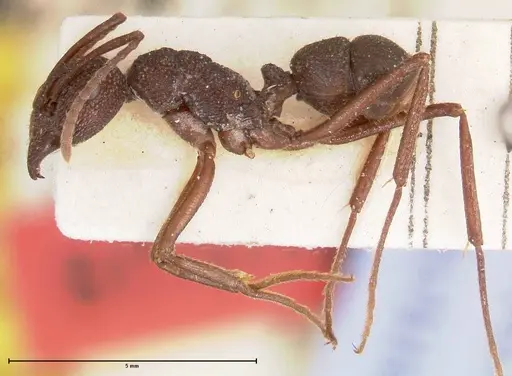
FOCOL0374
View on AntWeb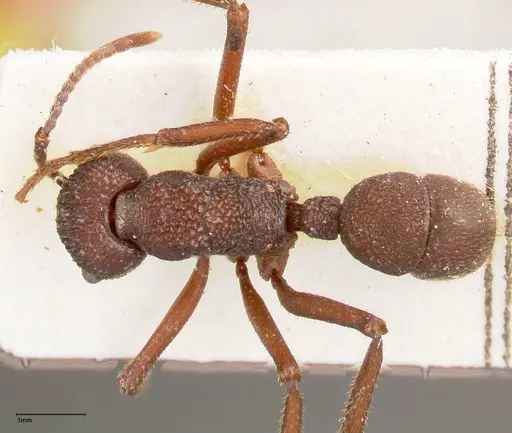
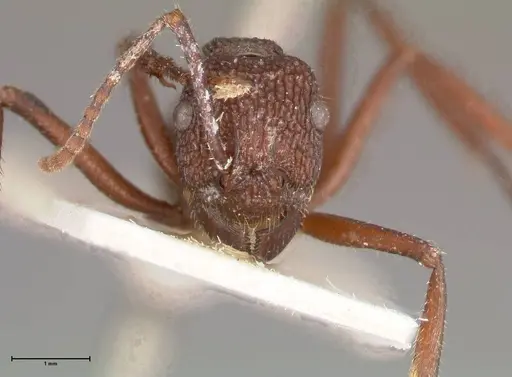
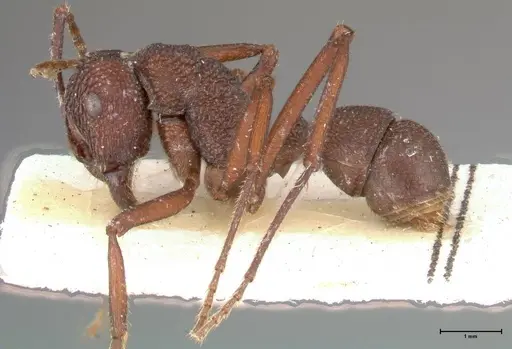
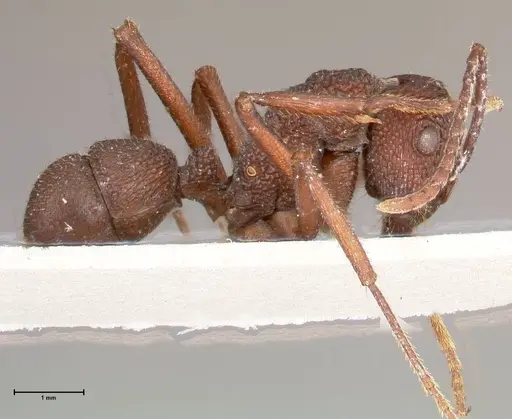
FOCOL0390
View on AntWeb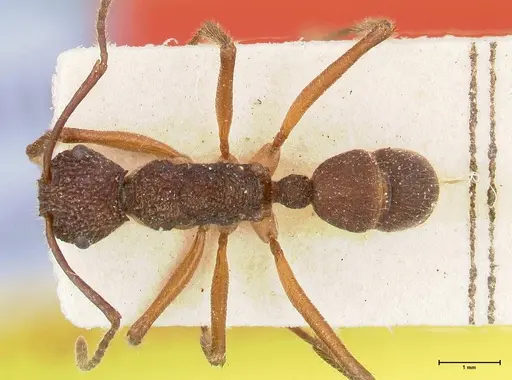
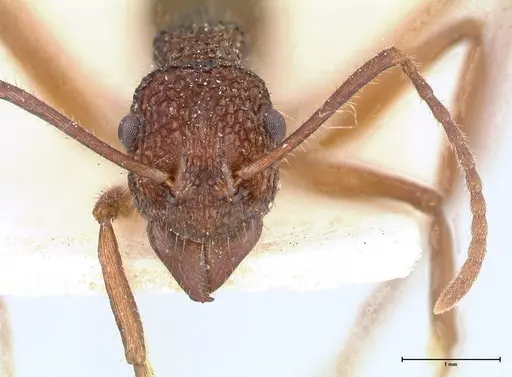
FOCOL0397
View on AntWeb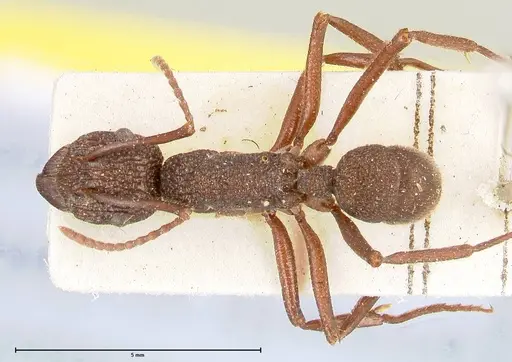
FOCOL0398
View on AntWeb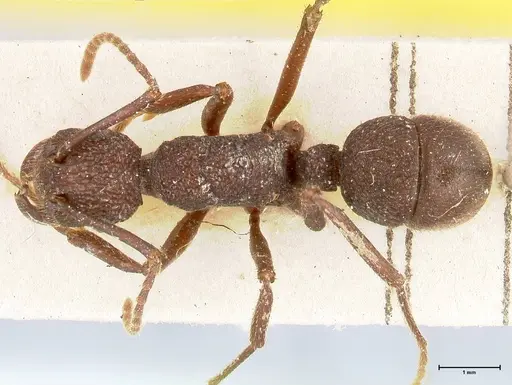
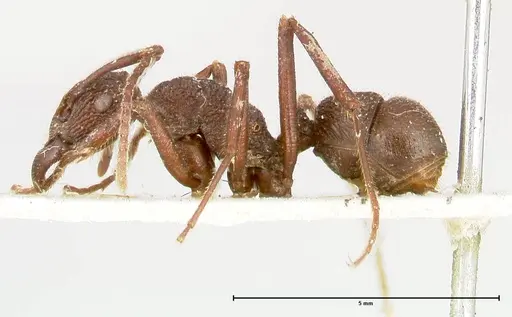
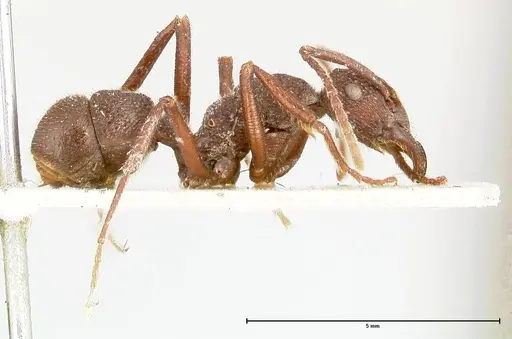
FOCOL0399
View on AntWeb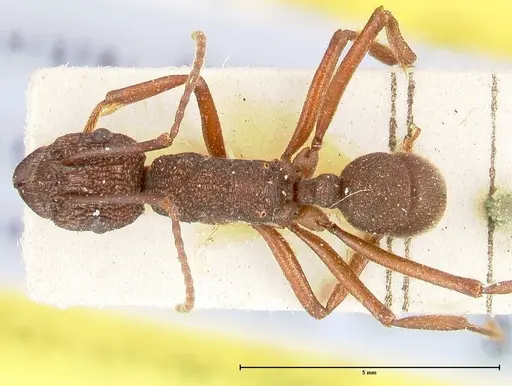
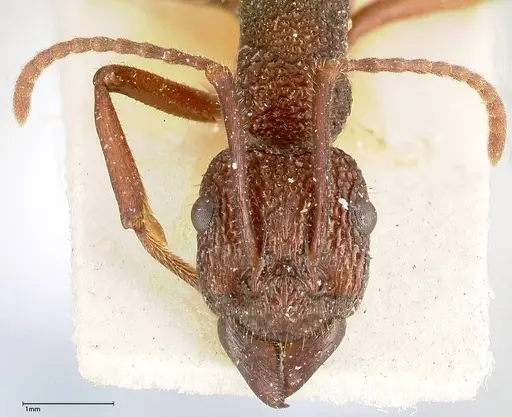
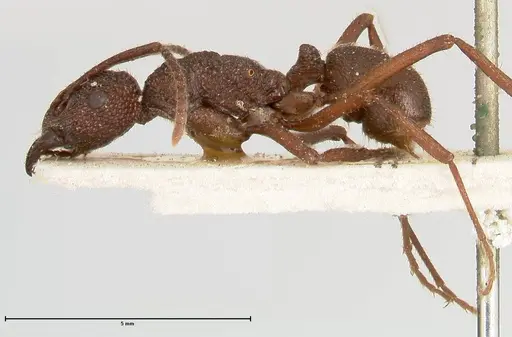
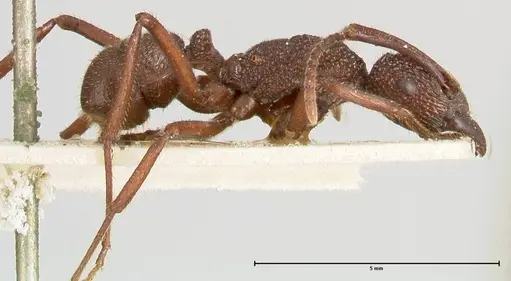
FOCOL0400
View on AntWeb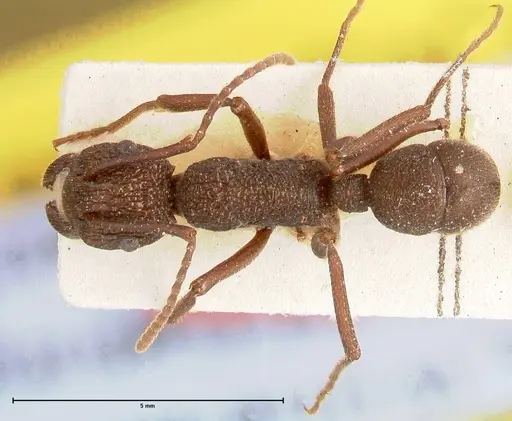
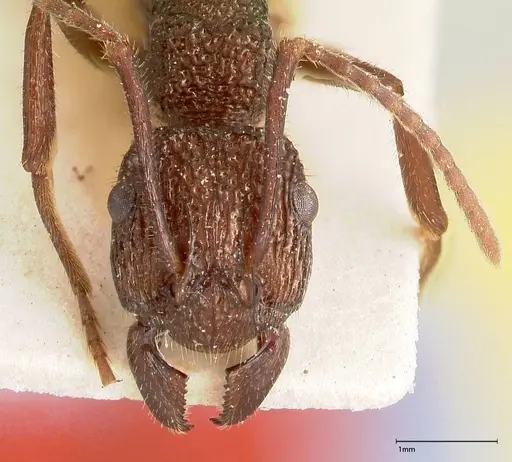
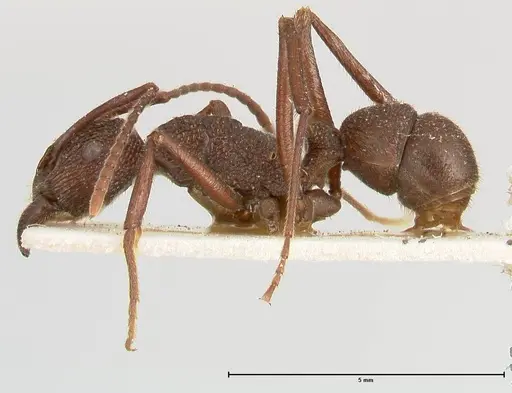
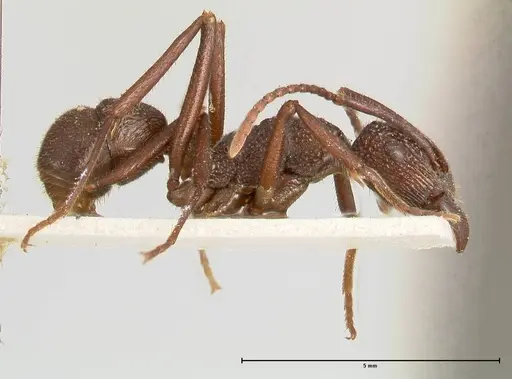
FOCOL0895
View on AntWeb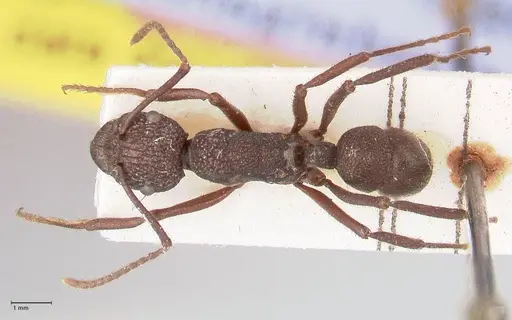
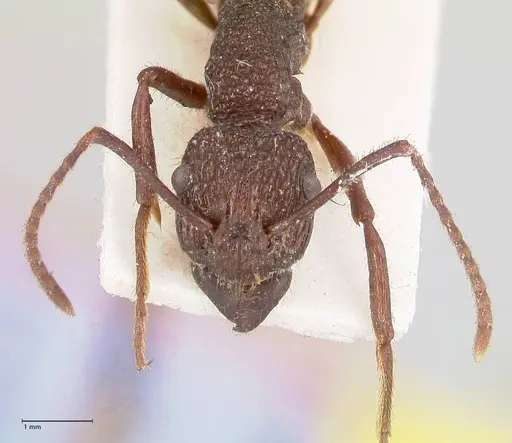
FOCOL0896
View on AntWeb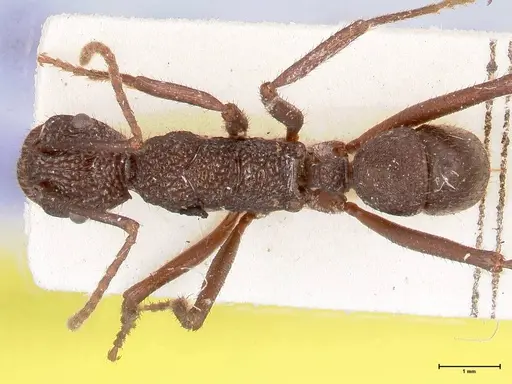
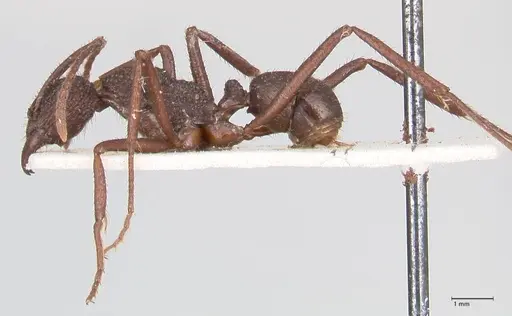
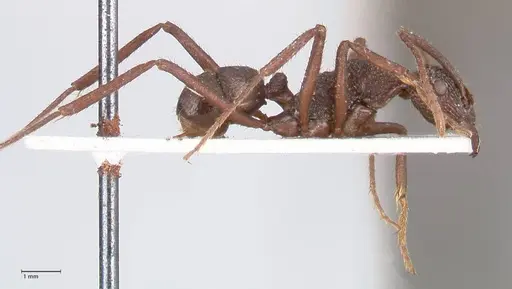
FOCOL0897
View on AntWeb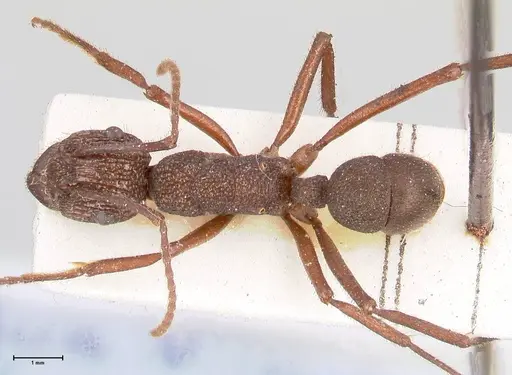
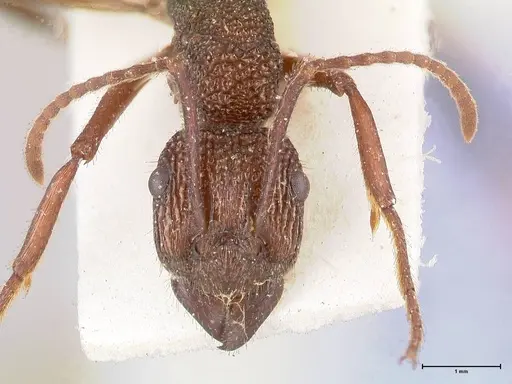
Literature
Loading distribution map...Loading products...