
Rhytidoponera dubia
- Sci. Name
- Rhytidoponera dubia
- Tribe
- Ectatommini
- Subfamily
- Ectatomminae
- Author
- Crawley, 1915
- Distribution
- Found in 1 countries
Introduction
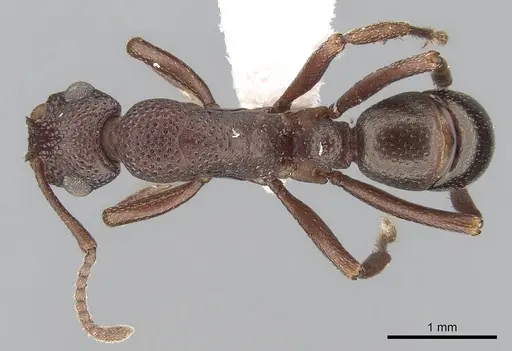
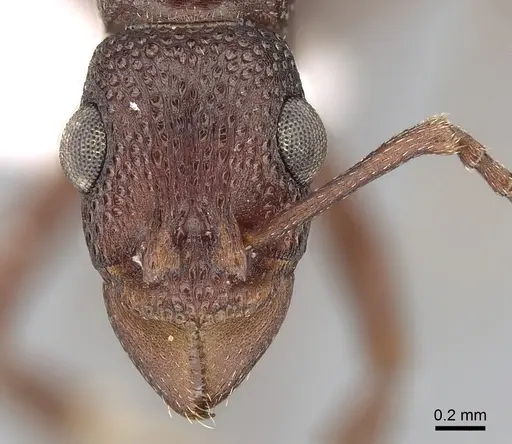
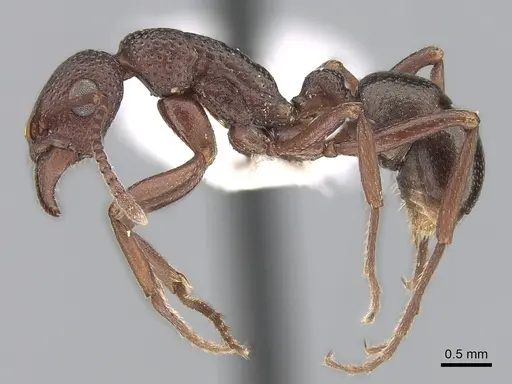
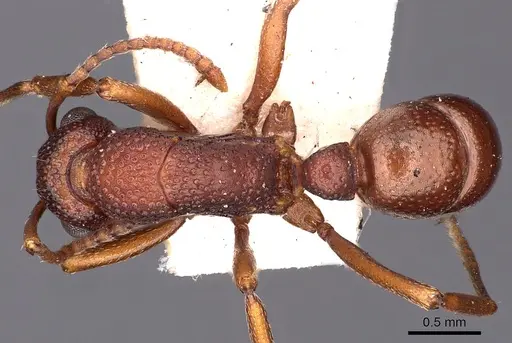
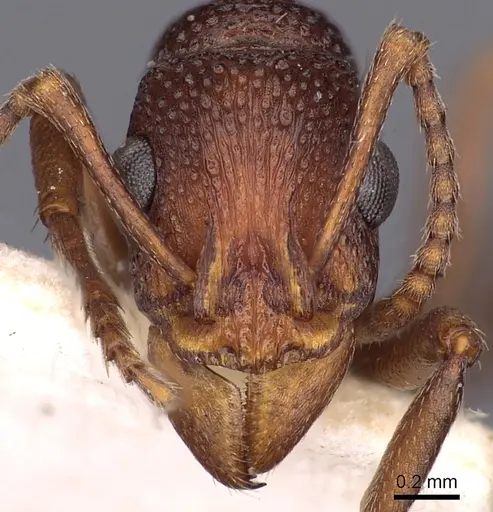
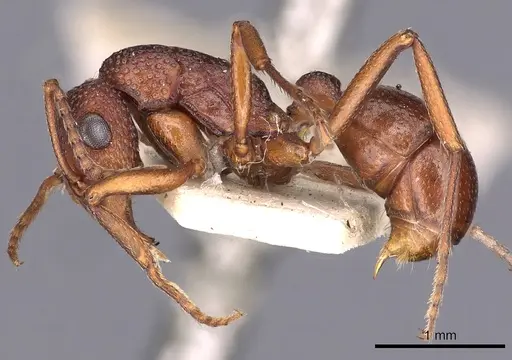
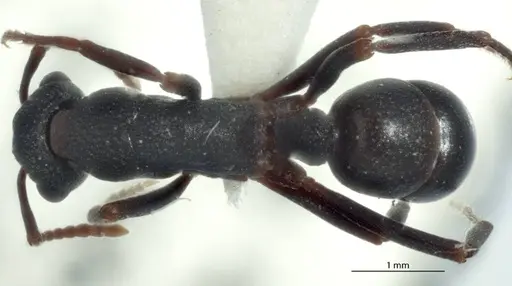
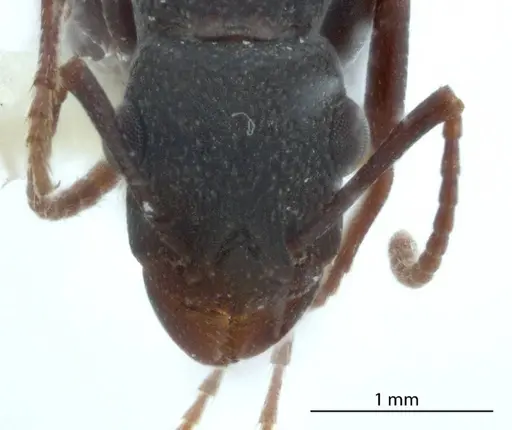
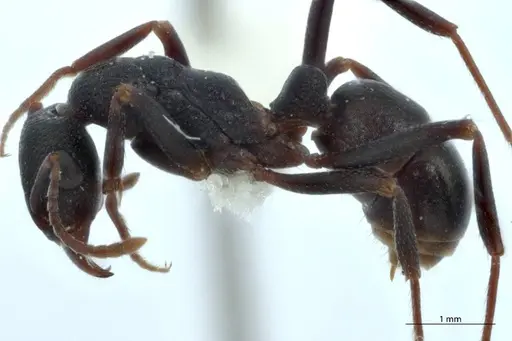
Rhytidoponera dubia is a small to medium-sized ant native to northern Australia. Workers are about 5-8mm long (inferred from the Rhytidoponera genus). They belong to the subfamily Ectatomminae, which means they possess a functional sting used for hunting and defense. This species was described by Crawley in 1915 from specimens collected in the Northern Territory . These ants are restricted to the Top End and northern Victoria River District of the Northern Territory, where they typically forage on low vegetation rather than the ground . Like other Rhytidoponera species, they are likely predatory hunters that capture small invertebrates. The limited distribution makes them an uncommon find in the antkeeping hobby.
Quick Summary
- Difficulty: Medium
- Origin & Habitat: Northern Australia (Northern Territory: Top End and Victoria River District). Found in tropical savanna habitats, typically foraging on low vegetation [2][1].
- Colony Type: Not confirmed for this species. Based on typical Rhytidoponera patterns, they are likely monogyne (single queen), but this has not been documented.
- Size & Growth:
- Queen: Size data unavailable
- Worker: Approximately 5-8mm (inferred from the Rhytidoponera genus)
- Colony: Not documented. Related Rhytidoponera species often reach up to several hundred workers.
- Growth: Unknown – likely moderate based on genus patterns
- Development: Unknown – no published data (Development time has not been studied for this species.)
- Antkeeping:
- Temperature: Based on its tropical origin, keep the colony at 24-28°C. A temperature gradient (warm one end, cooler the other) helps ants self-regulate.
- Humidity: Keep the nest substrate consistently moist but not waterlogged. High humidity is typical for tropical species.
- Diapause: Unknown. As a tropical species, true hibernation is unlikely, but some seasonal slowing may occur. Avoid drastic temperature drops.
- Nesting: Likely nests in soil or under objects in shaded spots. In captivity, a naturalistic setup with moist substrate or a Y-tong/plaster nest works well. Provide multiple chambers for brood sorting.
- Behavior: These ants are active predators, likely hunting small invertebrates. They have a functional sting and may use it defensively – related species can deliver a painful sting. Workers are probably moderately defensive when the colony is disturbed. Escape prevention is standard, they are not especially small or agile climbers.
- Common Issues: sting can be painful – take care during handling, limited distribution makes wild colonies hard to obtain, temperature drops below 20°C may slow colony development, humidity control is important – too dry harms brood, too wet causes mold, constant protein prey needed – they cannot survive on sugars alone
Temperature and Heating
As a species from Australia's tropical Top End, Rhytidoponera dubia needs warmth to stay active. Keep the nest at 24-28°C. A heating cable on one side creates a useful gradient, letting ants choose their preferred spot. Avoid temperatures below 20°C for long periods, as this can slow growth. Most keepers will need heating, even in warm rooms [2].
Feeding and Diet
Rhytidoponera dubia is a predator that hunts small invertebrates. Provide protein-rich prey like small crickets, fruit flies, or mealworms regularly. Sugar water or honey may be accepted occasionally, but don't rely on it. Always offer fresh water and remove uneaten prey after 24-48 hours to prevent mold.
Nesting and Habitat
In the wild, this species likely nests in soil or under rocks in shaded areas. It has been observed foraging on low vegetation [2]. For captive nests, use moist substrate (e.g., soil-sand mix) in a Y-tong, plaster, or 3D-printed nest. Provide several connected chambers and keep the substrate damp but not waterlogged.
Defense and Handling
Rhytidoponera dubia belongs to the subfamily Ectatomminae, which has a functional sting. The sting can be painful – related species are known for it. When moving the colony or doing maintenance, work gently and avoid sudden disturbances. Standard barriers work for escape prevention.
Seasonal Care
The Top End has a wet season (November-April) and a dry season (May-October). While specific seasonal needs aren't known, you may see reduced activity during cooler months. Keep temperatures warm year-round, but you could slightly reduce feeding frequency if the colony slows down. Avoid full hibernation.
Frequently Asked Questions
Does Rhytidoponera dubia have a sting?
Yes, it belongs to the subfamily Ectatomminae, which has a functional sting. The sting is reported as painful in related species, so handle with care.
What do Rhytidoponera dubia ants eat?
They are predatory and need small invertebrates like crickets, fruit flies, and mealworms. Offer protein regularly. Sugar water is accepted occasionally but isn't a main food.
How long does it take for Rhytidoponera dubia to develop from egg to worker?
No specific data exists for this species. Development time is unknown.
Can I keep multiple queens together in a Rhytidoponera dubia colony?
It's not recommended. Colony structure is unconfirmed, but most Rhytidoponera species are monogyne (single queen). Combining unrelated queens usually leads to fighting.
What temperature do Rhytidoponera dubia ants need?
Keep them at 24-28°C. They come from a tropical climate and need consistent warmth. A heating cable on one side of the nest works well [2].
Is Rhytidoponera dubia a good beginner species?
Medium difficulty. The need for warm temperatures, a protein-rich diet, and the ability to sting make it better for keepers with some experience.
How big do Rhytidoponera dubia colonies get?
Maximum colony size isn't documented. Based on related species, colonies likely reach several hundred workers at maturity.
Do Rhytidoponera dubia ants need hibernation?
No true hibernation needed, as they are tropical. You may see reduced activity in cooler months, but keep temperatures above 20°C year-round.
What humidity level do Rhytidoponera dubia ants need?
Aim for moist substrate without waterlogging. High humidity (around 60-80%) suits their tropical origin.
Where is Rhytidoponera dubia found in the wild?
Only in the Top End and northern Victoria River District of Australia's Northern Territory, foraging on low vegetation in tropical savanna [2].
When will my Rhytidoponera dubia colony produce alates (reproductives)?
No data is available for this species. In related Rhytidoponera, alates usually appear in mature colonies (300+ workers) and likely emerge during warm, wet months.
Report an Issue
The current care sheet is based fully on literature. See inconsistencies, or something that's incorrect? Please , it will be resolved after review from an admin. Contributing to the blogs tab also helps providing information, to make us be able to further improve the caresheets. Thank you for your support!
References

This caresheet is licensed under CC BY-SA 4.0 .
Community Blogs
Literature
Loading distribution map...Loading products...