
Rhytidoponera depilis
- Sci. Name
- Rhytidoponera depilis
- Tribe
- Ectatommini
- Subfamily
- Ectatomminae
- Author
- Ward, 1984
- Distribution
- Found in 1 countries
Introduction
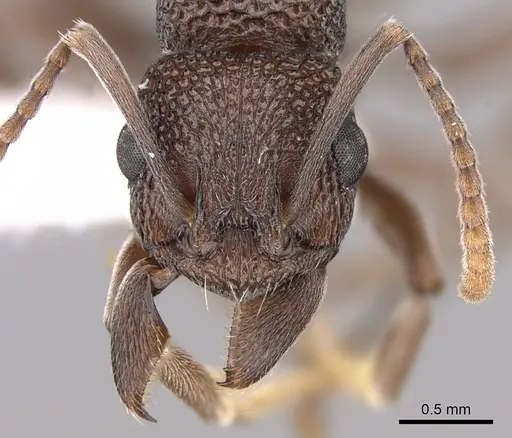
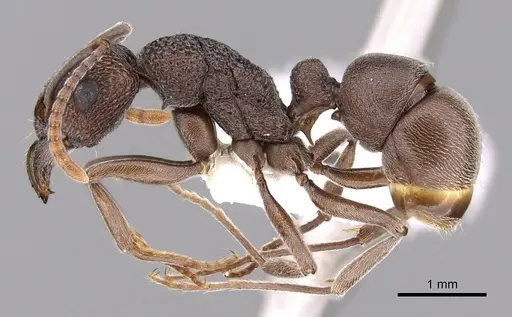
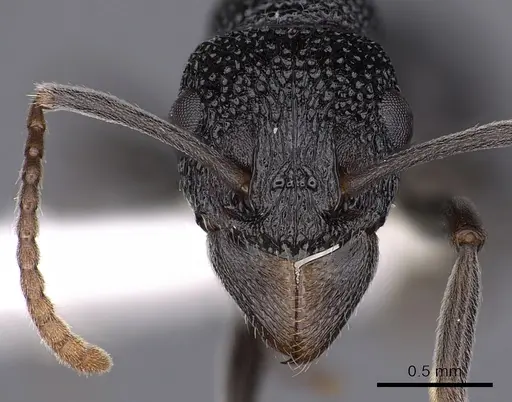
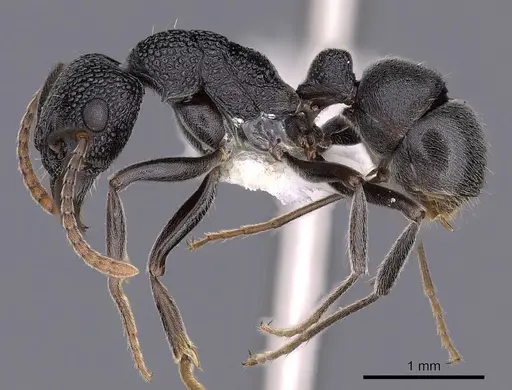
Rhytidoponera depilis is an ant species recorded from New Caledonia . Workers are medium-sized ectatommine ants with a robust build and a functional stinger. The genus Rhytidoponera often has metallic or iridescent coloration, but the exact appearance of this species is not well documented. It is a predatory ant that hunts small invertebrates, likely in forest undergrowth or leaf litter in its native tropical habitat. Very little specific biological data exists for this species, so most care recommendations are based on genus-level inferences.
Quick Summary
- Difficulty: Hard
- Origin & Habitat: Recorded from New Caledonia (tropical South Pacific) [1]. Habitat preferences have not been described, but likely tropical forest undergrowth, leaf litter, or rotting wood.
- Colony Type: Colony structure is unknown. The genus Rhytidoponera includes species with monogyne and polygyne colonies, as well as species where worker gamergates replace queens. For this species, specific data is lacking.
- Size & Growth:
- Queen: Unknown, estimated from Rhytidoponera genus patterns (typically around 8-12 mm), but no confirmed data for this species.
- Worker: Worker size estimated from genus patterns, commonly 6-10 mm, but no species-specific measurements confirmed.
- Colony: Unknown, maximum colony size unconfirmed, likely modest (several hundred workers) based on related species if kept optimally.
- Growth: Unknown, slow to moderate based on related ectatommine species, patience required.
- Development: Unknown, no data available for this species. Estimate 8-12 weeks at 25-28°C based on related ectatommine ants. (Development time is an estimate from related species and may vary.)
- Antkeeping:
- Temperature: Unknown, likely requires warm conditions (24-28°C) as a tropical species, but no specific data. Provide a temperature gradient with a heating cable.
- Humidity: Unknown, likely moderate to high, given tropical habitat. Keep the nest substrate consistently moist but not waterlogged. Provide a humidity gradient if possible.
- Diapause: Unknown, tropical species likely does not require diapause, but no data confirms this. Avoid cold temperatures below 18°C.
- Nesting: Nesting preferences unknown. The genus Rhytidoponera often nests in soil or rotting wood. Provide a naturalistic setup with deep, moist substrate and a dark chamber.
- Behavior: Workers possess a functional sting and may sting if handled. They are active, individual hunters. Escape risk is moderate for medium-sized ants, use fluon or tight seals.
- Common Issues: very limited species-specific information, care is based on genus-level inferences, stinger inflicts painful stings, handle with caution and use tools, requires a constant supply of live invertebrate prey, unknown temperature and humidity requirements, monitor carefully, colony growth is expected to be slow compared to common species
Housing and Nest Setup
Provide a naturalistic setup that mimics a tropical forest floor. A Y-tong (AAC) nest or plaster nest with good moisture retention works well. These ants likely prefer darkness, so use an opaque cover over the nest. The outworld should be at least 20x20 cm to allow hunting. Since they are active foragers, include some leaf litter or bark. Escape prevention is important, apply fluon or use tight-fitting lids. Avoid acrylic nests as they are not suitable for this genus.
Feeding and Diet
As predatory ectatommine ants, Rhytidoponera depilis requires live invertebrate prey as the main food source. Offer small insects such as fruit flies, pinhead crickets, mealworms, or small cockroaches. Prey should be small enough for workers to subdue by stinging. Feed every 2-3 days, removing uneaten prey to prevent mold. Sugar water or honey may be accepted occasionally but should not be the primary nutrition. Always provide fresh water in a shallow dish or test tube.
Temperature and Heating
Being a tropical species from New Caledonia, these ants likely need warm temperatures between 24-28°C for optimal activity and brood development. Use a heating cable or mat on one side of the nest to create a gradient. Monitor with a thermometer. Room temperature alone is usually insufficient. If temperatures drop below 20°C, activity and growth will slow significantly. Never place heating directly under water sources to avoid rapid evaporation.
Humidity and Water
Maintain moderate to high humidity in the nest. The substrate should be consistently moist but never waterlogged. A test tube water tower (water with a cotton plug) can provide moisture for Y-tong nests. Check water levels weekly. Mist the outworld lightly if needed, but allow it to dry between mistings. Avoid wet-dry cycles, aim for steady moisture. Standing water in the nest can drown the colony.
Handling and Safety
Rhytidoponera depilis has a functional stinger and will defend the nest vigorously if disturbed. Workers may sting if handled directly. Always use tools (forceps, soft brush) when working with the colony. If stung, wash the area with soap and water, the pain is sharp but temporary. People with insect venom allergies should take extra precautions. Move slowly and avoid sudden vibrations to minimize defensive responses.
Colony Growth Expectations
Because the biology of this species is largely unknown, colony growth expectations are based on related ectatommine ants. The first workers may appear 8-12 weeks after founding, but this is an estimate. Colonies grow slowly, after one year, a healthy colony may have only 10-30 workers. Full maturity with several hundred workers could take 2-3 years or longer. Disturb the colony as little as possible and avoid overfeeding. Patience is essential.
Frequently Asked Questions
How long does it take for Rhytidoponera depilis to produce first workers?
This is unknown for this species. Based on related ectatommine ants, the first workers (nanitics) may emerge approximately 8-12 weeks after the queen (or gamergate) begins laying eggs, assuming temperatures around 25-28°C. This is an estimate and could vary significantly.
Do Rhytidoponera depilis ants sting?
Yes, like other ectatommine ants, they possess a functional stinger. They will sting if threatened or the nest is disturbed. The sting is painful, similar to other stinging ants. Handle with caution and use tools.
What do Rhytidoponera depilis eat?
They are predatory and require live invertebrate prey. Suitable prey includes fruit flies, pinhead crickets, mealworms, and small roaches. They typically do not accept dead or processed food. Offer every 2-3 days and remove leftovers to prevent mold.
Can I keep multiple queens together?
This has not been documented for this species. The colony structure is unknown, it could be monogyne, polygyne, or gamergate-based. It is not recommended to combine founding queens, as they may fight. If you suspect a polygyne colony from wild-caught workers, observe carefully before separating.
What temperature do Rhytidoponera depilis need?
The exact requirements are unknown. As a tropical species from New Caledonia, it likely needs warm conditions around 24-28°C. Provide a temperature gradient with a heating cable. Avoid going below 20°C for extended periods.
Are Rhytidoponera depilis good for beginners?
This species is rated as Hard because very little is known about its care. It requires live prey, warm temperatures, and high humidity, and its specific needs are uncertain. It is not recommended for beginners. Experienced keepers who enjoy working with poorly known species may find it challenging but rewarding.
Do Rhytidoponera depilis need hibernation?
Probably not, being a tropical species from New Caledonia, it likely does not require a true diapause. However, this is unconfirmed. If you attempt a cooling period, keep temperatures above 18°C and reduce feeding gradually.
How big do Rhytidoponera depilis colonies get?
The maximum colony size is unknown. Based on related species, colonies may reach several hundred workers at maturity, but this is speculative. Growth is expected to be slow.
Why is my Rhytidoponera depilis colony not growing?
Possible reasons include: temperatures below 24°C (slowing metabolism), insufficient live prey, incorrect humidity, or disturbance. Also, ensure the reproductive individual (queen or gamergate) is present. Since little is known, trial and error may be necessary. Patience is key.
When should I move Rhytidoponera depilis to a formicarium?
Wait until the colony has at least 30-50 workers before moving. These ants prefer stable conditions, so do not rush the transfer. Use a test tube setup for founding. Move only if the current nest is overcrowded or shows mold or contamination.
Report an Issue
The current care sheet is based fully on literature. See inconsistencies, or something that's incorrect? Please , it will be resolved after review from an admin. Contributing to the blogs tab also helps providing information, to make us be able to further improve the caresheets. Thank you for your support!
References

This caresheet is licensed under CC BY-SA 4.0 .
Community Blogs
CASENT0281320
View on AntWeb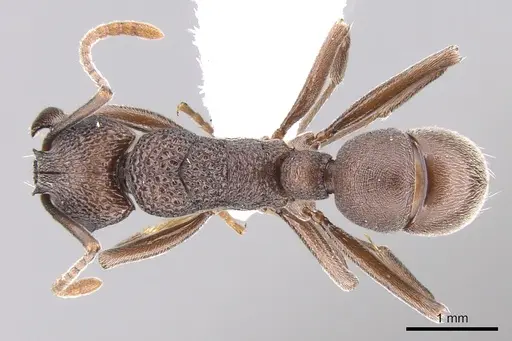
CASENT0900538
View on AntWeb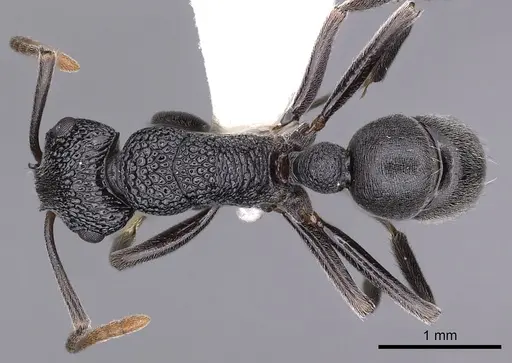
Literature
Loading distribution map...Loading products...