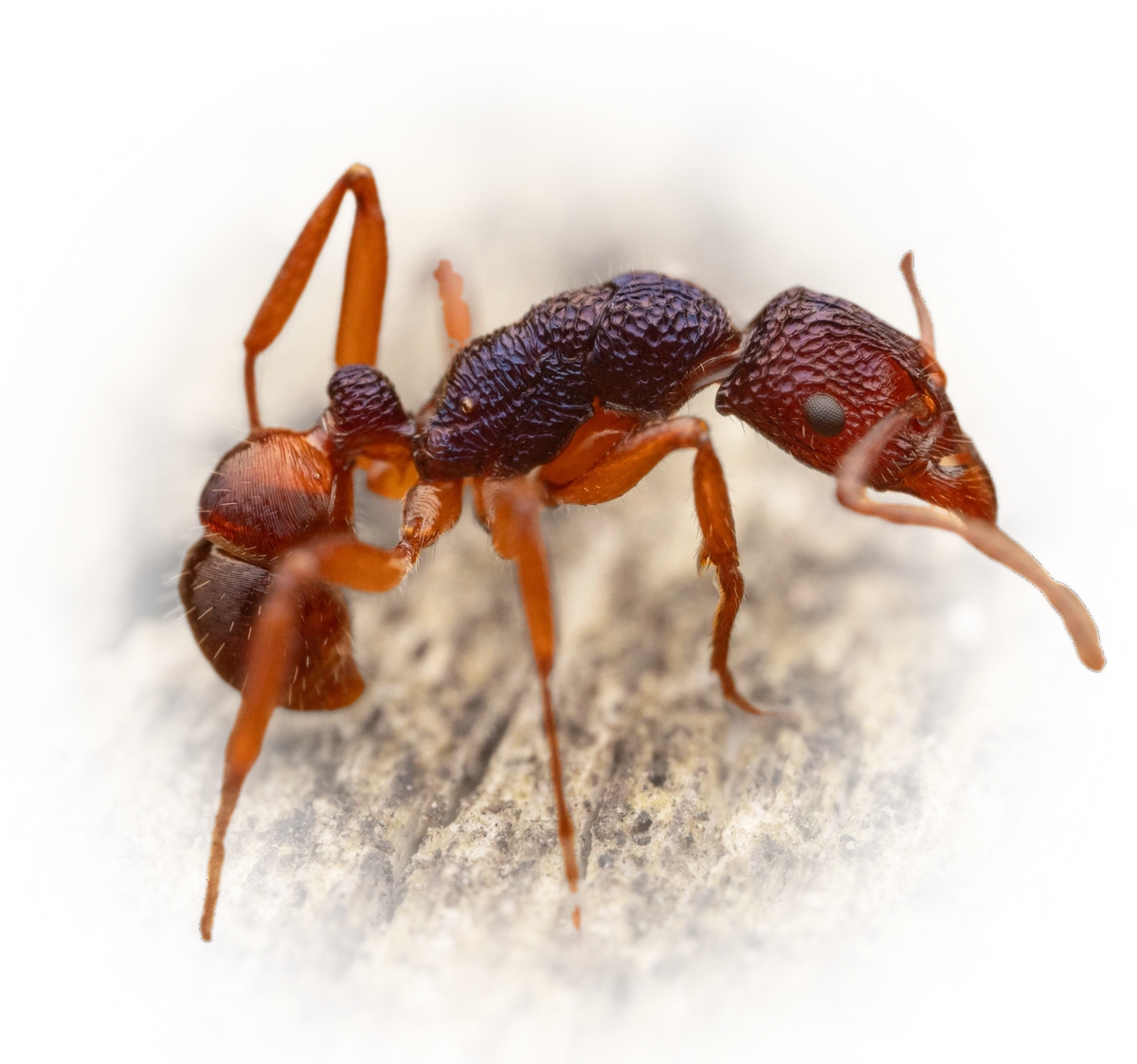
Rhytidoponera croesus
- Sci. Name
- Rhytidoponera croesus
- Tribe
- Ectatommini
- Subfamily
- Ectatomminae
- Author
- Emery, 1901
- Distribution
- Found in 1 countries
Introduction
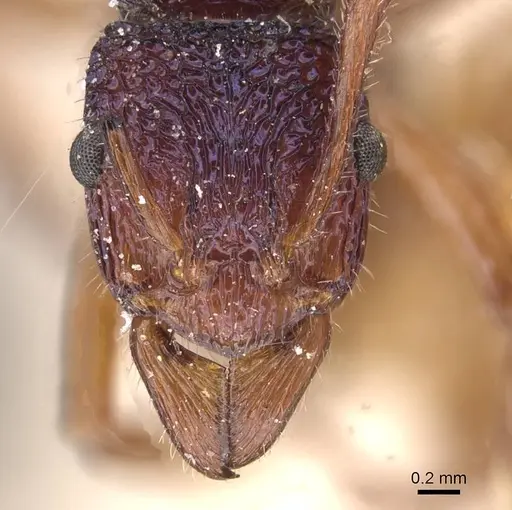
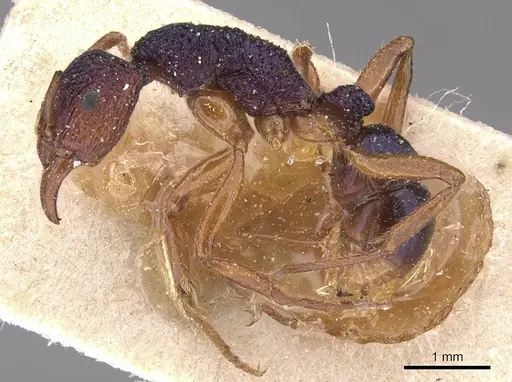
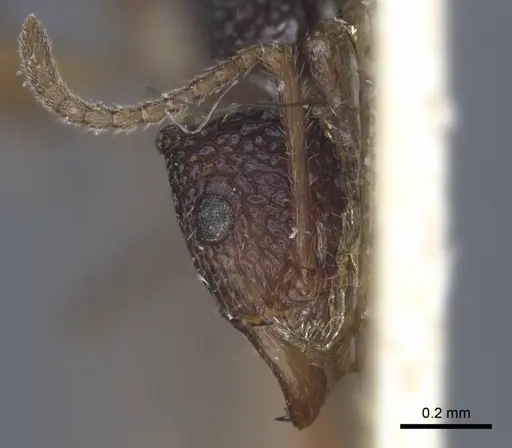
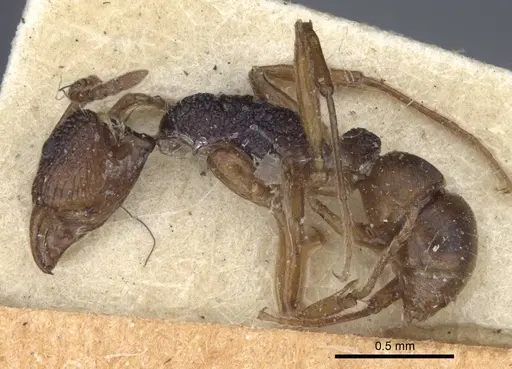
Rhytidoponera croesus is a small to medium-sized Australian ant from New South Wales, best known for its striking metallic copper to bronze coloration . Like other members of the subfamily Ectatomminae, it possesses a functional stinger for defense and hunting. A particularly unusual trait is the colony structure dimorphism documented in this species - colonies can be either single-queen or multi-queen . Unfortunately, very little is known about the natural history or captive care of this species, making it a challenge for antkeepers.
Quick Summary
- Difficulty: Hard
- Origin & Habitat: New South Wales, Australia [3]. Likely inhabits forest and woodland areas typical of the region, but specific habitat data is lacking [1].
- Colony Type: Facultatively polygynous, colonies may be either single-queen (monogyne) or multi-queen (polygyne) [2].
- Size & Growth:
- Queen: Unknown, no published measurements available
- Worker: Unknown, no published measurements available
- Colony: Unknown, no reliable estimate from literature
- Growth: Unknown
- Development: Unknown, species-specific data unavailable (All development timings for this species are unstudied)
- Antkeeping:
- Temperature: Unknown, no research data available. If attempting to keep, start at typical room temperature (20-24°C) and adjust based on colony activity.
- Humidity: Unknown, avoid extremes. Provide a humidity gradient with one moist area and allow ants to choose.
- Diapause: Unknown, New South Wales has mild winters, but no specific dormancy data exists for this species. Observe colony behavior in winter.
- Nesting: Unknown, no documented nest site preferences. Likely nests in soil, under stones, or in rotting wood as common for the genus, but this is unconfirmed.
- Behavior: Possesses a functional stinger (subfamily Ectatomminae) and can deliver a painful sting if provoked. Temperament and specific escape risk are undocumented, based on congeneric species, they may be moderately defensive. Caution recommended.
- Common Issues: no reliable captive care data available for this species, all husbandry is experimental, stinger can cause pain, handle gently, predatory diet likely required (live insects) based on subfamily, but unconfirmed, unknown founding behavior, may require specialized setup, colony structure uncertain, you may get a monogyne or polygyne colony, both normal
Housing and Nest Setup
Due to the complete lack of published data on nesting preferences, any housing advice is speculative. If attempting to keep this species, start with a test tube setup for a founding queen (if you can acquire one). For larger colonies, a naturalistic enclosure with deep soil substrate, flat stones, and pieces of rotting wood may mimic the forest floor environment of New South Wales. Provide a dark, secure area for the nest. Be prepared to adjust based on ant behavior.
Feeding and Diet
The diet of Rhytidoponera croesus has not been studied in captivity. Based on related species in the subfamily Ectatomminae, it is likely predatory, feeding on small arthropods. Offer a variety of small live prey such as fruit flies, pinhead crickets, and springtails. A sugar source (honey or sugar water) may be accepted. Without confirmed dietary data, provide options and observe what the ants consume.
Temperature and Seasonal Care
No specific temperature requirements have been published. New South Wales has a temperate climate with mild winters. As a guess, maintain a temperature gradient between 20-28°C and observe the colony's preferred zone. Diapause needs are unknown, if the colony slows down in winter, allow a gradual cooling to around 10-15°C for a few weeks and monitor. However, this is entirely experimental.
Behavior and Handling
Rhytidoponera croesus has a functional stinger, typical of Ectatomminae. It can deliver a painful sting if the colony feels threatened. Handle the nest gently and avoid vibrations or blowing into the setup. The colony structure dimorphism [2] means you may encounter a single-queen or multi-queen colony, both are natural. Aggression levels are undocumented, assume moderate defensiveness.
Colony Founding
The founding behavior of this species is unknown. It has not been observed whether queens found independently (claustral or semi-claustral) or use any other method. Do not assume based on related species. If you have a queen, provide a small test tube setup with a water reservoir and access to live prey in case she needs to feed during founding. Be patient, first workers may take a long time or may never appear without the right conditions.
Frequently Asked Questions
Does Rhytidoponera croesus have a sting?
Yes, as a member of subfamily Ectatomminae it possesses a functional stinger and can deliver a painful sting if provoked. Handle with care.
How long does it take for first workers to appear?
Unknown. No published data exists on development time for this species.
Can I keep multiple queens together?
Possibly. The species naturally occurs in both single-queen and multi-queen colonies [2]. Established multi-queen colonies are viable in the wild. However, unrelated foundresses may not cooperate. Start with a group of queens from the same location if possible.
What do Rhytidoponera croesus eat?
Likely predatory, offer small live insects such as fruit flies, small crickets, and springtails. Sugar water may be accepted but protein is probably essential. No definitive diet study exists.
Do they need hibernation?
Unknown. Their native New South Wales has mild winters, but whether they require a cool rest period has not been studied. Observe the colony: if activity drops in winter, a gradual cooling to 10-15°C may be beneficial.
Are Rhytidoponera croesus good for beginners?
No. They are rated Hard because so little is known about their captive care. They are best suited to experienced keepers willing to experiment.
How big do colonies get?
Unknown. Colony size has not been documented for this species.
What size formicarium do they need?
Start small (test tube for a queen). As the colony grows (if it does), expand to a setup with soil substrate and hiding places. No specific recommendations are possible without more data.
Why is my colony not growing?
Because basic requirements for this species are unknown, it is difficult to troubleshoot. Check temperature, humidity, and food availability. Ensure the queen is alive and not stressed. Growth may simply be slow or the conditions may be wrong.
Report an Issue
The current care sheet is based fully on literature. See inconsistencies, or something that's incorrect? Please , it will be resolved after review from an admin. Contributing to the blogs tab also helps providing information, to make us be able to further improve the caresheets. Thank you for your support!
References

This caresheet is licensed under CC BY-SA 4.0 .
Community Blogs
CASENT0281242
View on AntWeb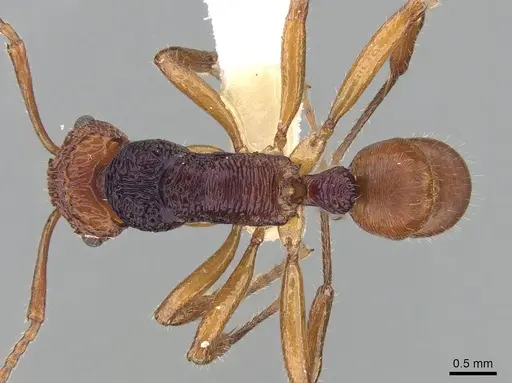
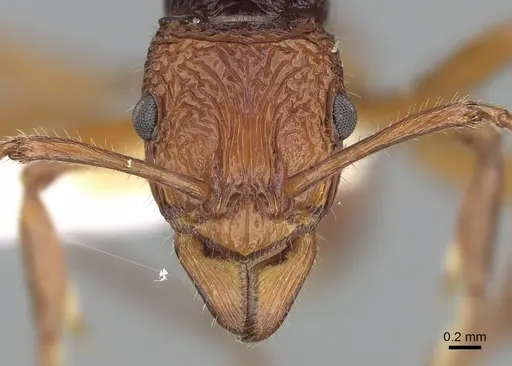
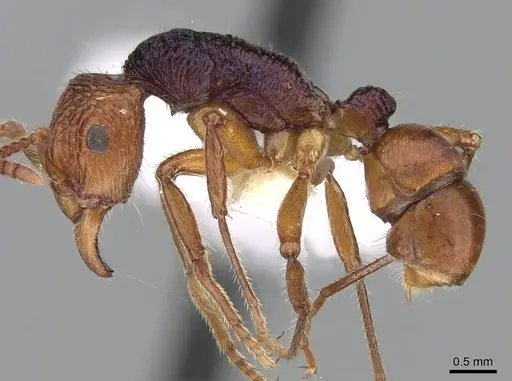
CASENT0281243
View on AntWeb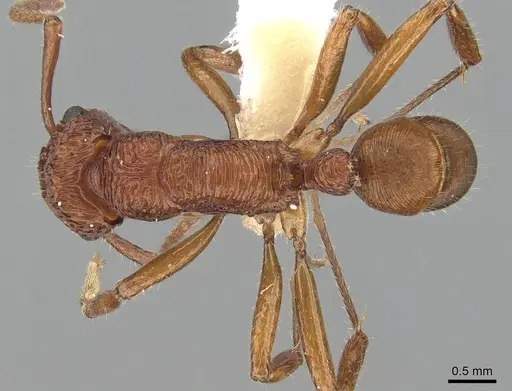
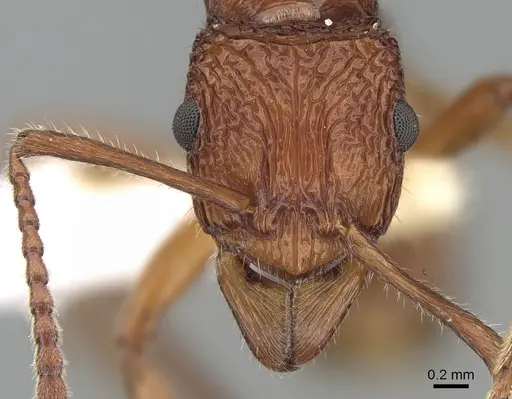
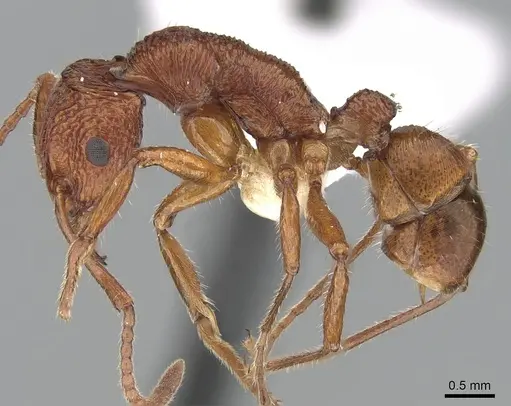
CASENT0281244
View on AntWeb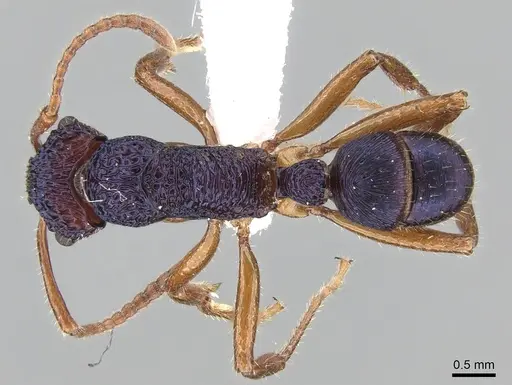
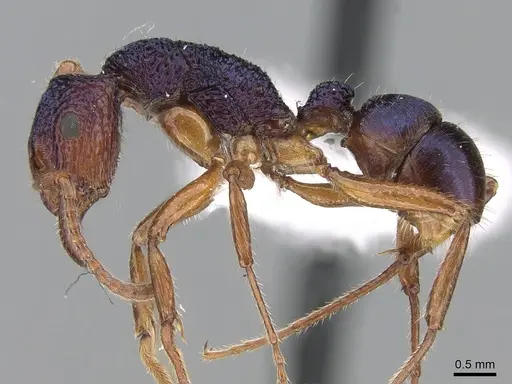
CASENT0903833
View on AntWeb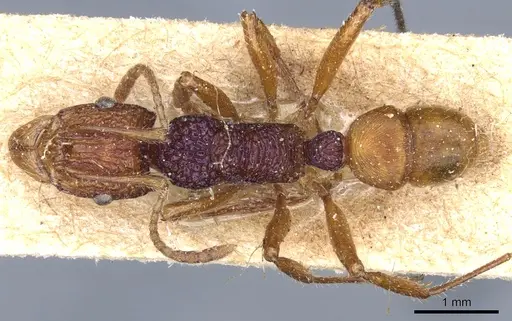
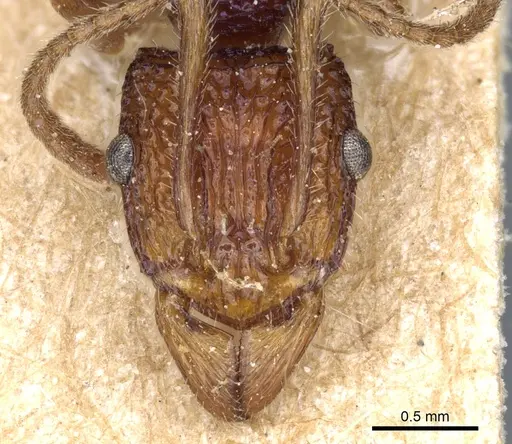
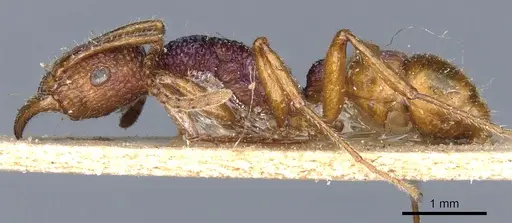
CASENT0915135
View on AntWeb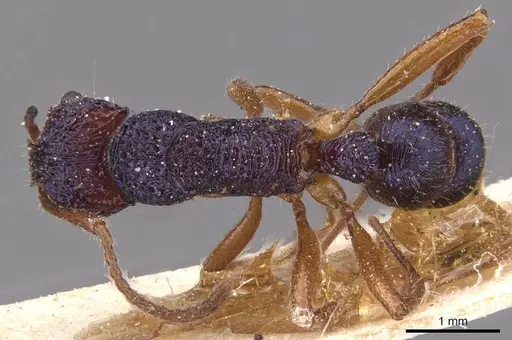
CASENT0916803
View on AntWeb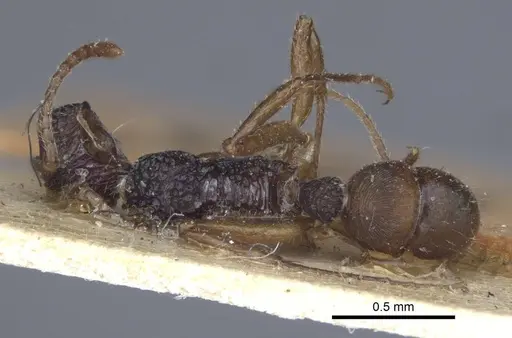
Literature
Loading distribution map...Loading products...