Blue Pony Ant
Rhytidoponera chalybaea
- Sci. Name
- Rhytidoponera chalybaea
- Tribe
- Ectatommini
- Subfamily
- Ectatomminae
- Author
- Emery, 1901
- Common Name
- Blue Pony Ant
- Distribution
- Found in 2 countries
Introduction
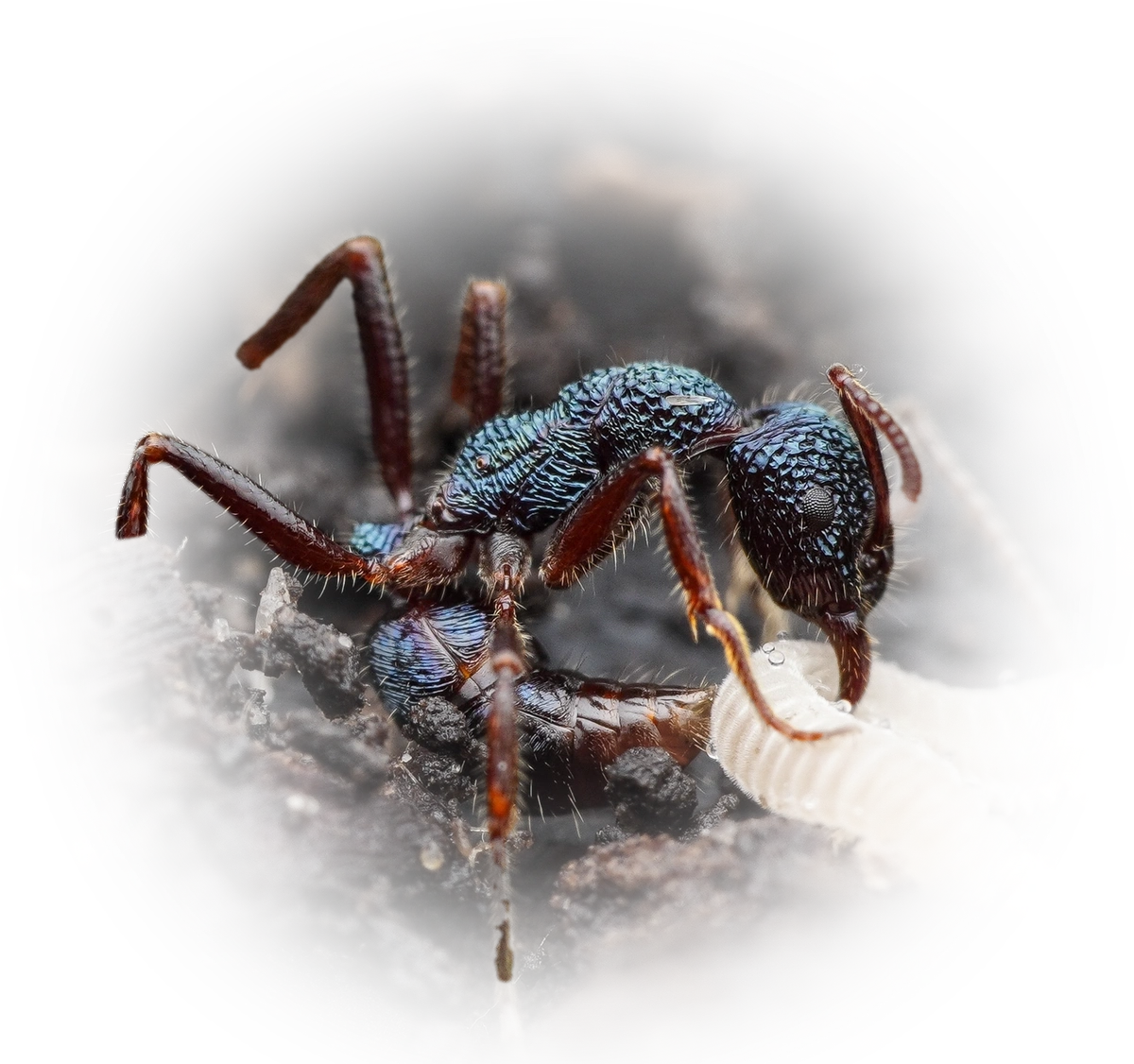
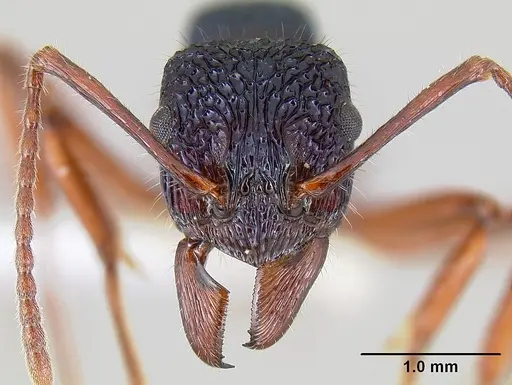
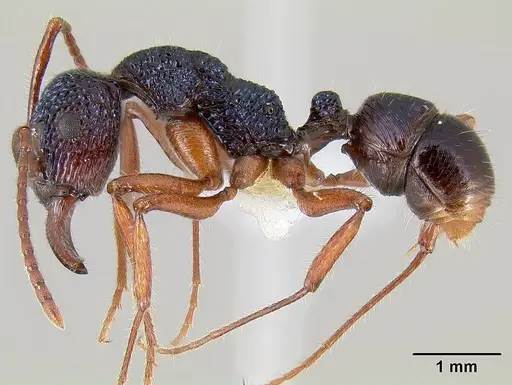
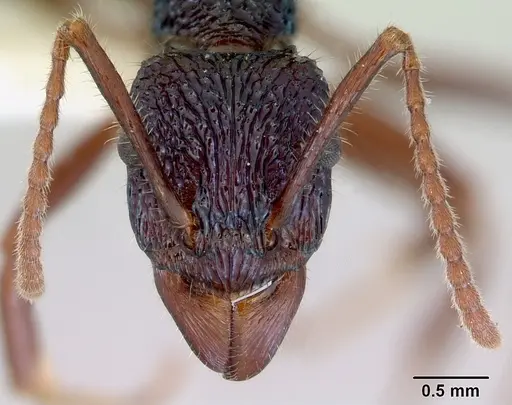
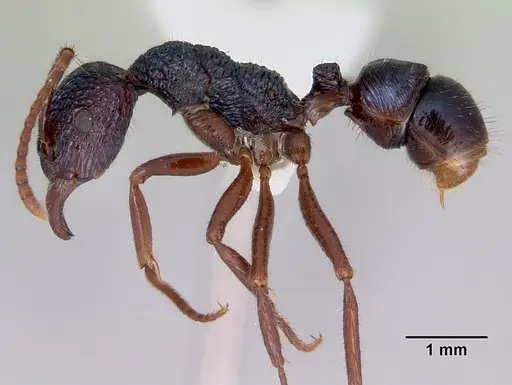
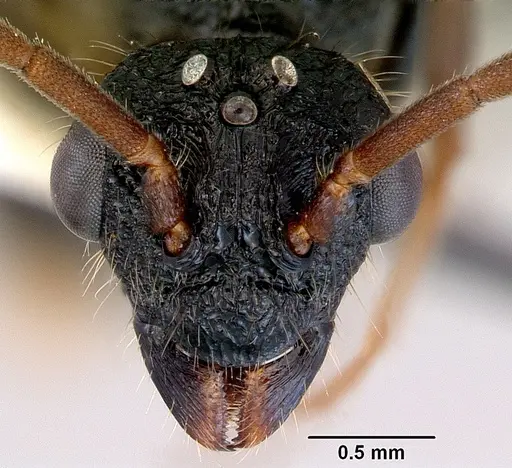
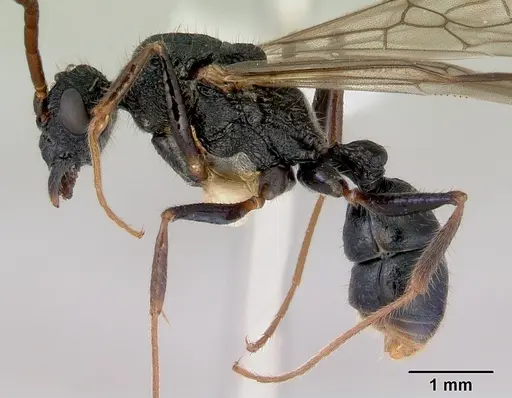
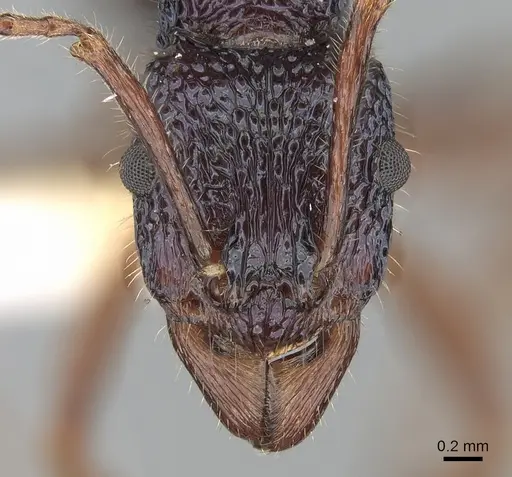
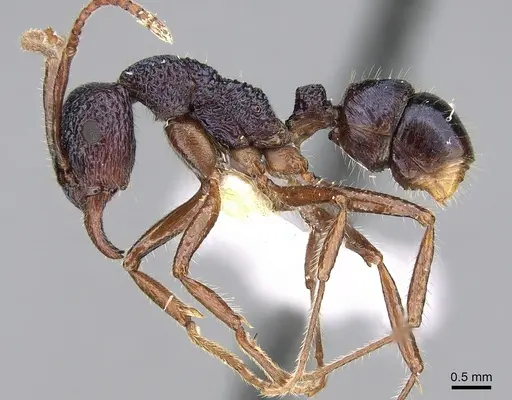
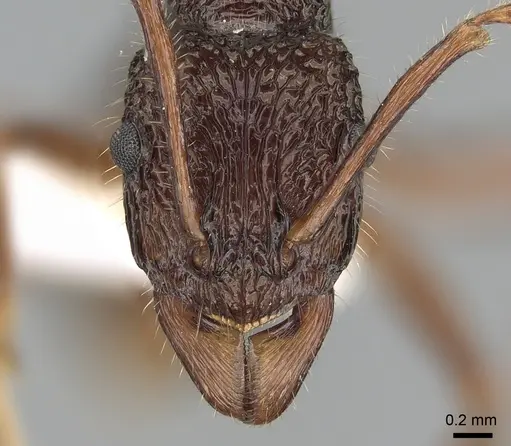
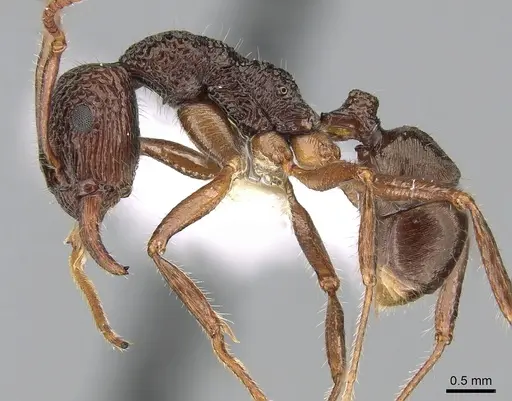
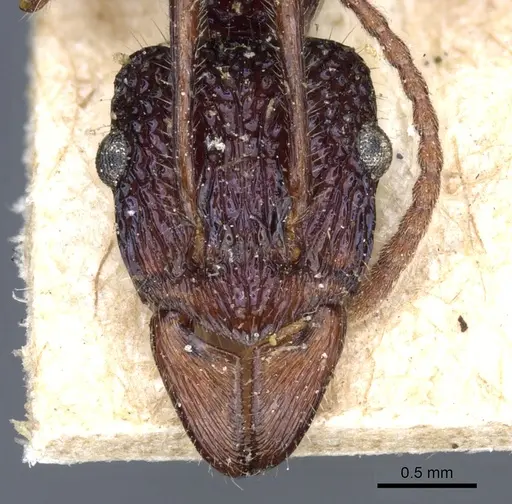
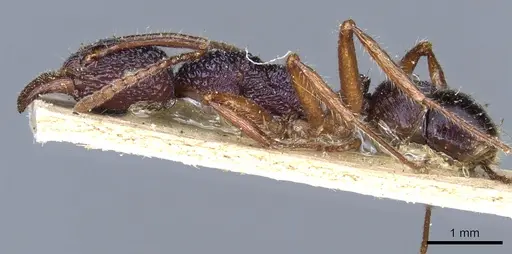
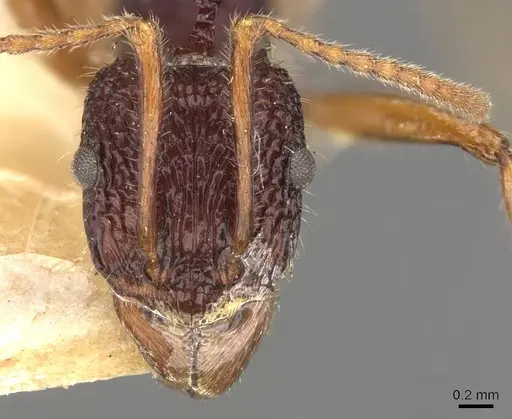
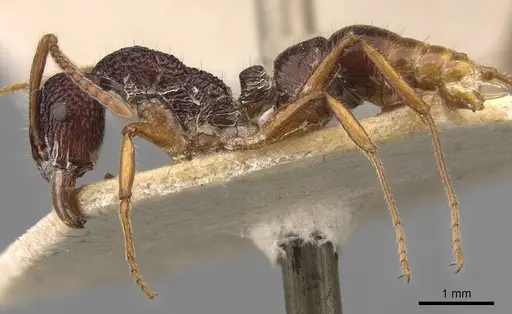
Rhytidoponera chalybaea is a medium-sized ant in the subfamily Ectatomminae, native to eastern Australia and now established as an invasive species in New Zealand, with records from the Solomon Islands and potentially invasive in New Caledonia . Workers measure about 5 mm and have a striking metallic blue-green coloration with a coarsely sculptured body and fine striations on the gaster . They inhabit diverse wet forests including wet sclerophyll, temperate and subtropical rainforest, and have adapted to urban parklands along the east coast of Australia from Victoria to southern Queensland . What sets this species apart is its complex social structure: colonies can be either queenright (Type A with a functional queen) or queenless (Type B with mated workers called gamergates that reproduce instead of a distinct queen) . This flexibility in reproductive organization is rare among ants and makes them an intriguing species for keepers interested in social biology - but their invasive status means they require expert-level care and strict containment.
Quick Summary
- Difficulty: Expert
- Origin & Habitat: Eastern Australia (NSW, Queensland). Introduced to New Zealand and recorded from the Solomon Islands and potentially invasive in New Caledonia [1][2][3]. Inhabits wet sclerophyll, temperate/subtropical rainforest, littoral rainforest, and urban parklands [5].
- Colony Type: Facultatively polygynous, both monogynous (single queen) and polygynous (multiple reproductive females) colonies occur. Additionally, some colonies are queenless with gamergates (mated workers) serving as reproductives [5][6].
- Size & Growth:
- Queen: Unknown, related Rhytidoponera species have dealate queens of similar size to workers or slightly larger. Specific measurements are unavailable.
- Worker: About 5 mm [4]
- Colony: Up to around 440 workers in queenright colonies, queenless colonies average about 160 workers [6][4]
- Growth: Slow
- Development: 8-12 months for first workers [4] (Development is very slow, founding queens take nearly a year to raise their first brood. This is significantly longer than many common ant species and requires patience.)
- Antkeeping:
- Temperature: Based on their natural habitat in warm temperate to subtropical forests, keep at 22-26°C. Room temperature (20-24°C) in most homes works well. Avoid extremes below 15°C or above 30°C.
- Humidity: Moderate to high, they naturally nest in rotting wood and soil under stones in damp forests [4]. Keep the nest substrate moist but not waterlogged, with some drier areas available.
- Diapause: No, these ants come from mild Australian climates and do not require true hibernation. They may reduce activity in cooler months but will remain active in heated homes.
- Nesting: They naturally nest in rotting log cavities, soil under stones, and fallen epiphytic fern masses [4]. In captivity, use Y-tong (AAC), plaster, or naturalistic setups with rotting wood. They prefer tight, enclosed chambers that retain humidity.
- Behavior: R. chalybaea workers are predatory and actively hunt arthropods. They have a functional sting and can deliver a painful sting if provoked [4]. Workers forage singly day and night, with good directional sense for returning to the nest. They are not aggressive toward humans but will defend their nest vigorously. Escape prevention is important, while not tiny, they are active and will explore gaps. WARNING: This species is invasive in New Zealand and potentially in New Caledonia [2][3]. Extreme precautions against escape are mandatory. Never release colonies into the wild outside their native Australian range.
- Common Issues: slow first brood development means colonies can stall if the founding queen is stressed, queenless colonies (with gamergates) may not produce new winged queens, only males and workers, they can sting, handle with care and use gloves when working with established colonies, colonies readily relocate if disturbed, avoid frequent nest inspections during founding, invasive in New Zealand and potentially in New Caledonia, never release colonies into the wild outside their native Australian range, and take extreme precautions to prevent escape
Housing and Nest Setup
R. chalybaea does well in Y-tong (AAC) nests, plaster nests, or naturalistic setups that mimic their natural rotting wood habitat. They prefer chambers that hold humidity well, these ants naturally nest in damp rotting logs and soil under stones in rainforest environments [4]. A test tube setup can work for founding colonies, but expect them to outgrow it within a year.
For the outworld, provide a foraging area with access to protein prey. These are predatory ants that need live insects to thrive. A simple plastic container with a layer of moist substrate works well. Because they can sting and are active foragers, ensure the setup is secure, they are not extreme escape artists but will explore any gaps. Given their invasive status, use a tight lid with no openings and consider a moat of oil or water around the nest.
Keep the nest material consistently moist but not dripping. They do best with high humidity in the nest chamber. A water tube connected to the nest helps maintain moisture over time.
Feeding and Diet
These ants are primarily predatory, hunting arthropods in nature [4]. In captivity, their diet should center on live small invertebrates: fruit flies, small crickets, mealworms, and other feeder insects. They will also accept dead prey and insect fragments.
Beyond protein, R. chalybaea shows interest in sweet substances. Workers can be baited with honey, sugar water, and fruit [4]. Provide a constant sugar source alongside regular protein feedings. They are not pure predators, the sweet tooth makes them easier to feed than strictly carnivorous species.
Feed protein 2-3 times per week for growing colonies, and offer sugar continuously. Remove uneaten prey after 24-48 hours to prevent mold. Growing colonies with larvae will consume more protein than established ones.
Temperature and Seasonal Care
R. chalybaea naturally occurs in warm temperate to subtropical regions of eastern Australia, so they handle temperatures in the low-to-mid 20s°C well. Keep them at 22-26°C for optimal activity and brood development. Room temperature (around 20-24°C) in most homes is perfectly suitable.
These ants do not require hibernation or a true diapause period, they come from mild Australian climates where winters are relatively warm. In heated homes, they will remain active year-round. You may notice reduced foraging in cooler months, but this is normal and not a sign of problems.
Avoid temperature extremes, sudden drops below 15°C or sustained heat above 30°C can stress colonies. A simple room-temperature setup is usually sufficient without additional heating. [5][4]
Colony Social Structure
One of the most interesting aspects of R. chalybaea is their flexible social organization. They have two distinct colony types that can occur in the same population [6].
Type A colonies are queenright, they have a single mated queen that lays all the eggs, and workers are non-reproductive. These colonies produce winged males and new queens (alates) for dispersal.
Type B colonies are queenless, instead of a distinct queen, they have 1-15 mated workers (gamergates) that share reproductive duties. These colonies rarely produce new queens and instead reproduce mainly by colony fission, where a group of workers leaves to start a new nest.
This means your colony might either have a clear queen or be run by gamergates. Both types are functional, and the absence of a queen does not necessarily mean the colony is failing, it may simply be a Type B queenless colony. If you want a colony that produces alates, you likely need a queenright (Type A) colony.
Defense and Sting
R. chalybaea is equipped with a functional poison sting, one of the few ant species in the antkeeping hobby that can genuinely sting [4]. The sting delivers venom and can cause pain, similar to a bee sting. Most healthy adults will experience localized pain and swelling.
For keepers, this means using some caution when working with established colonies. Use gloves when moving nests or cleaning, and avoid bare-handed contact with workers. The ants are not aggressive toward humans when unprovoked, but they will defend their nest if threatened.
Beyond their sting, workers can produce high-pitched audible sounds by grating their abdominal segments together, this appears to function as an alarm call when the colony is disturbed [4].
Growth and Development
Patience is essential with R. chalybaea. The first brood of workers takes 8-12 months to develop from eggs [4], significantly longer than many common ant species like Lasius or Camponotus. This slow development is normal.
Colony founding is semi-claustral, the queen must leave the nest to forage for arthropod prey to feed her first brood, unlike claustral species that survive entirely on stored fat [4]. This makes founding colonies more vulnerable to stress and failure.
Once established, colonies grow to several hundred workers. Type A (queenright) colonies tend to be larger, averaging around 440 workers, while Type B (queenless) colonies average around 160 workers [6]. Growth rate is moderate once the first workers emerge.
Frequently Asked Questions
How long does it take for Rhytidoponera chalybaea to produce first workers?
Expect 8-12 months from founding to first workers [4]. This is slow compared to many common ants, founding queens must forage for food during the entire founding period, which takes nearly a year.
Does Rhytidoponera chalybaea have a queen?
It depends on the colony type. Some colonies (Type A) have a functional queen, while others (Type B) are queenless and instead have mated workers called gamergates that reproduce [6]. Both types are normal and functional.
Can Rhytidoponera chalybaea sting?
Yes, they have a functional poison sting and can deliver a painful sting if provoked [4]. Use gloves when working with established colonies and avoid bare-handed contact.
What do Rhytidoponera chalybaea ants eat?
They are primarily predatory on arthropods but also accept sweet foods. Feed small live insects (fruit flies, small crickets, mealworms) as protein 2-3 times weekly, and provide constant access to sugar water or honey [4].
Do Rhytidoponera chalybaea need hibernation?
No, they do not require true hibernation. These ants come from mild Australian climates and remain active year-round in heated homes. They may reduce activity in winter but no special winter care is needed.
Are Rhytidoponera chalybaea good for beginners?
No, they are Expert-level due to their invasive status and potential for pain from stings. Even ignoring invasive concerns, the slow development (8-12 months to first workers) requires patience, and their ability to sting means you need to handle them with care. They are better suited to experienced keepers who can ensure strict containment.
How big do Rhytidoponera chalybaea colonies get?
Mature colonies reach several hundred workers. Queenright (Type A) colonies tend to be larger, averaging around 440 workers, while queenless (Type B) colonies average around 160 workers [6].
What temperature do Rhytidoponera chalybaea need?
Keep them at 22-26°C. Room temperature in most homes (20-24°C) works well. They naturally inhabit warm temperate to subtropical rainforests in Australia and do not need additional heating beyond normal room temperature [5].
Can I keep multiple queens together?
Polygynous colonies (multiple reproductive females) do occur naturally in this species [5], but combining unrelated foundress queens is not recommended, it has not been studied and may result in aggression. If you capture a colony with multiple queens, they may coexist if there is adequate space.
Why is my queenless colony not producing new queens?
This is normal. Type B (queenless) colonies with gamergates rarely produce new winged queens, they reproduce mainly by colony fission instead [6]. If you want a colony that produces alates, you likely have a queenright (Type A) colony.
Is Rhytidoponera chalybaea invasive?
Yes, this species is established in New Zealand and considered potentially invasive in New Caledonia [2][3]. First recorded from the Solomon Islands in 1959 [1]. Never release colonies into the wild outside their native Australian range.
What type of nest should I use for Rhytidoponera chalybaea?
Y-tong (AAC) nests, plaster nests, or naturalistic setups with rotting wood work well. They naturally nest in rotting log cavities and damp soil under stones [4]. The nest material should hold humidity well, these ants come from damp rainforest habitats.
Report an Issue
The current care sheet is based fully on literature. See inconsistencies, or something that's incorrect? Please , it will be resolved after review from an admin. Contributing to the blogs tab also helps providing information, to make us be able to further improve the caresheets. Thank you for your support!
References

This caresheet is licensed under CC BY-SA 4.0 .
Community Blogs
CASENT0106000
View on AntWeb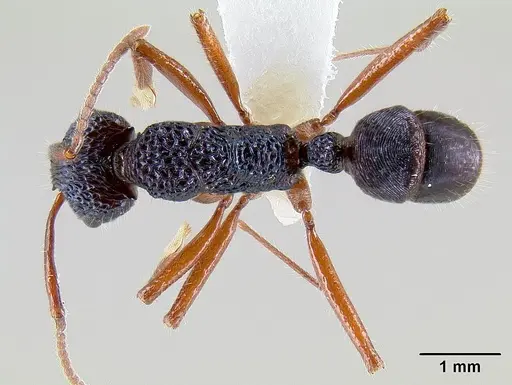
CASENT0172343
View on AntWeb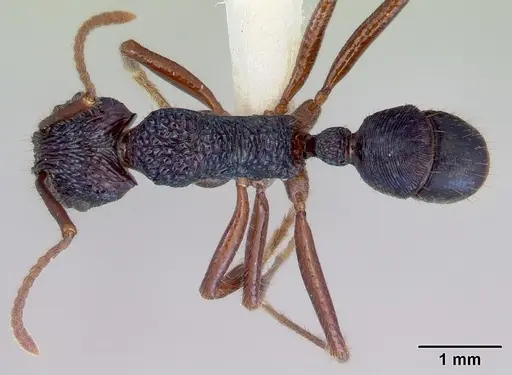
CASENT0172344
View on AntWeb
CASENT0281236
View on AntWeb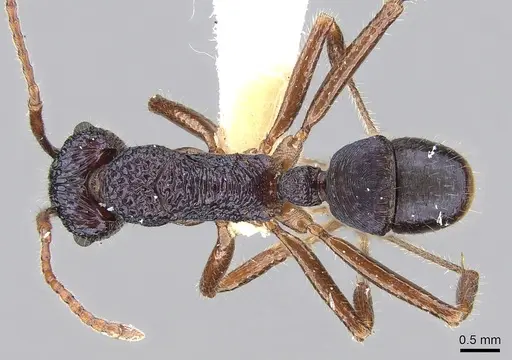
CASENT0281237
View on AntWeb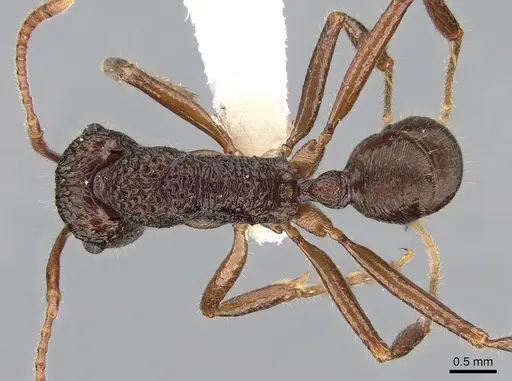
CASENT0903822
View on AntWeb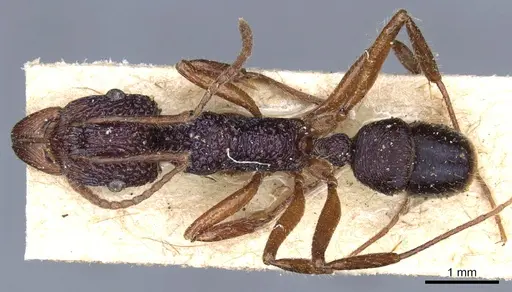
CASENT0907154
View on AntWeb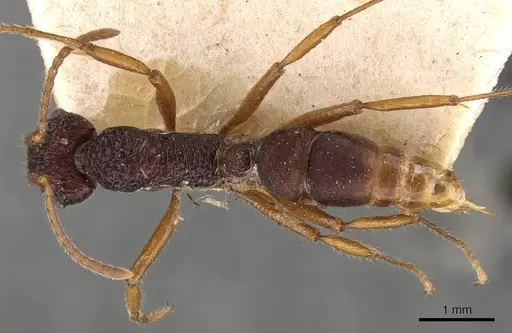
Literature
Loading distribution map...Loading products...