
Rhytidoponera cerastes
- Sci. Name
- Rhytidoponera cerastes
- Tribe
- Ectatommini
- Subfamily
- Ectatomminae
- Author
- Crawley, 1925
- Distribution
- Found in 1 countries
Introduction
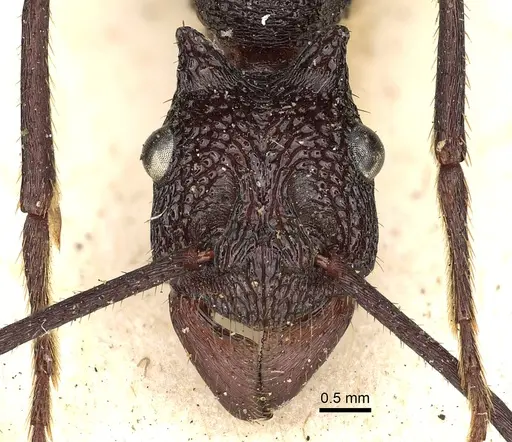
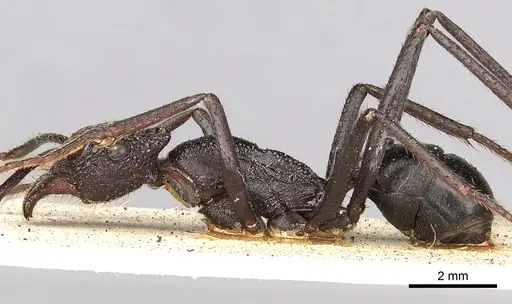
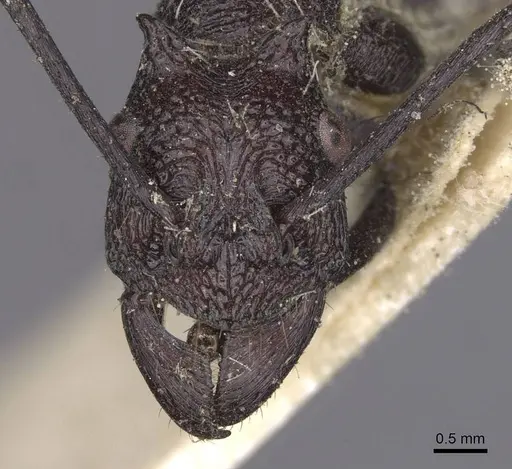
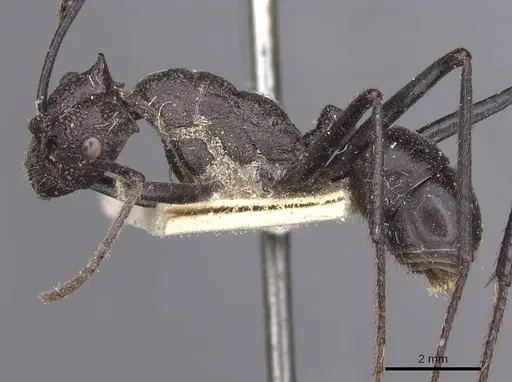
Rhytidoponera cerastes is a large ant native to Western Australia. Workers measure 9.5-10.5 mm and have a dark red-brown head and thorax, darker gaster and legs, and large mandibles. Their most unusual feature is a pair of prominent triangular horns on the head. The body has a shining appearance with coarse reticulate-punctate sculpture .
Quick Summary
- Difficulty: Medium
- Origin & Habitat: Western Australia, Australia, specifically the Mitchell Falls area of tropical north-western Australia. Found in laterite and sandstone habitats. This species belongs to the Eyrean (arid-adapted) biogeographic zone and is an opportunist, thriving in fire-disturbed areas [2].
- Colony Type: Colony structure is not documented in scientific literature. Unconfirmed whether single-queen or multiple-queen.
- Size & Growth:
- Queen: size data unavailable
- Worker: 9.5-10.5 mm [1]
- Colony: Not documented in scientific literature
- Growth: Unknown
- Development: Estimated 8-12 weeks based on general Ponerinae development patterns, but no specific data for this species (Direct development data not available. Ponerine ants typically have slower development than many Formicinae or Myrmicinae species.)
- Antkeeping:
- Temperature: Based on tropical north-western Australian habitat, keep at 24-28°C. Use a heating cable on one side to create a gradient [2]. Avoid prolonged temperatures below 20°C.
- Humidity: Arid-adapted: keep moderate, allow nest substrate to dry partially between waterings. Avoid constant moisture. Provide a water source in the outworld [2].
- Diapause: Likely no true diapause required, as the species comes from tropical/arid Australia. May show reduced activity during dry seasons. A brief cool period (15-18°C) during winter is optional but not required. No cold hibernation needed.
- Nesting: Natural nesting is in soil, likely under stones or in shallow ground nests. In captivity, a naturalistic setup with compact chambers or a Y-tong (AAC) nest works well. Avoid overly moist substrates.
- Behavior: These are predatory ants with a potent sting. Workers are active hunters that pursue small invertebrates. They are not overly aggressive toward humans but will defend their nest vigorously. Their large size makes them easier to observe than many smaller ants. Escape prevention is important but standard barriers work well for ants of this size.
- Common Issues: sting risk – these ants have a potent sting that can be painful. Handle with care and avoid provoking., limited scientific knowledge – very little published data exists on colony dynamics, founding behavior, or long-term captive care for this species., limited availability – rarely found in the antkeeping hobby, making colonies difficult to acquire., humidity management – as an arid-adapted species, they suffer from mold or stress if kept too damp., slow growth – typical of ponerine ants, expect patience in building colony size.
Housing and Nest Setup
Rhytidoponera cerastes is a large ant that needs appropriately sized housing. In the wild, they nest in soil, often under stones or in shallow ground nests in arid to semi-arid habitats. For captivity, a naturalistic setup with a substrate layer works well, or use a Y-tong (AAC) formicarium with chambers sized appropriately for 9-10 mm workers. The nest should have compact chambers rather than large open spaces. A small outworld for foraging allows you to observe their hunting behavior. Use a secure lid – while they are not tiny, they are strong and determined escape artists.
Feeding and Diet
As a member of Ectatomminae, this species is predatory and hunts small invertebrates. In captivity, offer live prey such as small crickets, mealworms, fruit flies, and other small insects. They likely accept protein-rich foods readily. Sugar sources may be accepted but are not a primary dietary need for predatory ponerines. Feed them appropriately sized prey items 2-3 times per week, removing uneaten prey after 24 hours. Fresh water should always be available.
Temperature and Heating
Being from tropical north-western Australia, these ants prefer warm conditions. Maintain nest temperatures around 24-28°C [2]. Use a heating cable placed on top of the nest (never underneath, where it could dry out the substrate) to create a gentle thermal gradient. Allow the ants to regulate their temperature by moving between warmer and cooler areas. Avoid temperatures below 20°C for extended periods. Room temperature may be suitable in warm climates, but supplemental heating is recommended in cooler environments.
Humidity and Water
These are arid-adapted ants from Western Australia, so they prefer moderate, not high, humidity. Allow the substrate to dry partially between waterings – these ants are not sensitive to brief dry periods. Provide a water tube or small water source in the outworld for drinking. Avoid constantly wet conditions that work well for tropical rainforest species. Good ventilation helps prevent mold issues [2].
Behavior and Temperament
Rhytidoponera cerastes is a predatory ant with a potent sting. Workers are active hunters that will pursue prey in the outworld. When threatened, they may sting – this is painful but not dangerous to healthy humans. They are not overly aggressive toward humans but will defend their nest vigorously. Their large size makes them easier to observe than many smaller ants. They are diurnal, actively foraging during daylight hours.
Seasonal Care
Being from tropical/arid Australia, this species does not require true hibernation. However, they may have reduced activity during cooler or drier periods. In captivity, you can reduce temperatures slightly during winter months (to around 18-22°C) but this is not required. They do not need a cold diapause like temperate species. Maintain normal feeding during active periods and reduce slightly during any period of reduced activity.
Frequently Asked Questions
Does Rhytidoponera cerastes have a sting?
Yes. As a member of the subfamily Ectatomminae (related to Ponerinae), they have a potent sting. While not dangerous to healthy humans, it is painful. Handle them carefully and avoid provoking them.
How long does it take for Rhytidoponera cerastes to raise first workers?
There is no specific data for this species, but based on general Ponerinae development patterns, it likely takes 8-12 weeks from egg to worker at optimal temperature (around 26°C). This is an estimate and may vary.
Can I keep multiple queens together in a Rhytidoponera cerastes colony?
The colony structure of this species is not documented. Therefore, it is generally not recommended to combine queens, as fighting is likely. Each queen should be housed separately unless you have reliable information otherwise.
What do Rhytidoponera cerastes ants eat?
They are predatory ants that hunt small invertebrates. Feed them live prey such as small crickets, mealworms, fruit flies, and other small insects. They may accept some protein sources but live prey is ideal.
Is Rhytidoponera cerastes a good beginner ant?
This is a medium-difficulty species. They are larger and more visible than many ants, but their potent sting requires careful handling. They are also not commonly available in the hobby. They are not the best first ant but are manageable for intermediate keepers.
What temperature do Rhytidoponera cerastes ants need?
Keep them warm at 24-28°C. Being from tropical north-western Australia, they prefer warm conditions. A heating cable on the nest can help maintain appropriate temperatures [2].
How big do Rhytidoponera cerastes colonies get?
The maximum colony size is not documented for this species. Based on their arid habitat and solitary foraging lifestyle, they likely have moderate colony sizes, but this is speculation.
Do Rhytidoponera cerastes ants need hibernation?
No true hibernation is required. Being from tropical/arid Australia, they do not experience cold winters. You may reduce temperatures slightly in winter but this is not necessary.
What size are Rhytidoponera cerastes workers?
Workers are large at 9.5-10.5 mm. This makes them one of the larger ant species kept in captivity and easier to observe than tiny species [1].
Where is Rhytidoponera cerastes found in the wild?
This species is native to Western Australia, Australia. It is found in the Mitchell Falls area of tropical north-western Australia, living in laterite and sandstone habitats. It is an opportunist species that thrives in fire-disturbed areas [2].
Report an Issue
The current care sheet is based fully on literature. See inconsistencies, or something that's incorrect? Please , it will be resolved after review from an admin. Contributing to the blogs tab also helps providing information, to make us be able to further improve the caresheets. Thank you for your support!
References

This caresheet is licensed under CC BY-SA 4.0 .
Community Blogs
CASENT0281817
View on AntWeb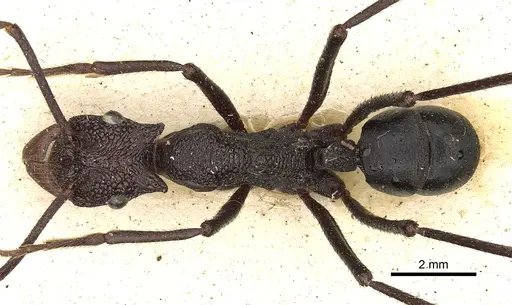
CASENT0915133
View on AntWeb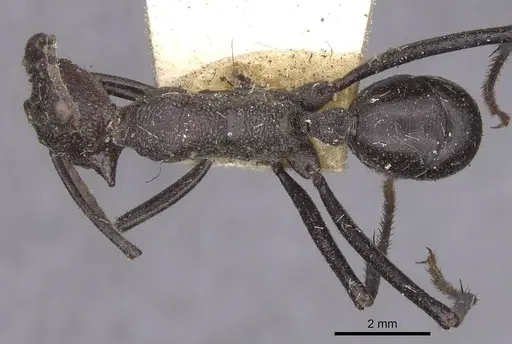
Literature
Loading distribution map...Loading products...