
Rhytidoponera arborea
- Sci. Name
- Rhytidoponera arborea
- Tribe
- Ectatommini
- Subfamily
- Ectatomminae
- Author
- Ward, 1984
- Distribution
- Found in 1 countries
Introduction
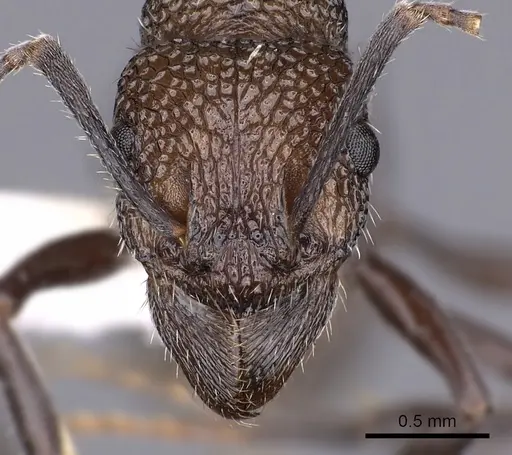
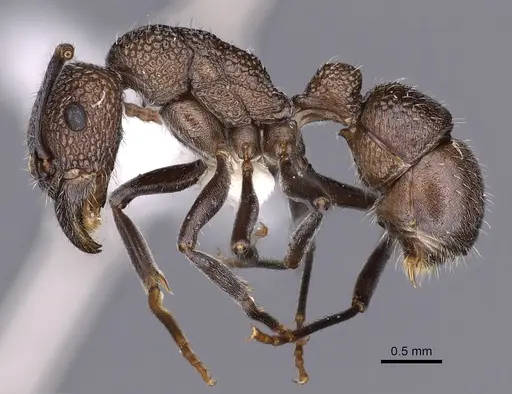
Rhytidoponera arborea is a medium-sized ant species native to New Caledonia, a tropical island in the southwestern Pacific. Workers are robust and black with dark brown mandibles, antennae, and legs, and have a distinctive dense mat of appressed pubescence on their abdominal tergites . They are primarily arboreal - colonies have been found in cavities of living rainforest trees about 10 meters above ground, as well as in epiphytic ferns growing on boulders . Workers forage on low vegetation and on the ground, making them versatile foragers in the rainforest understory .
Quick Summary
- Difficulty: Medium
- Origin & Habitat: New Caledonia, a tropical island in the southwestern Pacific. This species lives in rainforest habitats at elevations between 40 and 450 meters [1][2].
- Colony Type: Colony structure is unconfirmed. Based on the arboreal nesting behavior and related species patterns, expect single-queen colonies, though this requires confirmation.
- Size & Growth:
- Queen: Unconfirmed, no queen measurements are available in the described material [1].
- Worker: Worker total length is not reported, based on head width measurements, they are moderately large ants for the genus. (Exact body length data unavailable) [1].
- Colony: Unconfirmed, no colony size data available.
- Growth: Unconfirmed, development timeline has not been studied.
- Development: Unknown, no direct data exists for this species. Based on related tropical Ectatomminae, estimate 6-10 weeks at optimal temperature. (Development timeline is unconfirmed. Related species in the genus suggest a moderate growth rate, but specific timing is unknown.)
- Antkeeping:
- Temperature: Keep at 22-26°C, this matches their natural rainforest environment in New Caledonia [1]. Provide a gentle temperature gradient so workers can choose their preferred spot.
- Humidity: High humidity is essential. Keep the nest substrate consistently moist but not waterlogged, and mist the outworld occasionally. Aim for damp forest floor conditions, not a swamp. Good ventilation is crucial to prevent mold [1].
- Diapause: Unconfirmed, as a tropical species from New Caledonia, they likely do not require a true diapause. However, a slight reduction in temperature during winter months may be beneficial.
- Nesting: Arboreal species, they naturally nest in tree cavities and epiphytic ferns [1]. In captivity, provide a naturalistic setup with wood pieces, cork, or a Y-tong/plaster nest with elevated chambers. They do well with vertical space and climbing structures.
- Behavior: Workers are active foragers that search both on vegetation and the ground [1]. They have a functional stinger as members of the Ectatomminae subfamily, but are not particularly aggressive toward humans. Escape risk is moderate, standard containment measures work well.
- Common Issues: high humidity requirements can lead to mold problems if ventilation is inadequate, tropical species may struggle if temperatures drop below 20°C, arboreal nesting means they need vertical space and climbing structures, horizontal-only nests cause stress, wild-caught colonies may carry parasites that can devastate captive populations, their predatory nature means they need regular protein input, sugar alone is insufficient
Housing and Nest Setup
Rhytidoponera arborea is an arboreal species, so your setup should reflect their natural preference for elevated nesting sites. In the wild, they nest in tree cavities and epiphytic ferns, often 10 meters or more above ground [1]. For captivity, use a naturalistic setup with vertical space. Choose a Y-tong (AAC) or plaster nest with narrow chambers to mimic snug tree hollows. Add cork bark, wood pieces, or climbing structures like branches. The outworld should include climbing opportunities, consider live plants or artificial foliage where workers can forage. This species forages on low vegetation in nature, so vertical foraging space helps them feel at home [1].
Feeding and Diet
Like other Rhytidoponera species, R. arborea is likely a generalist predator and omnivore. In their rainforest habitat, workers probably hunt small invertebrates like springtails, mites, and other micro-arthropods found on vegetation and the forest floor [1]. They also likely collect honeydew from aphids and scale insects. In captivity, offer a varied diet: protein sources like fruit flies, small crickets, mealworms, and other small insects should be provided regularly. Since they forage on vegetation, placing prey on leaves or elevated surfaces may encourage natural hunting behavior. Provide sugar sources like honey water constantly. Feed protein 2-3 times per week, and remove uneaten prey after 24-48 hours to prevent mold.
Temperature and Humidity
This is a tropical rainforest species from New Caledonia, so warmth and humidity are non-negotiable. Keep temperatures in the 22-26°C range, this matches their natural elevation range (40-450m) in the island's humid forests [1]. A slight temperature gradient allows workers to regulate their own body temperature. Humidity should stay high. Keep the nest substrate consistently moist (not waterlogged) and mist the outworld occasionally. Good ventilation is crucial to prevent mold. If your room temperature falls below 20°C, use a gentle heating cable on one side of the nest, always providing unheated areas so ants can escape if they overheat.
Behavior and Temperament
Rhytidoponera arborea workers are active foragers that search both on low vegetation and on the ground [1]. This makes them engaging to watch, they'll explore their outworld thoroughly and are good climbers. They have a functional stinger as members of the Ectatomminae subfamily, so they can defend themselves if threatened, though they're not particularly aggressive toward humans. Their foraging style suggests they'll readily accept prey placed in the outworld. Workers likely communicate food finds using chemical trails. Escape risk is moderate, they're not tiny ants, but always use secure lids and check for gaps.
Seasonal Care
As a tropical species from New Caledonia, R. arborea does not experience harsh winters. They likely do not require a true diapause period. However, slight seasonal variations may be beneficial, you could reduce temperatures by 2-3°C during winter to mimic natural seasonal shifts. Avoid dramatic changes. The key is consistency: tropical ants prefer stable conditions. Avoid placing their setup near windows with drafts, air conditioners, or heating vents. If your home stays consistently warm (above 18°C), maintaining similar conditions through winter is fine. Monitor colony activity: if workers become less active during cooler months, reduce feeding frequency accordingly. [1]
Frequently Asked Questions
What do Rhytidoponera arborea ants eat?
They are generalist predators and omnivores. Offer small live prey like fruit flies, small crickets, and mealworms as protein sources 2-3 times per week, and provide constant access to sugar water or honey. They forage on both vegetation and ground in the wild, so placing prey on elevated surfaces may encourage natural hunting behavior [1].
How do I set up a nest for Rhytidoponera arborea?
This is an arboreal species, they naturally nest in tree cavities and epiphytic ferns [1]. Use a naturalistic setup with vertical space, cork bark, wood pieces, or a Y-tong/plaster nest with elevated chambers. Add climbing structures like branches or artificial foliage. They prefer snug chambers that mimic tree hollows, not large open spaces.
What temperature and humidity do they need?
Keep them warm at 22-26°C with high humidity, maintain a consistently moist nest substrate and mist the outworld occasionally. This matches their natural rainforest habitat in New Caledonia [1]. Good ventilation is essential to prevent mold.
Can Rhytidoponera arborea sting?
Yes, as members of the Ectatomminae subfamily they have a functional stinger. However, they are not particularly aggressive and typically only sting when directly threatened. The sting is not considered dangerous to healthy humans.
How long does it take for eggs to develop into workers?
The development timeline is unconfirmed for this species. Based on related tropical Ectatomminae, estimate 6-10 weeks from egg to first worker at optimal temperature (around 24°C). The actual timeline may vary and requires species-specific observation.
Are Rhytidoponera arborea good for beginners?
This species is rated as medium difficulty. Their high humidity requirements and need for vertical/arboreal space make them more challenging than soil-nesting species. They are best suited for keepers with experience in maintaining consistent warm, humid conditions.
Do they need hibernation or diapause?
Unlikely. As a tropical species from New Caledonia, they don't experience cold winters [1]. A true diapause is probably not required. You may provide slightly cooler conditions in winter (a 2-3°C reduction), but dramatic temperature drops should be avoided.
How big do colonies get?
Colony size is unconfirmed for this species. No published colony size data exists. Based on related Rhytidoponera species, expect moderate-sized colonies, but specific maximums are unknown and require captive observation.
Where is Rhytidoponera arborea native to?
New Caledonia, a tropical island in the southwestern Pacific Ocean. They live in rainforest habitats at elevations between 40 and 450 meters [1][2].
When will my colony produce alates (reproductives)?
Nuptial flight timing is unconfirmed for this species. As a tropical species, alate production may occur year-round or be triggered by seasonal rainfall patterns. No specific timing data exists in scientific literature.
Report an Issue
The current care sheet is based fully on literature. See inconsistencies, or something that's incorrect? Please , it will be resolved after review from an admin. Contributing to the blogs tab also helps providing information, to make us be able to further improve the caresheets. Thank you for your support!
References

This caresheet is licensed under CC BY-SA 4.0 .
Community Blogs
CASENT0281319
View on AntWeb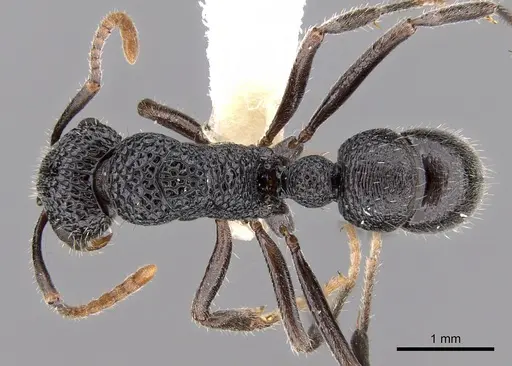
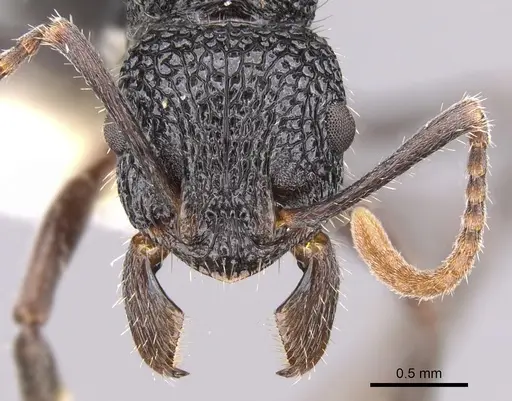
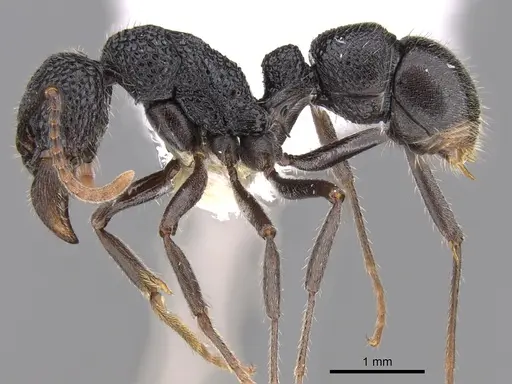
CASENT0900537
View on AntWeb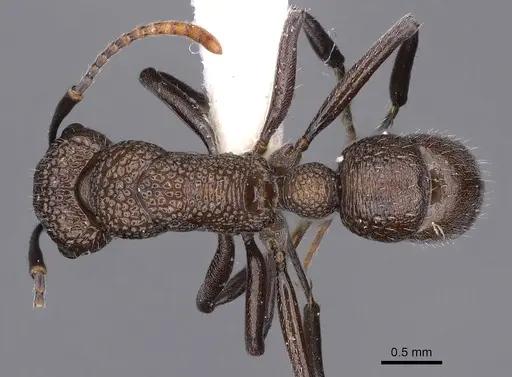
Literature
Loading distribution map...Loading products...