
Rhytidoponera anceps
- Sci. Name
- Rhytidoponera anceps
- Tribe
- Ectatommini
- Subfamily
- Ectatomminae
- Author
- Emery, 1898
- Distribution
- Found in 1 countries
Introduction
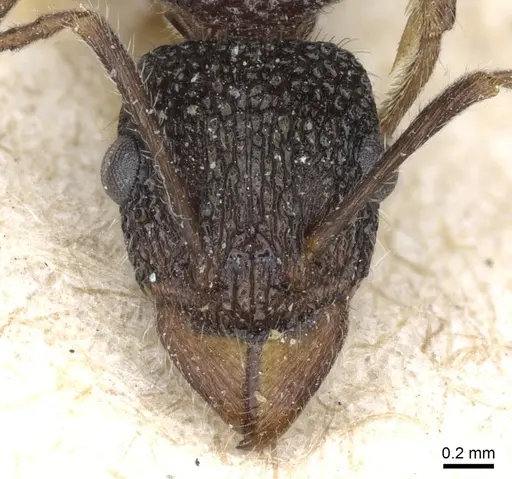
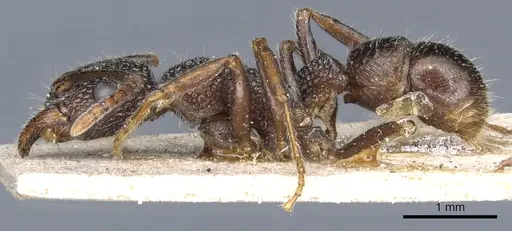
Rhytidoponera anceps is a relatively small Australian ant with a peculiar distribution. Workers have a distinctive cuboid (cube-shaped) petiolar node and notably large eyes . The species is known from Queensland and northern New South Wales coasts, with isolated populations also found on the south coast of Western Australia – making it one of the more geographically disjunct ant species in Australia . These ants belong to the subfamily Ectatomminae, meaning they possess functional stingers. Based on observations of their close relative Rhytidoponera metallica, this species is timid and tends to avoid confrontation rather than aggressively defending its nest .
Quick Summary
- Difficulty: Medium
- Origin & Habitat: Australia – Queensland and northern NSW coasts, with isolated populations on the south coast of Western Australia [1][2]. Habitat preferences are unconfirmed, but related species like Rhytidoponera metallica have been observed in wet sclerophyll forest [3].
- Colony Type: Colony structure is unconfirmed. The related Rhytidoponera metallica forms single-queen colonies [3], but this has not been studied in R. anceps.
- Size & Growth:
- Queen: Unknown – no data available
- Worker: Relatively small [1] – exact measurements are not available
- Colony: Unknown – no published data on colony size
- Growth: Unknown – no data available
- Development: Unknown – no data is available for this species (Development time is unconfirmed)
- Antkeeping:
- Temperature: Unknown – no specific requirements are documented. Keep at room temperature (20–25°C) and observe colony behavior. Avoid extremes below 15°C or above 30°C.
- Humidity: Provide a moisture gradient in the nest – keep one area damp (not waterlogged) and another drier. The related Rhytidoponera metallica inhabits wet sclerophyll forest [3], so these ants may appreciate higher humidity.
- Diapause: Unknown – it is unclear if this species requires a winter cooling period. Australian coastal ants often have mild winters, but no research confirms diapause for R. anceps.
- Nesting: Natural nesting preferences are unconfirmed. Related Rhytidoponera species are ground-nesters. Use a test tube setup for founding, then transition to a Y-tong (AAC) or naturalistic setup with soil substrate. Provide dark, sheltered chambers.
- Behavior: Based on observations of the related Rhytidoponera metallica, this species is likely timid and non-aggressive [3]. Workers have functional stingers (as Ectatomminae) but are unlikely to sting unless severely threatened. Escape risk is moderate due to their relatively small size – use standard barrier precautions.
- Common Issues: colonies may be slow to establish because nesting and founding behavior are unconfirmed – avoid disturbing the queen during early stages, specific colony structure is unknown, so introducing additional queens is not recommended, escape prevention is important despite moderate size – small ants can slip through gaps, humidity balance is critical with no confirmed requirements – provide a gradient and adjust based on brood success, stinger present means handling should be done with care, though they are docile
Housing and Nest Setup
For a founding colony, use a standard test tube setup with a water reservoir and cotton plug. Queens are likely to be claustral (based on related species), so they will seal themselves in the tube. Once the colony has 30–50 workers, transfer them to a Y-tong (AAC) nest or a naturalistic setup with a soil substrate. Provide dark retreats because these timid ants prefer secure nesting spaces. A nest chamber width of 10–15 mm should suit their size. In the outworld, include cover and hiding spots to reduce stress.
Feeding and Diet
Like most Ectatomminae ants, Rhytidoponera anceps is likely predatory on small invertebrates. Offer small live prey such as fruit flies, pinhead crickets, and mealworms. They probably also accept protein-rich liquid foods and may collect honeydew from aphids. Feed every 2–3 days for established colonies, removing uneaten prey after 24 hours. Provide a constant sugar source (honey water or sugar water). Based on related species, they are active hunters rather than scavengers.
Temperature and Seasonal Care
No specific temperature requirements are documented for Rhytidoponera anceps. Based on its coastal Australian distribution, a range of 20–26°C is a reasonable starting point. The related Rhytidoponera metallica was found in wet sclerophyll forest [3], suggesting moderate temperatures suit them. Avoid temperatures below 15°C or above 30°C. A heating cable on one side of the nest can create a beneficial gradient. Whether this species needs a winter cooling period is unknown – you can try a slight drop to 15–18°C for 2 months, but monitor colony health.
Handling and Temperament
While Rhytidoponera anceps possesses a functional stinger as an Ectatomminae member, it is likely timid based on observations of the related Rhytidoponera metallica [3]. They rarely sting unless severely provoked. Never handle them with bare hands – use soft tools like paintbrushes or plastic sheets. Their large eyes suggest they rely on visual cues, so avoid sudden movements near the nest. This docile nature makes them interesting to observe but means they may be outcompeted by more aggressive ant species in multi-species setups.
Growth and Development
Specific development timelines for Rhytidoponera anceps are unconfirmed. Based on typical Ectatomminae patterns, the egg-to-worker period may be 6–10 weeks at optimal temperature, but this is speculative. The queen alone tends the first brood until nanitics emerge. Disturbing the nest during founding can cause the queen to abandon or eat brood. Colony growth rate and maximum size are unknown – be patient and avoid overfeeding until you see consistent foraging.
Frequently Asked Questions
Do Rhytidoponera anceps ants sting?
Yes, they have functional stingers as members of the Ectatomminae subfamily. However, based on observations of the related Rhytidoponera metallica, they are timid and rarely sting unless handled roughly [3].
How long does it take for Rhytidoponera anceps to produce first workers?
This is unconfirmed for this species. No specific data is available. Based on general Ectatomminae patterns, it may take 6–10 weeks at moderate temperatures, but this is only an estimate.
Are Rhytidoponera anceps good for beginners?
They are rated medium difficulty. While likely docile, their specific care requirements are poorly documented, and much of the advice is based on related species. Some antkeeping experience is recommended.
What do Rhytidoponera anceps eat?
They are likely predatory on small invertebrates. Offer small live prey like fruit flies, pinhead crickets, and mealworms. They probably also accept sugar sources like honey water. Feed protein every 2–3 days.
Do Rhytidoponera anceps need hibernation?
It is unknown whether this species requires a winter diapause. Australian coastal ants often have mild winters, but no research confirms diapause for R. anceps. A slight cooling period (15–18°C for 2 months) may be tried, but it's not proven necessary.
How big do Rhytidoponera anceps colonies get?
Colony size is unconfirmed – no data is available. Maximum size is unknown, but based on related species it may reach several hundred workers under optimal conditions.
Can I keep multiple Rhytidoponera anceps queens together?
Colony structure is unconfirmed for this species. Based on the related Rhytidoponera metallica, they likely form single-queen colonies [3]. Combining unrelated queens is not recommended.
What temperature should I keep Rhytidoponera anceps at?
No specific temperature is documented. A starting range of 20–26°C is reasonable, based on their coastal Australian habitat and related species. Avoid extremes below 15°C or above 30°C.
Why is my Rhytidoponera anceps colony dying?
Common causes include: unsuitable humidity (too dry or too wet), temperatures outside the 20–26°C range, disturbance during founding, or stress from handling. Since specific requirements are unknown, carefully adjust conditions one at a time.
Where is Rhytidoponera anceps found in the wild?
They are native to Australia, specifically Queensland and northern NSW coasts, with isolated populations on the south coast of Western Australia. This disjunct distribution is unusual among Australian ants [1][2].
Report an Issue
The current care sheet is based fully on literature. See inconsistencies, or something that's incorrect? Please , it will be resolved after review from an admin. Contributing to the blogs tab also helps providing information, to make us be able to further improve the caresheets. Thank you for your support!
References

This caresheet is licensed under CC BY-SA 4.0 .
Community Blogs
CASENT0281245
View on AntWeb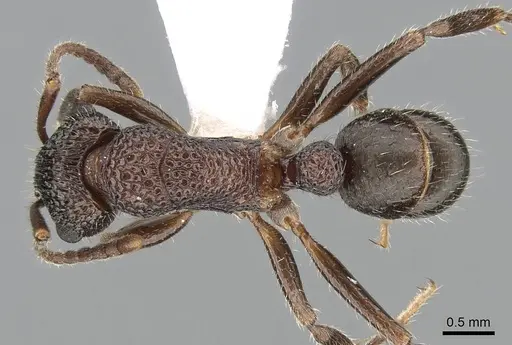
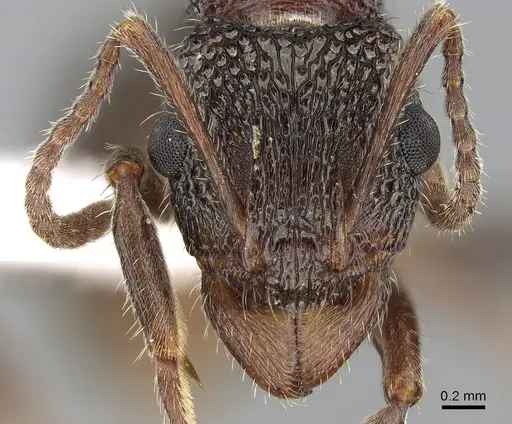
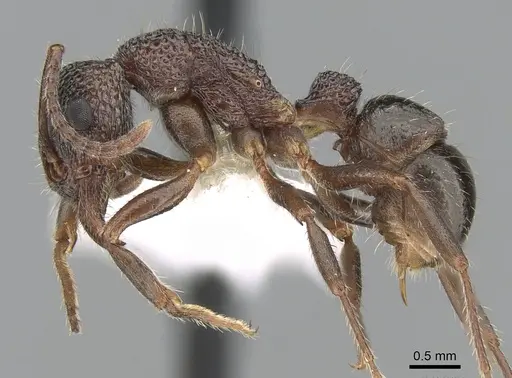
CASENT0903830
View on AntWeb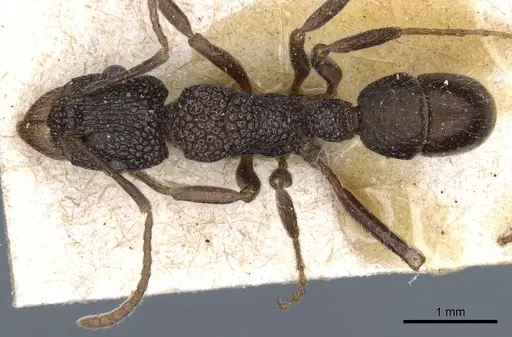
Literature
Loading distribution map...Loading products...