
Rhopalothrix apertor
- Sci. Name
- Rhopalothrix apertor
- Tribe
- Attini
- Subfamily
- Myrmicinae
- Author
- Longino & Boudinot, 2013
- Distribution
- Found in 1 countries
Introduction
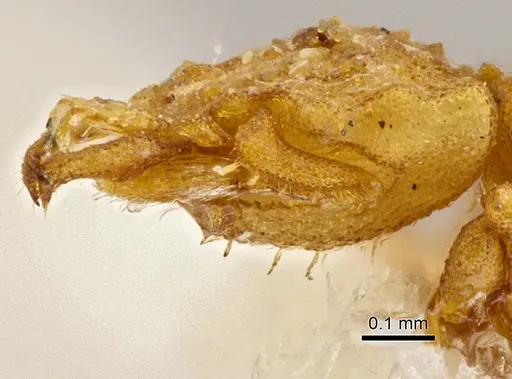
Rhopalothrix apertor is an extremely rare ant from the rainforests of Costa Rica . Workers are tiny - head width 0.54-0.74 mm, total body length not reported . The queen (gyne) measures about 3.0 mm total length . They live in the leaf litter of wet forests from 150 to 500 m elevation, with records up to 1700 m . All specimens have been collected from sifted leaf litter using Winkler extraction . The species name comes from its unusual mandible: a single, blunt, peg-like tooth that looks like a bottle opener . This species belongs to the monophyletic R. isthmica clade, centered in Central America . The most interesting thing about this ant is its striking mandible shape and the possibility that it may actually represent two cryptic species, since workers fall into two distinct size classes . Males and queens have been observed mating in copula .
Quick Summary
- Difficulty: Expert
- Origin & Habitat: Costa Rica lowland rainforest,150-500 m elevation (also recorded up to 1700 m), in wet forest leaf litter and soil [1][2][4]
- Colony Type: Colony structure is unconfirmed. Workers fall into two distinct size classes, possibly indicating cryptic species or polymorphism [1]. No multi-queen colonies have been documented.
- Size & Growth:
- Queen: ~3.0 mm total length (gyne) [2]
- Worker: Head width 0.54-0.74 mm, total body length not reported [1]
- Colony: Unknown, colony size has not been documented in scientific literature. Likely small based on cryptic lifestyle.
- Growth: Unknown, likely slow
- Development: Unconfirmed, no data available (No direct development data exists for this species.)
- Antkeeping:
- Temperature: Keep at 22-26°C, replicating warm lowland rainforest conditions [1]. Provide a gradient if possible.
- Humidity: High humidity is essential, these ants live in damp leaf litter. Keep the nest substrate consistently moist but not waterlogged [1].
- Diapause: Unknown, as a tropical Costa Rican species with little seasonal temperature variation, true diapause is unlikely. No specific recommendations [2].
- Nesting: In nature they inhabit leaf litter and soil. In captivity, use a very small test tube setup or small naturalistic terrarium with fine substrate, mimicking their microhabitat [1].
- Behavior: Extremely cryptic and rarely seen. Likely docile and non-aggressive, typical of tiny leaf-litter ants. They have a functional but mild sting (typical of Attini). Their tiny size makes escape prevention critical, they can slip through the smallest cracks. They are not active climbers, but any gap is a risk.
- Common Issues: extreme rarity makes obtaining this species nearly impossible, among the rarest ants in Costa Rica [1], tiny size requires excellent escape prevention, use fine mesh and airtight lids, no captive husbandry information exists, keeping them would be entirely experimental, colony size and social structure are completely undocumented, potential cryptic species means wild-caught colonies may contain multiple species [1]
Rarity and Collection
Rhopalothrix apertor is one of the rarest ant species in Costa Rica. In the Project ALAS Berlese study, it appeared in only 3 of 208 samples, and in the TEAM project miniWinkler samples, it was found in just 3 of over 1500 samples [1]. This makes it extraordinarily unlikely that you will ever encounter this species for sale in the antkeeping hobby. All specimens have been collected using specialized Winkler extraction methods from sifted leaf litter, they are not found by sweeping vegetation or looking under stones. The species was only described in 2013,and there is essentially no captive husbandry information available [1]. This is a species for advanced myrmecologists who might encounter it during field research in Costa Rica, not a species you will find in ant farms or from breeders.
Size and Identification
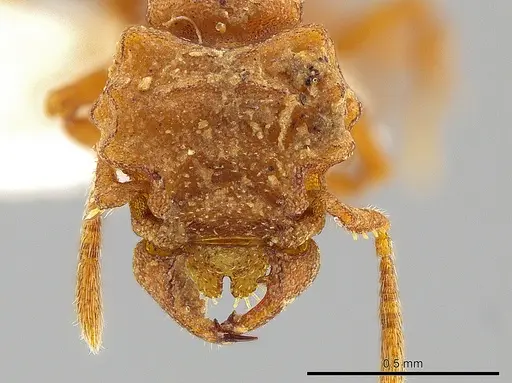
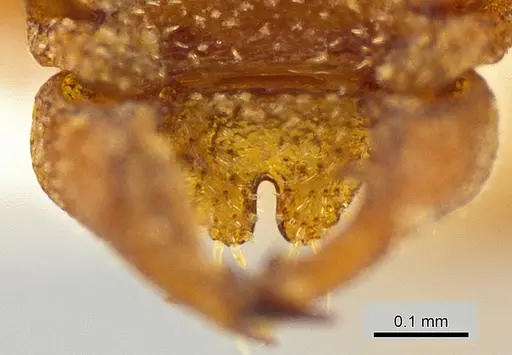
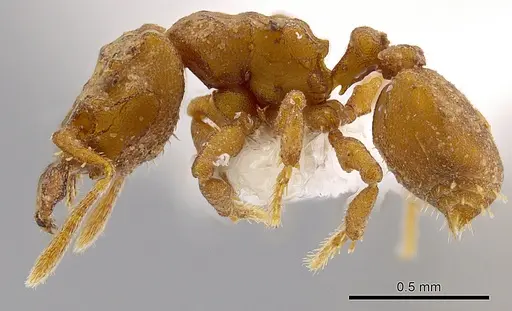
Workers of Rhopalothrix apertor are extremely small, with head widths ranging from 0.54-0.74 mm [1]. Their total body length has not been reported in scientific literature. The queen (gyne) measures about 3.0 mm total length [2]. The most distinctive feature is their mandible, it has a single large blunt peg-like tooth at about mid-length, which gives the species its name (apertor means bottle opener in Latin) [1]. The first gastral tergite is largely bare, with only one pair of squamiform scale-like setae at the posterolateral margins [1]. Workers fall into two distinct size classes, and researchers have noted there may be two cryptic species hiding under this name [1].
Natural History
In the wild, Rhopalothrix apertor lives in the leaf litter layer of mature wet lowland rainforests at elevations between 150-500 m [1]. However, more recent records show they occur at higher elevations too, they've been recorded at 1500 m in Monteverde and 1700 m [2]. The genus Rhopalothrix belongs to the monophyletic R. isthmica clade, which is restricted to the Neotropics with its center of diversity in Central America [3]. They are members of the fungus-growing ant tribe Attini, though their specific diet within that group is unknown. Males and queens have been observed mating, with specimens collected in copula [2]. Nothing is known about their nuptial flight timing, colony founding behavior, or colony structure in the wild.
Keeping This Species (Experimental)
If you somehow obtain this species, you would be entering completely uncharted territory. There is no documented captive care for Rhopalothrix apertor or likely any Rhopalothrix species. Based on their natural history [1][2], you would need to replicate their leaf-litter microhabitat: very high humidity, warm temperatures (22-26°C), and a tiny nest space scaled to their minute size. A small test tube setup with a very small water reservoir would be appropriate, or a small naturalistic terrarium with sifted forest floor material. Feeding would be speculative, as Attini ants, they likely eat fungus, but the specific substrate and method is unknown. Start with small amounts of organic material and observe. This species would only be appropriate for expert antkeepers with access to field-collected specimens and a research mindset. Do not expect to find this species available from any commercial ant breeder.
Related Species and Taxonomy
Rhopalothrix apertor belongs to the R. isthmica clade, a group of Central American species [3]. The genus as a whole is rare, inhabiting wet forest leaf litter and soil [3]. The species was described in 2013 by Longino and Boudinot, who noted the potential for cryptic species based on the two distinct worker size classes [1]. The male was only described in 2022 by Borysenko, who also documented the queen [2]. The most distinctive diagnostic character for identifying Rhopalothrix males is the apical fork of two long, spiniform teeth on the mandibles [2]. This species is endemic to Costa Rica and has not been found in neighboring countries.
Frequently Asked Questions
Is Rhopalothrix apertor available for purchase?
No. This is one of the rarest ant species in Costa Rica, appearing in only 3 of over 1500 samples in scientific surveys [1]. It has never been documented in the antkeeping hobby, and there are no known breeders. You would need to collect them yourself during field work in Costa Rica, which would require permits.
How big do Rhopalothrix apertor colonies get?
Unknown. Colony size has never been documented. Based on their tiny size and cryptic lifestyle, colonies are likely small, but no data exists [1].
What do Rhopalothrix apertor eat?
Unconfirmed. As Attini ants, they are likely fungus-growers, but their specific dietary requirements are unknown. In captivity, you would need to experiment with small amounts of organic material that might support fungal growth. This is entirely speculative.
Are Rhopalothrix apertor good for beginners?
No. This species is rated Expert difficulty: extreme rarity makes acquisition nearly impossible, there is no captive husbandry information, their tiny size requires specialized equipment, and keeping them would be completely experimental.
Do Rhopalothrix apertor need hibernation?
Unknown. As a Costa Rican species from lowland rainforest, they likely do not require a true diapause. Slight temperature reduction during winter months may be appropriate given their tropical elevation range (150-1700 m), but no specific recommendations exist [2].
How long does it take for Rhopalothrix apertor to develop from egg to worker?
Unconfirmed. No development data exists for this species. Based on typical Attini patterns for tiny species, one might guess 8-12 weeks at optimal temperature (22-26°C), but this is a rough guess with no supporting data.
Can I keep multiple Rhopalothrix apertor queens together?
Unknown. Colony structure has not been documented. The two worker size classes suggest potential cryptic species, so combining unrelated queens is not recommended without more information [1].
What makes Rhopalothrix apertor unique?
Several things: their mandibles have a single large blunt peg-like tooth that looks like a bottle opener (hence the name apertor), they are among the rarest ants in Costa Rica, and they may represent two cryptic species hiding under one name based on their two distinct size classes [1].
Where does Rhopalothrix apertor live?
Costa Rica only, specifically in lowland rainforest leaf litter at 150-500 m elevation, though they've also been found at higher elevations up to 1700 m [1][2]. All specimens have been collected from Winkler samples of sifted leaf litter.
Report an Issue
The current care sheet is based fully on literature. See inconsistencies, or something that's incorrect? Please , it will be resolved after review from an admin. Contributing to the blogs tab also helps providing information, to make us be able to further improve the caresheets. Thank you for your support!
References

This caresheet is licensed under CC BY-SA 4.0 .
Community Blogs
CASENT0629587
View on AntWeb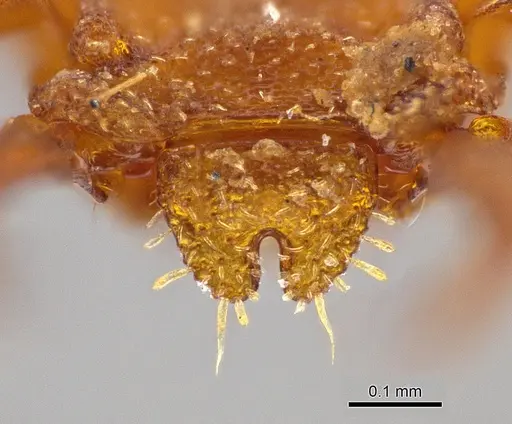
CASENT0629588
View on AntWeb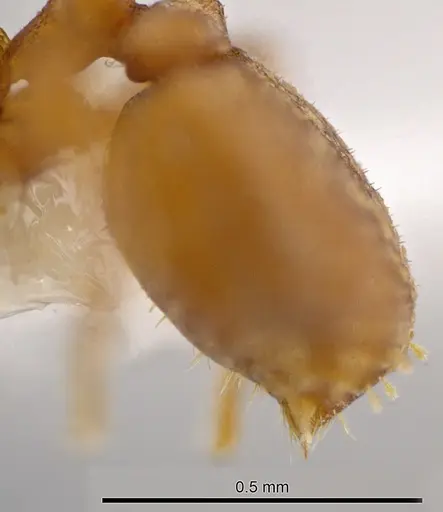
CASENT0629589
View on AntWeb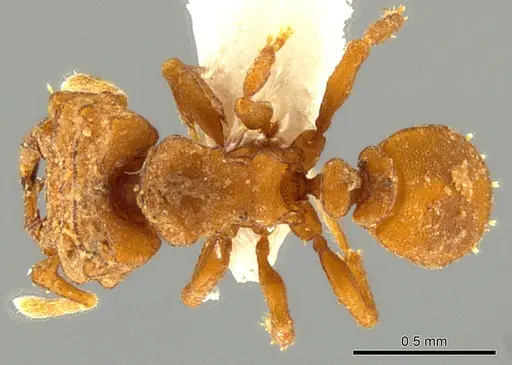
INB0003667720
View on AntWeb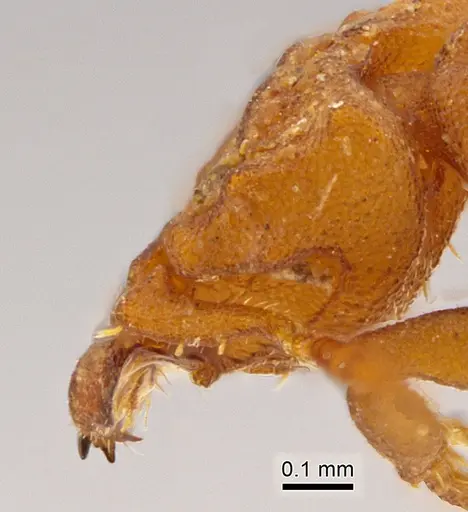
INBIOCRI001239546
View on AntWeb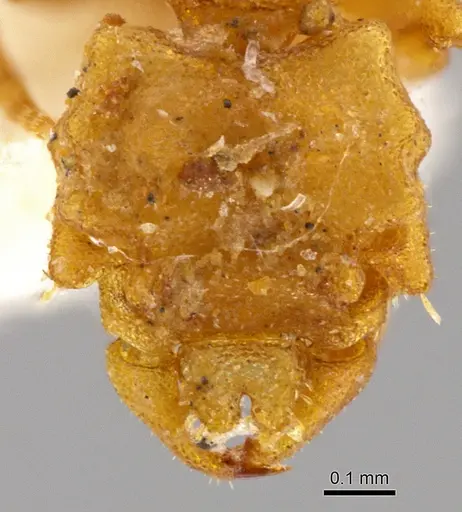
Literature
Loading distribution map...Loading products...