
Rasopone guatemalensis
- Sci. Name
- Rasopone guatemalensis
- Tribe
- Ponerini
- Subfamily
- Ponerinae
- Author
- Longino & Branstetter, 2020
- Distribution
- Found in 2 countries
Introduction
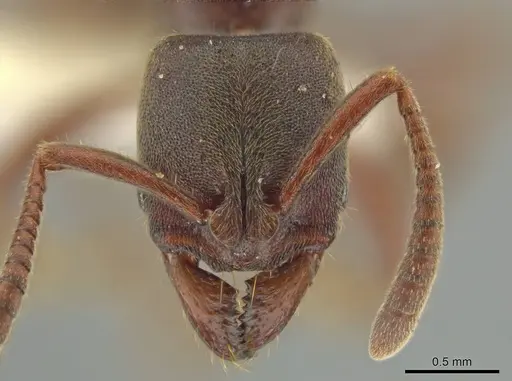
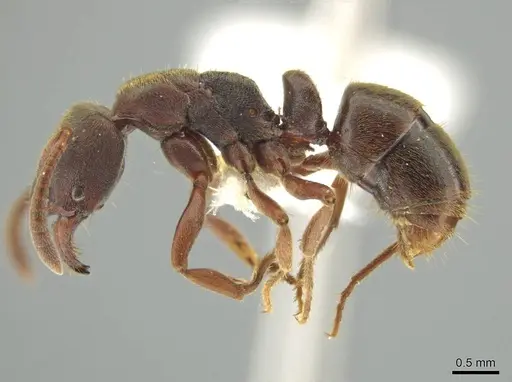
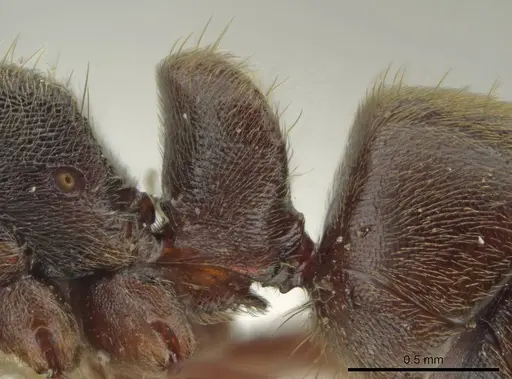
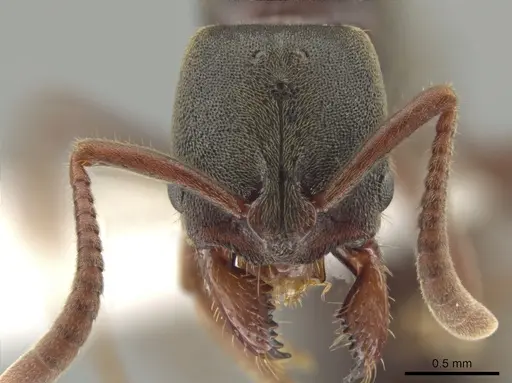
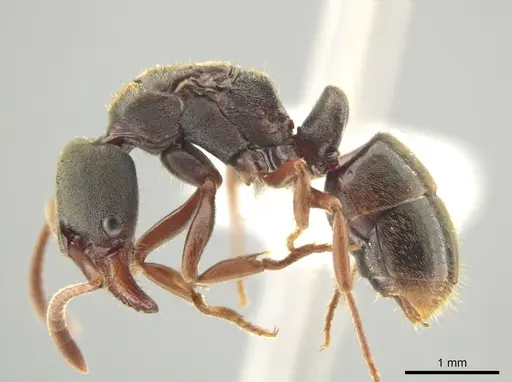
Rasopone guatemalensis is a medium-sized predatory ant native to the cloud forests of southern Mexico and Guatemala. Workers are estimated at 5-6 mm total length, queens slightly larger at 6-7 mm (inferred from Rasopone genus patterns). They have smooth, shiny mandibles and a distinctive tapering, scale-like petiolar node . These ants inhabit pine and oak forests, as well as diverse mesophyll forests, at elevations between 1270 and 1850 meters, where they nest in rotten wood and forest floor leaf litter . As a Ponerine ant, this species is predatory and uses its stinger to subdue prey. It is adapted to cool, humid cloud forest conditions at high elevation. This is a relatively newly described species (2020), so captive husbandry information is limited, but its natural history provides clear guidance for care .
Quick Summary
- Difficulty: Medium
- Origin & Habitat: Cloud forests of southern Mexico (Chiapas) and Guatemala at elevations of 1270-1850 m. They inhabit pine and oak forests as well as diverse mesophyll forests, nesting in rotten wood and leaf litter on the forest floor [1].
- Colony Type: Single-queen colonies (monogyne) are likely. Two dealate (wing-shed) queens have been documented, indicating normal queen reproduction [1].
- Size & Growth:
- Queen: ~6-7 mm (inferred from Rasopone genus patterns)
- Worker: ~5-6 mm (inferred from Rasopone genus patterns)
- Colony: Unknown in the wild, but likely moderate-sized colonies of several hundred workers based on genus patterns
- Growth: Moderate, based on typical Ponerine development patterns
- Development: Estimated 8-12 weeks at optimal temperature based on related Ponerine species [1] (Direct development data unavailable, estimates based on genus-level patterns for Ponerinae)
- Antkeeping:
- Temperature: Cool conditions required, aim for 18-22°C. Their cloud forest habitat at high elevation suggests they prefer temperatures cooler than typical room temperature. Avoid overheating [1].
- Humidity: High humidity essential, keep nest substrate consistently moist but not waterlogged. Their forest floor litter habitat indicates they need damp conditions. Provide a water reservoir and mist regularly [1].
- Diapause: Likely requires a cool period during winter months, given their high-elevation cloud forest origin. Reduce temperature to 12-15°C for 2-3 months [1].
- Nesting: Prefers humid nest setups such as naturalistic terrariums with soil and rotten wood, or Y-tong/plaster nests with good moisture retention. In the wild they nest in rotten wood and leaf litter [1].
- Behavior: Predatory ants that hunt small invertebrates. They use their stinger for prey capture (Ponerinae subfamily). Workers are active foragers on the forest floor. Moderate escape risk due to small size, use fine mesh barriers. May be defensive when threatened. Likely forms single-queen colonies with normal queen reproduction [1].
- Common Issues: overheating is a major risk, their cloud forest origin means they cannot tolerate warm conditions above 25°C, high humidity requirements can lead to mold if ventilation is poor, slow colony growth may frustrate beginners expecting fast development, small size makes escape prevention challenging without fine mesh, predatory diet requires live prey which may be difficult to source consistently
Temperature and Care
Rasopone guatemalensis requires cool, stable temperatures that reflect its cloud forest origins at 1270-1850 m elevation [1]. Keep the nest area at 18-22°C, this is cooler than most ant species and critical for colony health. Temperatures above 25°C can be stressful and potentially fatal. A heating cable on one side of the nest can create a gentle gradient, but many keepers find that room temperature (around 20°C) works well for this species. Monitor closely during summer months when temperatures rise. These ants are sensitive to thermal stress, so avoid placing their enclosure near heat sources or in direct sunlight.
Humidity and Nesting
High humidity is essential for this species. Its natural habitat in cloud forests and forest floor litter means it is adapted to consistently moist conditions [1]. Keep the nest substrate damp but not waterlogged, the substrate should feel like a wrung-out sponge. Provide a water reservoir in test tube setups to maintain humidity over time. For nesting, they do well in naturalistic setups with moist soil and rotten wood pieces, or in Y-tong/plaster nests that retain moisture well. Good ventilation is important to prevent mold, but avoid excessive airflow that dries out the nest. A small ventilation hole or mesh top works better than open-air enclosures.
Feeding and Diet
As a Ponerine ant, Rasopone guatemalensis is predatory and requires live small invertebrates. Offer small prey items like fruit flies, pinhead crickets, small mealworms, and other micro-arthropods. They are active hunters that forage on the forest floor, so place prey where workers can easily find and subdue it. Feed every 2-3 days, removing uneaten prey to prevent mold. A small amount of sugar water or honey can be offered occasionally, but protein-rich live prey should be the primary food source. Young colonies may accept even smaller prey like springtails or baby isopods.
Colony Founding
The founding behavior of this species has not been directly documented. It is unconfirmed whether the queen is claustral or semi-claustral. Two dealate queens have been found, suggesting normal queen reproduction after mating [1]. During the founding period, leave the queen undisturbed in a dark, humid location. Once workers emerge, they will begin foraging for prey. Colony growth is typically slow initially, with development from egg to worker taking an estimated 8-12 weeks based on related species [1].
Winter Care and Diapause
Given their high-elevation cloud forest origin, these ants likely require a winter rest period [1]. Reduce temperatures to 12-15°C for 2-3 months during winter, mimicking natural seasonal cycles. This diapause period helps regulate colony biology and supports healthy development. During hibernation, reduce feeding to once every 2-3 weeks, the colony will be less active and require less food. Ensure the nest does not dry out completely during this period, but reduce humidity slightly to prevent mold issues. Return to normal temperatures gradually in spring.
Behavior and Temperament
Rasopone workers are active foragers that hunt prey on the forest floor. As Ponerinae ants, they possess a functional stinger and can deliver a painful sting if threatened, this is their primary defense mechanism. They are not aggressive toward humans unless provoked, but will defend their nest vigorously. Workers are relatively small, giving them moderate escape ability, use fine mesh (0.5mm or smaller) on all openings. Colonies are likely single-queen based on documented queen numbers, with normal queen reproduction (two dealate queens have been documented) [1]. The colony structure appears stable with no supercolonial behavior observed.
Frequently Asked Questions
How long does it take for Rasopone guatemalensis to produce first workers?
Based on typical Ponerine development, expect 8-12 weeks from egg to first worker at optimal temperature (around 20°C). This is slower than many common ant species, so patience is required during founding [1].
What temperature do Rasopone guatemalensis ants need?
Keep them cool at 18-22°C. Their cloud forest habitat at 1270-1850 m elevation means they cannot tolerate warm conditions, temperatures above 25°C can be fatal. Room temperature often works well [1].
Can I keep multiple Rasopone queens together?
Not recommended. This species appears to be monogyne (single-queen colonies), and combining unrelated queens typically results in fighting. Each colony should have only one founding queen [1].
What do Rasopone guatemalensis eat?
They are predatory ants that need live small invertebrates. Offer fruit flies, small crickets, mealworms, springtails, and other micro-arthropods. Feed every 2-3 days with protein-rich prey.
Are Rasopone guatemalensis good for beginners?
This species is rated as medium difficulty. Their high humidity and cool temperature requirements, combined with slow growth and predatory diet, make them better suited for keepers with some ant-keeping experience [1].
Do Rasopone ants need hibernation?
Yes, a winter rest period is likely required given their high-elevation cloud forest origin. Reduce temperature to 12-15°C for 2-3 months during winter to support natural colony cycles [1].
What size colony do Rasopone guatemalensis reach?
Colony size in the wild is unknown, but based on genus patterns, they likely reach several hundred workers. Growth is moderate but slow initially during founding [1].
How do I set up a nest for Rasopone ants?
Use a naturalistic setup with moist soil and rotten wood pieces, or a Y-tong/plaster nest that retains humidity well. They need consistently damp substrate and good ventilation to prevent mold [1].
Why are my Rasopone ants dying?
Common causes include overheating (keep below 25°C), low humidity (keep substrate moist), inadequate prey (they need live protein), and stress from disturbance during founding. Check these parameters first.
Report an Issue
The current care sheet is based fully on literature. See inconsistencies, or something that's incorrect? Please , it will be resolved after review from an admin. Contributing to the blogs tab also helps providing information, to make us be able to further improve the caresheets. Thank you for your support!
References

This caresheet is licensed under CC BY-SA 4.0 .
Community Blogs
CASENT0611754
View on AntWeb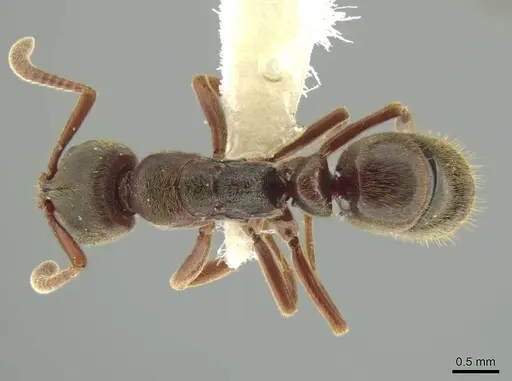
CASENT0612926
View on AntWeb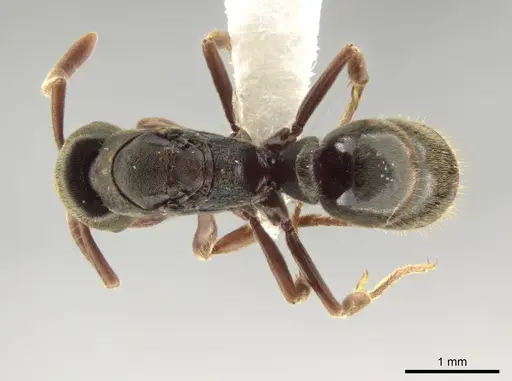
Literature
Loading distribution map...Loading products...