
Rasopone costaricensis
- Sci. Name
- Rasopone costaricensis
- Tribe
- Ponerini
- Subfamily
- Ponerinae
- Author
- Longino & Branstetter, 2020
- Distribution
- Found in 2 countries
Introduction
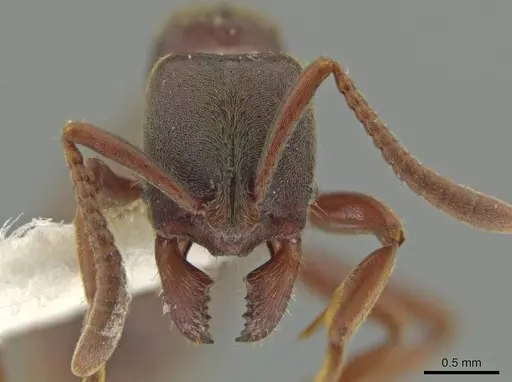
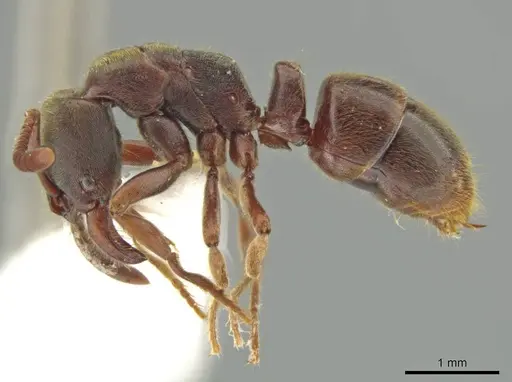
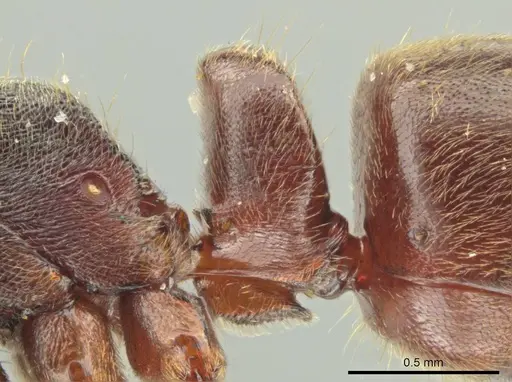
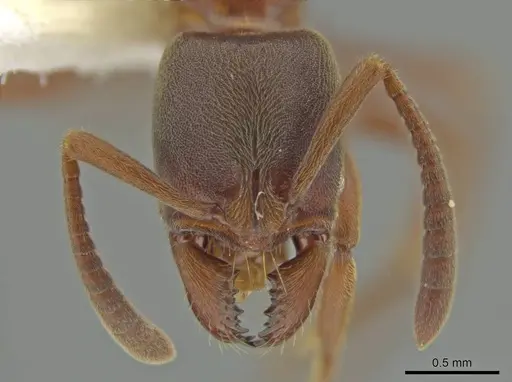
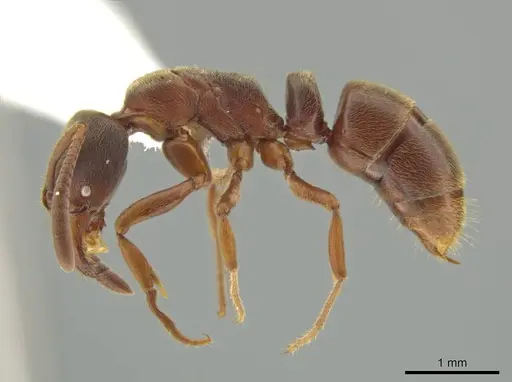
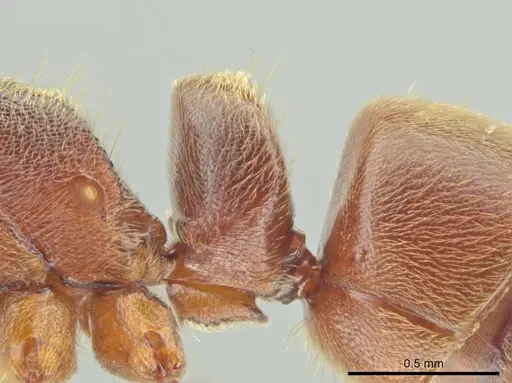
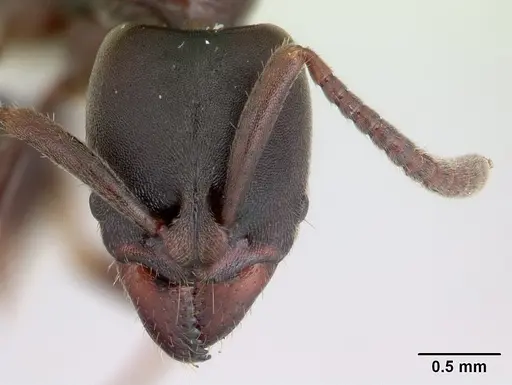
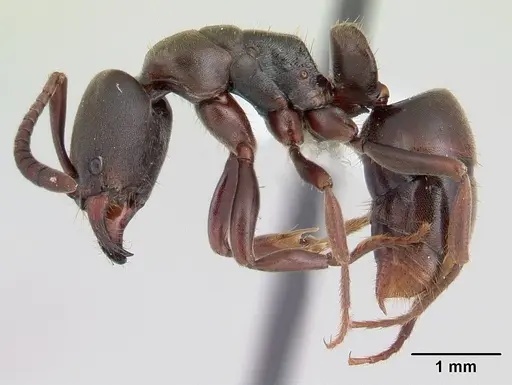
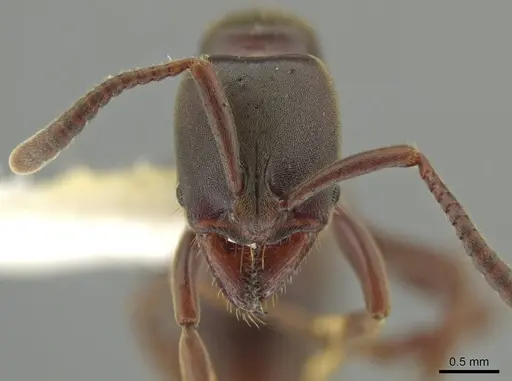
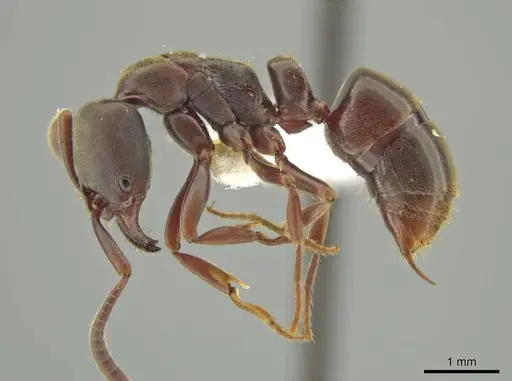
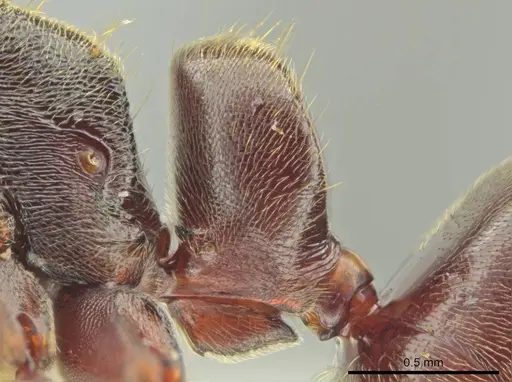
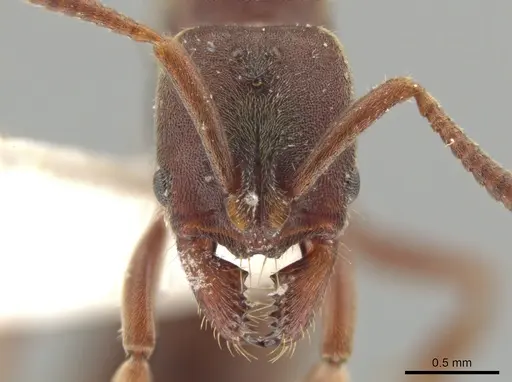
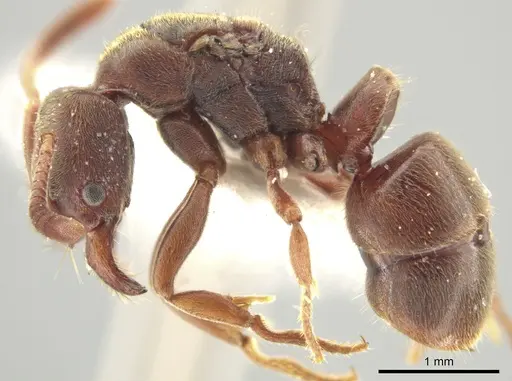
Rasopone costaricensis is a small ant from the subfamily Ponerinae, meaning workers have a functional stinger. This species is actually a complex of several closely related cryptic forms found only in cloud forest habitats of Costa Rica and Panama, at elevations between 1000 and 2000 meters. Head width measurements indicate a small ant (workers 1.09-1.41 mm head width, queens 1.08-1.27 mm), but total body length has not been recorded. The different forms vary in size, mandible texture (some smooth, others striate), and petiole shape. This is one of the more obscure ant genera in the hobby, with almost no captive breeding history, making it a species for experienced antkeepers interested in unusual Neotropical species .
Quick Summary
- Difficulty: Expert
- Origin & Habitat: Cloud forests of Costa Rica and Panama, elevations 1000-2000 m. Workers are found in leaf litter, under rotten wood, and beneath epiphytes in treefalls. Nests are located in soil, one nest was found under epiphytes [1][2].
- Colony Type: Colony structure is not well documented. The species complex contains multiple sympatric forms that may specialize on different microhabitats. A dealate queen was found beneath a stone, suggesting solitary queen founding. It is unknown if colonies are single-queen or multi-queen [1].
- Size & Growth:
- Queen: Size data unavailable (head width 1.08-1.27 mm) [1]
- Worker: Size data unavailable (head width 1.09-1.41 mm) [1]
- Colony: Likely small, based on collection data (workers collected individually or in small numbers) and typical Ponerinae patterns, colonies probably stay under 100 workers [1]
- Growth: Unknown (likely slow, based on typical Ponerinae development)
- Development: Unconfirmed. Based on typical Ponerinae patterns, expect 6-10 weeks at optimal temperature (Development has not been directly studied. Ponerine ants typically have slower development than many Myrmicinae species.)
- Antkeeping:
- Temperature: Keep cool compared to most tropical ants. Cloud forest habitat suggests they prefer temperatures in the high teens to low twenties Celsius. Start around 18-22°C and observe activity. Avoid temperatures above 25°C, they are sensitive to overheating [1].
- Humidity: High and consistent. Cloud forests are constantly moist. Keep the nest substrate damp but not waterlogged. Provide a humidity gradient and mist the outworld regularly. A hydration reservoir in the nest helps [1].
- Diapause: Unknown. The habitat experiences seasonal temperature variation, so a cool period (around 15-18°C) may be beneficial if the colony slows down in winter. Do not force diapause without observing signs of dormancy [1].
- Nesting: In nature they nest in soil, with workers foraging in leaf litter. One nest was under epiphytes. For captivity, a naturalistic setup with moist soil is best. Use a formicarium with a dirt chamber or a plaster nest with a hydration area. Provide lots of hiding spots and leaf litter in the outworld for foraging [1].
- Behavior: Workers are secretive, nocturnal foragers in leaf litter, hunting small invertebrates. As Ponerinae, they have a functional stinger and can deliver a painful sting if provoked, but they are not aggressive and will usually flee. Escape risk is moderate given their size, standard barriers work. They are shy and prefer dark, humid conditions [1].
- Common Issues: no established captive breeding history, obtaining a colony is extremely difficult, high humidity requirements make mold a constant risk, ensure good ventilation while keeping substrate damp, overheating kills quickly, never exceed 25°C, predatory diet may be hard to meet, they need live small invertebrates, not just commercial foods, slow growth and small colony size make them vulnerable to stress and inexperience
Housing and Nest Setup
Rasopone costaricensis needs a setup that mimics a cloud forest floor. A naturalistic formicarium with moist soil or a plaster/acrylic nest with a hydration chamber works well. The nest chamber should stay damp but never waterlogged. Provide a deep layer of substrate in the outworld, these ants hunt through leaf litter. Include pieces of rotting wood, leaf litter, and small hiding spots to simulate their environment. Because they nest in soil, a dirt-filled setup is more appropriate than an artificial nest. Make sure there is good ventilation to prevent mold while keeping humidity high [1].
Feeding and Diet
As a Ponerinae ant, Rasopone is likely a predator that hunts small invertebrates in leaf litter. Offer small live prey like springtails, fruit flies, tiny mealworms, and other micro-arthropods. Prey should be small enough for workers to handle, items much larger than themselves will be ignored. Sugar sources may be accepted occasionally, but protein-rich live prey should be the main diet. Feed every 2-3 days and remove uneaten food after 24 hours. These secretive ants may not take food in open areas, provide cover and hiding spots in the feeding zone [1].
Temperature and Seasonal Care
Temperature is critical. Rasopone costaricensis comes from high-elevation cloud forests (1000-2000 m) and prefers cool, stable temperatures. Keep the nest area around 18-22°C. Never let it exceed 25°C, as they are not adapted to heat. Room temperature is often suitable, but monitor during warm months. If you use a small heating cable on one side to create a gradient, use it very sparingly. In winter, if room temperature drops, the colony may slow down naturally. Do not force hibernation unless you see clear signs of dormancy [1].
Behavior and Handling
Workers are small, secretive foragers that spend most of their time hunting through leaf litter and soil. They are not aggressive toward humans but have a functional stinger and will sting if threatened or handled roughly. When disturbed, they usually flee or hide. These ants are not ideal for observation-focused setups, they prefer dark, humid environments and stay hidden much of the time. Activity is higher in the evening and night. Colony size remains small, so you won't see large swarms. Handle with care and respect their secretive nature [1].
Obtaining a Colony
Rasopone costaricensis is extremely rare in the antkeeping hobby. There is no established captive breeding program, and wild collection is difficult due to the remote cloud forest habitat and the ants' cryptic nature. If you obtain a colony, it will likely be through specialized importers or researchers working in Costa Rica or Panama. Expect to pay premium prices if available at all. This species is recommended only for experienced antkeepers who have successfully kept other Ponerinae and can provide the specific cool, humid conditions [1].
Frequently Asked Questions
Is Rasopone costaricensis suitable for beginners?
No. This species is not for beginners. It has no captive breeding history, requires specific cool and humid cloud forest conditions that are hard to maintain, and is extremely difficult to obtain. Experienced antkeepers interested in unusual Neotropical species should start with more established Ponerinae like Ponera or Cryptopone first [1].
Can I keep Rasopone costaricensis in a test tube setup?
A test tube alone is not ideal. These ants need high humidity and a naturalistic foraging area with substrate. You could use a test tube as a water reservoir, but the colony needs a proper formicarium with moist soil or a hydration chamber to thrive long-term. A naturalistic dirt-filled setup better mimics their soil-nesting behavior [1].
What do Rasopone costaricensis eat?
They are predators that hunt small invertebrates in leaf litter. Feed small live prey like springtails, fruit flies, tiny mealworms, and other micro-arthropods. Appropriately sized live prey is essential, they cannot tackle large items. Sugar sources may be accepted occasionally but should not be the primary food. Offer protein prey 2-3 times per week [1].
How long does it take for the first workers to emerge?
The development timeline has not been directly documented. Based on typical Ponerinae patterns, expect about 6-10 weeks from egg to first worker at optimal temperature. However, this is an estimate, actual development may be slower given their high-elevation origin and lack of captive data [1].
What temperature do Rasopone costaricensis need?
Keep them cool compared to typical tropical ants. The ideal range is 18-22°C in the nest area. They come from high-elevation cloud forests and are sensitive to heat, never exceed 25°C. Room temperature is often suitable, but monitor during warm months. A slight gradient lets them choose their preferred spot [1].
How big do Rasopone costaricensis colonies get?
Based on collection data showing workers captured individually or in small numbers, colonies likely remain small, probably under 100 workers at maturity. This is typical for many Ponerinae species that rely on individual hunting rather than large colony networks [1].
Do they need hibernation or diapause?
Diapause requirements are unknown. Their high-elevation cloud forest habitat does experience seasonal temperature variation, so a cool period during winter may be beneficial. If your room temperature drops naturally in winter, the colony will likely slow down. Do not force hibernation unless you see clear signs of dormancy [1].
Why are my Rasopone costaricensis dying?
Common causes: overheating (above 25°C is often fatal), low humidity (cloud forest ants need constant moisture), mold from poor ventilation, stress from excessive disturbance, and inadequate prey (they need live small invertebrates, not commercial foods). This species is extremely sensitive, check temperature and humidity first [1].
Can I keep multiple queens together?
Colony structure (single-queen vs multi-queen) has not been documented for this species. Do not attempt to combine unrelated queens, there is no data on whether they accept co-founding or tolerate multiple queens. If you obtain multiple queens, house them separately until you have more information [1].
Where can I get Rasopone costaricensis?
This species is extremely rare in the antkeeping hobby and is not commercially available from major suppliers. Obtaining a colony would require connections to specialized importers, researchers in Costa Rica/Panama, or very rare specialty dealers. Expect to pay premium prices if available. Consider whether your setup can handle this difficult species before seeking one [1].
Are Rasopone ants dangerous to keep?
They are not dangerous to keep responsibly. They have a functional stinger but are not aggressive, they only sting if directly threatened or handled roughly. The main challenges are meeting their specific environmental needs (cool temperatures, high humidity), not any danger they pose. Standard antkeeping safety practices are sufficient [1].
Report an Issue
The current care sheet is based fully on literature. See inconsistencies, or something that's incorrect? Please , it will be resolved after review from an admin. Contributing to the blogs tab also helps providing information, to make us be able to further improve the caresheets. Thank you for your support!
References

This caresheet is licensed under CC BY-SA 4.0 .
Community Blogs
CASENT0635809
View on AntWeb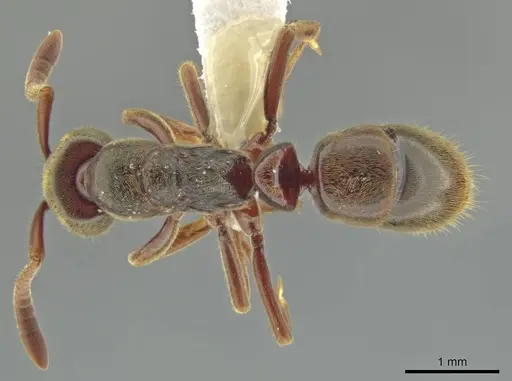
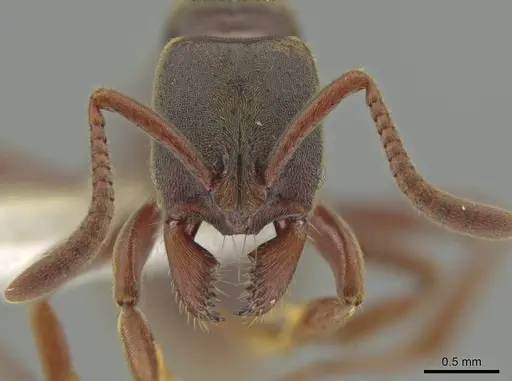
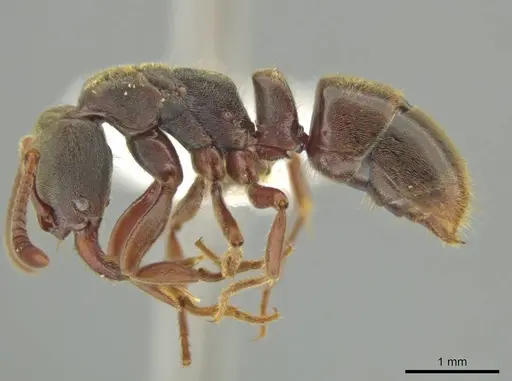
INB0003223929
View on AntWeb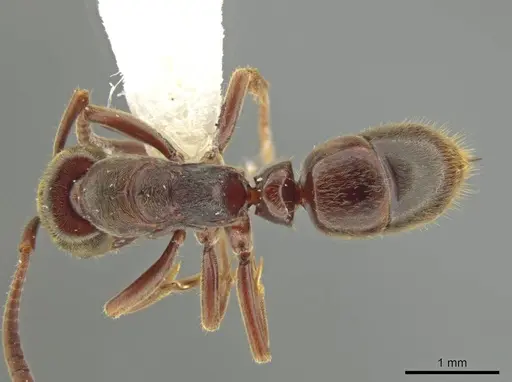
INB0003659307
View on AntWeb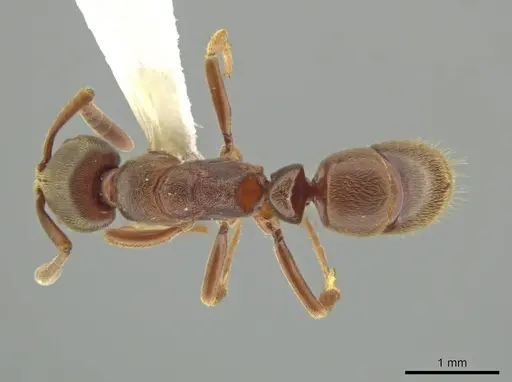
INB0003659311
View on AntWeb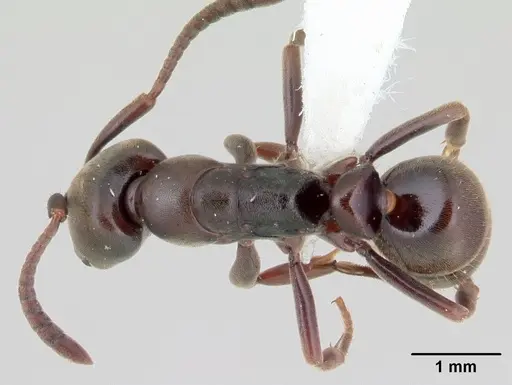
INB0003659312
View on AntWeb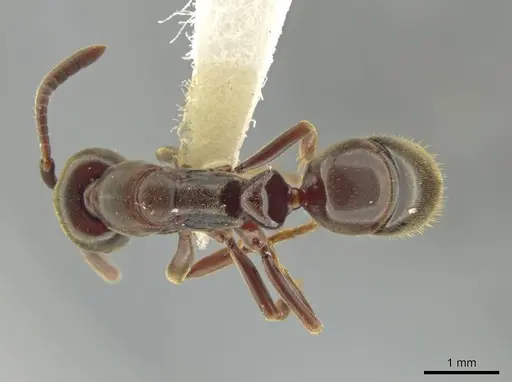
INB0003664857
View on AntWeb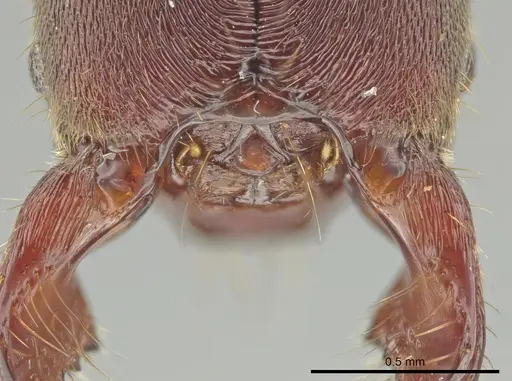
INBIOCRI001280801
View on AntWeb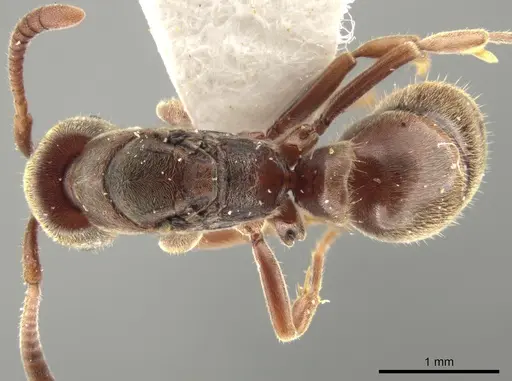
Literature
Loading distribution map...Loading products...