
Pseudoponera cognata
- Sci. Name
- Pseudoponera cognata
- Tribe
- Ponerini
- Subfamily
- Ponerinae
- Author
- Emery, 1896
- Distribution
- Found in 5 countries
Introduction
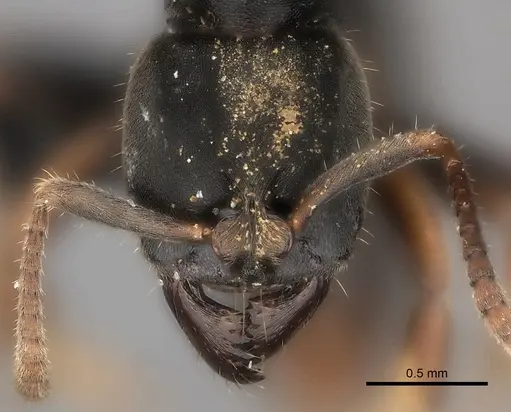
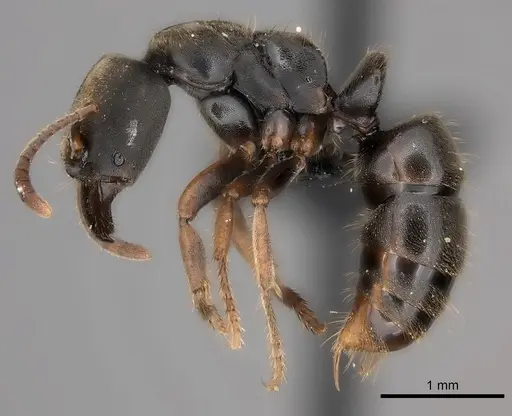
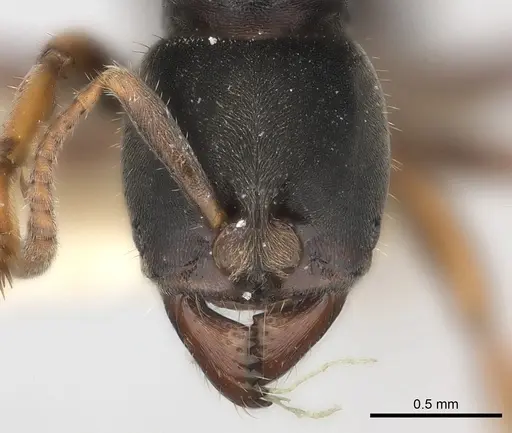
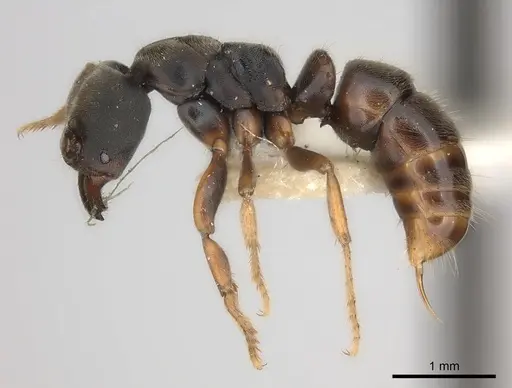
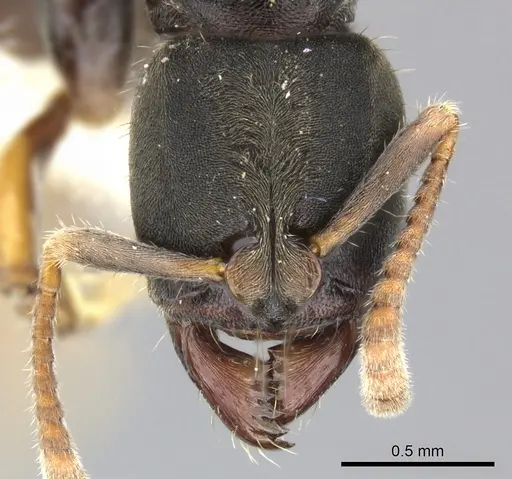
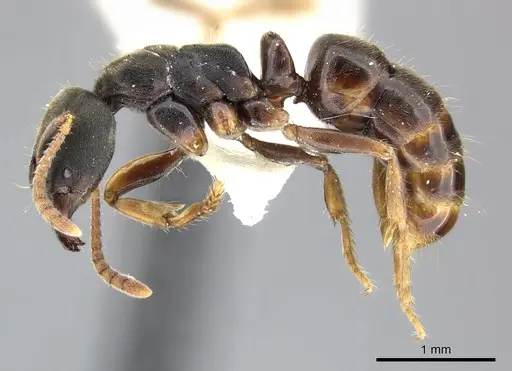
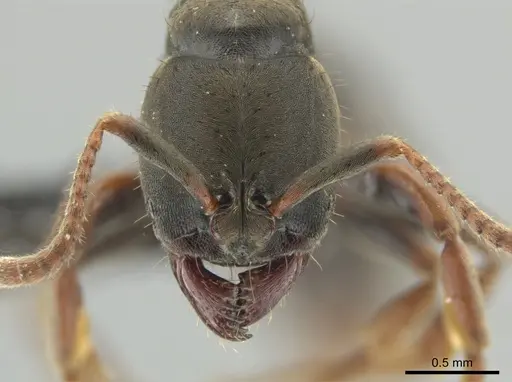
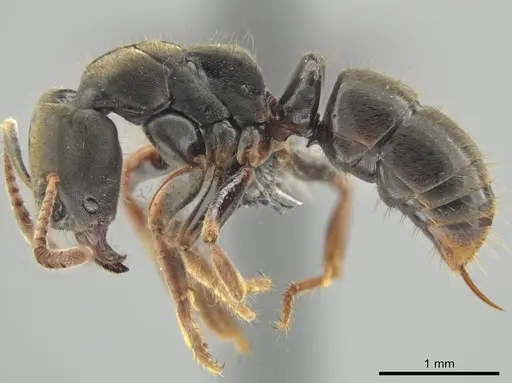
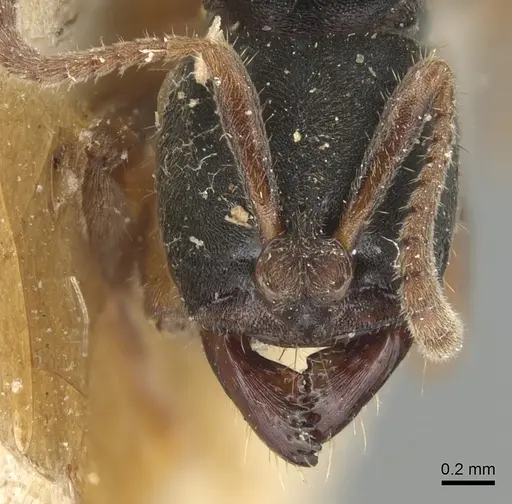
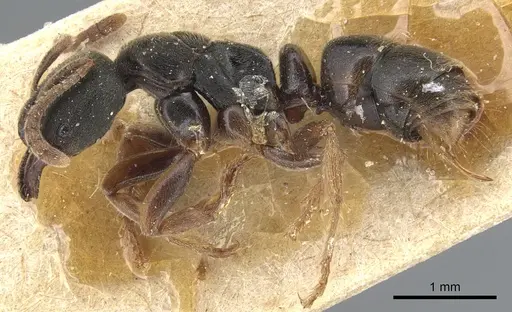
Pseudoponera cognata is a small reddish-brown ant from the Neotropical region, found in Costa Rica, Panama, and Colombia . Workers are about 5 mm long, and queens are slightly larger at 6-7 mm . You can identify them by their seven mandibular teeth (compared to six in similar species like Pseudoponera succedanea and Pseudoponera stigma) and closely spaced frontal carinae . In the wild, they nest in rotten logs, stumps, and under bark, often near forest clearings in tropical rainforests at elevations of 450-1150 m . As members of the Ponerinae subfamily, they have a functional stinger.
Quick Summary
- Difficulty: Medium
- Origin & Habitat: Tropical rainforests of Costa Rica, Panama, and Colombia, at elevations of 450-1150 m [1][2]. Nests in rotten logs, stumps, and under bark, often near clearings at forest edges [2].
- Colony Type: Colony structure is unconfirmed. Based on typical Ponerinae patterns, likely monogyne (single queen), but this has not been directly documented.
- Size & Growth:
- Queen: 6-7 mm [2]
- Worker: About 5 mm [2]
- Colony: Unknown, no colony size data available in literature
- Growth: Unknown, no development data available for this species
- Development: Unknown, no direct data exists. Based on typical Ponerinae patterns in tropical species, estimate 4-8 weeks at optimal temperature. (Development time is unconfirmed. Related Ponerinae species typically develop faster in warm, tropical conditions.)
- Antkeeping:
- Temperature: Keep at 24-28°C. As a tropical species from lowland rainforests, they need warm conditions [2]. A heating cable on one side of the nest creates a suitable gradient.
- Humidity: High humidity required, keep the nest substrate consistently moist but not waterlogged. These ants naturally live in damp rotting wood, so aim for a constant damp feel [2].
- Diapause: No, this tropical species does not need hibernation. Maintain warm conditions year-round [2].
- Nesting: Naturalistic setups with rotting wood, cork bark, and damp soil work best. Y-tong/plaster nests that retain moisture are also suitable. Ensure the nest is dark and enclosed, mimicking their natural rotting-log habitat [2].
- Behavior: As Ponerinae ants, they are predatory and hunt small invertebrates. They have a functional stinger and can deliver a painful sting if threatened. Workers are not aggressive by default but will defend the nest. Despite their moderate size (~5 mm), standard escape prevention (Fluon on edges) is recommended as they can climb. Their small eyes suggest nocturnal or crepuscular foraging, though this is not confirmed.
- Common Issues: dry conditions quickly kill colonies due to high humidity needs, lack of documented care information makes trial-and-error inevitable, stinging capability means they can deliver painful stings when provoked, slow colony development may frustrate beginners expecting fast growth, wild-caught colonies may carry parasites that cause captive failures
Housing and Nest Setup
Use a naturalistic terrarium with damp soil, rotting wood pieces, and cork bark to mimic their natural habitat [2]. Alternatively, a Y-tong (aerated concrete) or plaster nest works well if you maintain high humidity. The nest must be dark, these ants naturally nest inside rotten logs with minimal light. Connect a small water tube to the nest chamber or use a moisture gradient to keep the substrate damp. Avoid completely dry formicaria, as dry conditions will quickly kill the colony.
Feeding and Diet
Like other Ponerinae ants, Pseudoponera cognata is likely predatory, feeding on small invertebrates in the wild. In captivity, offer small live prey such as fruit flies, pinhead crickets, small mealworms, and other tiny insects. They may also accept honey water or other sugar sources, though this is unconfirmed. Feed every 2-3 days and remove uneaten prey after 24 hours to prevent mold. Since exact dietary preferences are unknown, provide a variety of small live prey to see what they readily accept.
Temperature and Humidity
As a tropical species, Pseudoponera cognata needs warm and humid conditions [2]. Keep the nest area at 24-28°C, with a heating cable on one side to create a gradient. Humidity should be high, the substrate must feel consistently damp but never waterlogged. Mist the outworld occasionally and ensure the nest has a constant water source. Poor humidity is the most common cause of colony failure. Monitor condensation on nest walls as an indicator of adequate moisture.
Handling and Temperament
Pseudoponera cognata belongs to the Ponerinae subfamily and has a functional stinger. They are not typically aggressive but will defend their nest if threatened. Move slowly when working with them and avoid direct disturbance. If provoked, they can deliver a painful sting similar to other Ponerinae ants. Use gentle handling techniques, and keep escape prevention in place (Fluon on container edges). Though not especially fast escape artists, their climbing ability means prevention is still necessary.
Colony Establishment
When starting a colony from a founding queen, place her in a small test tube setup with a water reservoir. Keep it warm (around 26°C) and completely dark. The founding chamber should be humid but not wet. Since founding behavior is unconfirmed for this species, assume claustral founding (queen lives off stored reserves without foraging) as is typical for Ponerinae. Do not disturb the setup for at least 4-6 weeks. Once workers appear, you can begin offering small prey. Colony growth will likely be slow, as is common with Ponerinae species. Patience is essential.
Frequently Asked Questions
How long does it take for Pseudoponera cognata to raise first workers?
The exact development time is unconfirmed. Based on typical Ponerinae patterns in tropical conditions, expect 4-8 weeks from egg to first worker at optimal temperature (around 26°C). Do not disturb the queen for at least 4-6 weeks.
What do Pseudoponera cognata ants eat?
They are predatory, feeding on small invertebrates. In captivity, offer small live prey like fruit flies, pinhead crickets, small mealworms, and other tiny insects. They may also accept honey water or other sugar sources, though this is not confirmed. Provide a varied diet to determine their preferences.
Do Pseudoponera cognata need hibernation?
No, they do not need hibernation. As a tropical species from Costa Rica, Panama, and Colombia, they are adapted to year-round warm conditions. Keep temperatures at 24-28°C throughout the year without seasonal cooling [2].
What humidity level do Pseudoponera cognata need?
High humidity is essential, keep the nest substrate consistently damp but not waterlogged. These ants naturally live in damp rotting wood in tropical rainforests [2]. Poor humidity is one of the most common causes of colony failure.
Are Pseudoponera cognata good for beginners?
This species is rated Medium difficulty. While not extremely challenging, the lack of documented care information makes it less ideal for complete beginners. Experienced antkeepers who can maintain warm, humid conditions will have better success. Their stinging ability also requires careful handling.
How big do Pseudoponera cognata colonies get?
The maximum colony size is unknown, no colony size data exists in the scientific literature. Based on typical Ponerinae patterns, colonies likely reach several hundred workers at most. Growth rate is also unconfirmed but expected to be slow to moderate.
Can I keep multiple Pseudoponera cognata queens together?
This has not been documented. Based on typical Ponerinae behavior, they likely form single-queen colonies (monogyne). Combining unrelated queens is not recommended as it may result in aggression. If you obtain a wild colony, it likely has only one reproductive queen.
What is the best nest type for Pseudoponera cognata?
Naturalistic setups with rotting wood, cork bark, and damp soil work best as they mimic their natural habitat [2]. Y-tong or plaster nests are also suitable if you maintain high humidity. The nest must be dark and enclosed, as these ants naturally nest inside rotten logs away from light.
Where is Pseudoponera cognata found in the wild?
They are native to the Neotropical region, specifically Costa Rica, Panama, and Colombia [1][2]. They inhabit tropical rainforests and mature lowland rainforests at elevations of 450-1150 m. Nests are found in rotten logs, stumps, and under bark, often near forest clearings [2].
Report an Issue
The current care sheet is based fully on literature. See inconsistencies, or something that's incorrect? Please , it will be resolved after review from an admin. Contributing to the blogs tab also helps providing information, to make us be able to further improve the caresheets. Thank you for your support!
References

This caresheet is licensed under CC BY-SA 4.0 .
Community Blogs
CASENT0008155
View on AntWeb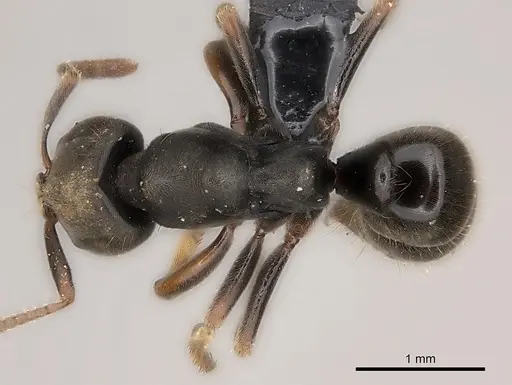
CASENT0217553
View on AntWeb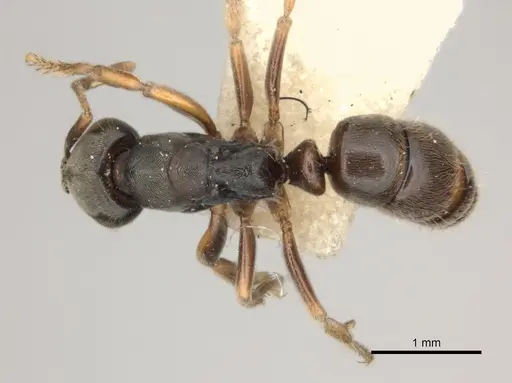
CASENT0249135
View on AntWeb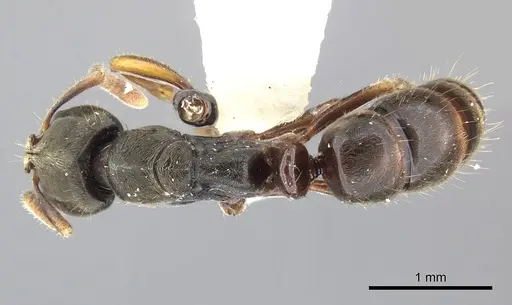
CASENT0649092
View on AntWeb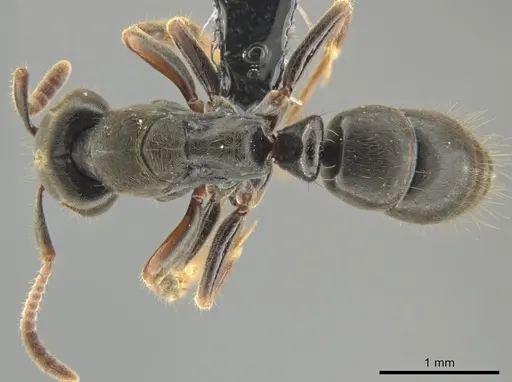
CASENT0903943
View on AntWeb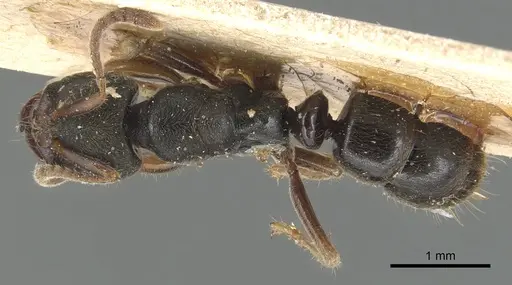
Literature
Loading distribution map...Loading products...