Pseudoneoponera rufipes shows a January to October activity window. Peak activity occurs in August, with queen sightings distributed across 6 months. This extended season suggests multiple flight events or varying conditions across its range.
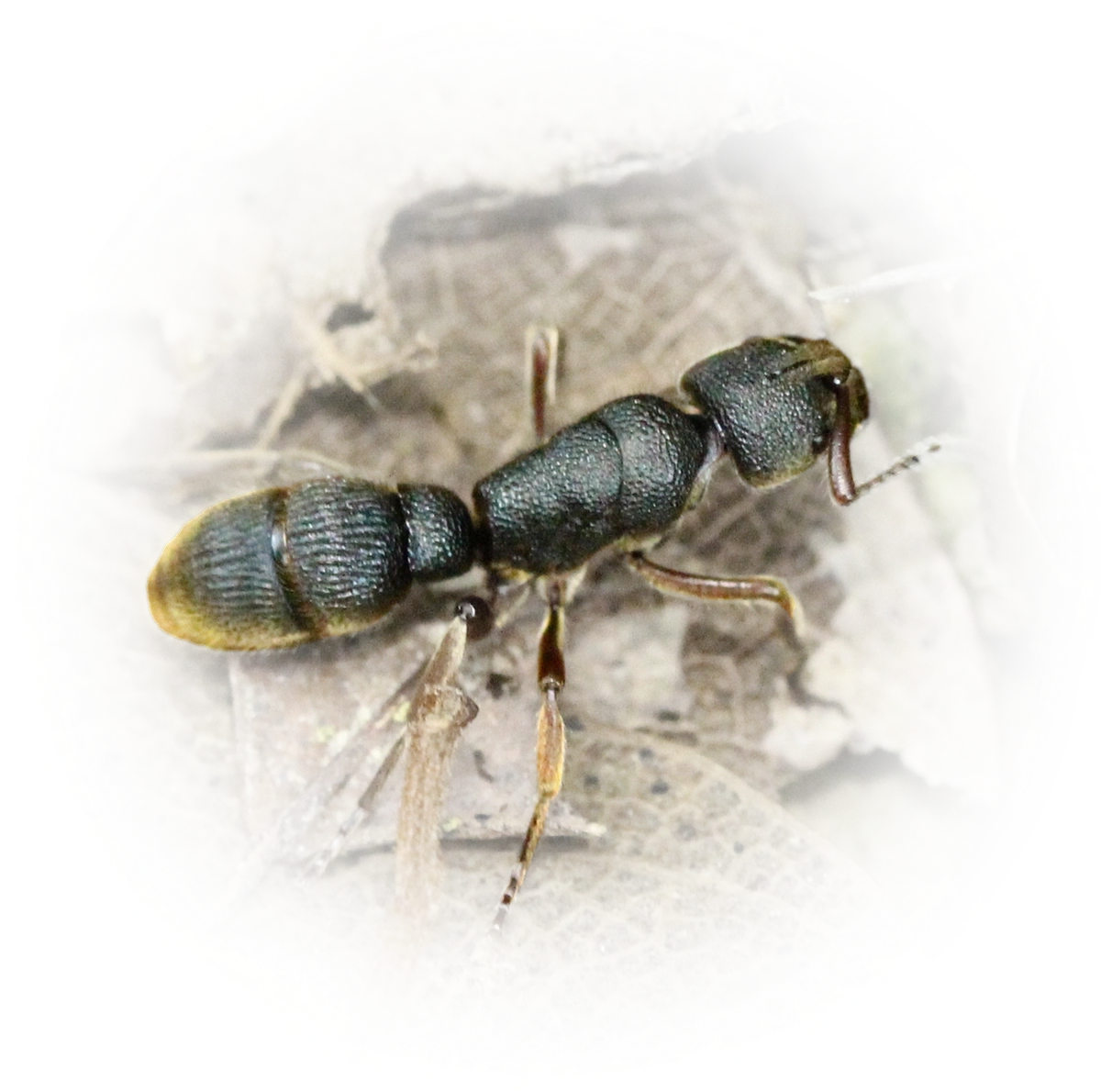
Pseudoneoponera rufipes
- Sci. Name
- Pseudoneoponera rufipes
- Tribe
- Ponerini
- Subfamily
- Ponerinae
- Author
- Jerdon, 1851
- Distribution
- Found in 8 countries
- Queen Activity
- From January to October
- Peak Time
- 07:00
AI Identifiable
try →
Introduction
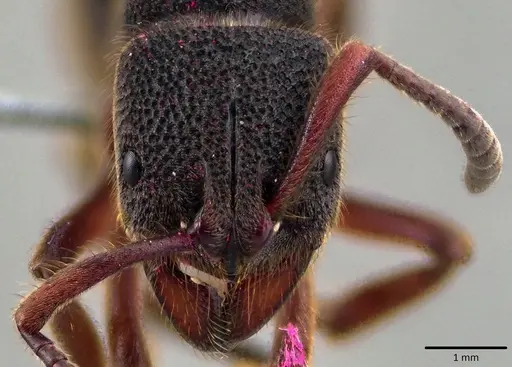
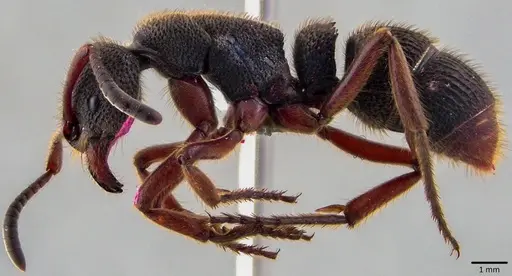
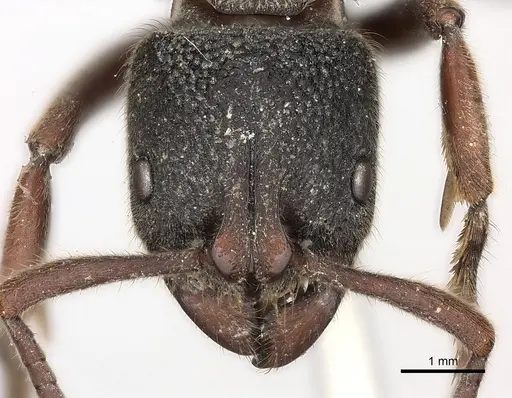
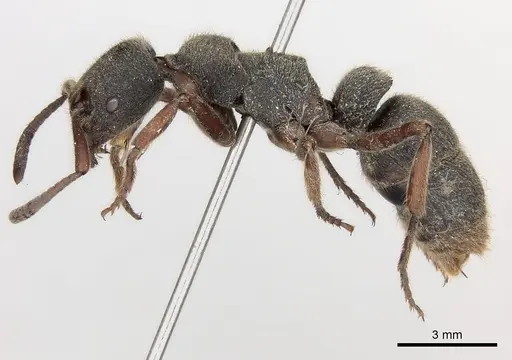
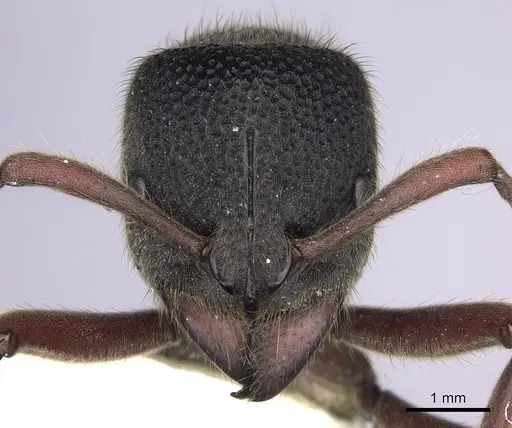
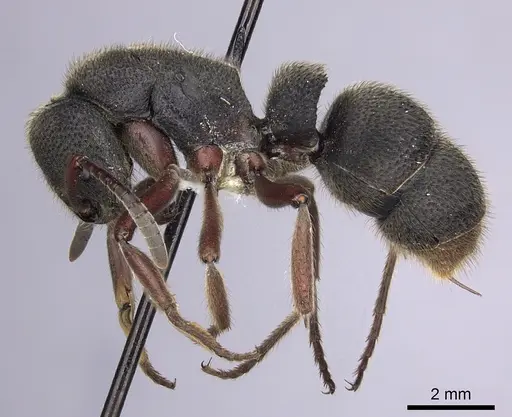
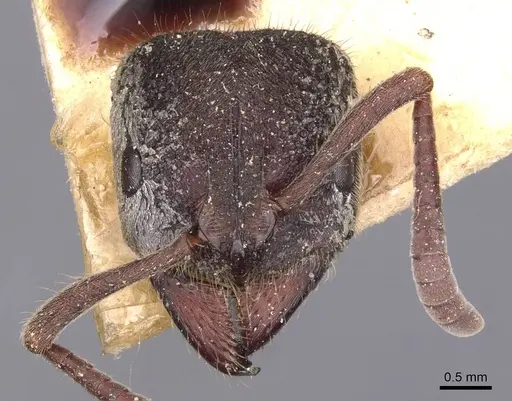
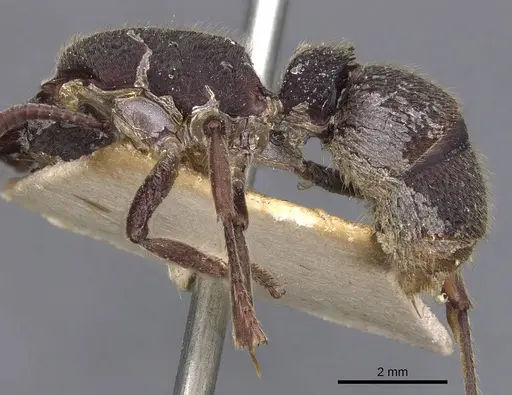
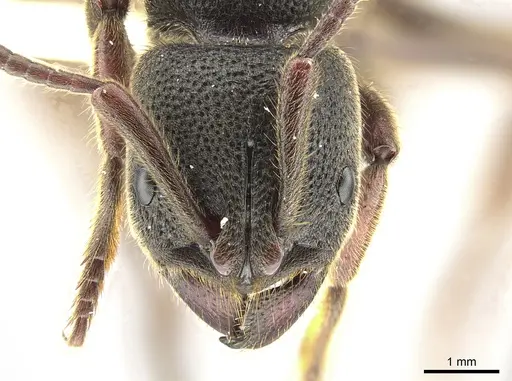
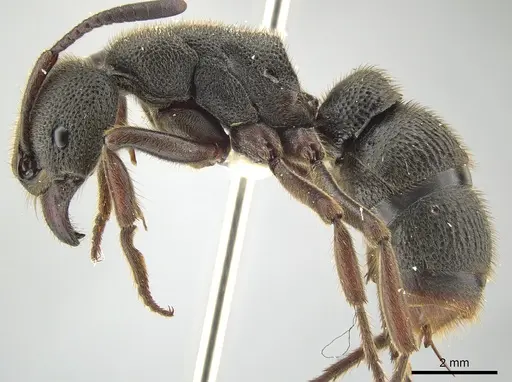
Pseudoneoponera rufipes is a large, striking ant native to South and Southeast Asia. Workers measure 13–15 mm and have a distinctive look: the body is dull black, while the mandibles, antennae, legs and the tip of the abdomen are reddish chestnut . The whole body is covered with abundant long reddish‑yellow hairs. These ants belong to the Ponerinae subfamily and are well known for two defenses – a painful sting and an unusual foamy secretion they release from the tip of the abdomen when disturbed . In the wild they are specialist predators that primarily hunt termites, and they have specific habitat needs. They nest in the ground in canopy gaps inside deciduous and evergreen forests, never in scrub jungles or plantations . When threatened, they raise their gaster and release a white foam – this is their first line of defense .
Quick Summary
- Difficulty: Medium
- Origin & Habitat: Native to South and Southeast Asia: India, Sri Lanka, Nepal, Pakistan, Thailand, Vietnam, Laos, China, and nearby countries. They live in deciduous and evergreen forests, always under thick vegetation cover, at elevations from 400 to 2000 m [7][8][5].
- Colony Type: Small colonies with documented gamergates (reproductive workers that can replace the queen). The genus Pseudoneoponera is known for small colony sizes and frequent occurrence of gamergates [9].
- Size & Growth:
- Queen: Unknown – likely similar to workers (13–15 mm) based on genus patterns [9]
- Worker: 13–15 mm [1][2]
- Colony: Small colonies – exact maximum unknown, genus noted for small colonies [9]
- Growth: Moderate – inferred from related Ponerinae
- Development: 8–12 weeks (estimated based on related Ponerinae at 24–28 °C) (Direct data unavailable, estimate based on genus-level patterns for Ponerinae.)
- Antkeeping:
- Temperature: Keep at 24–28 °C. They are a tropical to subtropical species that thrives in warmth. Use a heating cable on one side to create a gradient [4].
- Humidity: High humidity is essential. They naturally inhabit shady, moist forest floor environments. Keep the nest substrate consistently damp but not waterlogged, mist occasionally and provide a water tube [4].
- Diapause: No true diapause required. As a tropical/subtropical species they remain active year‑round if kept warm. A slight drop to ~20 °C in winter can slow them down but is not needed [10].
- Nesting: Ground‑nesters that thrive in naturalistic setups. Use Y‑tong, plaster, or soil nests with deep, moist substrate. Avoid acrylic nests – they prefer humid, shaded conditions. Add leaf litter on top for cover [11][12].
- Behavior: Defensive. They are specialist predators that hunt termites and other small invertebrates. Workers forage individually. When disturbed they first secrete a white foam from the gaster, then resort to stinging [3][4]. The sting causes significant swelling. Escape risk is low because of their large size.
- Common Issues: sting pain and swelling – the venom causes notable swelling, handle carefully and avoid direct contact., small colony size – don't expect fast population growth, colonies grow slowly over months., specialized diet – they need live prey, especially termites, they are not generalist feeders., high humidity needed – too dry conditions quickly stress the colony and harm brood., frequent disturbance can cause foam release and stress, potentially slowing development.
Queen Ant Activity Analysis 72 observations
Queen Activity by Hour 72 observations
Pseudoneoponera rufipes queen activity peaks around 07:00 during the morning. Activity is spread across a 16-hour window (06:00–21:00). Times may be influenced by human observation patterns.
Housing and Nest Setup
Pseudoneoponera rufipes is a ground‑nesting ant that does best in naturalistic setups. Use a Y‑tong, plaster, or soil nest with deep, moist substrate – they need humidity and space to dig. In the wild they nest under stones and in soil under thick vegetation [8][11]. Place the nest in a shaded area away from direct sunlight and cover the floor with leaf litter to mimic their forest floor habitat. Test tubes work for founding colonies, but you'll need to move them to a larger setup once the colony has around 10–20 workers. Always provide a water source: a test tube with water and cotton plug works well [4][5].
Feeding and Diet
These ants are specialist predators that primarily hunt termites [5][6]. In captivity, their diet should consist mainly of live prey: termites, small crickets, mealworms, and other small insects. They rarely take sugar – occasionally they may accept honey water, but protein is essential. Feed live prey 2–3 times a week and remove leftovers after 24 hours to avoid mold. A varied diet keeps them healthy. Because they hunt by foraging individually on the ground, scatter prey throughout the outworld [3][4].
Temperature and Seasonal Care
Keep them warm: aim for 24–28 °C for optimal activity and brood development. They are a tropical to subtropical species with no need for winter diapause. In their natural range they are active during spring, summer, rainy season, and autumn but absent in winter (when temperatures drop) [10]. In captivity, stable warmth keeps them active all year. Use a heating cable on one side of the nest to create a gradient. Avoid temperatures below 18 °C for extended periods [4].
Defense and Handling
Pseudoneoponera rufipes has two defensive mechanisms. First, when disturbed they secrete a white foamy substance from the tip of the abdomen – this can be copious and is their initial response [3]. Second, they have a well‑developed sting that causes moderate to severe pain and notable swelling in humans [4]. When working with them, move slowly and avoid unnecessary nest disturbance. If you need to transfer them, use gentle coaxing. If stung, treat with ice and antihistamine. These ants are not aggressive hunters but will defend themselves vigorously if provoked.
Colony Structure and Reproduction
This species forms small colonies, typically with either a single queen or gamergates (reproductive workers that can lay eggs) [9]. The genus Pseudoneoponera is known for small colony sizes and frequent gamergates, which means colonies can persist even if the queen is lost. Colony growth is relatively slow – expect gradual expansion over many months. If you have a queen‑right colony, alates (reproductives) may eventually appear, but this takes time with these slower‑growing species [9].
Frequently Asked Questions
What do Pseudoneoponera rufipes eat?
They are specialist predators that primarily hunt termites in the wild [5][6]. In captivity, offer live prey such as termites, small crickets, and mealworms. They rarely accept honey water, protein‑rich live food is essential for their health.
How long does it take for Pseudoneoponera rufipes to develop from egg to worker?
Development time is estimated at 8–12 weeks based on related Ponerinae at optimal temperature (24–28 °C). Direct data for this species are not available, so treat this as a rough estimate. Expect first workers to appear around 2–3 months after the queen lays eggs.
Are Pseudoneoponera rufipes good for beginners?
This species is rated medium difficulty. They need high humidity, specific temperatures, a live‑prey diet, and they have a potent sting. They are not ideal for complete beginners, but antkeepers with some experience keeping tropical species should succeed.
Can I keep multiple queens together?
Colony structure is unconfirmed – they typically have either a single queen or gamergates (reproductive workers). Combining unrelated queens has not been documented and is not recommended. Sticking with a single queen or a gamergate colony is the standard approach [9].
What size do Pseudoneoponera rufipes colonies reach?
They are known for small colonies. The exact maximum is unknown, but based on genus patterns, colonies likely stay well under 100 workers. Growth is relatively slow compared to many common ant species [9].
Do Pseudoneoponera rufipes need hibernation?
No, they do not require true hibernation. As a tropical/subtropical species, they remain active year‑round when kept warm. A slight winter temperature drop to about 20 °C can slow them down but is not necessary [4].
Why is my Pseudoneoponera rufipes colony dying?
Common causes include: too dry conditions (they need high humidity), lack of live prey (they are predators), temperatures too low (keep above 24 °C), or disturbance stress. Check that the nest substrate stays moist, provide regular live prey, and ensure adequate warmth. Also confirm they have a clean water source [4][3].
When should I move my colony to a formicarium?
Start with a test tube setup for the founding colony. Once the colony reaches about 10–20 workers and the test tube becomes crowded, transition to a naturalistic Y‑tong, plaster, or soil nest. They need deep, moist substrate for digging, so avoid acrylic nests.
When do Pseudoneoponera rufipes queens forage?
Queen activity of Pseudoneoponera rufipes typically occurs From January to October. Times may be influenced by human observation patterns.
What time of day are Pseudoneoponera rufipes queens most active?
Queen activity of Pseudoneoponera rufipes peaks around 07:00 during the morning, with most activity between 06:00 and 21:00. Times may be influenced by human observation patterns.
Report an Issue
The current care sheet is based fully on literature. See inconsistencies, or something that's incorrect? Please , it will be resolved after review from an admin. Contributing to the blogs tab also helps providing information, to make us be able to further improve the caresheets. Thank you for your support!
References

This caresheet is licensed under CC BY-SA 4.0 .
Community Blogs
ANTWEB1041823
View on AntWeb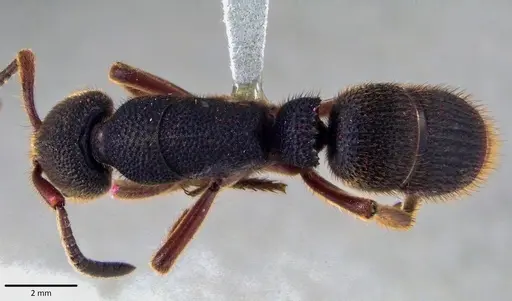
CASENT0217566
View on AntWeb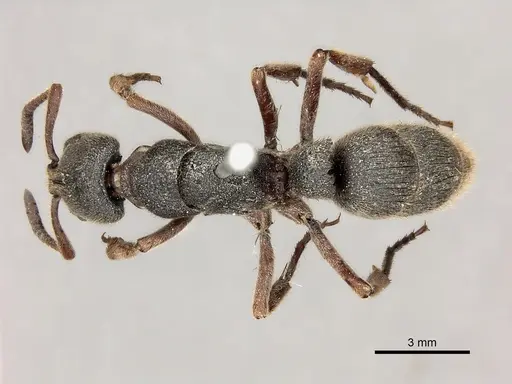
CASENT0249191
View on AntWeb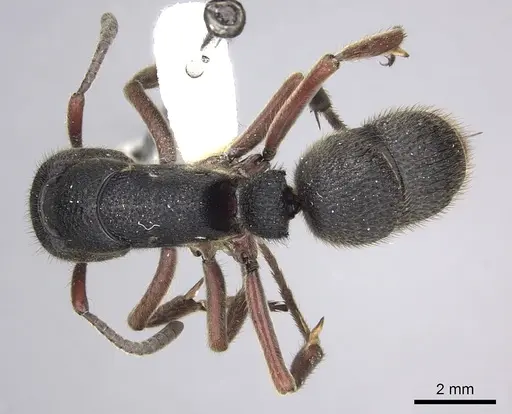
CASENT0907254
View on AntWeb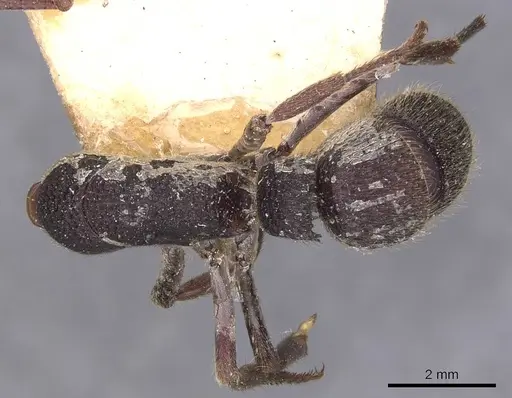
ZRC
View on AntWeb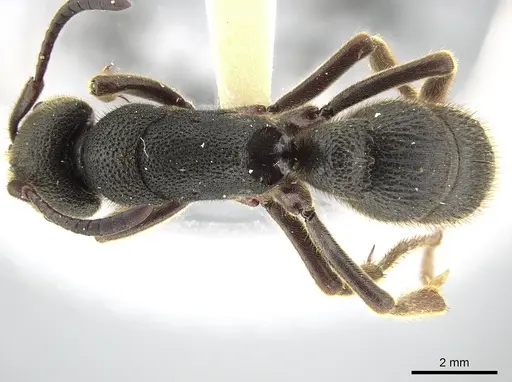
Literature
Loading distribution map...Loading products...