
Pseudoneoponera havilandi
- Sci. Name
- Pseudoneoponera havilandi
- Tribe
- Ponerini
- Subfamily
- Ponerinae
- Author
- Forel, 1901
- Distribution
- Found in 2 countries
Introduction
Pseudoneoponera havilandi is a medium-sized ponerine ant native to Singapore and the broader Indomalaya region. Workers have a robust build with a powerful stinger and a distinct petiole (the narrow waist segment between thorax and abdomen). These ants are found in tropical forest habitats, where they nest in soil or rotting wood . This species has a polydomous nesting strategy, meaning they establish multiple connected nest sites instead of one central colony . They forage alone for dead insects and other protein sources . Because they come from tropical Singapore, they likely prefer warm, humid conditions year-round with no cold-induced dormancy period.
Quick Summary
- Difficulty: Medium
- Origin & Habitat: Singapore and the Indomalaya region. Found in tropical forest habitats, typically nesting in soil or rotting wood [1].
- Colony Type: Polydomous, colonies establish multiple connected nest sites. Queen number (monogyne/polygyne) is unconfirmed.
- Size & Growth:
- Queen: Size data unavailable.
- Worker: Size data unavailable.
- Colony: Unknown, no colony size data available for this species.
- Growth: Unknown, likely moderate based on typical Ponerinae development (inferred).
- Development: Unknown for this species. Based on related Ponerinae, likely 6-10 weeks at tropical temperatures (25-28°C). (Direct measurements are not available, timeline is inferred from closely related Ponerinae species.)
- Antkeeping:
- Temperature: Needs warm tropical conditions typical of Singapore. Maintain 24-28°C (inferred from origin). Avoid temperatures below 22°C, as this species is adapted to year-round warmth.
- Humidity: High humidity is likely needed based on tropical origin. Keep the nest substrate consistently moist but not waterlogged. Provide a water tube for drinking access. Mist occasionally if needed.
- Diapause: No, this is a tropical species from Singapore with no cold season. They remain active year-round.
- Nesting: Y-tong (AAC) nests, plaster nests, or naturalistic setups with damp soil work well. Because they are polydomous in the wild [2], they may benefit from multiple connected chambers. Avoid completely dry conditions.
- Behavior: These ants have a functional stinger and can deliver a painful sting if provoked (typical of subfamily Ponerinae). They are solitary foragers, workers hunt alone for dead insects [2]. They are not aggressive toward humans unless the nest is disturbed. Escape risk is moderate, ensure enclosures have tight-fitting lids, as workers are medium-sized and can climb smooth surfaces.
- Common Issues: needs warmth year-round, temperatures below 22°C can weaken the colony, polydomous nature may require more space or multiple connected chambers than single-queen species, stinger can deliver a painful sting, handle with care and minimize nest disturbances, wild-caught colonies may carry parasites or diseases that cause captive failures, solitary foraging means only one worker typically leaves for food at a time, do not mistake this for inactivity
Temperature and Care
Pseudoneoponera havilandi comes from tropical Singapore, so they need warm conditions year-round. Keep the nest area around 24-28°C (inferred from origin). This supports normal colony activity. A small heating cable placed on one side of the nest creates a temperature gradient that lets ants choose their preferred spot. Room temperature alone may be too cool if your home stays below 24°C.
Unlike temperate species, these ants do not need hibernation or any cold period. In fact, temperatures below 20°C can weaken the colony and slow or stop brood development entirely. Avoid air conditioning drafts or keeping the nest near cold windows.
Humidity and Water
Tropical ants from Singapore need high humidity, aim for a consistently damp substrate (inferred from origin). Keep the nest material moist but not waterlogged. Provide a water tube for drinking access.
Because they come from a humid environment, avoid dry conditions entirely. Mist the nest occasionally, but rely more on the substrate maintaining moisture over time. A layer of damp soil or plaster works well. Check the water reservoir regularly and refill before it empties completely.
Feeding and Diet
In the wild, Pseudoneoponera havilandi forages solitarily for dead insects [2]. In captivity, offer small insects like fruit flies, small crickets, mealworms, or other feeder insects. They are predators and scavengers, so protein is essential for brood development.
Feed small prey items 2-3 times per week. Remove any uneaten insects after 24-48 hours to prevent mold. While they primarily eat insects, you can occasionally offer a drop of diluted sugar water or honey, but protein should be the main food source. They are not known for tending aphids or collecting honeydew.
Nesting Preferences
This species has a polydomous nesting strategy in the wild, meaning colonies establish multiple connected nest sites rather than a single chamber [2]. In captivity, you can simulate this by providing a nest with multiple chambers or by connecting two small nests with tubing.
They do well in Y-tong (AAC) nests, plaster nests, or naturalistic setups with damp soil. Chambers should be appropriately sized for medium-sized ants. Ensure the nest has good humidity retention while still allowing some ventilation to prevent mold buildup.
Behavior and Temperament
Workers forage alone, searching for dead insects and other protein sources [2]. They are not aggressive toward humans but will defend their nest if threatened. As members of the subfamily Ponerinae, they possess a functional stinger and can deliver a painful sting if provoked.
These ants are not typical escape artists, but they are good climbers. Use a secure lid on any enclosure and consider barrier tape (like Fluon) on the rim if needed. They can grip smooth surfaces, so a tight seal is important.
Colony Development
Colony development details for this specific species are not documented in scientific literature. Based on related Ponerinae species, the first workers (nanitics) may emerge roughly 6-10 weeks after the queen lays eggs, assuming optimal tropical temperatures of 25-28°C. This is an estimate, not confirmed.
Growth rate is likely moderate, Ponerinae colonies typically develop more slowly than fast-growing Myrmicinae like Tetramorium. Be patient with founding colonies. The queen may lay eggs slowly at first, and the first few workers will be smaller (nanitics). As the colony grows, more workers and larger broods will develop.
Frequently Asked Questions
Can I keep Pseudoneoponera havilandi in a test tube?
Yes, a test tube setup works well for founding colonies. Use a test tube with a water reservoir sealed with cotton, keeping it upright so the water does not flood the ants. Once the colony grows beyond 15-20 workers, consider moving them to a larger nest like a Y-tong or plaster formicarium.
Do Pseudoneoponera havilandi ants sting?
Yes, they can sting. As members of the subfamily Ponerinae, they have a functional stinger and will use it if they feel threatened. The sting can be painful, so handle them with care and avoid disturbing the nest unnecessarily.
What do Pseudoneoponera havilandi eat?
They primarily eat dead insects and other protein sources. Feed them small insects like fruit flies, small crickets, or mealworms 2-3 times per week. Protein is essential for brood development. They may occasionally accept sugar water, but protein should be their main food.
How long does it take for the first workers to emerge?
The exact timeline is unknown for this species. Based on related Ponerinae, expect 6-10 weeks from egg to first worker at tropical temperatures (25-28°C). Be patient, Ponerinae often develop more slowly than many common ant species.
Do Pseudoneoponera havilandi need hibernation?
No, they do not need hibernation. This is a tropical species from Singapore where temperatures remain warm year-round. Keep them at 24-28°C consistently. Cold temperatures can harm the colony.
Are Pseudoneoponera havilandi good for beginners?
This species is rated as Medium difficulty. While not the hardest ant to keep, they have specific temperature and humidity needs (tropical warmth and high humidity) that require attention. They are also polydomous, which may require more space than single-queen species. If you have experience with other Ponerinae or tropical ants, this is a good choice.
How big do Pseudoneoponera havilandi colonies get?
The maximum colony size is unknown, no scientific data exists for this species. Based on related Ponerini species, colonies likely reach several hundred workers at most, as Ponerinae typically have smaller colonies than some other subfamilies.
Can I keep multiple queens together?
The colony structure (monogyne vs polygyne) is unconfirmed for this species. Polydomous nesting has been documented [2], but whether this involves multiple queens or simply multiple nest sites is unknown. It is not recommended to combine unrelated queens unless you observe them accepting each other.
Why is my Pseudoneoponera havilandi colony declining?
Common causes include: temperatures below 22°C (they need warmth), low humidity (they need damp conditions), poor nutrition (they need regular protein), or parasites from wild-caught colonies. Check that your setup maintains proper tropical conditions and offer fresh prey regularly.
When should I move them to a formicarium?
Move from a test tube to a larger nest once the colony reaches 15-25 workers or when the test tube's water reservoir needs frequent refilling. A Y-tong or plaster nest with multiple chambers works well, especially given their polydomous nature.
Report an Issue
The current care sheet is based fully on literature. See inconsistencies, or something that's incorrect? Please , it will be resolved after review from an admin. Contributing to the blogs tab also helps providing information, to make us be able to further improve the caresheets. Thank you for your support!
References

This caresheet is licensed under CC BY-SA 4.0 .
Community Blogs
CASENT0907253
View on AntWeb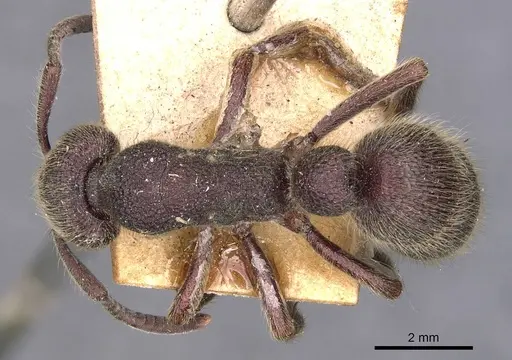
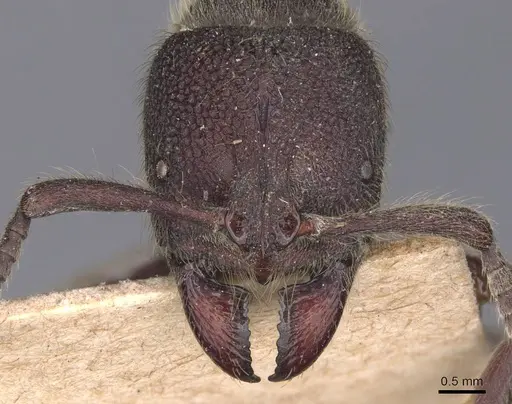
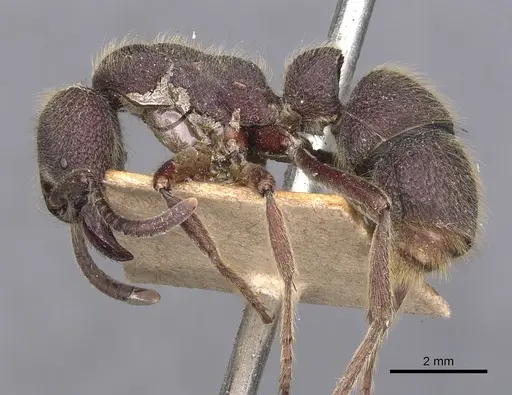
Literature
Loading distribution map...Loading products...