
Pseudomyrmex venustus
- Sci. Name
- Pseudomyrmex venustus
- Tribe
- Pseudomyrmecini
- Subfamily
- Pseudomyrmecinae
- Author
- Smith, 1858
- Distribution
- Found in 5 countries
Introduction
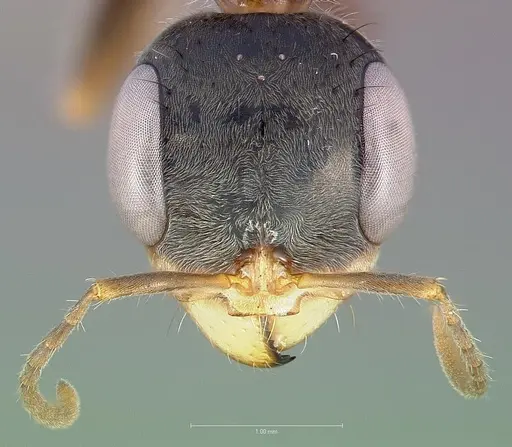
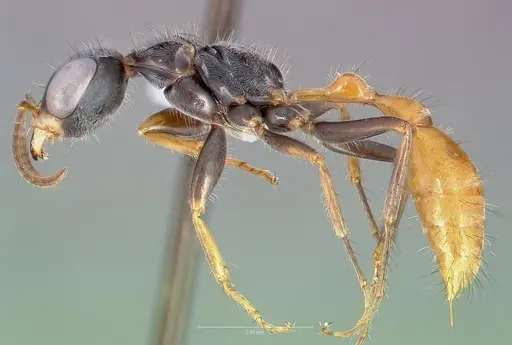
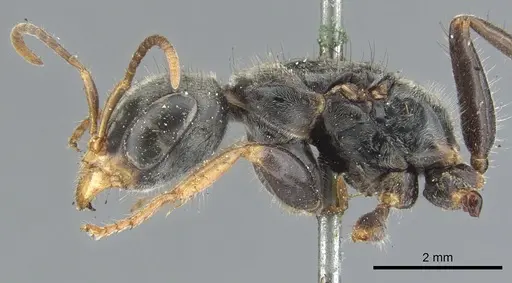
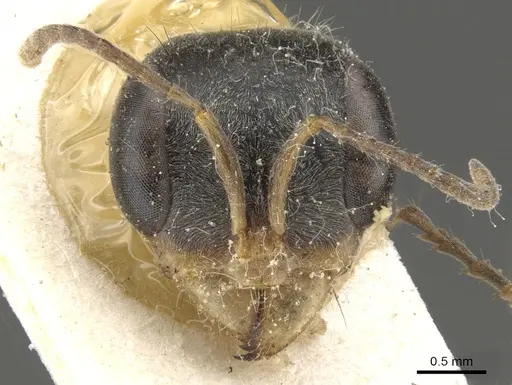
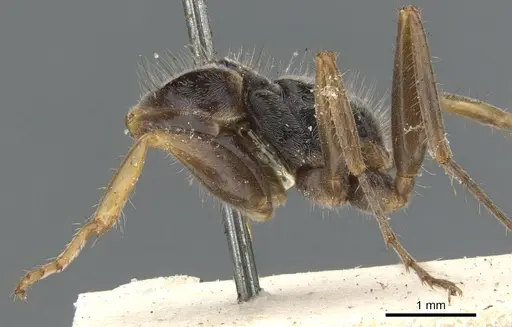
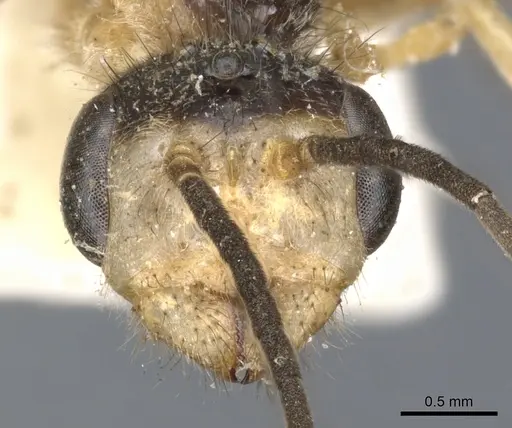
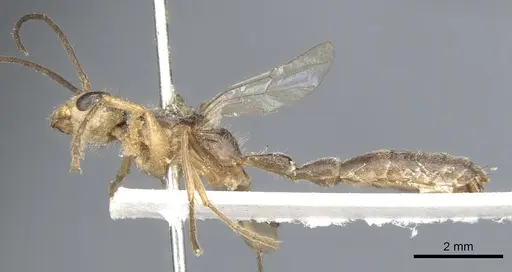
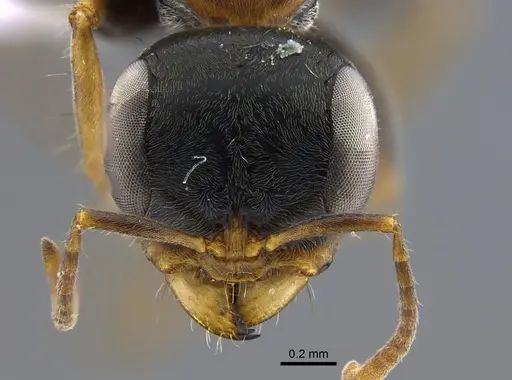
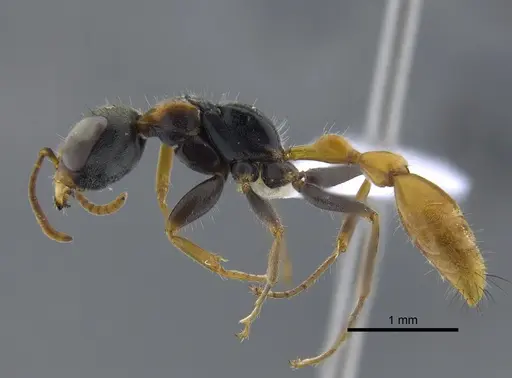
Pseudomyrmex venustus is a slender, elongate ant species belonging to the subfamily Pseudomyrmecinae. The species was originally described by Fred Smith in 1858 from Amazonas, Brazil . It is recorded across the Neotropical region: Brazil (Amazonas, Rio de Janeiro), Colombia (Meta), Panama, Peru, and Bolivia . Very little is known about its biology - no specific studies on behavior, nesting, diet, or colony structure exist in the available literature. As a member of the arboreal genus Pseudomyrmex, it likely nests in hollow twigs, stems, or bamboo cavities, and probably has a stinging defense like other Pseudomyrmecinae.
Quick Summary
- Difficulty: Medium
- Origin & Habitat: Neotropical region: Brazil (Amazonas, Rio de Janeiro), Colombia (Meta), Panama, Peru, Bolivia [2][3][4]. Habitat details are not documented, but related Pseudomyrmex species inhabit humid tropical forests.
- Colony Type: Unknown, no specific data on queen number or social structure. Most Pseudomyrmex species are thought to be monogyne (single queen), but this is unconfirmed for P. venustus.
- Size & Growth:
- Queen: Size data unavailable, no measurements have been published.
- Worker: Size data unavailable, no measurements have been published.
- Colony: Colony size is not documented.
- Growth: Unknown, no data available.
- Development: Unknown, no data available. Based on related Pseudomyrmex species, development might take around 6-8 weeks at warm temperatures. (Development likely temperature-dependent, but no specific data.)
- Antkeeping:
- Temperature: Unknown, no specific published data. As a tropical species, keep warm (roughly 24-28°C) with a heat gradient. Avoid prolonged exposure below 22°C.
- Humidity: Unknown, no specific published data. Based on tropical habitat, keep the nest substrate damp but not waterlogged. Provide a water source.
- Diapause: Unknown, no specific data. As a tropical species, likely no winter diapause, but this is unconfirmed.
- Nesting: Unknown, no specific nest site data. Based on related Pseudomyrmex, likely prefers hollow twigs, bamboo, or cork bark. Use Y-tong, plaster, or 3D-printed nests with narrow chambers.
- Behavior: No documented behavioral studies. As a Pseudomyrmecinae, workers likely have a functional sting and are moderately aggressive when defending the nest. They are probably fast-moving and excellent climbers. Handle with caution to prevent escape.
- Common Issues: escape prevention is critical, they are likely excellent climbers., tropical humidity requirements may lead to mold if ventilation is poor., no specific diet or care data exists, trial and error may be needed., wild-caught colonies may have parasites or be stressed by transport.
Housing and Nest Setup
No specific nesting data exists for Pseudomyrmex venustus. Based on the arboreal genus, provide narrow, enclosed spaces that mimic hollow twigs or bamboo. Suitable nest types include Y-tong, plaster, cork bark, or 3D-printed nests with small chambers. Avoid large open spaces. The outworld should be well-sealed, as these ants are likely agile climbers.
Feeding and Diet
Diet has not been studied for Pseudomyrmex venustus. Related Pseudomyrmex species are predatory, hunting small arthropods, and also tend honeydew-producing insects. Offer small live prey like fruit flies or pinhead crickets, plus a sugar source (honey water or sugar water). Feed 2-3 times per week and remove uneaten food to prevent mold.
Temperature and Humidity
No specific temperature or humidity data is available for this species. As a tropical forest inhabitant, keep conditions warm (24-28°C) and humid. Use a heating mat on one side for a gradient. Keep the nest substrate damp but not waterlogged. Ensure good ventilation to prevent mold.
Colony Development
Colony development is not documented for Pseudomyrmex venustus. Based on genus patterns, a founding queen likely seals herself in a chamber and raises the first brood on stored reserves (claustral founding), but this is unconfirmed. First workers may appear after several weeks at warm temperatures. Disturb the queen as little as possible during founding.
Behavior and Defense
No behavioral studies exist for Pseudomyrmex venustus. As a Pseudomyrmecinae, workers have a functional sting and are likely quick to defend the nest. They are probably fast-moving, diurnal foragers that rely on chemical communication. Handle with care, the sting is mild but can be surprising.
Frequently Asked Questions
How long does it take for Pseudomyrmex venustus to raise first workers?
Unknown, no data available. Based on related arboreal Pseudomyrmex species, it may take around 6-8 weeks at warm temperatures (25-28°C), but this is an estimate.
What do Pseudomyrmex venustus ants eat?
Not specifically documented. They are assumed to be predatory, like other Pseudomyrmex, and may also accept sugars. Offer live small insects (fruit flies, pinhead crickets) and honey water. 2-3 times per week.
Do Pseudomyrmex venustus ants sting?
Yes, they can sting. As a Pseudomyrmecinae, they have a functional stinger. The sting is mild (similar to a mosquito bite) but can irritate sensitive skin. They are not aggressive but will sting if handled.
What temperature do Pseudomyrmex venustus ants need?
There is no published data. As a tropical species, keep them warm (24-28°C). Avoid temperatures below 22°C. Use a heating mat on one side of the nest.
Are Pseudomyrmex venustus good for beginners?
They are not recommended for beginners because almost nothing is known about their care. It would be experimental. If you have experience with tropical arboreal ants, you might try them, but be prepared for trial and error.
How big do Pseudomyrmex venustus colonies get?
Unknown, colony size has not been recorded. Based on genus, likely up to several hundred workers, but this is speculative.
Do Pseudomyrmex venustus need hibernation?
Unknown, as a tropical species, they likely do not hibernate. Keep warm year-round. Tiny temperature drops in the dry season may be natural, but no data exists.
What type of nest is best for Pseudomyrmex venustus?
No specific data. Try Y-tong, plaster, cork bark, or 3D-printed nests with narrow, enclosed chambers. Avoid large open spaces. Ensure tight sealing to prevent escape.
Why are my Pseudomyrmex venustus dying?
Common causes for tropical ants include low humidity, low temperature, stress from disturbance, mold, or lack of live prey. Since we don't have specific data, check your setup for these issues.
Can I keep multiple Pseudomyrmex venustus queens together?
Not recommended, no data suggests polygyny. Most arboreal Pseudomyrmex are monogyne. Keep queens separate.
Report an Issue
The current care sheet is based fully on literature. See inconsistencies, or something that's incorrect? Please , it will be resolved after review from an admin. Contributing to the blogs tab also helps providing information, to make us be able to further improve the caresheets. Thank you for your support!
References

This caresheet is licensed under CC BY-SA 4.0 .
Community Blogs
CASENT0005857
View on AntWeb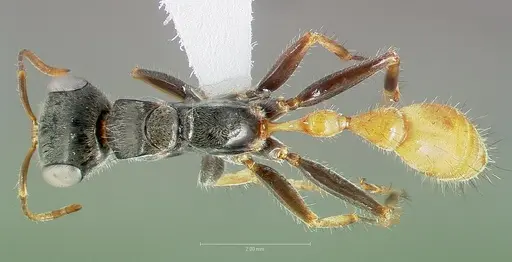
CASENT0005861
View on AntWeb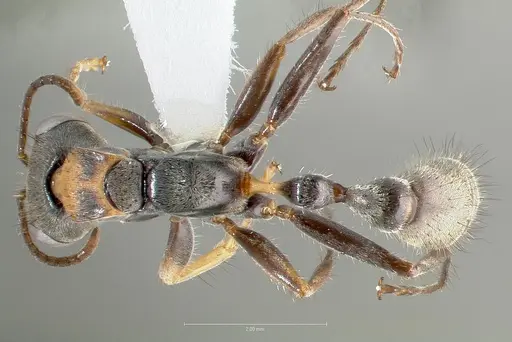
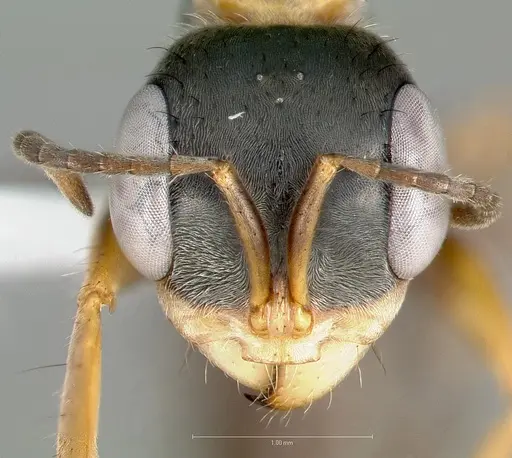
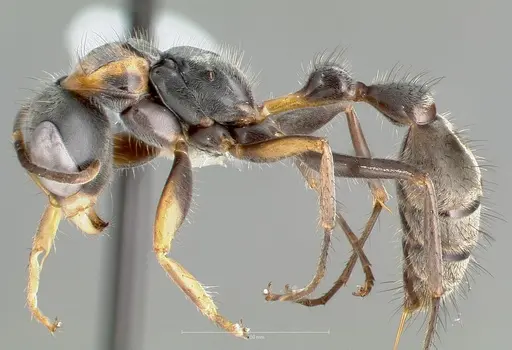
CASENT0902856
View on AntWeb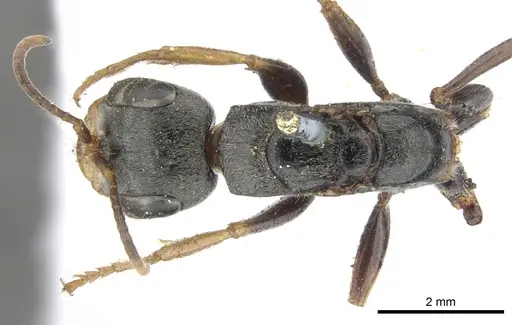
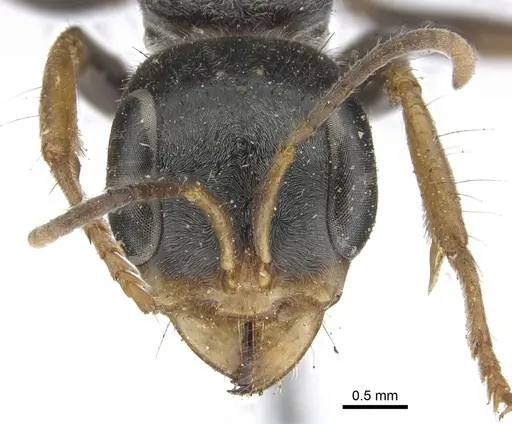
CASENT0902857
View on AntWeb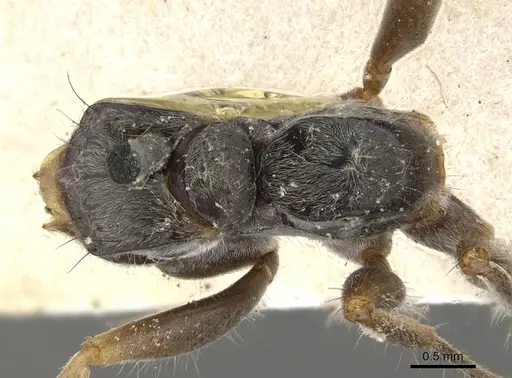
CASENT0902858
View on AntWeb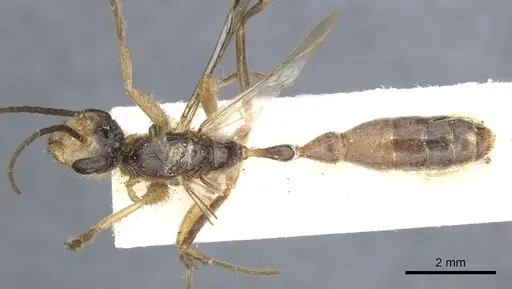
CASENT0902859
View on AntWeb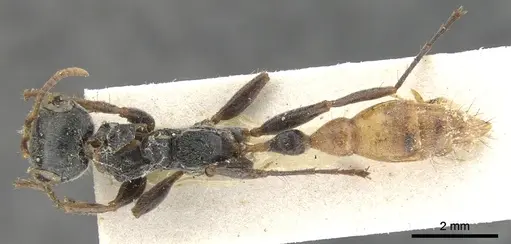
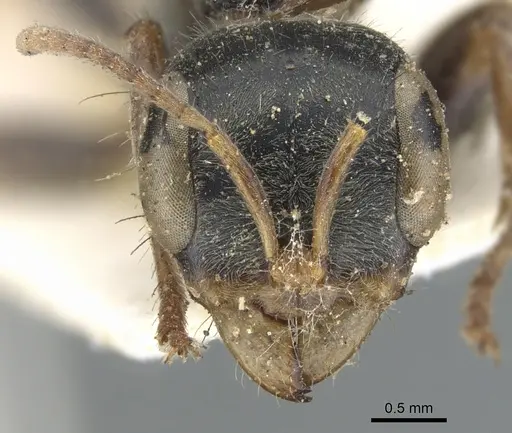
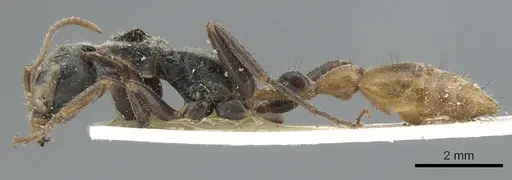
CBUMAGENT41733
View on AntWeb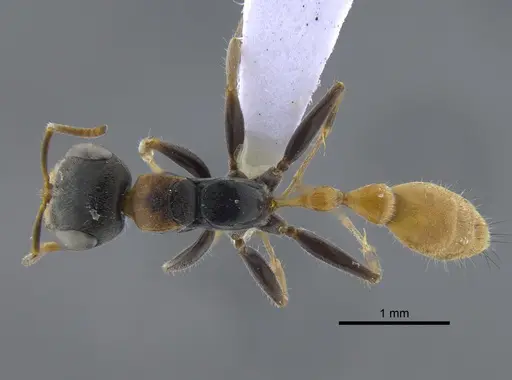
Literature
Loading distribution map...Loading products...