
Pseudomyrmex tenuissimus
- Sci. Name
- Pseudomyrmex tenuissimus
- Tribe
- Pseudomyrmecini
- Subfamily
- Pseudomyrmecinae
- Author
- Emery, 1906
- Distribution
- Found in 18 countries
Introduction
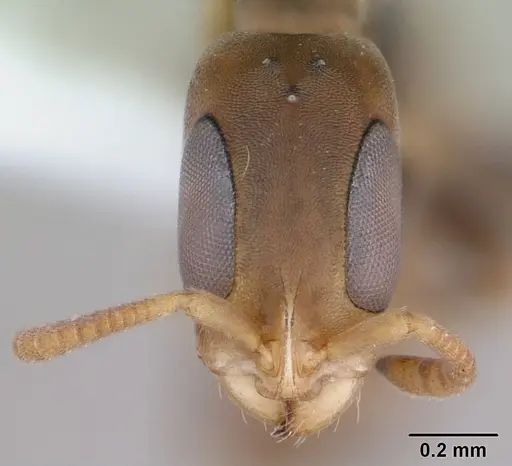
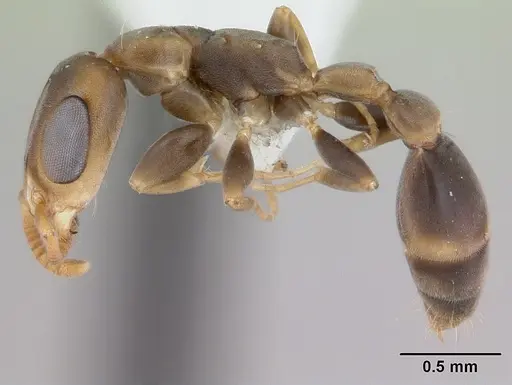
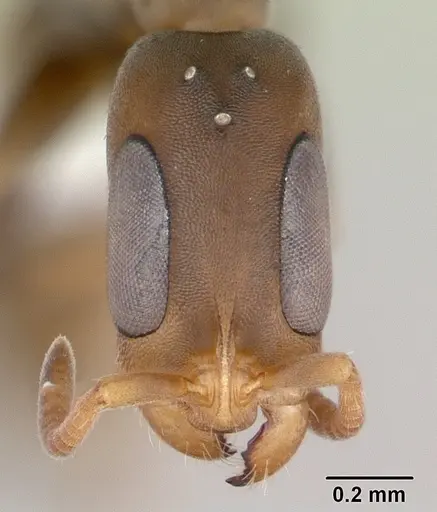
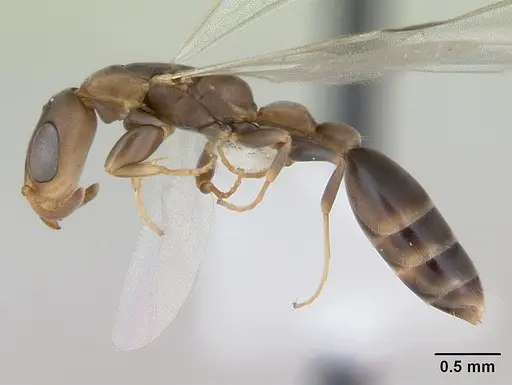
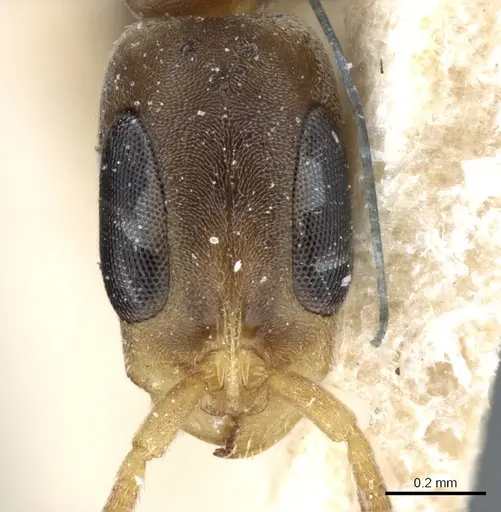
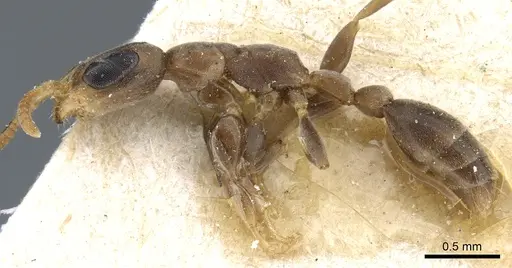
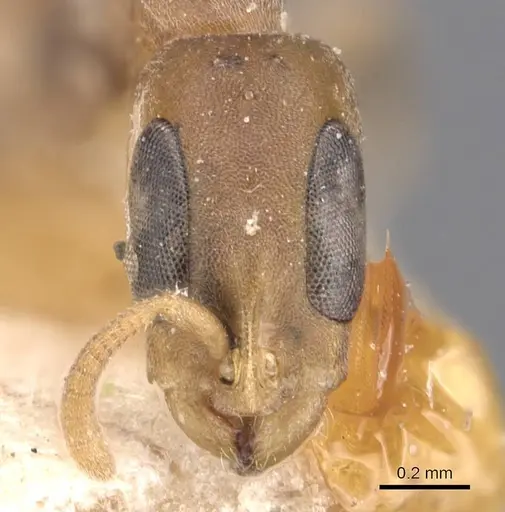
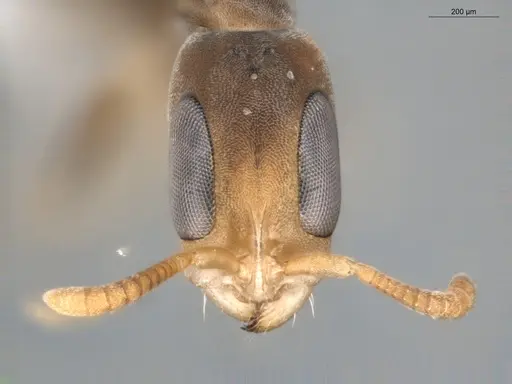
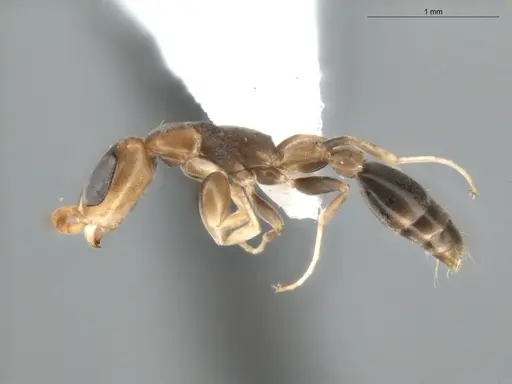
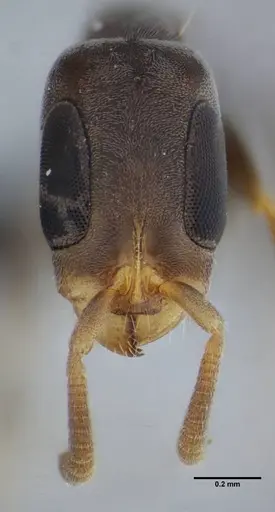
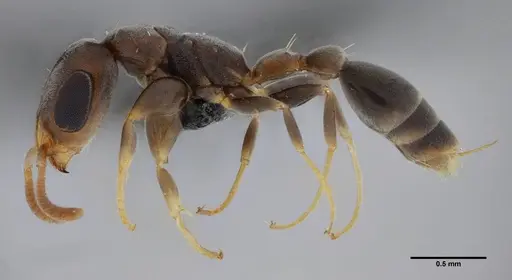
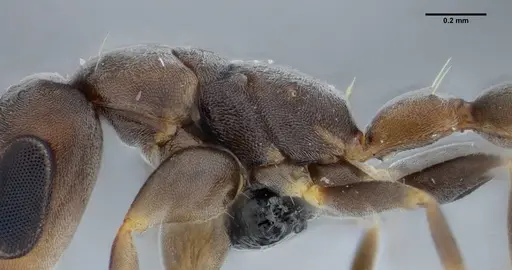
Pseudomyrmex tenuissimus is a very small arboreal ant with an elongated head and a uniform brown to grey-brown color . It is the most common member of the P. subtilissimus group, but most records come from scattered foragers rather than nests. This species is a generalist twig-nester, found in dead twigs and vines across a wide range of Neotropical habitats, including rainforest, forest edges, old fields, and tropical dry forests . It ranges from Mexico down to Argentina and into the Caribbean islands . Unlike some close relatives that live in acacia trees, P. tenuissimus does not form plant mutualisms - it simply uses hollow plant stems for nesting.
Quick Summary
- Difficulty: Hard
- Origin & Habitat: Neotropical region from Mexico to Argentina, including Caribbean islands. Inhabits dead twigs and vines in rainforests, forest edges, old fields/pasture, and tropical dry forests [1].
- Colony Type: Single-queen colonies (monogyne), based on limited observations. One observed colony contained a single dealate queen and 7 workers, another had 13 workers and 16 alate queens [1].
- Size & Growth:
- Queen: Size data unavailable, no total length measurements are recorded in the research.
- Worker: Size data unavailable, head width is 0.48-0.53 mm, but total length has not been published [2][1].
- Colony: Observed colonies contain 7-13 workers, maximum colony size unknown but likely remains under 30 workers based on wild records [1].
- Growth: Slow, small colony size and few observations suggest slow population growth.
- Development: Unknown, no data available. Development times for related Pseudomyrmex species suggest several weeks at tropical temperatures, but this has not been confirmed. (No published data on development.)
- Antkeeping:
- Temperature: Tropical species, keep between 24-28°C. Do not let temperatures drop below 20°C for extended periods [3].
- Humidity: Moderate to high, keep the nesting area slightly moist but not waterlogged. Mist the outworld occasionally. Provide a humidity gradient with a small water tube in the nest.
- Diapause: No, this is a strictly tropical ant that does not require hibernation. Maintain warm conditions all year [3].
- Nesting: Twig-nesting species, provide narrow test tubes, Y-tong (AAC) nests, or plaster nests with small, tight chambers. Avoid large, open nests. A test tube setup works well for founding and small colonies.
- Behavior: Calm and non-aggressive. Workers forage individually on vegetation and actively hunt small arthropods. They have good vision and explore their outworld actively. These ants can sting if handled but are not defensive. Escape risk is high due to tiny size, cover all openings with fine mesh (0.3mm or smaller) and seal any gaps.
- Common Issues: tiny size means high escape risk, use fine mesh barriers and seal all gaps., tropical temperature requirements, cannot tolerate cool rooms or temperature drops., very slow colony growth, patience needed, expect only a few workers per year., small colony size makes them vulnerable, minimize disturbances and avoid stressing the colony., founding queens not commonly found, wild colonies are rare, so acquisition may be difficult.
Housing and Nest Setup
Pseudomyrmex tenuissimus naturally nests in dead twigs and vines [1]. In captivity, provide narrow, enclosed spaces that mimic this habitat. A test tube with a water reservoir is ideal for founding colonies. For established colonies, use a Y-tong (AAC) nest or a plaster nest with chambers 5-10mm wide, small enough that workers can touch both walls. Avoid large, open nests. Because they are arboreal, position the nest higher up in the setup or attach it to the top of the outworld. Use fine mesh (0.3mm or smaller) on all vents and openings to prevent escapes. Seal even tiny gaps with cotton or silicone, these ants can squeeze through very small spaces.
Feeding and Diet
In the wild, these ants forage on vegetation and hunt small arthropods. They are generalist predators and will accept small prey like fruit flies, pinhead crickets, and tiny mealworm pieces. They also drink sugar water or diluted honey. Offer protein 2-3 times per week in small amounts, any uneaten food should be removed after 24 hours to avoid mold. This species was collected using carbohydrate baits in one study, showing they readily take sugar sources [4]. Always provide fresh water via a test tube or small dish.
Temperature and Humidity
Keep the nest at 24-28°C. This is a strictly tropical species [3]. If your room is cooler, use a heating cable or heat mat on the side of the nest, not underneath. Humidity should be moderate to high, dampen the nest substrate slightly but avoid waterlogging. A water tube connected to the nest provides drinking water and helps maintain humidity. Mist the outworld if it gets too dry. Good ventilation is important to prevent mold, but keep the nest area humid.
Colony Establishment
Starting a colony is challenging because wild queens are rarely found and colonies are very small. Founding behavior has not been documented, so there is no reliable method for raising a queen. If you acquire a colony, transfer it carefully to a suitable nest. Provide small, dark nesting spaces (test tubes or tiny Y-tong chambers) and keep conditions stable. Expect very slow growth, perhaps adding only a few workers per year. Patience is essential. [1]
Behavior and Temperament
Workers are calm and non-aggressive. They forage individually and actively hunt small prey. They have large eyes and good vision [1]. Although they can sting (like all Pseudomyrmecinae), they rarely do so unless handled directly. They are not defensive. Because they are so small, they can easily escape, always use fine barriers. Observation is enjoyable as they explore and hunt. They do not form large swarms or use recruitment trails like some ants.
Frequently Asked Questions
How long does it take for Pseudomyrmex tenuissimus to raise first workers?
No data is available. Development times for related Pseudomyrmex species suggest several weeks at warm temperatures, but this has not been confirmed for P. tenuissimus.
Can I keep Pseudomyrmex tenuissimus in a test tube?
Yes, test tubes work well, especially for small colonies. The narrow shape mimics their natural twig habitat. Use a test tube with a water reservoir as the nest.
What do Pseudomyrmex tenuissimus ants eat?
They are generalist predators of tiny arthropods (fruit flies, small crickets) and also accept sugar water or honey water. Carbohydrate baits have been used to collect them [4].
Do Pseudomyrmex tenuissimus ants need hibernation?
No. This is a tropical ant that must be kept warm all year round. Do not cool them in winter.
How big do Pseudomyrmex tenuissimus colonies get?
Observed wild colonies have 7-13 workers. The largest recorded had 13 workers plus 16 alate queens. Mature colonies probably stay under 30 workers. This is a very small colony species.
Are Pseudomyrmex tenuissimus good for beginners?
No, this species is rated Hard. Their tiny size, unknown founding behavior, slow growth, and specific tropical needs make them unsuitable for beginners. Only experienced keepers should attempt them.
Do Pseudomyrmex tenuissimus ants sting?
They can sting, but they are not aggressive. Stings are rare unless you handle them directly. They typically run away when disturbed.
What is the best nest type for Pseudomyrmex tenuissimus?
Use narrow test tubes, Y-tong (AAC) nests, or plaster nests with small chambers. Avoid large open spaces. The nest should feel 'tight' for the ants.
Why is my Pseudomyrmex tenuissimus colony not growing?
Growth is naturally very slow. Ensure temperatures are warm (24-28°C), humidity is adequate, and offer small prey regularly. Minimize disturbances. If the colony remains this small for many months with no new workers, check if the queen is alive and healthy.
Report an Issue
The current care sheet is based fully on literature. See inconsistencies, or something that's incorrect? Please , it will be resolved after review from an admin. Contributing to the blogs tab also helps providing information, to make us be able to further improve the caresheets. Thank you for your support!
References

This caresheet is licensed under CC BY-SA 4.0 .
Community Blogs
CASENT0173781
View on AntWeb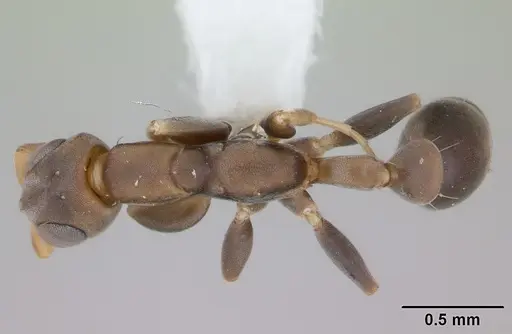
CASENT0173782
View on AntWeb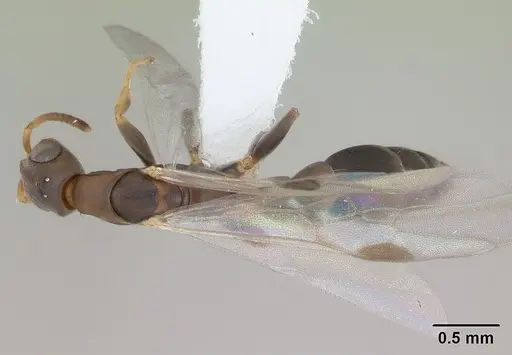
CASENT0904058
View on AntWeb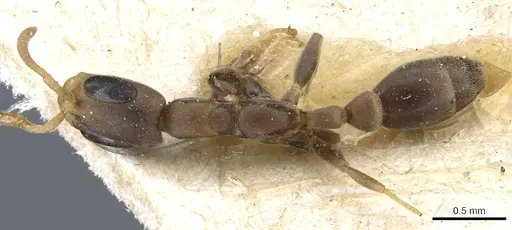
CASENT0907523
View on AntWeb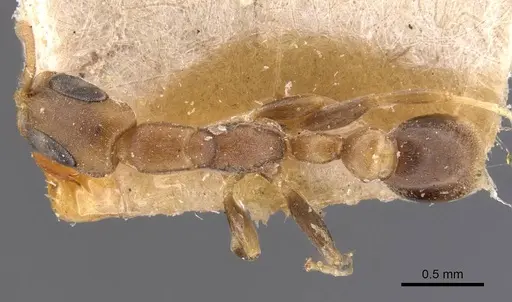
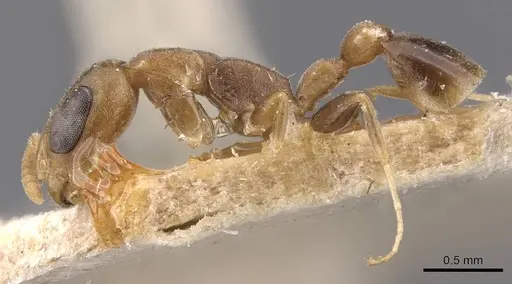
CBUMAGENT41808
View on AntWeb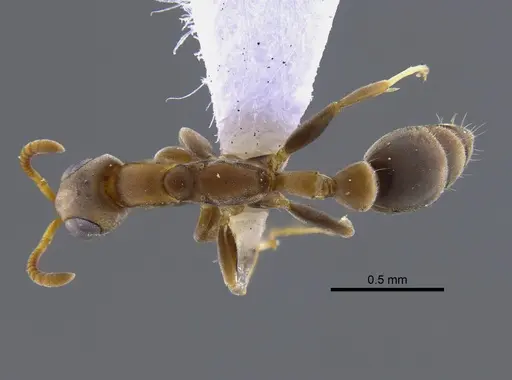
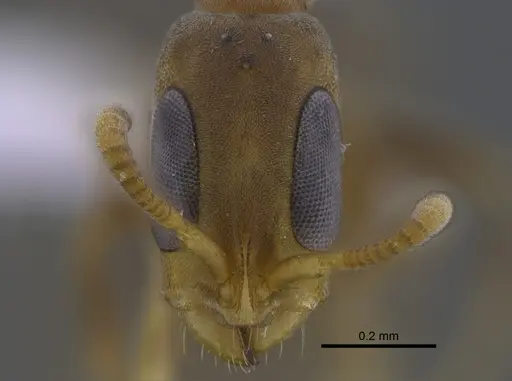
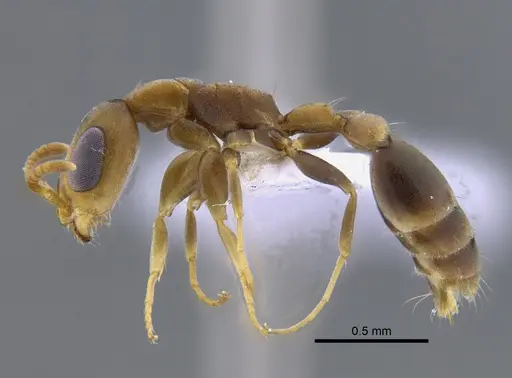
ECOFOG-KR20-0005-19
View on AntWeb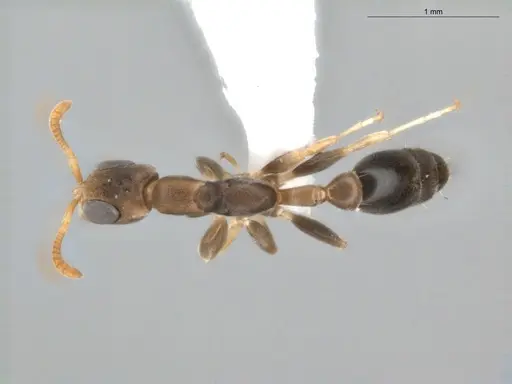
UFV-LABECOL-006536
View on AntWeb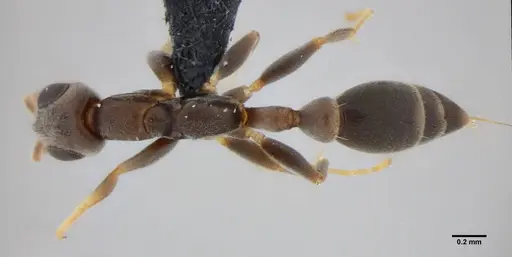
Literature
Loading distribution map...Loading products...