
Pseudomyrmex tenuis
- Sci. Name
- Pseudomyrmex tenuis
- Tribe
- Pseudomyrmecini
- Subfamily
- Pseudomyrmecinae
- Author
- Fabricius, 1804
- Distribution
- Found in 8 countries
Introduction
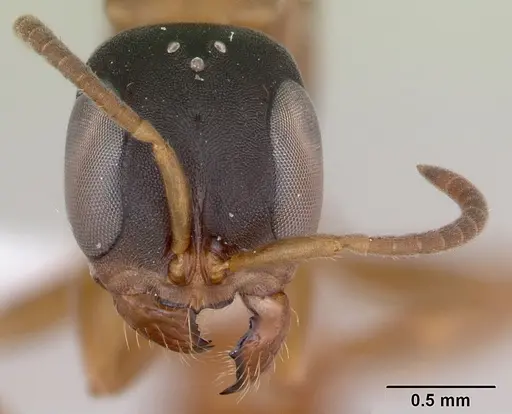
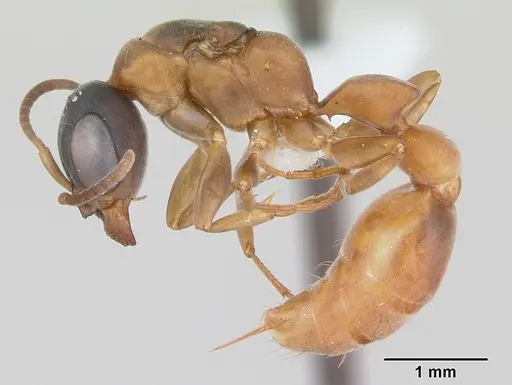
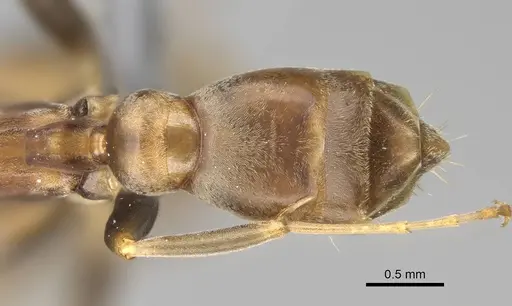
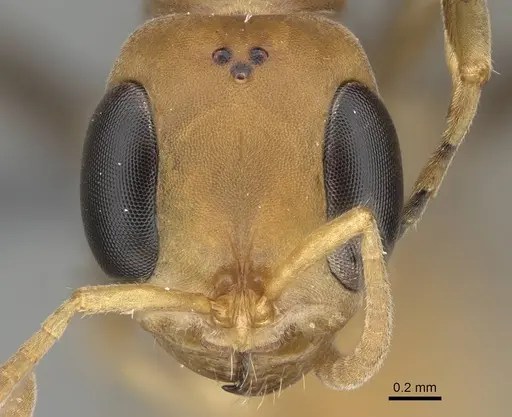
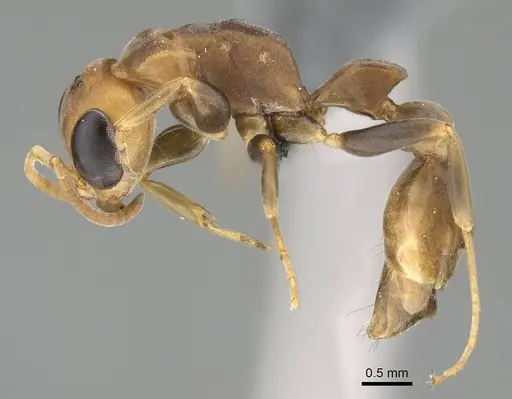
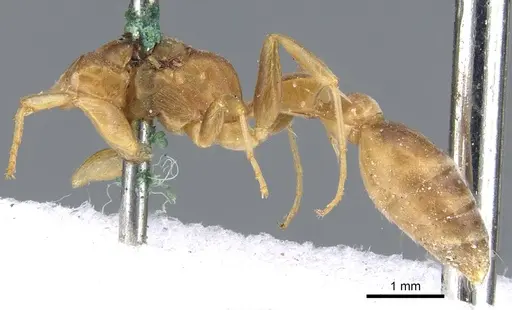
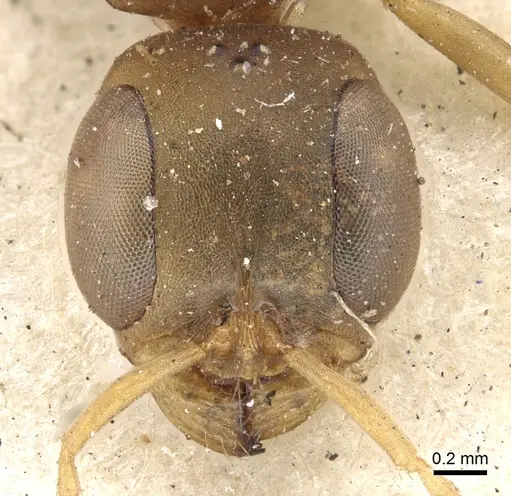
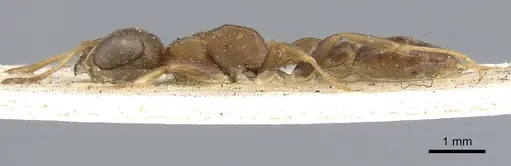
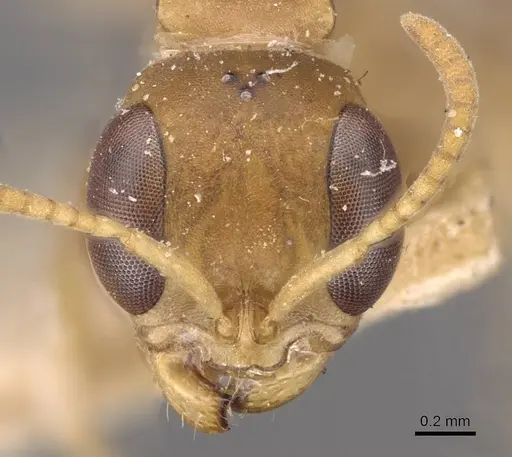
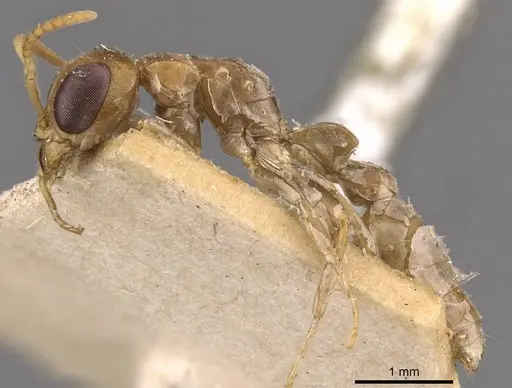
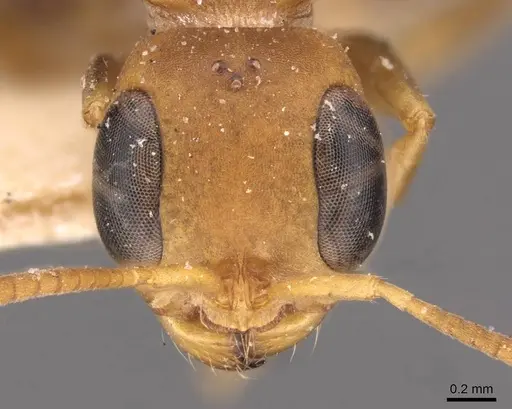
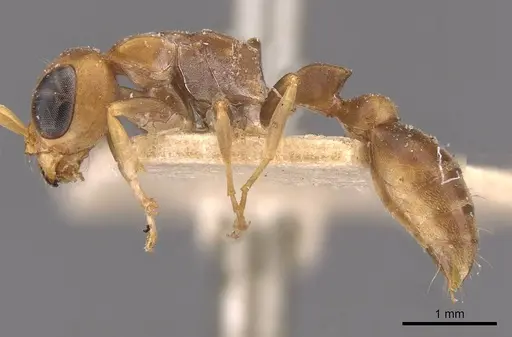
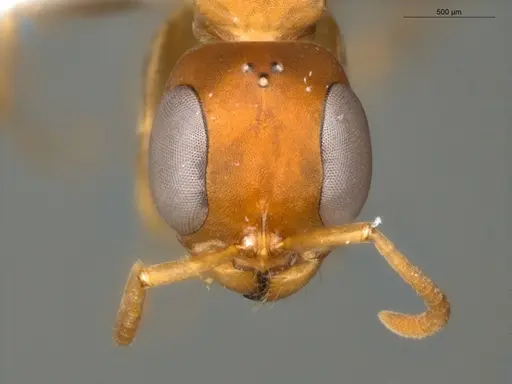
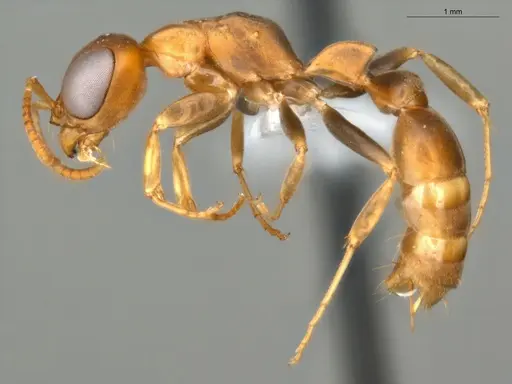
Pseudomyrmex tenuis is a very small, slender ant native to the Neotropical region, from southern Mexico through Central America and into South America as far as Argentina . Workers are concolorous testaceous brown with large elongate eyes, a sharply margined pronotum, and a tall, thin, pointed petiole . This species is a generalist twig-nester, nesting in dry twigs and small cavities in vegetation . It belongs to the P. tenuis group and represents a basal lineage within the genus Pseudomyrmex . Unlike many arboreal ants, P. tenuis is diurnal and highly agile, patrolling large areas around its nest solitarily while orienting by vision . They function as predators on vegetation and visitors of extrafloral nectaries . In captivity, they are best suited for keepers interested in observing active, visual-oriented foraging behavior.
Quick Summary
- Difficulty: Medium
- Origin & Habitat: Neotropical region, found in Argentina, Bolivia, Brazil, Colombia, Costa Rica, Ecuador, French Guiana, Guyana, Peru, and Suriname [1]. Inhabits tropical dry forests, rainforests, cloud forests, and transitional areas between Amazon and Cerrado biomes [7][8]. Typically nests in dry twigs in vegetation but can also use fallen trunks [3][5].
- Colony Type: Colony structure is unconfirmed. Specific data on queen number or social organization for this species is lacking.
- Size & Growth:
- Queen: Unconfirmed, no specific measurements found in research data.
- Worker: Very small, exact body length not reported in literature, but described from identification as a notably small Pseudomyrmex species [1].
- Colony: Estimated moderate, Pseudomyrmex colonies typically reach several hundred workers.
- Growth: Moderate, based on typical Pseudomyrmex development patterns.
- Development: Estimated 6-10 weeks at tropical temperatures based on genus-level data. (Development time is inferred from related Pseudomyrmex species, no species-specific data available.)
- Antkeeping:
- Temperature: Keep at 24-28°C, this is a tropical species requiring warm conditions. Provide a temperature gradient allowing workers to self-regulate [7].
- Humidity: Moderate humidity. Keep the nest substrate consistently slightly moist but not waterlogged. These ants inhabit humid forests, so air humidity should be moderate.
- Diapause: No, as a tropical species, P. tenuis does not require hibernation. They remain active year-round in consistent tropical conditions.
- Nesting: Use a naturalistic setup with small twigs or bamboo sections, or a small plaster or Y-tong nest with narrow chambers scaled to their tiny size. They are twig-nesters by nature and appreciate vertical space for climbing [2][3].
- Behavior: P. tenuis is a diurnal, highly active species that orients by vision and patrols large areas around the nest solitarily [5]. They are agile foragers and can act as predators on small arthropods and visitors of extrafloral nectaries [6][5]. Workers are tiny and fast-moving, so escape prevention must be excellent. Like all Pseudomyrmecinae, they have a well-developed sting and will defend the nest if threatened, though they are not particularly aggressive toward keepers.
- Common Issues: escape prevention is critical, their very small size means they can squeeze through tiny gaps., tropical temperature requirements mean they cannot tolerate cool conditions, keep warm year-round., small colony size means slower population growth, patience is required., dry conditions can cause stress, maintain adequate humidity without saturating the nest., their tiny size makes feeding small live prey necessary, which can be more demanding than feeding larger insects.
Natural History and Distribution
Pseudomyrmex tenuis is widely distributed across the Neotropics, from southern Mexico through Central America and down into South America including Brazil, Colombia, Peru, Bolivia, Argentina, and the Guianas [1][7]. This species has been recorded in multiple habitat types including tropical dry forests, rainforests, cloud forests, and transitional areas between the Amazon and Cerrado biomes [8][7]. They are considered a common species in Amazonian floodplain forests, recorded at numerous sites across hundreds of kilometers of study areas [9]. In Colombia, they are found in departments including Antioquia, Caquetá, Cundinamarca, Meta, and others at various altitudes [10]. The species is associated with Witheringia plants and is a generalist twig-nester, nesting in dead twigs and small cavities in vegetation [2]. Workers are diurnal and solitary foragers, relying on vision to navigate [5].
Housing and Nest Setup
In captivity, P. tenuis does well in small naturalistic setups that mimic their natural twig-nesting behavior. Provide small bamboo sections, twigs, or a small plaster or Y-tong nest with narrow chambers appropriate for their tiny size. They are arboreal by nature and appreciate vertical space for climbing [2][3]. A test tube setup can work for founding colonies, but they will benefit from moving to a more naturalistic formicarium as the colony grows. Because of their very small size, escape prevention must be excellent, use fine mesh barriers and ensure all connections are sealed tightly. They are diurnal and visually oriented, so some visibility into the nest chambers helps you observe their activity [5].
Feeding and Diet
P. tenuis is a predator and omnivore in nature, acting as a predator on vegetation-dwelling arthropods and visiting extrafloral nectaries for sugary secretions [6][5]. In captivity, offer small live prey such as fruit flies, pinhead crickets, and other tiny arthropods. They should also have access to sugar sources, a drop of honey water or sugar water will be readily accepted. Feed small amounts of protein prey 2-3 times per week, and keep a sugar source available at all times. Remove uneaten prey after 24-48 hours to prevent mold. Their small size means even tiny prey items are appropriate, focus on offering appropriately sized insects rather than large prey items.
Temperature and Seasonal Care
As a tropical species, P. tenuis requires warm temperatures year-round. Keep the nest area at 24-28°C, with a slight gradient allowing workers to self-regulate if needed [7]. This species does not require hibernation or diapause, they remain active throughout the year in consistent tropical conditions. Avoid temperatures below 20°C, as prolonged cool exposure can weaken or kill the colony. A small heating cable or mat on one side of the nest can help maintain appropriate temperatures, but always provide an unheated area so ants can escape excessive heat. Room temperature within the range is acceptable in most homes.
Behavior and Observation
One of the most interesting aspects of P. tenuis is their diurnal, visually-oriented foraging behavior. Unlike many ants that rely primarily on chemical trails, these ants patrol large areas around their nests solitarily and navigate using their excellent vision [5]. They are highly agile and quick-moving, making them entertaining to watch. Workers will venture out to forage and can travel significant distances from the nest in search of prey and nectar. This species has a well-developed sting but is not particularly aggressive, they will defend the nest if threatened. Their small size and active nature make them best suited for observation-focused setups where you can watch their foraging patrols.
Frequently Asked Questions
How long does it take for Pseudomyrmex tenuis to develop from egg to worker?
Exact development time is unconfirmed for this species, but based on typical Pseudomyrmex patterns, expect around 6-10 weeks from egg to first worker at tropical temperatures (24-28°C). Growth is moderate, be patient during the founding stage as the colony establishes itself.
What do Pseudomyrmex tenuis ants eat?
They are omnivorous predators. Offer small live prey like fruit flies, tiny crickets, and other small arthropods for protein, along with sugar sources like honey water or sugar water. In the wild, they are known to visit extrafloral nectaries for sugary secretions [6][5].
Do Pseudomyrmex tenuis ants need hibernation?
No, this is a tropical species that does not require hibernation or diapause. Keep them warm year-round at 24-28°C. They remain active throughout the year in consistent tropical conditions.
Can I keep Pseudomyrmex tenuis in a test tube?
Test tubes work for founding colonies, but due to their tiny size and arboreal nature, they will do better in a small naturalistic setup with twigs or a small plaster nest as they grow. Ensure excellent escape prevention regardless of setup [2].
How big do Pseudomyrmex tenuis colonies get?
Colony size is estimated at several hundred workers based on typical Pseudomyrmex patterns. Specific data for this species is limited, but colonies should reach moderate size over 1-2 years with proper care.
Do Pseudomyrmex tenuis ants sting?
Like all members of the subfamily Pseudomyrmecinae, they have a well-developed sting. However, this species is not particularly aggressive and will only sting if handled or if the nest is directly threatened. Their small size means any sting would be minimal.
Are Pseudomyrmex tenuis good for beginners?
This species is rated as medium difficulty. While not the most challenging ant to keep, their small size requires excellent escape prevention, and their tropical temperature needs must be consistently met. They are best suited for keepers who have some experience with small arboreal ants.
Why are my Pseudomyrmex tenuis escaping?
Their tiny size means they can squeeze through the smallest gaps. Review all connections, use fine mesh barriers, and ensure lid seals are tight. Even small gaps that other ants cannot pass through will allow these tiny ants to escape.
What temperature is ideal for Pseudomyrmex tenuis?
Keep them at 24-28°C. This is a tropical species that requires warm conditions year-round. Avoid temperatures below 20°C. A small heating setup can help maintain appropriate temperatures.
Where does Pseudomyrmex tenuis live in the wild?
They are found throughout the Neotropics from Mexico to Argentina, in habitats including tropical dry forests, rainforests, and cloud forests. They nest in dry twigs and small cavities in vegetation [1][7][8].
Report an Issue
The current care sheet is based fully on literature. See inconsistencies, or something that's incorrect? Please , it will be resolved after review from an admin. Contributing to the blogs tab also helps providing information, to make us be able to further improve the caresheets. Thank you for your support!
References

This caresheet is licensed under CC BY-SA 4.0 .
Community Blogs
CASENT0173780
View on AntWeb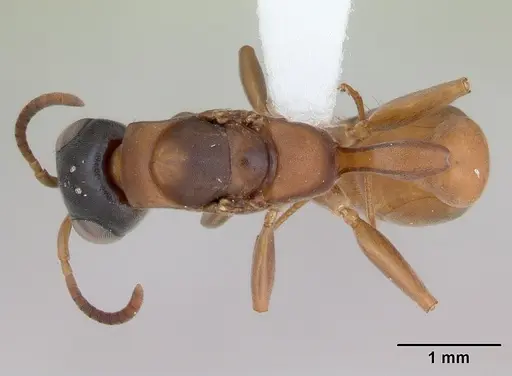
CASENT0370935
View on AntWeb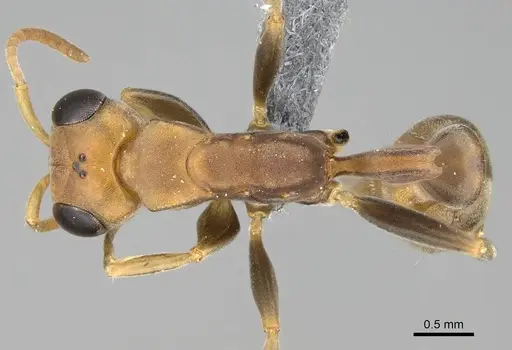
CASENT0902870
View on AntWeb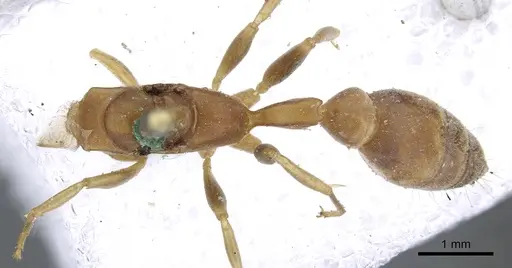
CASENT0902871
View on AntWeb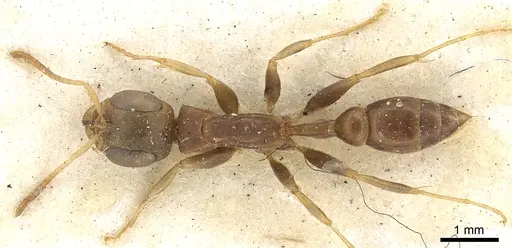
CASENT0907487
View on AntWeb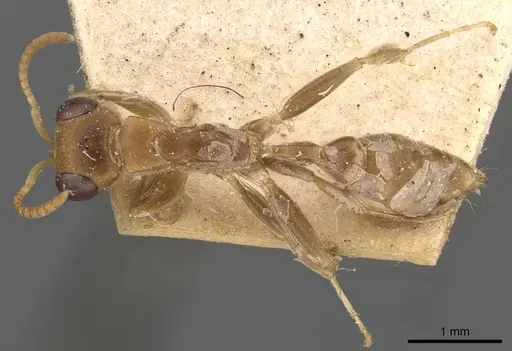
CASENT0907488
View on AntWeb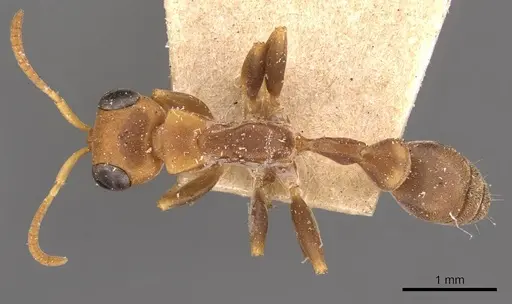
ECOFOG-KR17-0050-10
View on AntWeb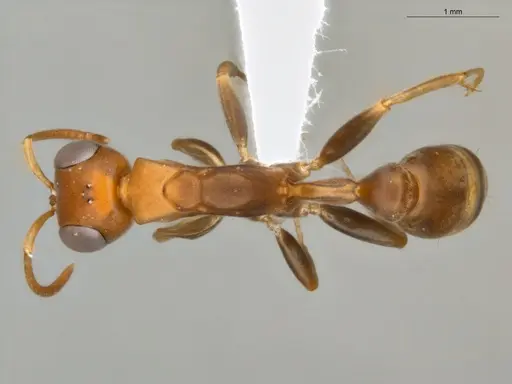
Literature
Loading distribution map...Loading products...