
Seminole Twig Ant
Pseudomyrmex seminole
- Sci. Name
- Pseudomyrmex seminole
- Tribe
- Pseudomyrmecini
- Subfamily
- Pseudomyrmecinae
- Author
- Ward, 1985
- Common Name
- Seminole Twig Ant
- Distribution
- Found in 3 countries
Introduction
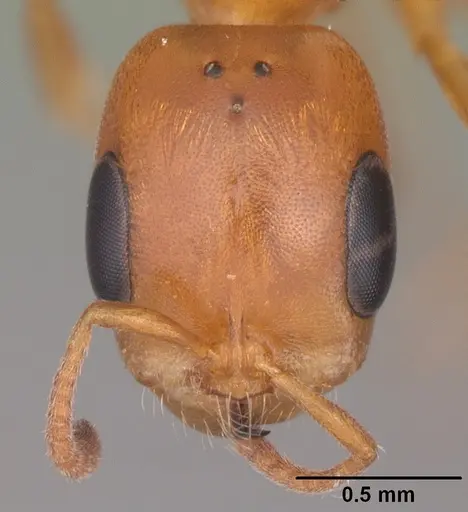
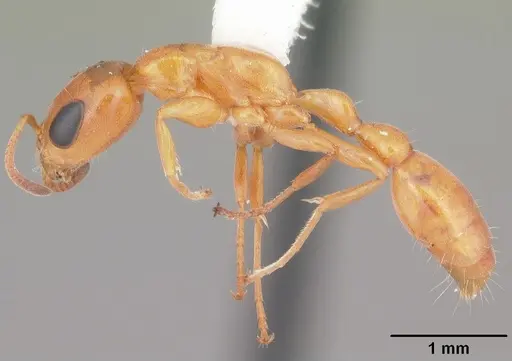
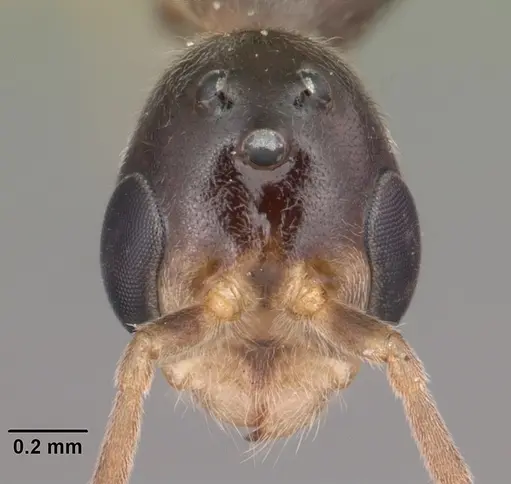
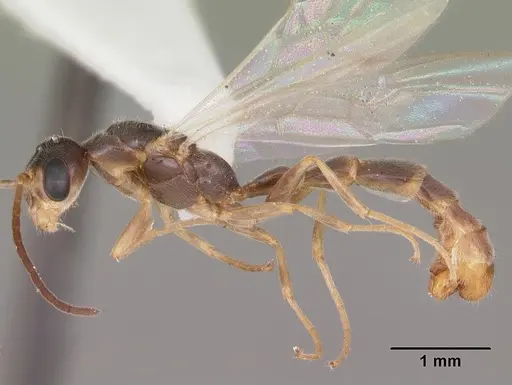
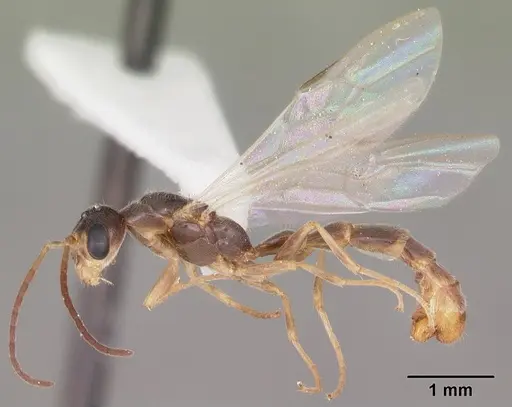
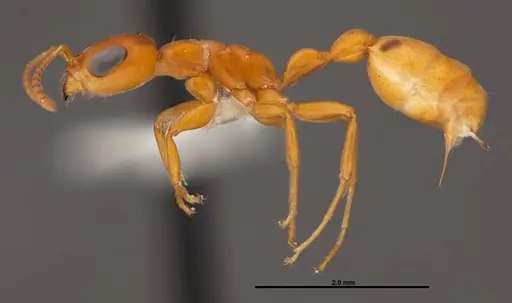
Pseudomyrmex seminole is a relatively large ant species native to the Gulf coast of the United States and Mexico, also found in the Bahamas and Cuba . Workers are slender ants with an orange-brown body, paler mandibles and leg tips, and long, delicate petioles . They are specialized stem-nesters that live in dead plant stalks and culms . Total body length for workers is estimated at 5-7 mm based on genus patterns. A unique feature of this species is its potential temporary social parasitism on the closely related Pseudomyrmex pallidus. Researchers have found P. seminole queens coexisting with P. pallidus workers in the same plant stem, suggesting founding queens may sometimes invade host colonies before establishing their own . This behavior makes them a captivating species for keepers interested in complex social interactions.
Quick Summary
- Difficulty: Medium
- Origin & Habitat: Gulf coast of USA (Florida, Texas, Alabama, Mississippi) and Mexico (Nuevo León, Tamaulipas, Tabasco, Sinaloa), also Bahamas and Cuba. Inhabits coastal areas, xerophilous shrubland, pine-oak forest, and secondary vegetation [2][3][4][5][6].
- Colony Type: Monogyne (single queen). Nests are polydomous, a single colony occupies multiple connected plant stems. May form temporary associations with Pseudomyrmex pallidus during colony founding [1][7].
- Size & Growth:
- Queen: ~7-9 mm (estimated based on Pseudomyrmex genus patterns)
- Worker: ~5-7 mm total length (estimated from Pseudomyrmex genus)
- Colony: Up to a few hundred workers (estimated from typical Pseudomyrmex colony sizes)
- Growth: Moderate
- Development: 6-10 weeks (estimated based on related Pseudomyrmex species) (Exact timeline not documented for this species.)
- Antkeeping:
- Temperature: Keep at 24-28°C. These are warm-climate ants from the Gulf coast and tropical regions. Room temperature (22-24°C) is acceptable but a slight heat gradient helps activity and brood development.
- Humidity: Moderate: keep nesting substrate slightly moist but not waterlogged. These ants nest in plant stems that can dry out, so occasional misting or a water test tube is useful.
- Diapause: No, these are subtropical ants that remain active year-round. No hibernation needed.
- Nesting: Specialized stem-nesters. Use narrow test tubes, Y-tong (AAC), plaster nests, or 3D-printed nests with chambers ~3-5 mm wide to mimic hollow plant stems. Keep the nest dark and enclosed [1].
- Behavior: Generally peaceful but will defend the nest if threatened. Workers are slender and fast-moving, not aggressive toward humans. Escape risk is moderate, they can squeeze through small gaps, so use standard barrier methods. Diurnal foragers that hunt small insects.
- Common Issues: colonies may fail if nest chambers are too large, they prefer tight, stem-like spaces, overheating and drying out the nesting area can kill the colony, avoid direct heat, wild-caught colonies may contain parasites or be stressed from relocation, temporary parasitic behavior may cause issues if housed with other Pseudomyrmex species, monitor humidity: too dry leads to abandonment or death
Housing and Nest Setup
Pseudomyrmex seminole nests exclusively in dead plant stems and culms in the wild [1]. In captivity, provide narrow, dark spaces that mimic these conditions. Good options are test tubes (standard 9-12 mm diameter), Y-tong (AAC) nests with small chambers, plaster nests, or 3D-printed nests with chamber widths of about 3-5 mm. Avoid large, open formicariums, these ants feel insecure in open spaces. Cover the nest with an opaque sheet to keep it dark. Use an outworld for foraging with simple, easy-to-clean surfaces. A water test tube placed near the nest provides humidity, do not let the nest become waterlogged.
Feeding and Diet
Pseudomyrmex seminole is a generalist predator, they hunt small insects and also accept sugary foods [8][9]. Offer live prey like fruit flies, pinhead crickets, or small mealworms 2-3 times per week. Remove uneaten prey after 24 hours to prevent mold. Provide sugar water, honey, or diluted maple syrup once or twice a week. Fresh water must always be available. Protein should make up the majority of the diet.
Temperature and Seasonal Care
Keep the colony at 24-28°C year-round. These are subtropical ants from the Gulf coast and do not require hibernation. A small heat mat on one side of the nest creates a gentle gradient. Avoid direct heat that could dry out the nest. In winter, room temperatures around 20-22°C are acceptable as long as the colony remains active. Do not let temperatures drop below 18°C for extended periods.
Colony Dynamics and Social Structure
Colonies are monogyne (single queen) and polydomous, meaning a single colony occupies several connected nest sites [1][7]. Workers move between stems through underground tunnels or surface trails. In captivity, you may see workers spread across multiple connected compartments. The most unusual aspect of this species is its facultative temporary social parasitism on Pseudomyrmex pallidus. Researchers have found founding queens sharing stems with P. pallidus workers [1]. Do not house them with other Pseudomyrmex species in the same nest system.
Handling and Observation
Workers are slender, fast, and generally docile. They will defend their nest if disturbed but are not dangerous to humans. Like other Pseudomyrmecinae, they have a sting but it is not considered painful. They are diurnal and most active during daylight hours. Their long petioles give them a distinctive appearance. They are good escape artists for their size, ensure barriers (fluon, oil) are properly applied. Avoid frequent nest disturbances to reduce colony stress.
Frequently Asked Questions
Can I keep Pseudomyrmex seminole in a test tube?
Yes. Use a standard 9-12 mm test tube with a water reservoir. The narrow space mimics their natural plant stem nests. For a growing colony, connect multiple test tubes or move to a small Y-tong/3D-printed nest with narrow chambers.
How long does it take for Pseudomyrmex seminole to produce first workers?
The exact timeline is not documented. Based on related Pseudomyrmex species, expect 6-10 weeks from egg to worker when kept at 24-28°C.
Do Pseudomyrmex seminole sting?
Yes, they have a sting, but it is not considered painful to humans. They are generally docile and will flee rather than attack. If directly threatened, they may sting or bite.
What do Pseudomyrmex seminole eat?
They are generalist predators that hunt small insects (fruit flies, pinhead crickets, small mealworms). They also accept sugar sources like honey or sugar water. Offer protein 2-3 times per week and sweets once or twice weekly.
Are Pseudomyrmex seminole good for beginners?
Rated medium difficulty. They have specialized nesting needs (narrow spaces, warm temperatures) and are less forgiving than common beginner species like Lasius niger or Camponotus. Suitable for keepers with some experience.
Can I keep multiple Pseudomyrmex seminole queens together?
No, this species is monogyne, colonies have one queen. Do not combine unrelated queens as they will fight.
Do Pseudomyrmex seminole need hibernation?
No, they do not require diapause. Keep them warm (24-28°C) year-round. A slight winter temperature drop to 20-22°C is fine but not necessary.
Why is my Pseudomyrmex seminole colony dying?
Common causes: nest chambers too large (they need tight spaces), nest too dry, temperatures too cold (
How big do Pseudomyrmex seminole colonies get?
Colonies likely reach a few hundred workers at most, based on typical Pseudomyrmex colony sizes and their stem-nesting restrictions. Exact maximum is unknown.
When should I move Pseudomyrmex seminole to a formicarium?
Move them when the test tube becomes crowded (30-50 workers). Use a small nest with narrow chambers. Do not move them too early, wait until the colony has at least 20-30 workers.
What makes Pseudomyrmex seminole different from other ants?
Its specialized stem-nesting habit and facultative temporary social parasitism on Pseudomyrmex pallidus are rare among ants. Colonies are polydomous, and workers have an unusually long petiole. They are generalist foragers collected from various plant species [8][9].
Report an Issue
The current care sheet is based fully on literature. See inconsistencies, or something that's incorrect? Please , it will be resolved after review from an admin. Contributing to the blogs tab also helps providing information, to make us be able to further improve the caresheets. Thank you for your support!
References

This caresheet is licensed under CC BY-SA 4.0 .
Community Blogs
CASENT0103881
View on AntWeb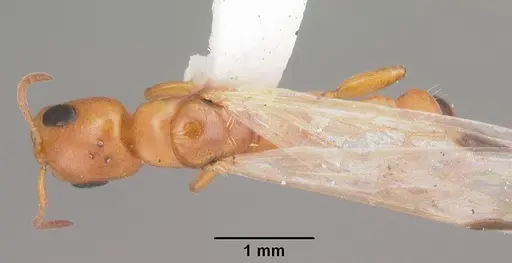
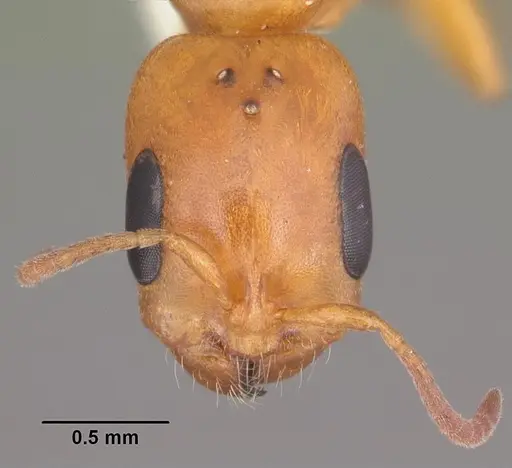
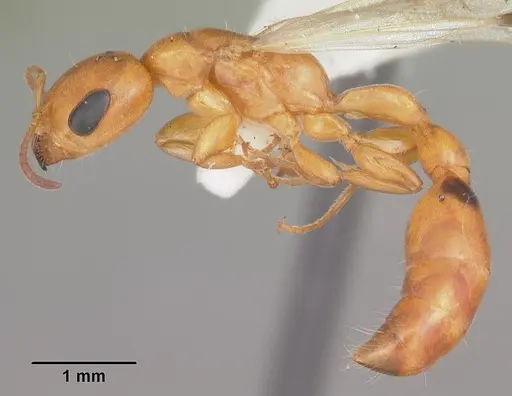
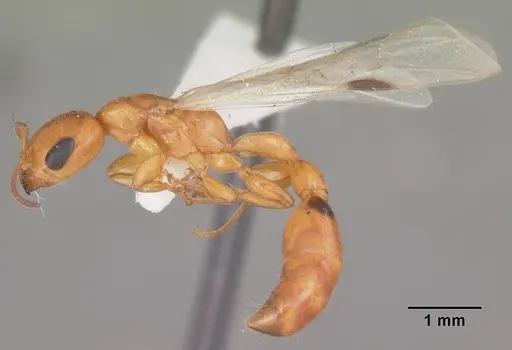
CASENT0103884
View on AntWeb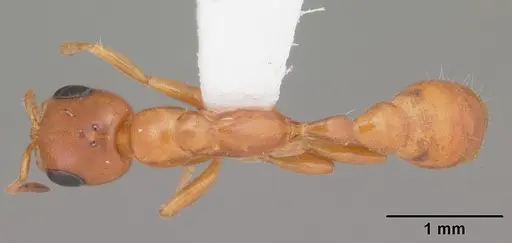
CASENT0104233
View on AntWeb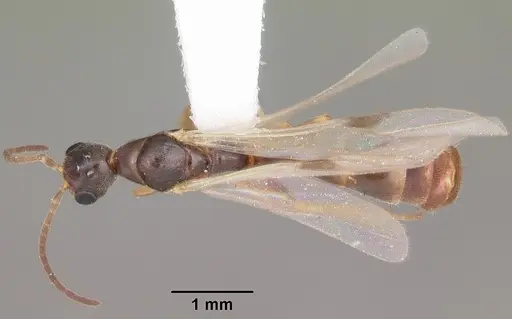
CASENT0902898
View on AntWeb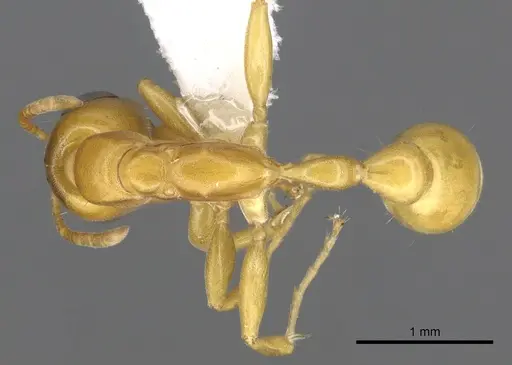
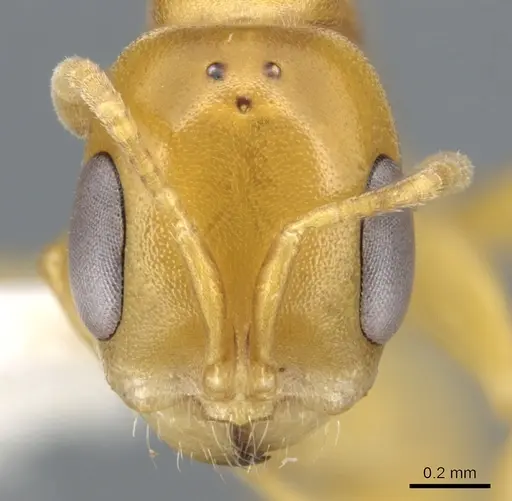
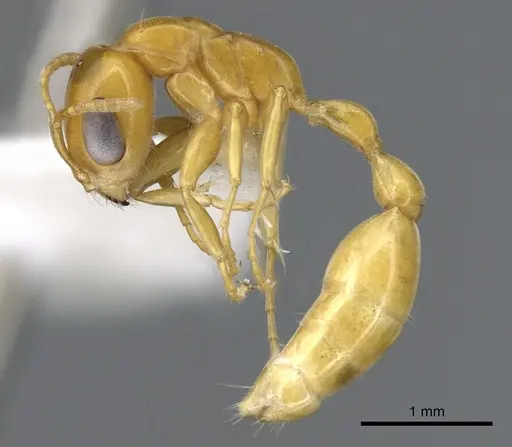
FMNHINS0000078510
View on AntWeb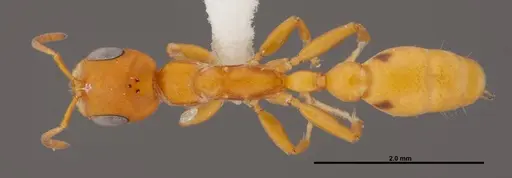
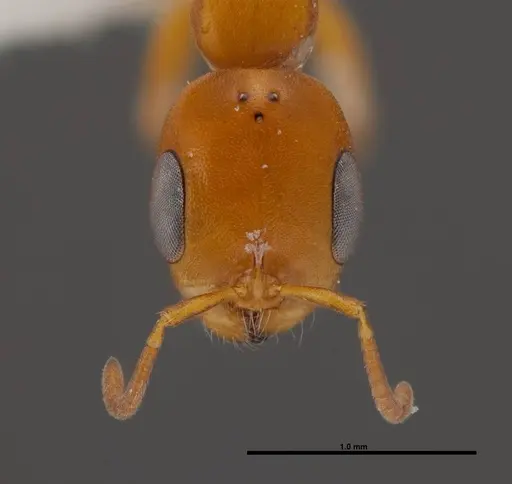
UTEPENTO4466
View on AntWeb
Literature
Loading distribution map...Loading products...