
Pseudomyrmex parvulus
- Sci. Name
- Pseudomyrmex parvulus
- Tribe
- Pseudomyrmecini
- Subfamily
- Pseudomyrmecinae
- Author
- Ward, 2017
- Distribution
- Found in 1 countries
Introduction
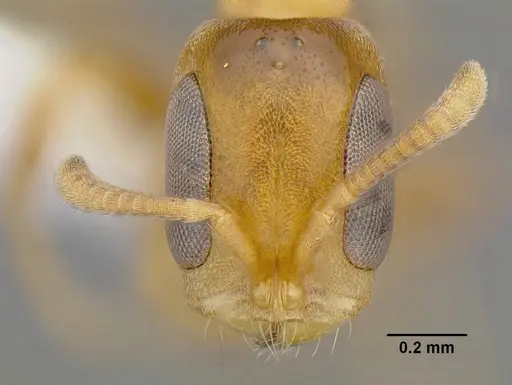
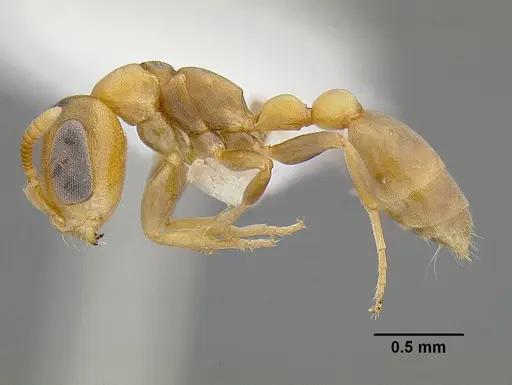
Pseudomyrmex parvulus is a tiny rainforest ant from the Pseudomyrmecinae subfamily, first described in 2017. Total body length has not been published, but based on head measurements they are among the smallest Pseudomyrmex species. They have a distinctive elongate head with a matte texture, medium yellowish-brown bodies, and lighter pronotum, petiole, postpetiole, and legs . This species is known only from two rainforest sites in Amazonas, Brazil and one site in Bolivia, where workers were collected from the forest canopy using fogging techniques . In the wild they are generalist dead twig inhabitants, nesting in hollow twigs and small cavities in the canopy layer .
Quick Summary
- Difficulty: Expert
- Origin & Habitat: Tropical rainforest in Amazonas, Brazil (black water inundation forest) and Sierra de Huanchaca, Bolivia, collected at canopy level [1][2].
- Colony Type: Colony structure is unconfirmed. Based on patterns in related Pseudomyrmex goeldii group species, likely single-queen (monogyne) colonies, but this has not been documented for this specific species.
- Size & Growth:
- Queen: Unknown, no dealate queen total length measurements published beyond the single Bolivia specimen [1].
- Worker: Size data unavailable, no total length measurements have been published. Head width known to be 0.56-0.60 mm, head length 0.73-0.80 mm [1].
- Colony: Unknown, no colony size data available.
- Growth: Unknown, no development data exists for this species.
- Development: Unconfirmed, no direct measurements. Based on typical Pseudomyrmex patterns from related species, estimate 6-10 weeks at tropical temperatures, but this is a rough inference. (Development timeline has not been studied. Estimates based on genus-level patterns for tropical Pseudomyrmex.)
- Antkeeping:
- Temperature: As a tropical rainforest species from Amazonas, keep warm at 24-28°C. Use a heating cable on one side of the nest to create a gentle gradient. Monitor colony activity to adjust, if they cluster near heat, maintain current temperature, if they avoid heated areas, reduce heat slightly.
- Humidity: High humidity is essential, these ants live in rainforest canopy environments. Keep nest substrate consistently moist but not waterlogged. Provide a water reservoir in the outworld and mist occasionally. The humidity should mimic damp forest conditions.
- Diapause: Unknown, as a tropical species from consistent rainforest environments, they likely do not require diapause. However, slight temperature reduction during winter months may be beneficial if your room temperature drops significantly.
- Nesting: In nature, they are generalist dead twig inhabitants, nesting in hollow twigs and small cavities in the canopy. In captivity, a small naturalistic setup with small twigs or a Y-tong (AAC) or plaster nest with very small chambers works well. The nest chambers must be scaled to their tiny size, narrow passages are essential.
- Behavior: Pseudomyrmex ants are typically active foragers with good vision. Workers are slender and long-legged, adapted for moving through vegetation. This species is likely moderately active and may show territorial behavior typical of the genus. Escape prevention is critical, at only about 0.6 mm body width, they can squeeze through extremely small gaps. Use fine mesh and tight-fitting barriers. Their small size means they are excellent escape artists.
- Common Issues: escape prevention is critical due to their tiny size, they can squeeze through gaps that appear sealed, lack of available care information makes this an experimental species, expect a learning curve, high humidity requirements can lead to mold issues if ventilation is poor, wild-caught colonies may not adapt to captive conditions, this species has never been kept in captivity before, very small size makes them vulnerable to drying out if humidity drops
Housing and Nest Setup
Pseudomyrmex parvulus presents unique housing challenges due to its extremely small worker size. Standard ant keeping setups often have chambers and passages too wide for these tiny ants. A Y-tong (AAC) or plaster nest with very small, tight chambers works best, or a custom naturalistic setup with small hollow twigs. The nest material should hold moisture well. The outworld should also be appropriately scaled, these tiny ants need small spaces to forage effectively. Escape prevention must be excellent: use fine mesh (at least 0.5 mm or finer), apply fluon to barrier edges, and ensure all lid seams are sealed. Even tiny gaps that would not concern keepers of larger species will allow these ants to escape. [1]
Feeding and Diet
The specific diet of Pseudomyrmex parvulus has not been studied, but Pseudomyrmex species are generally omnivorous with a preference for protein sources. In the wild, they likely consume small arthropods, honeydew from aphids or scale insects, and nectar. For captive colonies, offer small protein sources appropriate to their tiny size: fruit flies, pinhead crickets (very small pieces), and other micro-prey. Sugar water or honey diluted with water should be available at all times. Given their canopy nesting habits, they may be more arboreal in their foraging than ground-nesting species. Feed small amounts every 2-3 days and remove uneaten prey to prevent mold. Their tiny size means even small prey items represent significant meals.
Temperature and Humidity Requirements
As a tropical rainforest species from Amazonas, Brazil, Pseudomyrmex parvulus requires warm and humid conditions. Maintain temperatures in the range of 24-28°C, which mimics their natural canopy environment in the Amazon basin [1]. A heating cable placed on one side of the nest creates a temperature gradient, allowing ants to self-regulate. Humidity should be high, think damp rainforest understory. Keep the nest substrate consistently moist but never waterlogged. A water tube or reservoir in the outworld helps maintain humidity. Monitor for condensation on nest walls, which indicates adequate humidity. Poor humidity will quickly fatal to these small ants as they desiccate easily.
Acquiring This Species
Pseudomyrmex parvulus was only described as a species in 2017 and is known from only a handful of specimens collected in Brazil and Bolivia [1]. This species has never been documented in the ant keeping hobby and is not commercially available. Any colonies in captivity would likely be wild-caught, which presents significant challenges. Wild-caught ant colonies often fail to adapt to captive conditions, and this is especially true for species with no captive history. If you somehow obtain this species, expect a steep learning curve and be prepared for experimental care. Do not release any specimens in non-native areas, Pseudomyrmex species are not established in the pet trade and could become invasive.
Behavior and Temperament
Pseudomyrmex ants are known for their good vision and active foraging behavior. Workers are slender with long legs, adapted for moving through vegetation. While specific behavior of P. parvulus is unstudied, the genus typically shows alert, active colonies with good navigation abilities. They are likely diurnal foragers, hunting small prey and collecting honeydew. Their small size makes them potentially vulnerable to larger ant species if housed in a shared space. Handle with care during nest moves, their tiny bodies are delicate. The species is not known to be particularly aggressive toward keepers, but their small stingers may be able to penetrate human skin, though any sting would be very mild.
Frequently Asked Questions
How do I keep Pseudomyrmex parvulus ants?
This is an experimental species with no established care guidelines. Based on its natural history, provide a small-scaled nest with very tight chambers (tiny workers), maintain high humidity (rainforest conditions), and keep temperatures at 24-28°C. This species has never been kept in captivity before, so expect a learning curve.
What do Pseudomyrmex parvulus ants eat?
Their specific diet is unstudied, but Pseudomyrmex species are omnivorous. Offer small protein sources like fruit flies, tiny crickets, and micro-prey. Provide sugar water or diluted honey constantly. Their tiny size means even small prey items are substantial meals.
How big do Pseudomyrmex parvulus colonies get?
Colony size is unknown, no colony data exists for this recently described species. Related Pseudomyrmex species typically reach several hundred workers. Expect slow growth given the limited data available.
Do Pseudomyrmex parvulus ants sting?
Most Pseudomyrmex species have the ability to sting, though their small size often means stings cannot penetrate human skin. This species is too small to deliver a painful sting to humans, though individual sensitivity varies.
Are Pseudomyrmex parvulus good for beginners?
No. This is an expert-level species due to its tiny size, complete lack of captive care information, and specific humidity/temperature requirements. It is not recommended for anyone except experienced antkeepers interested in working with rare, unstudied species.
What is the best nest type for Pseudomyrmex parvulus?
A Y-tong (AAC) or plaster nest with extremely small chambers scaled to their tiny worker size is essential. Standard nests have passages too large for these tiny ants. Naturalistic setups with small hollow twigs can also work. The key is tight, appropriately-sized chambers.
How long do Pseudomyrmex parvulus take to develop from egg to worker?
The development timeline is unconfirmed, no research exists on their development. Based on typical Pseudomyrmex patterns for tropical species, estimate 6-10 weeks from egg to first worker at optimal temperatures, but this is a rough inference.
Where does Pseudomyrmex parvulus live in the wild?
Only known from rainforest sites in Amazonas, Brazil and one location in Bolivia (Sierra de Huanchaca). Workers were collected from the forest canopy using fogging techniques, indicating they nest in dead twigs in the canopy layer.
Can I keep multiple Pseudomyrmex parvulus queens together?
Unknown, colony structure has not been documented for this species. The related Pseudomyrmex goeldii group species typically have single-queen colonies, but this has not been confirmed for P. parvulus. Without data, combining unrelated queens is not recommended.
Do Pseudomyrmex parvulus need hibernation?
Unknown, as a tropical rainforest species from consistent Amazon climates, they likely do not require diapause. However, slight temperature reduction during winter may be beneficial if your room temperature drops significantly below their preferred 24-28°C range.
Why are my Pseudomyrmex parvulus dying?
Without established care guidelines, colony failure is likely. Common causes likely include: low humidity (they desiccate easily), temperature outside 24-28°C range, poor escape prevention, inappropriate nest chamber size, or stress from wild-caught origin. This species has no captive history, so troubleshooting is experimental.
Is Pseudomyrmex parvulus available to buy?
No. This species was only described in 2017 and is known from only a handful of specimens. It is not commercially available in the ant keeping hobby. Any specimens would need to be wild-caught, which is not recommended due to the difficulty of establishing this species in captivity.
Report an Issue
The current care sheet is based fully on literature. See inconsistencies, or something that's incorrect? Please , it will be resolved after review from an admin. Contributing to the blogs tab also helps providing information, to make us be able to further improve the caresheets. Thank you for your support!
References

This caresheet is licensed under CC BY-SA 4.0 .
Community Blogs
CASENT0762994
View on AntWeb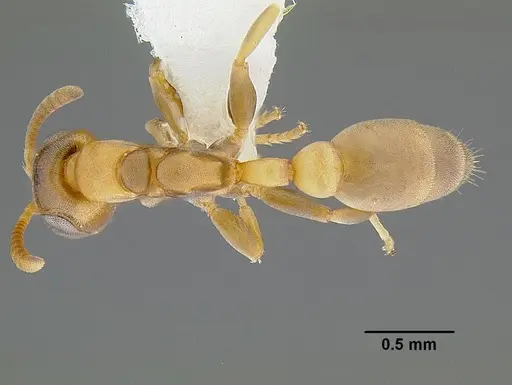
Literature
Loading distribution map...Loading products...