
Pseudomyrmex pallens
- Sci. Name
- Pseudomyrmex pallens
- Tribe
- Pseudomyrmecini
- Subfamily
- Pseudomyrmecinae
- Author
- Mayr, 1870
- Distribution
- Found in 8 countries
Introduction
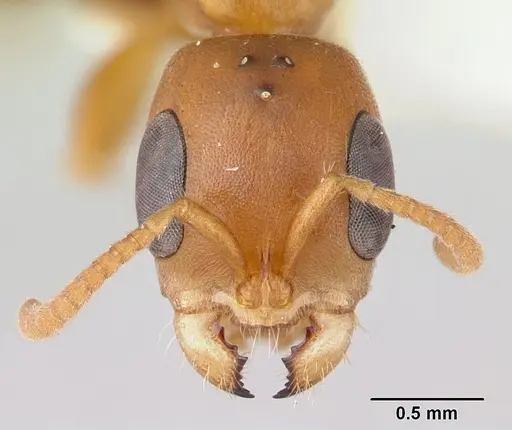
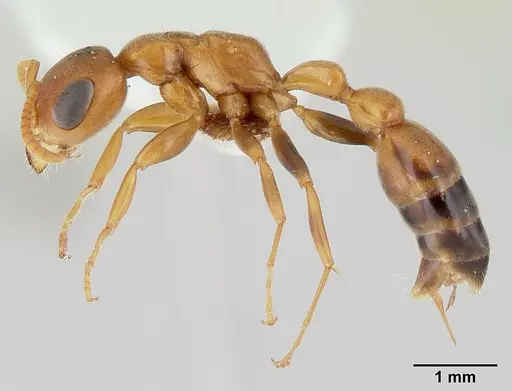
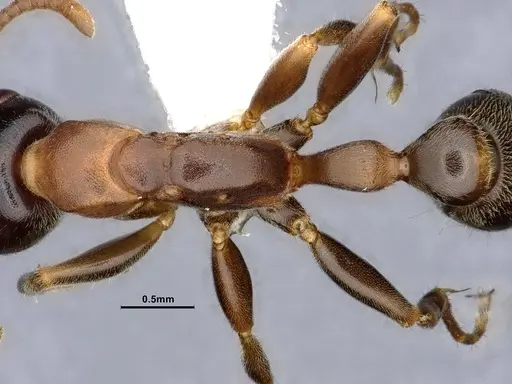
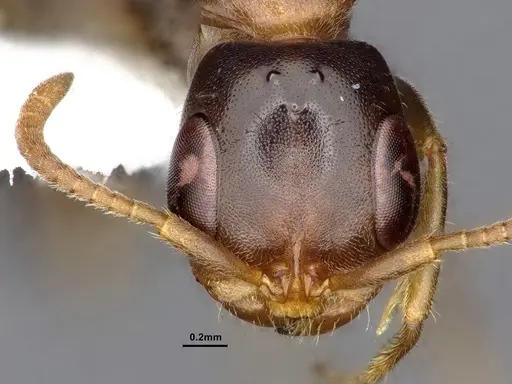
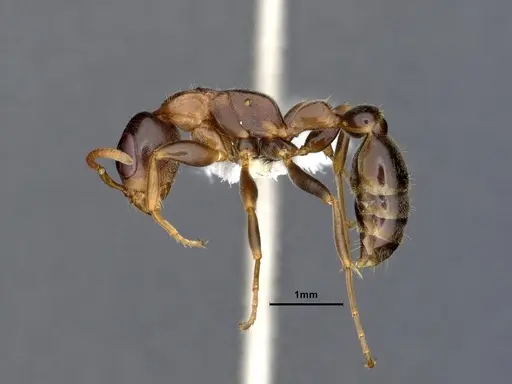
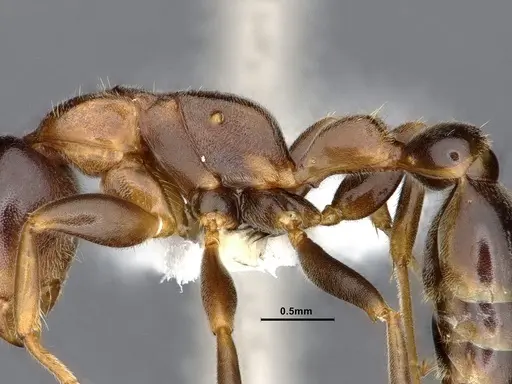
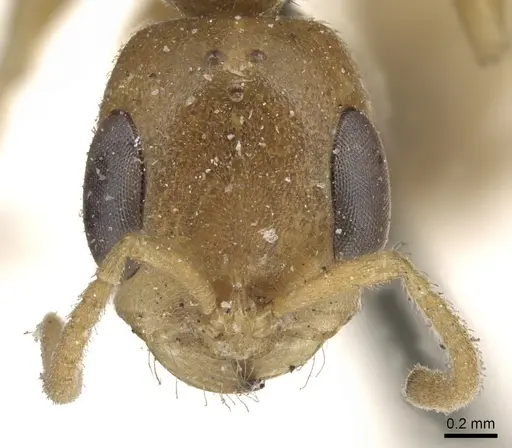
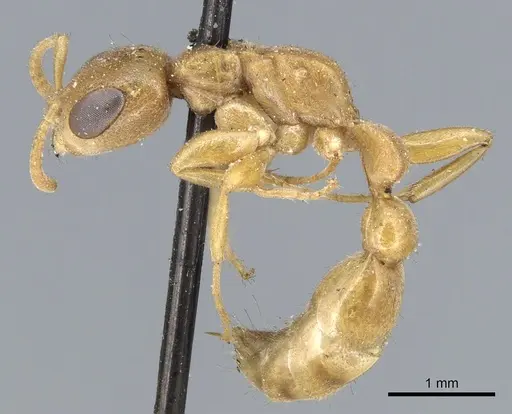
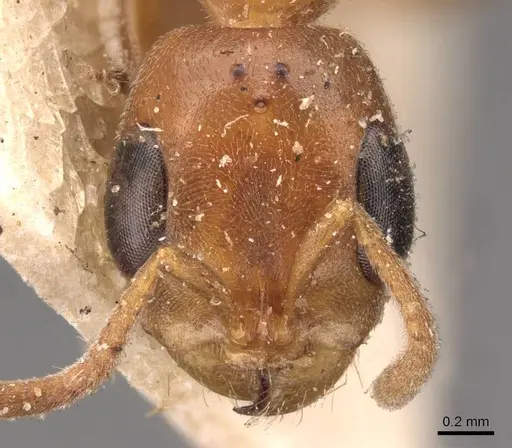
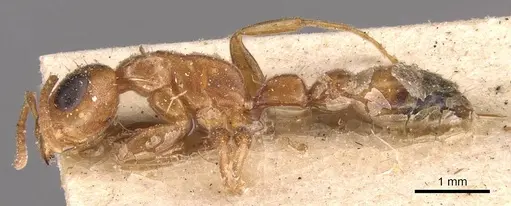
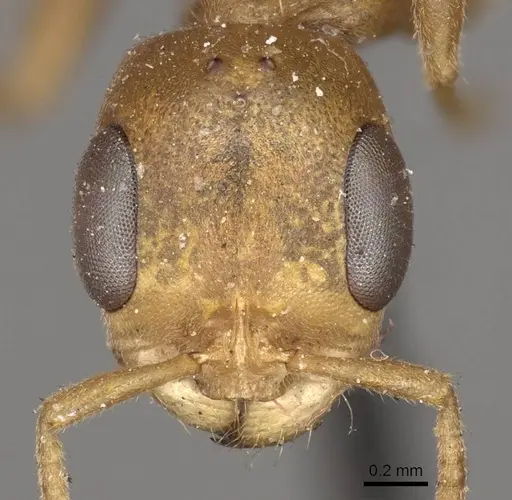
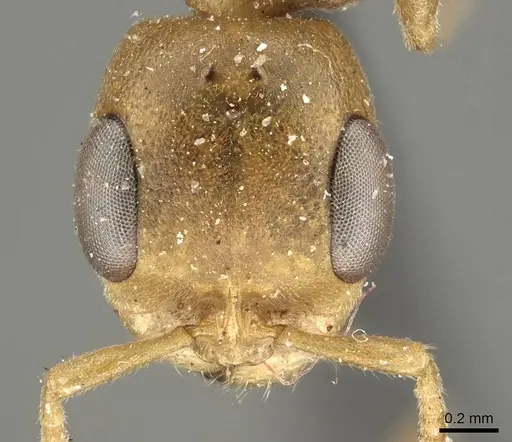
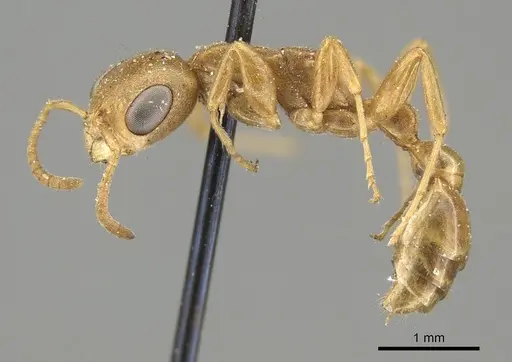
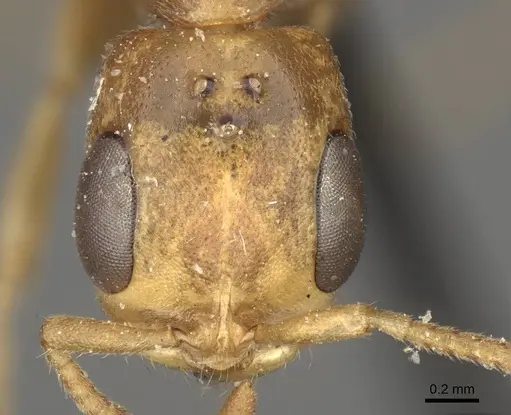
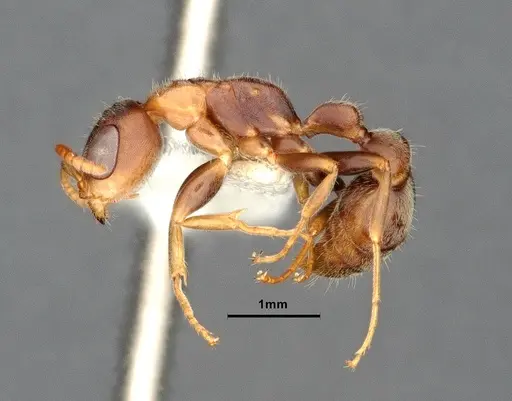
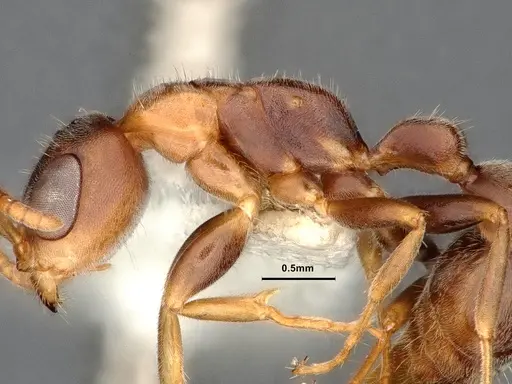
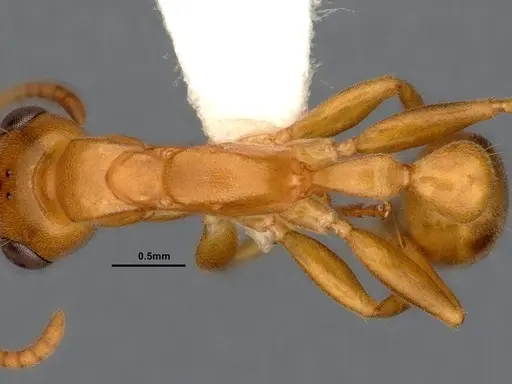
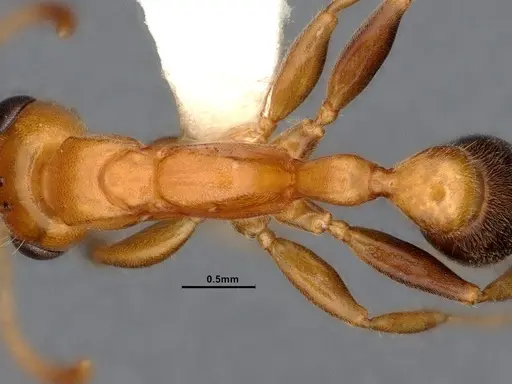
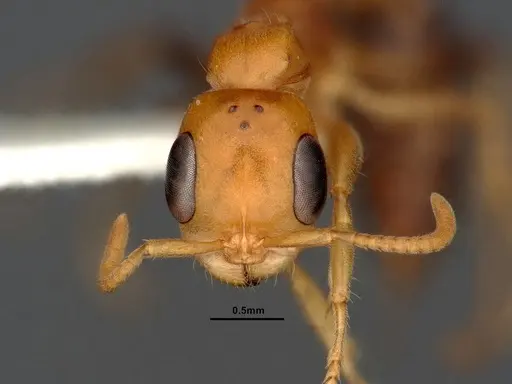
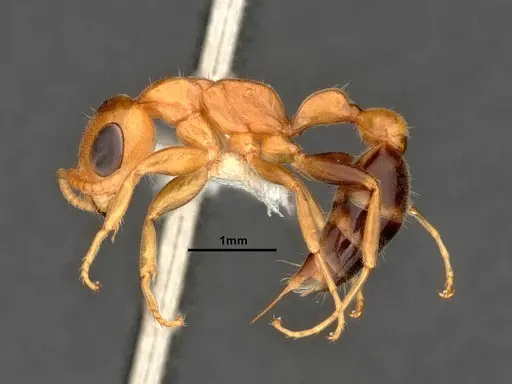
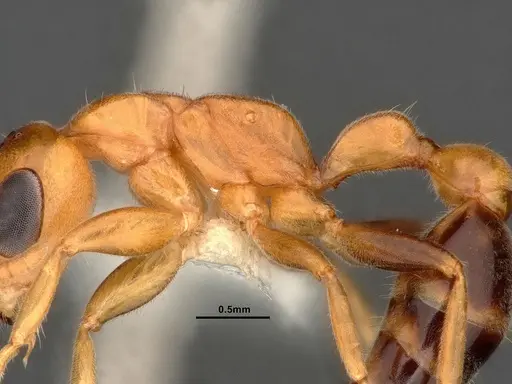
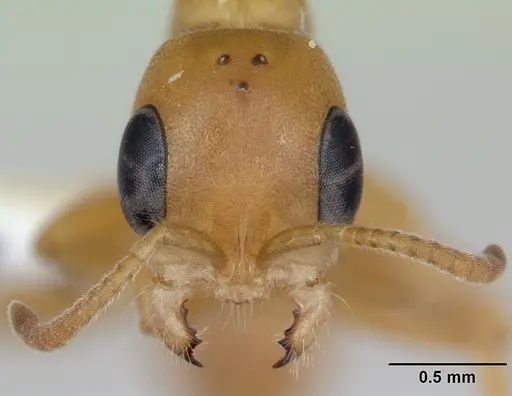
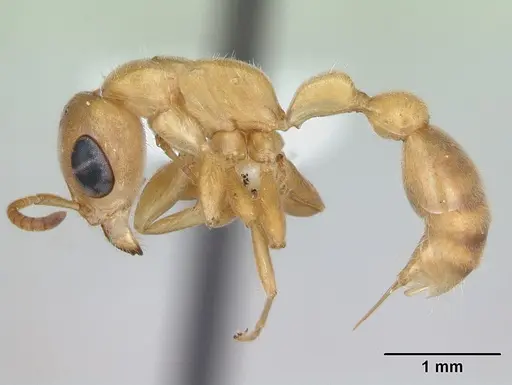
Pseudomyrmex pallens is a slender, arboreal ant native to the Neotropical region, found across Colombia, Costa Rica, Mexico, Peru, and Venezuela . Workers measure 5-6mm long with a distinctive light orange-brown body and dark transverse markings on the abdomen . Higher‑elevation individuals can be darker . As a member of the Pseudomyrmecinae subfamily, these ants have large eyes and an elongated shape adapted for tree‑dwelling. They are generalist twig‑nesters, colonizing dead twigs and branches rather than building ground nests . Part of the P. pallens group, they function as solitary hunters - workers actively forage individually for prey in arboreal vegetation rather than cooperating in raids .
Quick Summary
- Difficulty: Medium
- Origin & Habitat: Neotropical region, Colombia, Costa Rica, Mexico, Peru, Venezuela [1]. Found in tropical dry forest fragments and cloud forests up to 1,496 m elevation [7][8]. Nests in tree cavities and dead twigs in the canopy [9][5].
- Colony Type: Colony structure is unconfirmed. Likely single‑queen colonies based on genus patterns, but this needs verification.
- Size & Growth:
- Queen: 6.2mm [2], from the original description of a female (likely total length).
- Worker: 5-6mm [2], total length.
- Colony: Unknown, likely moderate (probably under 500 workers) based on twig‑nesting habits.
- Growth: Moderate, inferred from genus patterns, these ants are not fast growers.
- Development: 6-10 weeks, estimated based on related Pseudomyrmex species, as species‑specific data are unavailable. (Development strongly depends on stable warm temperatures.)
- Antkeeping:
- Temperature: 24-28°C, tropical species that needs consistent warmth. Place a heating cable on one side of the nest to create a gradient. Avoid extended periods below 22°C.
- Humidity: Moderate humidity, keep nest substrate slightly moist but well ventilated. Overly wet conditions lead to mold. They come from dry forests, so a humidity gradient with a drier side is best.
- Diapause: No, being tropical, they do not need hibernation. Keep temperatures steady year‑round.
- Nesting: Arboreal specialists that require vertical space. Use Y‑tong (AAC), plaster, or 3D‑printed nests with narrow chambers that mimic twig interiors. Provide branches, cork bark, or fake plants for climbing. Horizontal‑only setups cause stress.
- Behavior: Active, alert foragers with excellent vision. Workers are solitary hunters, they patrol vegetation for small prey alone rather than in cooperative groups [6]. They are not aggressive toward keepers but may deliver a mild sting if handled roughly. Their large eyes indicate strong visual orientation, they may react to movement. Escape prevention is critical: they are small and can squeeze through tiny gaps, so use fine mesh or Fluon barriers.
- Common Issues: poor ventilation leading to mold in high‑humidity setups, balance moisture with airflow., lack of vertical space causing stress, always include climbing structures., slow colony growth may discourage beginners, patience is required., wild‑caught colonies may arrive with parasites or in weakened condition., small size makes escape prevention essential, use tight‑fitting lids and fine mesh.
Housing and Nest Setup
Pseudomyrmex pallens needs an arboreal setup that mimics its natural twig‑nesting habitat. Use Y‑tong (AAC), plaster, or 3D‑printed nests with narrow chambers sized for 5-6mm workers. Avoid acrylic nests. Add branches, cork bark, or fake plants for climbing, these ants actively explore vertical space. A test tube works for the founding queen, once around 15-20 workers appear, move them to a small formicarium. Escape prevention is critical because of their small size, use fine mesh on openings and apply Fluon to the outworld walls. [9][5][1]
Feeding and Diet
As solitary hunters, Pseudomyrmex pallens workers actively forage for small live prey. Offer fruit flies, pinhead crickets, mealworms, and other tiny arthropods [6]. They prefer to hunt rather than scavenge. Provide sugar water or honey occasionally, but protein should be the main food. Feed every 2-3 days, adjusting to colony size, and remove uneaten prey after 24 hours to prevent mold. Always provide a constant water source.
Temperature and Humidity
These tropical ants need warm conditions: maintain 24-28°C. A heating cable on one side of the nest creates a gradient for the colony to self‑regulate. Avoid temperatures below 22°C for long periods. Humidity should be moderate, keep the nest substrate slightly moist but not waterlogged. Good ventilation is essential to prevent mold. Mist the outworld occasionally and offer a water tube. They come from dry forests, so high humidity is not necessary, aim for a gradient with a drier area. [1]
Colony Development
Colony growth is moderate. The founding method is unconfirmed in the literature, based on generalized Pseudomyrmex patterns, queens may seal themselves in a twig cavity claustrally, but this is not certain. First workers (nanitics) are often smaller than mature workers. Expect 6-10 weeks from egg to first worker at optimal temperatures (estimated from related species). Growth depends on consistent feeding and temperature. Colonies probably stay moderate in size (well under 500 workers) because twig nesting limits expansion. Patience is necessary, they are not fast growers. [2]
Behavior and Temperament
Workers are active, alert foragers with good vision. They are solitary hunters that patrol vegetation individually rather than using chemical trails or forming foraging columns [6][4]. They are not aggressive toward keepers but may sting if handled roughly, the sting is mild. These ants are more active during daylight, reflecting their visually oriented, arboreal lifestyle. They are not as colony‑intense as some Myrmicinae, expect lower overall activity but more purposeful individual foraging.
Seasonal Care
As a tropical species, Pseudomyrmex pallens does not require hibernation or diapause. Keep temperatures stable year‑round. Avoid exposing the colony to temperatures below 20°C. In temperate climates, make sure heating remains consistent during winter when room temperatures drop. The colony will keep developing and foraging as long as it stays warm. Monitor humidity more carefully in winter when heating can dry out the nest. [1]
Frequently Asked Questions
How long does it take for Pseudomyrmex pallens to produce first workers?
Expect 6-10 weeks from egg to first worker at 24-28°C. This is an estimate based on related Pseudomyrmex species, specific data are not published.
Can I keep Pseudomyrmex pallens in a test tube setup?
Yes. Use a small test tube with a water reservoir and cotton plug for the founding colony. Once the colony has 15-20 workers, move it to a small formicarium with narrow arboreal chambers.
What do Pseudomyrmex pallens eat?
They are predatory ants that hunt small live prey, fruit flies, pinhead crickets, mealworms [6]. They also accept sugar water or honey occasionally, but protein should be the main food.
Do Pseudomyrmex pallens sting?
Yes, they can sting, but the sting is mild. They are not aggressive and usually only sting if handled roughly or threatened directly. It is not dangerous to healthy humans.
Are Pseudomyrmex pallens good for beginners?
They are rated medium difficulty. While not the hardest species, they require arboreal housing and stable tropical conditions, experience with similar setups helps.
What temperature do Pseudomyrmex pallens need?
Keep them at 24-28°C. Use a heating cable on one side to create a gradient. Avoid long periods below 22°C.
How big do Pseudomyrmex pallens colonies get?
Colony size is poorly documented. Based on their twig‑nesting lifestyle, colonies are probably moderate, likely under 500 workers. They are not a large‑colony species.
Do Pseudomyrmex pallens need hibernation?
No, they are tropical and do not require diapause. Maintain warm temperatures year‑round, they are active throughout the year in their natural range.
Why is my Pseudomyrmex pallens colony not growing?
Check temperature (24-28°C), humidity (moderate with good ventilation), and food quality. Ensure they get enough protein prey. Slow growth can be natural, they are not fast growers.
Report an Issue
The current care sheet is based fully on literature. See inconsistencies, or something that's incorrect? Please , it will be resolved after review from an admin. Contributing to the blogs tab also helps providing information, to make us be able to further improve the caresheets. Thank you for your support!
References

This caresheet is licensed under CC BY-SA 4.0 .
Community Blogs
CASENT0178624
View on AntWeb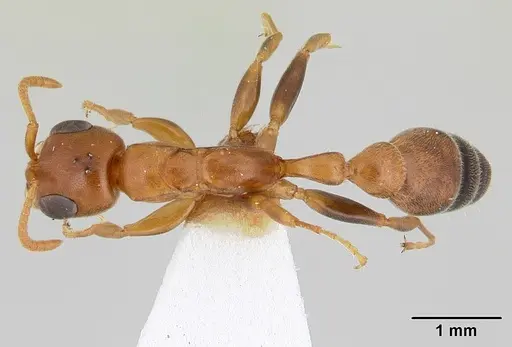
CASENT0865539
View on AntWeb
CASENT0902877
View on AntWeb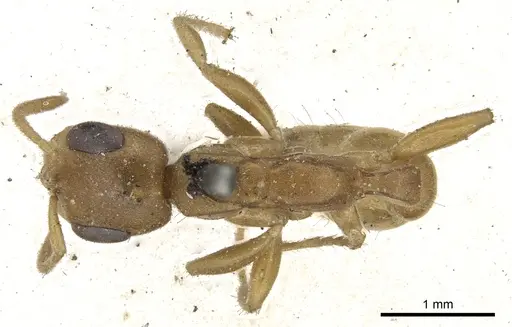
CASENT0907486
View on AntWeb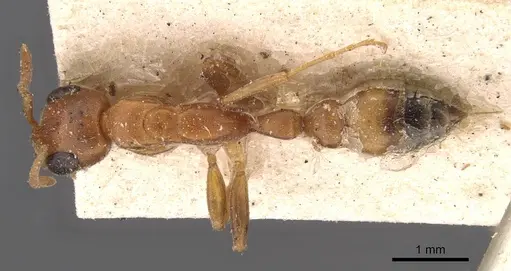
CASENT0915844
View on AntWeb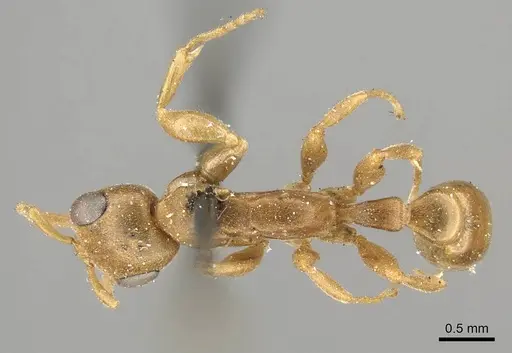
CASENT0915845
View on AntWeb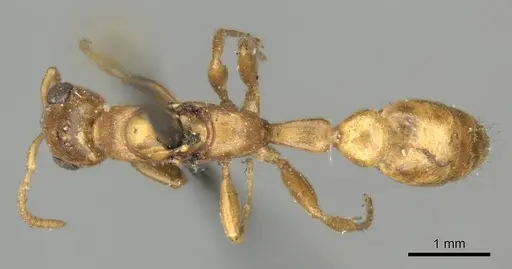
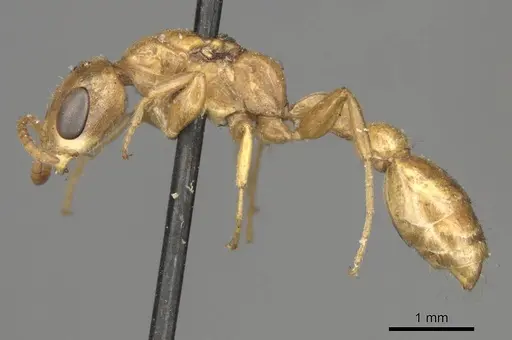
CASENT4032418
View on AntWeb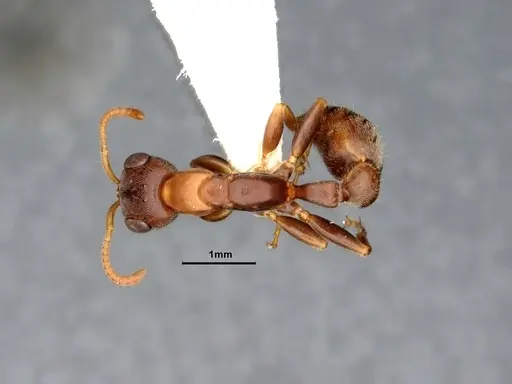
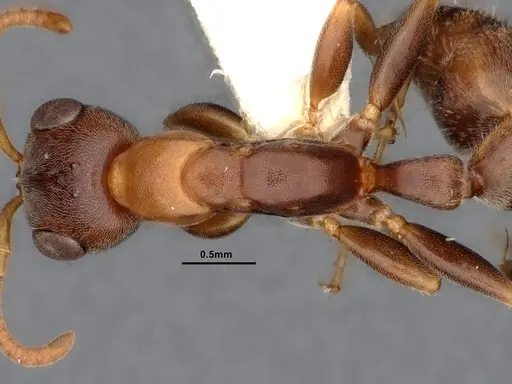
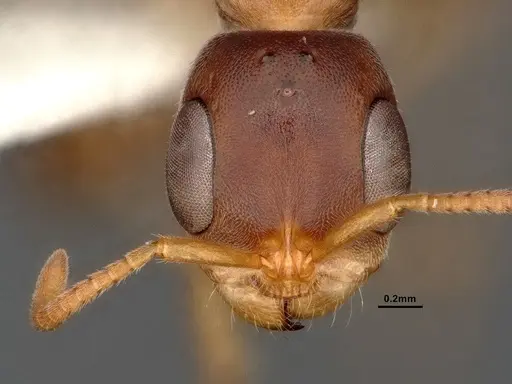
CASENT4032419
View on AntWeb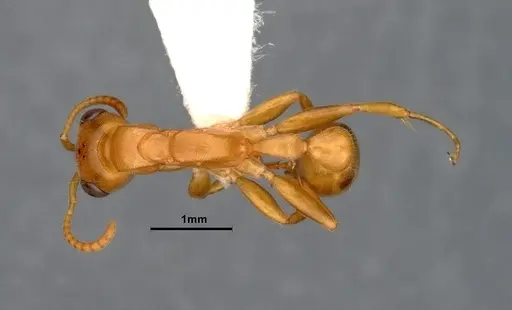
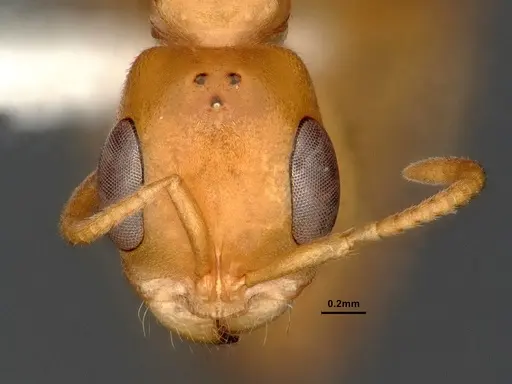
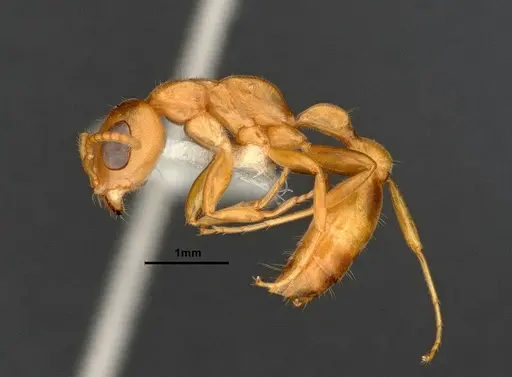
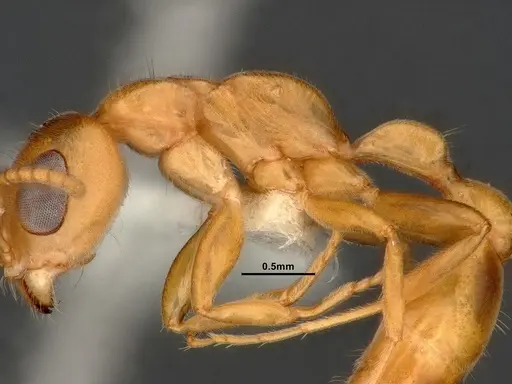
CASENT4032420
View on AntWeb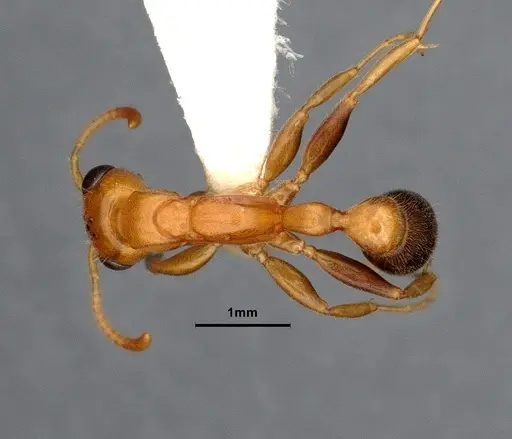
LACMENT142469
View on AntWeb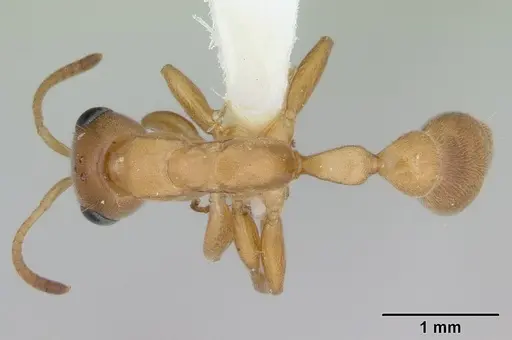
Literature
Loading distribution map...Loading products...