
Pseudomyrmex oculatus
- Sci. Name
- Pseudomyrmex oculatus
- Tribe
- Pseudomyrmecini
- Subfamily
- Pseudomyrmecinae
- Author
- Smith, 1855
- Distribution
- Found in 4 countries
Introduction
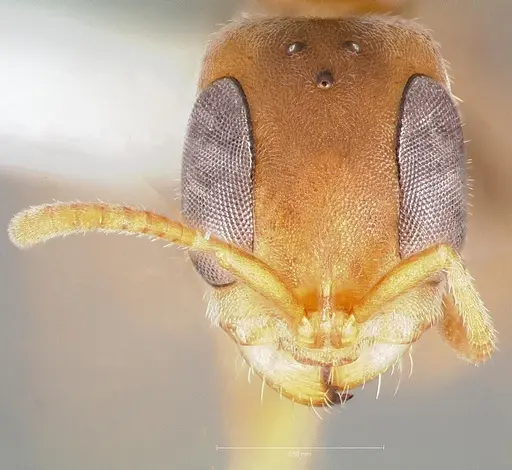
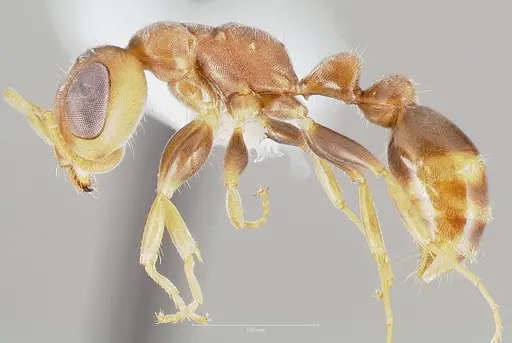
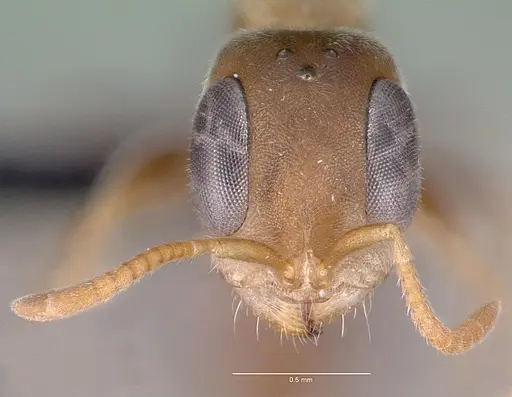
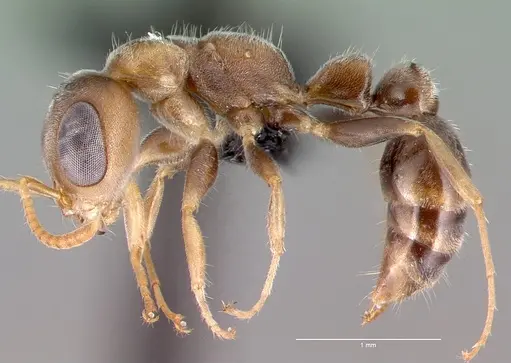
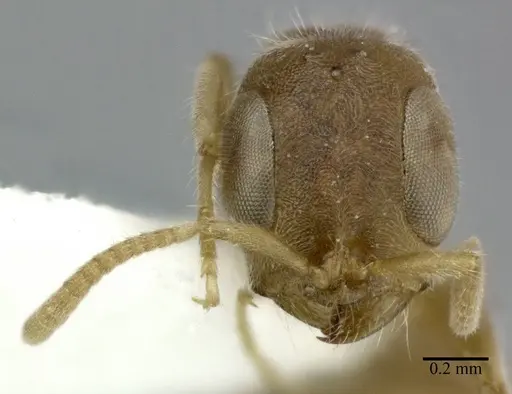
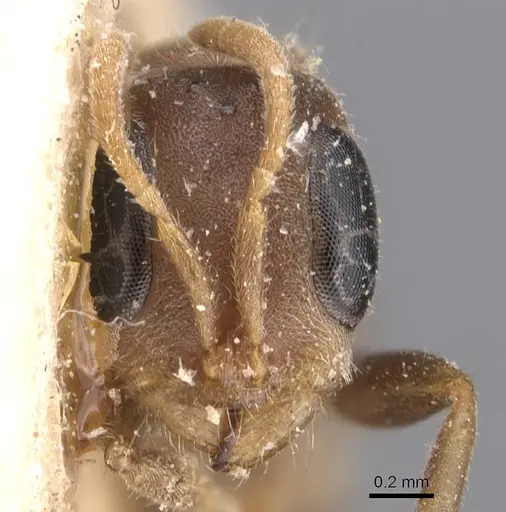
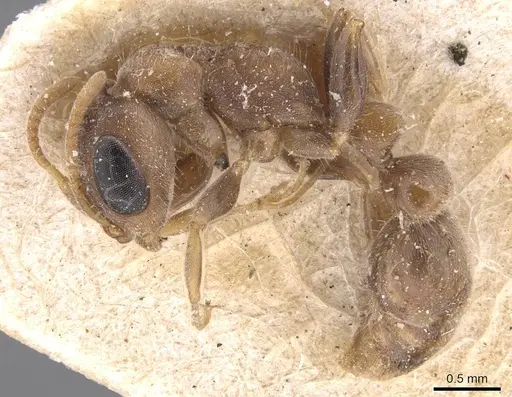
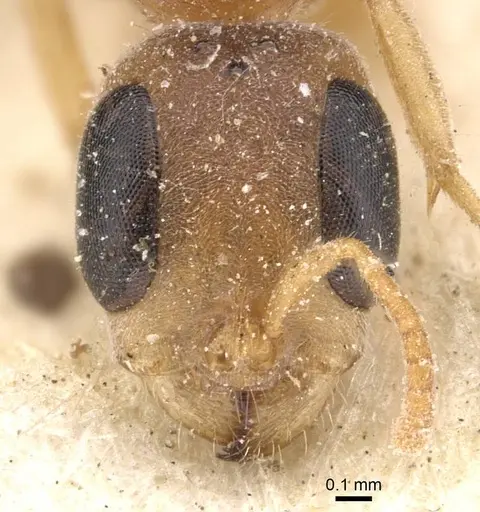
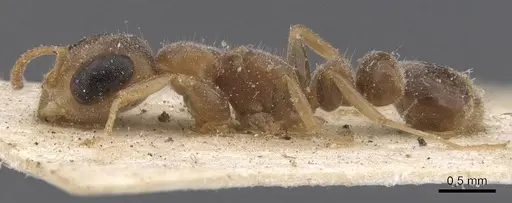
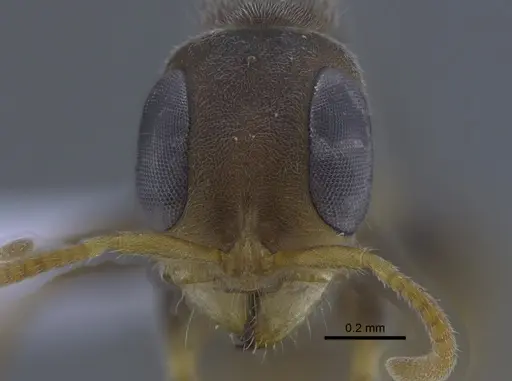
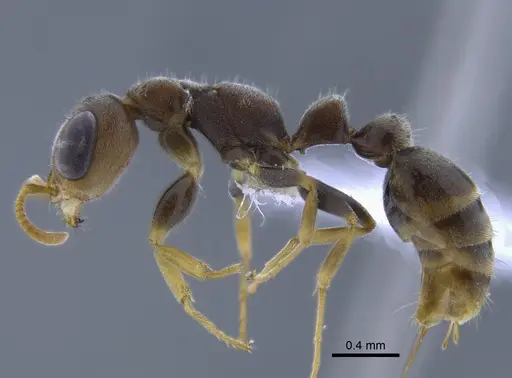
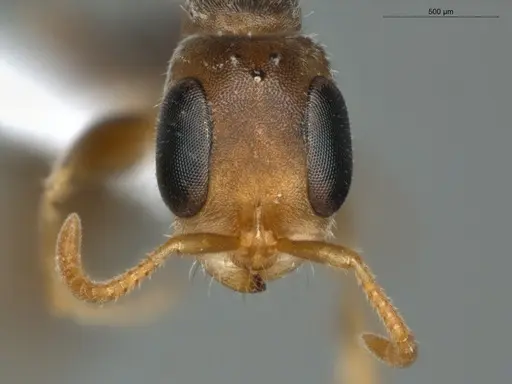
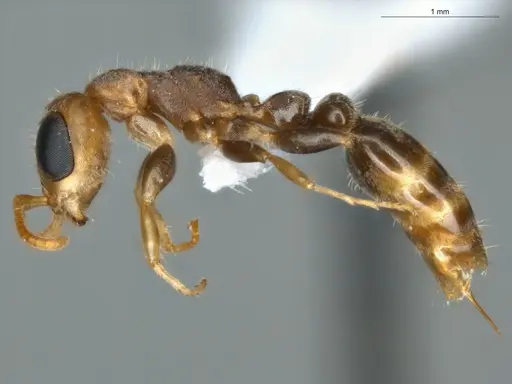
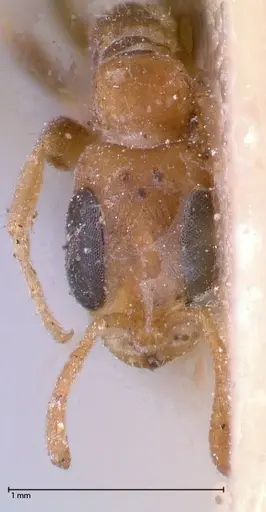
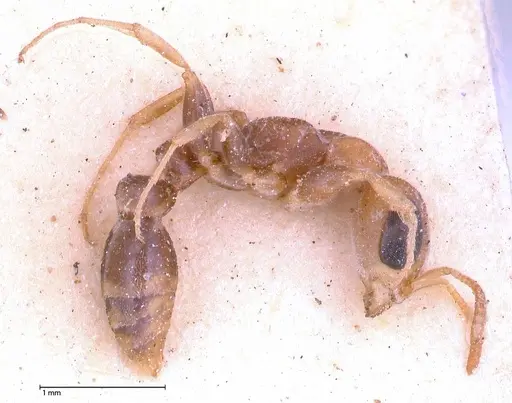
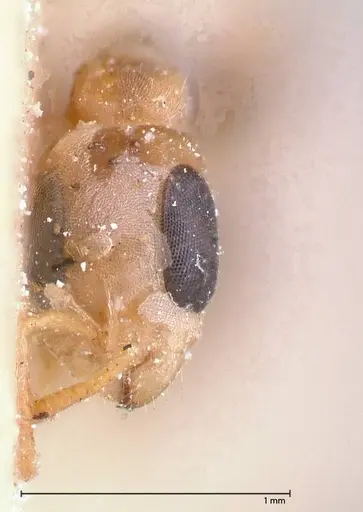
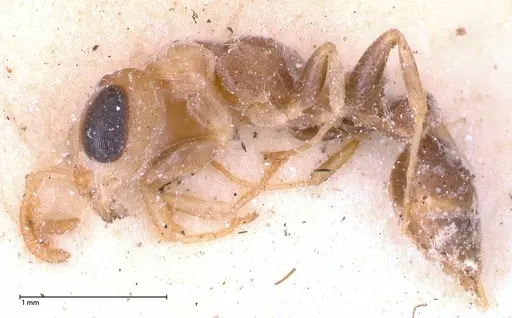
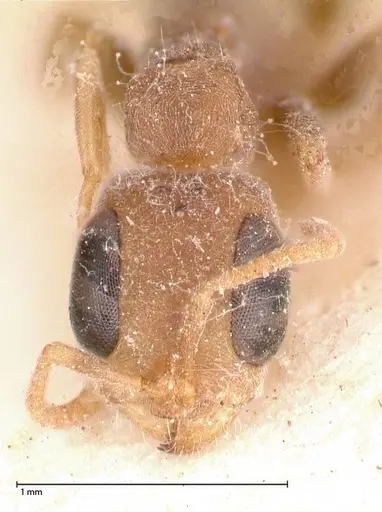
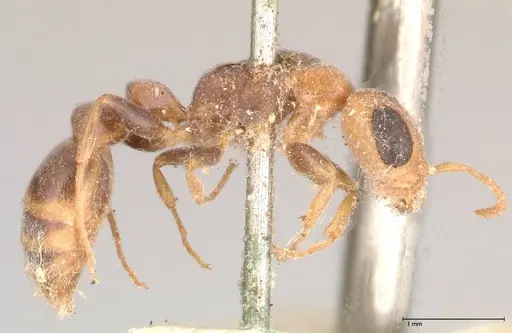
Pseudomyrmex oculatus is a medium-sized arboreal ant from the Neotropics, found from Mexico down to northern Argentina and Trinidad . Workers have a broad head and large, elongated eyes that stick out from the sides of the head. The most reliable way to identify them is by the unique shape of the petiolar node - it's high and angular, with a sharp bend where the flat top meets the steep back face . They are usually medium to dark brown, with lighter antennae and legs . This species is a generalist twig-nester, meaning it lives in dead twigs and branches rather than digging in soil . They are most common in rainforests and forest edges, but can also turn up in drier places . Workers hunt alone, patrolling branches for small prey . Because they are active and have good eyesight, they are interesting to watch in captivity.
Quick Summary
- Difficulty: Medium
- Origin & Habitat: Neotropical region: Belize, Bolivia, Brazil, Colombia, Costa Rica, Ecuador, French Guiana, Guatemala, Guyana, Honduras, Mexico, Nicaragua, Panama, Peru, Suriname, Trinidad and Tobago, Venezuela, and northern Argentina [1][2]. Found in rainforests and forest edges, nesting in dead twigs and branches of trees like Ficus, Hampea, Inga, Vochysia, and lianas [1]. Also recorded in some drier or open habitats, but most common in forested areas [3][4].
- Colony Type: Unconfirmed, colony structure has not been studied. Based on related Pseudomyrmex species, likely single-queen colonies, but this needs verification.
- Size & Growth:
- Queen: unknown, no measurements available, estimated ~7-9 mm based on related species
- Worker: unknown, only head measurements (HL 0.94-1.09 mm) are known, not total length. Estimated ~6-8 mm total length based on related Pseudomyrmex species [2]
- Colony: unknown, no colony size data available
- Growth: unknown, no data. Tropical Pseudomyrmex species typically have moderate growth, but this is unconfirmed.
- Development: unknown, no species-specific data. Based on related tropical Pseudomyrmex, estimated 6-8 weeks at 24-28°C. (No direct data, all development times are inferred from other species. Monitor your colony closely.)
- Antkeeping:
- Temperature: Tropical species, keep at 24-28°C. Provide a temperature gradient so ants can choose their preferred spot. Avoid drops below 20°C. A heating cable on one side of the nest works well.
- Humidity: Moderate humidity, typical for arboreal twig-nesters. Keep the nest substrate slightly moist but not wet. Allow the nest to dry out partially between mistings. Provide a water tube for drinking.
- Diapause: No, as a tropical species, Pseudomyrmex oculatus does not need hibernation. Keep warm year-round.
- Nesting: In the wild, they nest in dead twigs and branches. In captivity, use Y-tong (AAC), plaster, or 3D-printed nests with narrow, enclosed chambers that mimic twig interiors. Avoid large open spaces. Wooden formicaria also work. Do not use acrylic nests. [3][1]
- Behavior: Workers are solitary hunters, they patrol alone, not in groups [5]. They have excellent vision thanks to their large eyes and are quick and alert. They will defend the nest if threatened but are not known for painful stings. Because they are small, escape prevention is critical, use fine mesh and seal all gaps.
- Common Issues: tropical species is sensitive to temperature drops, keep warm year-round, avoid going below 20°C, small size means escape prevention must be thorough, they can squeeze through tiny gaps, so use fine mesh and tight lids, no species-specific care data exists, all advice is inferred from related species, so you must observe your colony and adjust, arboreal ants prefer enclosed spaces, don't use large, open formicaria, they feel stressed in wide chambers, wild-caught colonies may carry parasites, quarantine and observe new colonies before introducing to your main setup
Housing and Nest Setup
Pseudomyrmex oculatus is an arboreal twig-nester, so your setup should feel like a dead branch. In the wild, they nest in hollow twigs of Ficus, Hampea, Inga, Vochysia, and various lianas [1]. For captivity, use Y-tong (AAC), plaster, or 3D-printed nests with narrow tunnels and small chambers. You can also give them a natural twig with the pith removed, but that's harder to maintain.
Avoid large open spaces, these ants feel safest in tight, enclosed areas that mimic twig interiors. A small outworld is fine since workers forage singly. Seal all connections well, their small size means they can squeeze through surprisingly thin gaps.
Feeding and Diet
Pseudomyrmex oculatus is a solitary hunter and predator [5]. In captivity, offer small live prey like fruit flies, pinhead crickets, or tiny mealworms. They will also accept dead insects, but live prey triggers their hunting instinct.
They also need sugar for energy, provide sugar water, honey water, or a drop of honey. Replace sugary offerings every few days to prevent fermentation and mold. Feed small amounts every 2-3 days and remove any leftover prey after 24 hours.
Temperature and Humidity
As a tropical species from Central and South American rainforests, Pseudomyrmex oculatus needs warmth year-round. Aim for 24-28°C in the nest area. A heating cable on one side creates a gradient, letting ants pick their preferred temperature. Avoid letting temperatures drop below 20°C, as this can stress or kill the colony.
Humidity should be moderate, keep the nest substrate slightly moist but not wet. Mist the nest occasionally, but let it dry out between mistings. These are arboreal ants and don't need the high humidity of ground-dwellers. A water tube provides constant drinking water.
Behavior and Observation
Workers hunt alone, you'll see them patrolling the outworld by themselves, not in groups [5]. Their large eyes give them excellent vision, making them quick and alert. They will defend the nest if disturbed but are not known for painful stings.
Because they are small and fast, be careful when opening the nest, they can escape quickly. Work over a white tray so you can spot any escapees. These ants are not shy once settled, and watching a worker stalk prey is very rewarding.
Seasonal Care
Unlike temperate species, Pseudomyrmex oculatus does not need hibernation. Keep the colony warm and active all year. There is no documented nuptial flight season for this species, but in their native range alates likely appear during the warmer, wetter months (roughly March-October). If you have a mature colony producing alates, be prepared, mated queens might try to establish new colonies, and you can catch them if you're lucky.
Frequently Asked Questions
How long does it take for Pseudomyrmex oculatus to produce first workers?
The exact timeline is unknown for this species, but based on related Pseudomyrmex species, expect around 6-8 weeks from egg to first worker at optimal temperatures (24-28°C). Be patient, tropical ants develop faster than temperate ones, but every colony is different.
What do Pseudomyrmex oculatus ants eat?
They hunt small insects. Feed them live prey like fruit flies, pinhead crickets, or tiny mealworms. They also need sugar, offer sugar water or honey water regularly. Remove uneaten prey after 24 hours.
Can I keep Pseudomyrmex oculatus in a test tube?
Test tubes can work for founding colonies or small colonies, but these arboreal ants prefer enclosed spaces that mimic their natural twig nests. A standard test tube with a water reservoir is fine for a queen or a few workers, but move them to a Y-tong or wooden nest as they grow.
Do Pseudomyrmex oculatus ants sting?
They are not known for painful stings. Like most Pseudomyrmex, they have a sting (subfamily Pseudomyrmecinae) but rarely use it on humans. Their main defense is speed and alertness.
Are Pseudomyrmex oculatus good for beginners?
Rated medium difficulty. They are not the hardest species, but there is very little species-specific care information available. They need warm, stable tropical conditions. Beginners should make sure they can maintain proper temperature and escape-proofing before getting this species.
What temperature do Pseudomyrmex oculatus need?
Keep them at 24-28°C. Use a heating cable on one side of the nest to create a gradient. As a tropical species, they need warmth year-round, never let the temperature go below 20°C.
How big do Pseudomyrmex oculatus colonies get?
Colony size is not documented in scientific literature. Based on related Pseudomyrmex species, they might reach a few hundred workers, but this is speculation.
When do Pseudomyrmex oculatus have nuptial flights?
Nuptial flight timing is not documented for this species. In their native Neotropical range, alates are likely produced during the warmer, wetter months (roughly March-October). If you have a mature colony, monitor for alates and be prepared.
Why are my Pseudomyrmex oculatus dying?
The most common causes are temperature stress (too cold), low humidity, or escape. Ensure temperatures stay above 20°C, provide moderate humidity, and check for escape routes. Wild-caught colonies may also carry parasites. If your colony is declining, review temperature, humidity, and food quality.
Report an Issue
The current care sheet is based fully on literature. See inconsistencies, or something that's incorrect? Please , it will be resolved after review from an admin. Contributing to the blogs tab also helps providing information, to make us be able to further improve the caresheets. Thank you for your support!
References

This caresheet is licensed under CC BY-SA 4.0 .
Community Blogs
CASENT0005875
View on AntWeb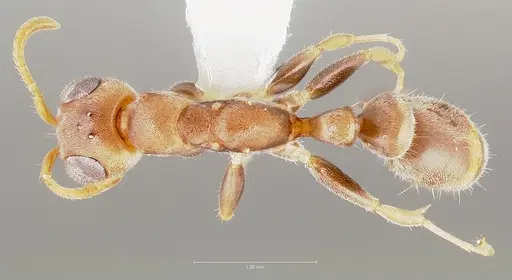
CASENT0040138
View on AntWeb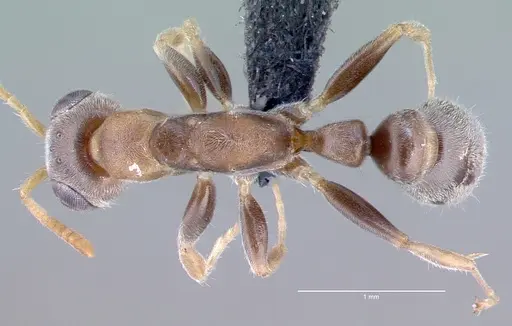
CASENT0246286
View on AntWeb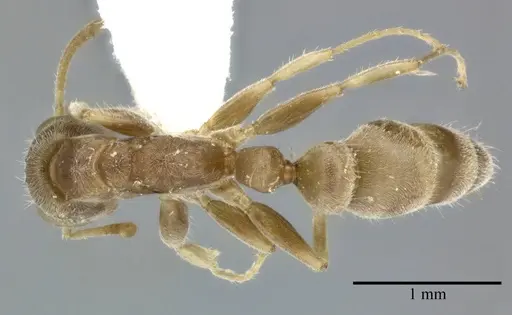
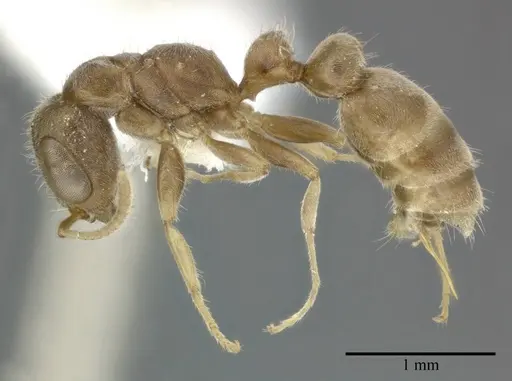
CASENT0902915
View on AntWeb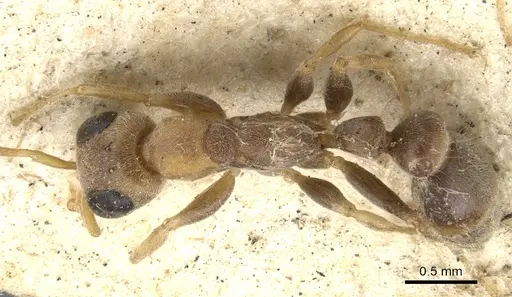
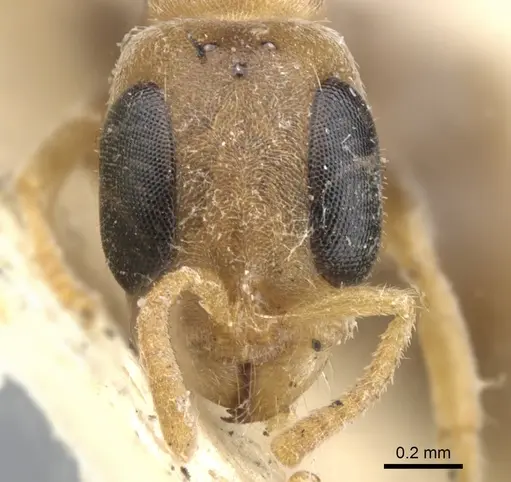
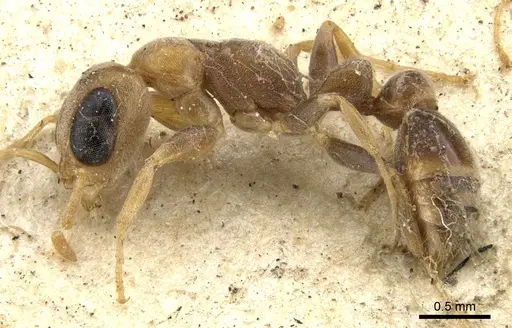
CASENT0907530
View on AntWeb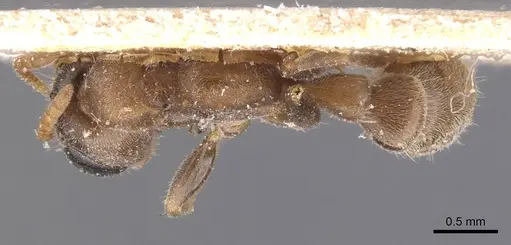
CASENT0907532
View on AntWeb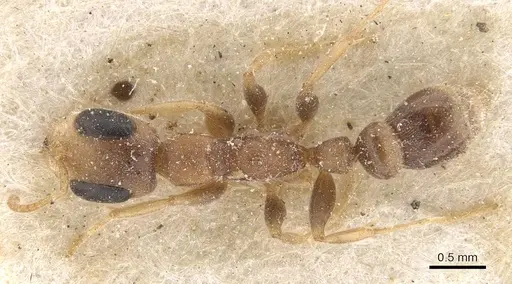
CBUMAGENT41758
View on AntWeb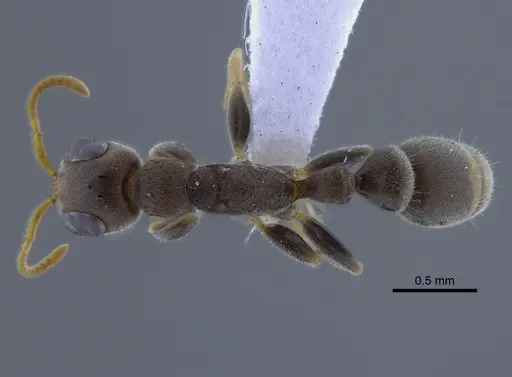
ECOFOG-PAT19-0078-13
View on AntWeb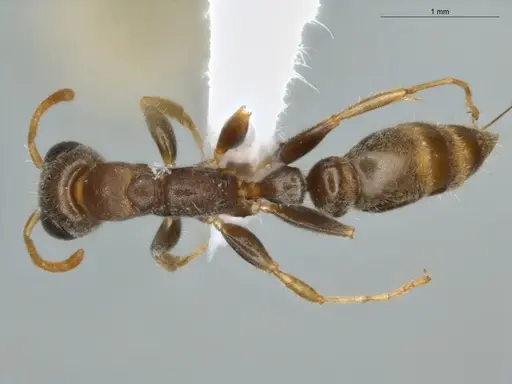
FOCOL0518
View on AntWeb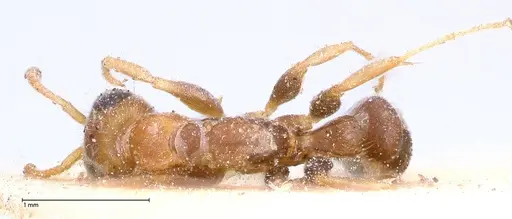
FOCOL0519
View on AntWeb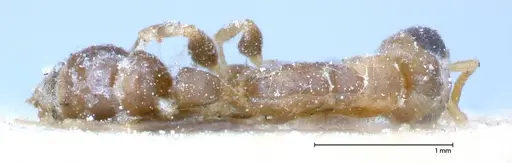
FOCOL0520
View on AntWeb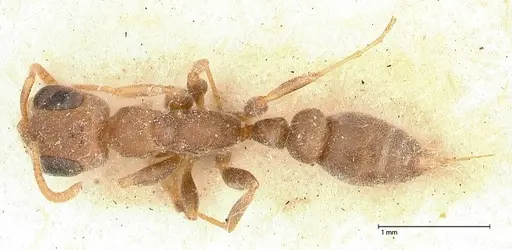
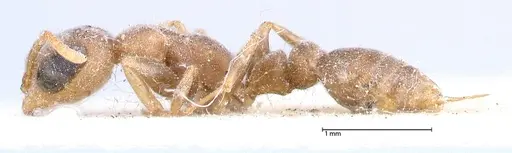
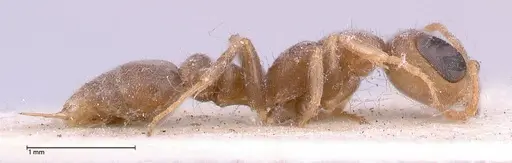
FOCOL0521
View on AntWeb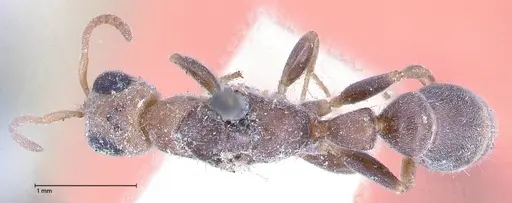
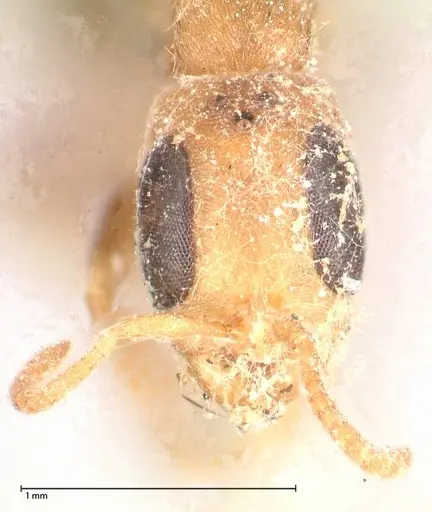
Literature
Loading distribution map...Loading products...