
Pseudomyrmex obtusus
- Sci. Name
- Pseudomyrmex obtusus
- Tribe
- Pseudomyrmecini
- Subfamily
- Pseudomyrmecinae
- Author
- Ward, 2017
- Distribution
- Found in 4 countries
Introduction
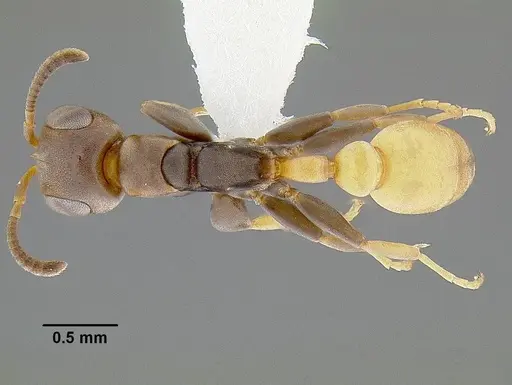
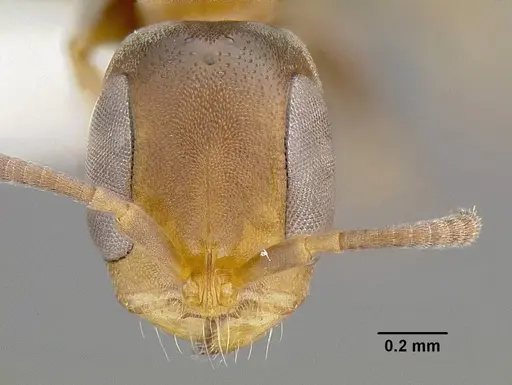
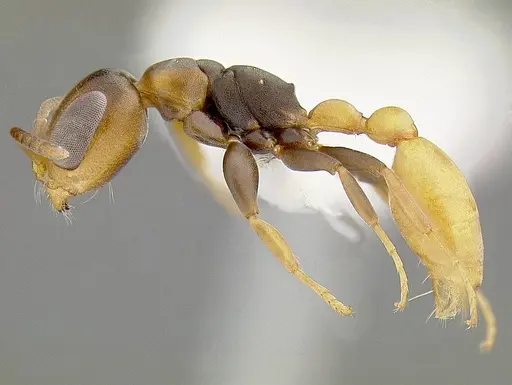
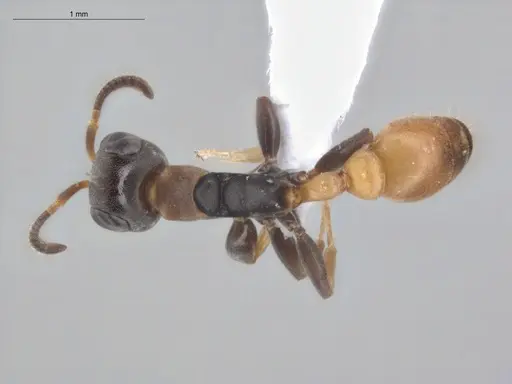
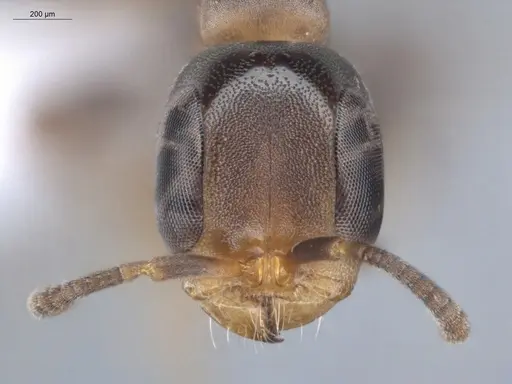
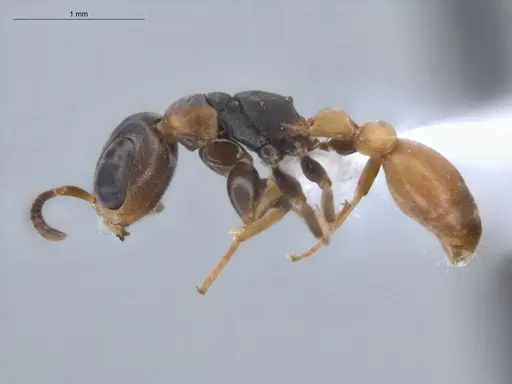
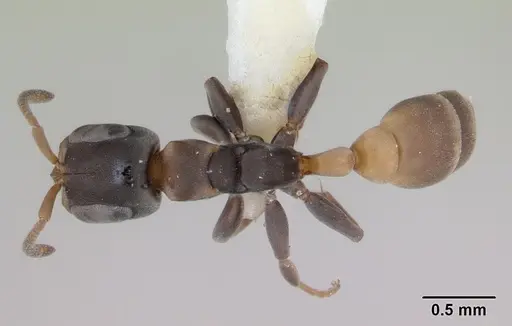
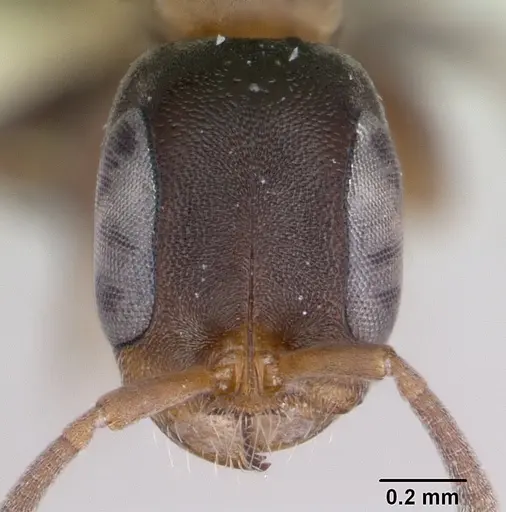
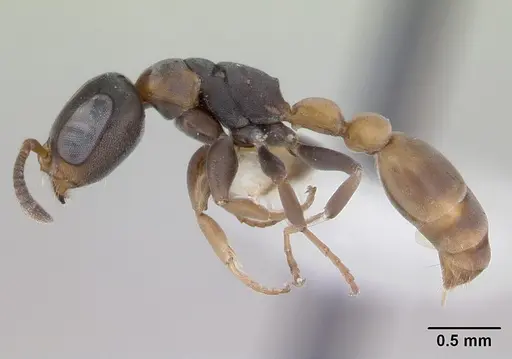
Pseudomyrmex obtusus is a medium-sized ant from the Pseudomyrmecinae subfamily and the goeldii group. They have a broad head, elongate eyes, and a matte body texture. Their color is medium to dark brown with a light yellowish-brown petiole, postpetiole, and gaster - a noticeable contrast. This species is a generalist dead twig inhabitant, found nesting in dead twigs of various plants like Ficus trees, thorny vines, and other woody plants . It has a timid demeanor compared to many other Pseudomyrmex . It lives from Costa Rica to Peru and Brazil, in rainforests, forest edges, and nearby pastures .
Quick Summary
- Difficulty: Medium
- Origin & Habitat: Neotropical region: Costa Rica, Panama, Venezuela, French Guiana, Suriname, Peru, and Brazil. Found in rainforests, rainforest edges, and successional pastures near rainforest [1][2].
- Colony Type: Colony structure is unconfirmed. Based on typical Pseudomyrmex patterns, likely single-queen colonies nesting in dead twigs [1].
- Size & Growth:
- Queen: Size data unavailable, no total length measurements reported. Dealate queens have been collected [1].
- Worker: Size data unavailable, no total length measurements reported. Head length is about 0.86-0.93mm, but body length is not given [1].
- Colony: Unknown, twig-nesting suggests a small to moderate colony (estimated up to a few hundred workers) [1].
- Growth: Moderate, inferred from tropical Pseudomyrmex patterns
- Development: 6-10 weeks estimated based on related Pseudomyrmex species at tropical temperatures (Development time is an estimate, no specific study exists for this species. Tropical temperatures (24-28°C) likely accelerate development.)
- Antkeeping:
- Temperature: Keep at 24-28°C. This tropical species from rainforests needs warmth year-round. A heating cable on one side creates a temperature gradient [1].
- Humidity: Keep the nest substrate moderately moist but not waterlogged. They live in rainforests, so they appreciate moisture. Provide good ventilation to prevent mold. A water tube and occasional misting work well.
- Diapause: No, this tropical species does not need hibernation. Maintain warm conditions year-round [1].
- Nesting: Naturally nests in dead twigs (Ficus sp., thorny vines, other woody plants) [1]. In captivity, use a Y-tong (AAC) nest with narrow chambers or a naturalistic setup with dry twigs. Avoid large open spaces, they prefer tight, enclosed spaces.
- Behavior: P. obtusus has a timid demeanor compared to many other Pseudomyrmex [1]. They are generalist twig inhabitants, not associated with specific host plants. Workers forage actively for small prey. They have a sting, but rarely use it against keepers. Their small body size means escape prevention is important, use fine mesh (0.5mm) and tight lids.
- Common Issues: tropical species requires constant warmth, temperatures below 20°C can stop brood development., escape prevention is important due to small size, use fine mesh barriers., small colony sizes mean overfeeding can lead to mold problems in the nest., wild-caught colonies may be stressed and carry parasites, quarantine new colonies.
Nest Preferences and Housing
Pseudomyrmex obtusus is a classic twig-nesting ant. In the wild, they exclusively inhabit dead twigs, from Ficus trees, thorny vines, and other woody plants [1]. This means they prefer tight, enclosed spaces rather than open foraging areas. For captive housing, use a Y-tong (AAC) nest with narrow chambers, or create a naturalistic setup with actual dead twigs inserted into the formicarium. Avoid large, open spaces in the nest, these ants prefer to stay concealed in tight quarters. The outworld should be simple with minimal clutter [2].
Feeding and Diet
Like other Pseudomyrmex species, P. obtusus is likely predatory. In captivity, offer small live insects such as fruit flies, pinhead crickets, and small mealworms. They may also accept sugar sources like honey water occasionally, but protein should be the primary food. Feed small prey items 2-3 times per week, adjusting based on colony consumption. Remove uneaten prey after 24-48 hours to prevent mold. Provide a constant water source via a test tube with a cotton plug.
Temperature and Seasonal Care
As a tropical species from rainforests, P. obtusus needs warm temperatures year-round. Keep the nest at 24-28°C for optimal brood development [1]. Temperatures below 20°C can significantly slow or stop development. Use a heating cable or mat on one side of the nest to create a gradient. Place heating on top of the nest to avoid drying it out too quickly. No hibernation is needed, maintain consistent warmth all year [1].
Behavior and Temperament
P. obtusus is notably timid compared to many other Pseudomyrmex [1]. Workers are active foragers, but they rarely show aggression toward keepers. They have a functional sting (common to Pseudomyrmecinae ants) but will only use it if severely provoked. Their moderate body size means escape prevention is important, use fine mesh (0.5mm) on ventilation and tight-fitting lids. Their contrasting coloration (dark body, light gaster) makes them easy to spot.
Colony Establishment and Growth
Founding behavior has not been documented for P. obtusus. Based on typical Pseudomyrmex patterns, the queen likely seals herself in a small chamber within a dead twig and raises the first brood alone (claustral founding) [1]. The first workers (nanitics) may be smaller than mature workers. Development from egg to worker is estimated at 6-10 weeks at 24-28°C. Colony growth is likely moderate, Pseudomyrmex colonies typically remain relatively small due to confined nesting spaces. When collecting from the wild, look for nests in dead twigs. Wild colonies may be stressed and carry parasites, so quarantine is recommended [1].
Frequently Asked Questions
How long does it take for Pseudomyrmex obtusus to get their first workers?
Estimated 6-10 weeks from egg to first worker at optimal temperatures (24-28°C). This is based on related Pseudomyrmex species, no specific data exists for P. obtusus.
What do Pseudomyrmex obtusus ants eat?
They are likely predatory, accepting small live insects like fruit flies, pinhead crickets, and small mealworms. A sugar source like honey water can be offered occasionally, but protein is the main food.
Do Pseudomyrmex obtusus ants sting?
Yes, they have a functional sting, as typical of Pseudomyrmecinae ants. However, they are timid and rarely sting keepers, they are more likely to flee or bite weakly.
Can I keep Pseudomyrmex obtusus in a test tube?
Test tubes can work for founding colonies, but these ants naturally nest in dead twigs. Provide a small wooden twig or branch inside the tube. A Y-tong nest with narrow chambers is also suitable [1].
Do Pseudomyrmex obtusus need hibernation?
No, this is a tropical rainforest species. They do not need hibernation and should be kept warm (24-28°C) year-round [1].
How big do Pseudomyrmex obtusus colonies get?
Colony size is unknown but likely small to moderate (estimated up to a few hundred workers), as they nest in confined dead twigs.
Are Pseudomyrmex obtusus good for beginners?
This species is rated medium difficulty. They need warm, humid conditions and escape prevention is important. Their timid nature makes them easier to handle than many Pseudomyrmex, but the lack of detailed care data can be challenging for complete beginners.
Where does Pseudomyrmex obtusus live in the wild?
They are found from Costa Rica to Peru and Brazil, in rainforests, rainforest edges, and successional pastures near rainforest. They nest exclusively in dead twigs of various plants [1][2].
When should I move my colony to a formicarium?
Move them when the test tube becomes crowded or mold appears. For twig-nesting ants, this typically happens when the colony has 30-50 workers. Choose a nest with tight, narrow chambers that match their natural habitat [1].
Why is my Pseudomyrmex obtusus colony declining?
Common causes: temperatures below 20°C, low humidity, overfeeding leading to mold, or stress from wild collection. Maintain warmth (24-28°C), keep substrate moderately moist, and remove uneaten prey promptly.
Report an Issue
The current care sheet is based fully on literature. See inconsistencies, or something that's incorrect? Please , it will be resolved after review from an admin. Contributing to the blogs tab also helps providing information, to make us be able to further improve the caresheets. Thank you for your support!
References

This caresheet is licensed under CC BY-SA 4.0 .
Community Blogs
Literature
Loading distribution map...Loading products...