
Pseudomyrmex nigropilosus
- Sci. Name
- Pseudomyrmex nigropilosus
- Tribe
- Pseudomyrmecini
- Subfamily
- Pseudomyrmecinae
- Author
- Emery, 1890
- Distribution
- Found in 4 countries
Introduction
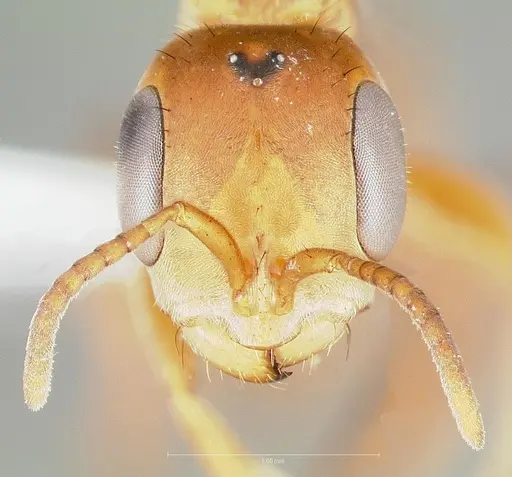
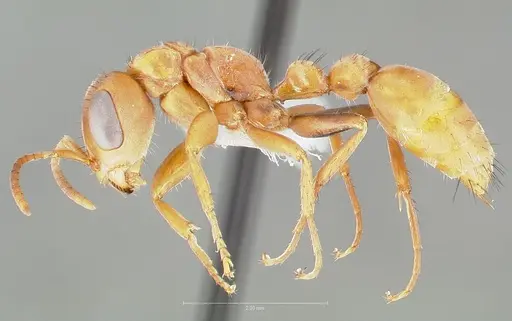
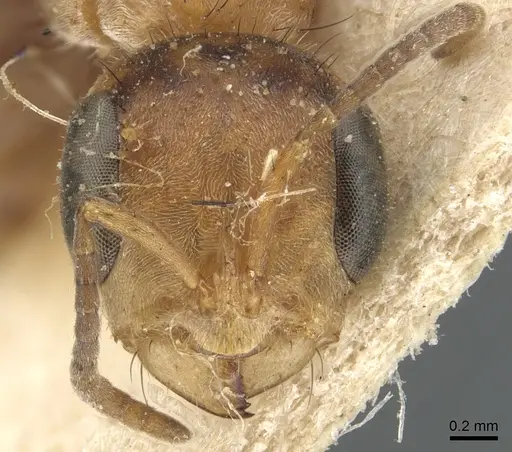
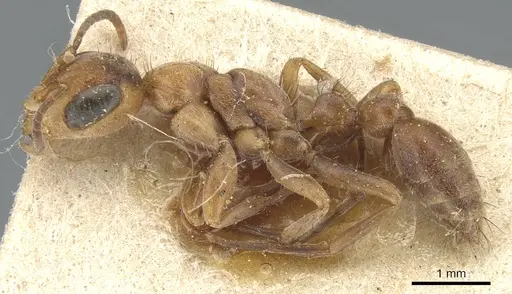
Pseudomyrmex nigropilosus is a small, slender ant from Central America, found from western Mexico to Costa Rica. Workers are about 6 mm long with long black hairs over much of the body, an elongated head, and a short, high petiole. Their color varies from orange-brown to bicolored orange and black . This species is a classic example of a 'cheater' in nature. Most acacia-ants live in a mutualistic partnership with swollen-thorn acacias, they defend the plant from herbivores and competing plants in exchange for shelter and food. Pseudomyrmex nigropilosus takes the benefits without giving back: it nests in hollow thorns, eats the plant's food bodies and nectar, but does nothing to protect the acacia . Workers even travel to neighboring, defended acacias to steal food and bring it back to their own nest . This parasitic lifestyle makes them a unique challenge for antkeepers.
Quick Summary
- Difficulty: Expert
- Origin & Habitat: Neotropical region from western Mexico to Costa Rica. Strictly associated with swollen-thorn acacias (Vachellia species including A. collinsii, A. cornigera, and A. hindsii) [3][4].
- Colony Type: Likely monogyne (single queen), but colony structure is not well documented. They are obligate parasites of acacias and do not form multi-queen colonies like some mutualists.
- Size & Growth:
- Queen: ~6-7 mm (estimated based on genus Pseudomyrmex patterns)
- Worker: ~6 mm (inferred from genus Pseudomyrmex, exact measurements unavailable)
- Colony: Unknown, likely modest (up to a few hundred workers), typical for parasitic species that don't defend large territories
- Growth: Moderate (unconfirmed, estimated from genus patterns)
- Development: 6-10 weeks (estimated from related Pseudomyrmex species at tropical temperatures 24-28 °C) (No direct data for this species. Estimates based on tropical conditions.)
- Antkeeping:
- Temperature: Maintain warm, stable temperatures (24-28 °C). These are tropical ants that cannot tolerate cool conditions. A slight gradient is beneficial, but avoid exceeding 30 °C.
- Humidity: Moderate to high. Keep the nest substrate slightly moist but not waterlogged. Provide a water source in the outworld and mist occasionally if the air is dry.
- Diapause: No, tropical species. Keep warm year-round.
- Nesting: This is the biggest challenge. In the wild they obligately nest inside hollow acacia thorns. Captive housing must mimic plant cavities: small, dark, enclosed spaces with tight chambers. Artificial domatia made of cork, gypsum, or small 3D‑printed cavities may work. Standard test tubes and large formicaria may be rejected. Provide vertical or angled nesting spaces, as they are arboreal.
- Behavior: Workers are active, central‑place foragers that travel long distances to steal food from neighboring acacia trees [5]. They are not aggressive defenders, they will flee from threats rather than fight. They have excellent vision and use visual cues to navigate. As members of Pseudomyrmecinae, they possess a sting but rarely use it. Escape prevention is important, they are small and can squeeze through tiny gaps.
- Common Issues: acacia dependency: they may refuse to live in standard formicaria and require custom housing that mimics plant thorns., difficulty establishing colonies: wild-caught queens or colonies may be stressed or from declining acacias., lack of defensive behavior makes them vulnerable to disturbance., tropical temperature requirements: any cooling can stress or kill the colony., specialized diet: they rely on sugar-rich resources (nectar, food bodies) and may not thrive on a purely insect-based diet.
The Parasitic Lifestyle
Pseudomyrmex nigropilosus is a clear example of parasitism in ant-plant symbioses. Most acacia‑ants (such as those in the P. ferrugineus group) form mutualistic partnerships: they defend the host acacia from herbivores and competing plants in exchange for shelter and food. Pseudomyrmex nigropilosus exploits that system without giving anything back [3][4]. It occupies abandoned or otherwise uninhabited acacia thorns, feeds on the plant's beltian bodies and extrafloral nectar, but shows no defending behavior at all [4].
Workers don't just feed on their own host tree, they also travel to neighboring acacias guarded by mutualistic ants, steal their food, and carry it back to their nest [5]. This 'kleptoparasitic' behavior is unique among acacia‑ants. For keepers, it means you cannot expect any territorial defense from these ants. They focus on gathering resources, not guarding.
Housing and Nesting Challenges
This is the most difficult part of keeping Pseudomyrmex nigropilosus. In the wild they are obligate acacia nesters, they only live inside hollow thorns of swollen‑thorn acacias (Vachellia species) [3][6]. Captive housing must mimic those conditions.
Standard test tubes and typical formicaria may be rejected entirely. They need small, dark, enclosed spaces that feel like a plant cavity. You can try:
- Small cavities carved into cork or gypsum
- Artificial domatia made from 3D‑printed parts with narrow chambers
- Naturalistic setups with dried acacia branches (ensure they are clean)
The nest should be vertical or angled, as they are arboreal. Keep the entrance to the outworld small and secure so they feel safe. Expect trial and error, this species is not a beginner ant.
Feeding and Nutrition
In the wild, Pseudomyrmex nigropilosus feeds on beltian bodies (food bodies produced by acacia leaves), extrafloral nectar, and small insects [4]. Their digestive system is adapted to process sugars: workers have high invertase activity (107 ± 20 ng glucose released per μg per minute), and this activity increases threefold when they feed on sucrose [2]. Larvae have even higher invertase activity (407 ± 74 ng glucose per μg per minute), showing they need a lot of sugar [2].
For captive feeding:
- Provide a constant source of sugar water or honey water (diluted, changed regularly).
- Offer small live prey such as fruit flies or pinhead crickets 2-3 times per week.
- They may also accept fresh plant material that produces nectar (like cut Acacia stems if available). Remove uneaten prey after 24 hours to prevent mold. Unlike many ants, their diet is more nectar‑focused than protein‑heavy.
Temperature and Climate
As tropical ants from Central America, Pseudomyrmex nigropilosus needs warm, stable temperatures. Keep the nest area at 24-28 °C with minimal fluctuation. A heating cable on one side of the nest can create a gentle gradient. Ensure the temperature never exceeds about 30 °C.
They do not undergo diapause, no hibernation is needed. If your room is cool, use a small heating mat or cable placed on the side or top of the nest, not underneath, to avoid drying out the nest.
Humidity should be moderate to high. The nest substrate should stay slightly moist but never waterlogged. Mist the outworld occasionally and provide a water tube. These ants are adapted to tropical forest conditions, so dry air should be avoided.
Behavior and Foraging
Workers are active, central‑place foragers, they leave the nest, search for food, and return to a fixed location [5]. Their most notable behavior is stealing food from neighboring acacia trees defended by mutualistic ants. They travel long distances, collect nectar and food bodies, and bring them back to their own colony [5].
They have good vision and use visual cues to navigate. In the outworld they will be exploratory but not aggressive. As members of Pseudomyrmecinae, they have a sting but rarely use it, they prefer to flee when threatened.
Because workers are small (~6 mm), escape prevention is important. Use fine mesh on ventilation and ensure all connections between nest and outworld are secure. They can slip through very small gaps.
Frequently Asked Questions
Is Pseudomyrmex nigropilosus good for beginners?
No. This is an expert‑level species. Their specialized housing requirements (obligate acacia nesting) and parasitic lifestyle make them unsuitable for anyone without experience.
What do Pseudomyrmex nigropilosus ants eat?
They feed on sugar sources (nectar, honey water, sugar water) and small insects. Their digestive system is adapted to process sucrose, and larvae have very high invertase activity. Offer constant sugar water and small live prey 2-3 times per week.
How do I house Pseudomyrmex nigropilosus?
This is the hardest part. They are obligate acacia‑nesters and need housing that mimics hollow plant thorns. Standard test tubes may be rejected. Try artificial domatia (cork, gypsum, or 3D‑printed cavities with narrow chambers), and provide a vertical or angled nest orientation.
Do Pseudomyrmex nigropilosus ants need hibernation?
No. They are tropical ants from Central America and do not undergo diapause. Keep them warm year‑round (24-28 °C).
How long does it take for first workers to appear?
Development time is unconfirmed for this species. Based on related Pseudomyrmex species, expect 6-10 weeks from egg to worker at tropical temperatures (24-28 °C).
Do Pseudomyrmex nigropilosus ants sting?
They have a stinger (typical of the subfamily) but are not aggressive. As parasitic non‑defenders they prefer to flee. The sting is not medically significant to humans.
Can I keep multiple queens together?
Probably not. They are likely monogyne (single queen). Keeping multiple unrelated queens together would likely lead to aggression.
Why is this species called a parasite?
Because they live in acacia thorns and eat the plant's food bodies and nectar, but provide no protection in return. Unlike mutualistic acacia‑ants, they don't defend against herbivores or remove competing plants. They take the benefits without giving anything back.
How big do colonies get?
Colony size is unknown but likely modest, probably up to a few hundred workers. They don't need large worker forces because they don't defend territories like mutualistic acacia‑ants.
Where is Pseudomyrmex nigropilosus found?
From western Mexico to Costa Rica, specifically in the Neotropical region. They are always associated with swollen‑thorn acacias throughout this range.
Report an Issue
The current care sheet is based fully on literature. See inconsistencies, or something that's incorrect? Please , it will be resolved after review from an admin. Contributing to the blogs tab also helps providing information, to make us be able to further improve the caresheets. Thank you for your support!
References

This caresheet is licensed under CC BY-SA 4.0 .
Community Blogs
CASENT0005846
View on AntWeb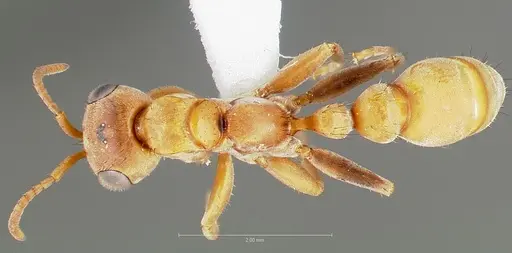
CASENT0904046
View on AntWeb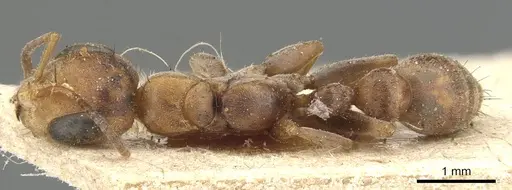
Literature
Loading distribution map...Loading products...