
Pseudomyrmex niger
- Sci. Name
- Pseudomyrmex niger
- Tribe
- Pseudomyrmecini
- Subfamily
- Pseudomyrmecinae
- Author
- Donisthorpe, 1940
- Distribution
- Found in 2 countries
Introduction
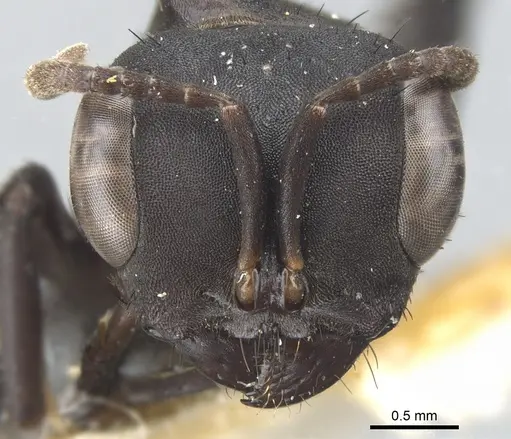
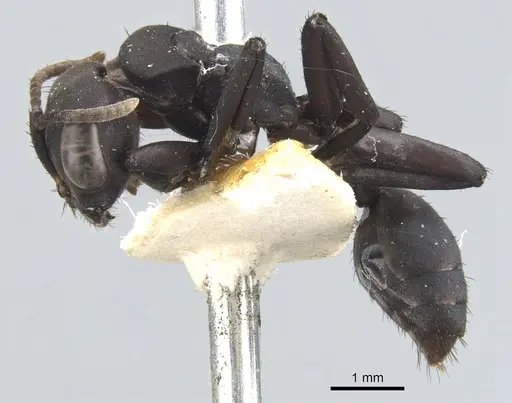
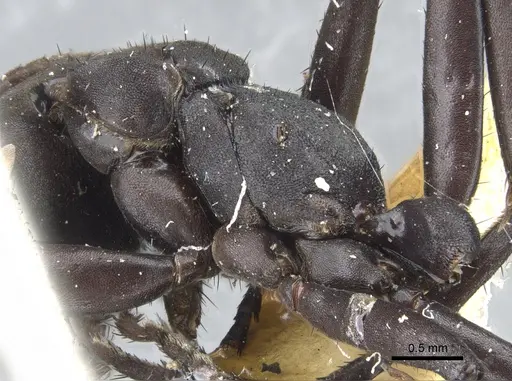
Pseudomyrmex niger is a small, slender ant from the Pseudomyrmecinae subfamily. Workers are dark brown to black, with a very short, robust, raised pilosity (body hairs) . Based on typical Pseudomyrmex proportions, workers are about 5-7 mm long. Queens are larger, roughly 7-9 mm (inferred from genus patterns). This species is native to the Neotropical region, recorded in Guyana, Bolivia, and the Amazonas area of Colombia . In the wild, it lives in humid tropical forests and nests in hollow twigs, dead stems, or rotting wood, often in the canopy or forest edges. What makes Pseudomyrmex niger special is its aggressive, colony‑defending sting - typical of the genus. These ants actively patrol their host plants and will deliver a painful sting to any threat. Their speed and small size also make them expert escape artists, so secure housing is a must.
Quick Summary
- Difficulty: Medium
- Origin & Habitat: Neotropical region, Guyana, Bolivia, and Amazonas (Colombia). Found in humid tropical forests, nesting in hollow twigs, dead stems, and rotting wood [3][1][2].
- Colony Type: Colony structure is unconfirmed for this species. Based on typical Pseudomyrmex patterns, colonies likely have a single queen (monogyne) and number in the hundreds of workers.
- Size & Growth:
- Queen: ~7-9 mm (inferred from Pseudomyrmex genus) [2]
- Worker: ~5-7 mm (inferred from Pseudomyrmex genus) [2]
- Colony: Estimated several hundred workers (based on related species) [2]
- Growth: Moderate, based on typical Pseudomyrmex development
- Development: Estimated 6-8 weeks at 25-28°C (inferred from related Pseudomyrmex species) (Direct measurements for Pseudomyrmex niger are unavailable. Development times are inferred from genus patterns.)
- Antkeeping:
- Temperature: Tropical species, keep at 24-28°C year‑round. Use a heating cable on one side of the nest to create a gentle gradient. Avoid temperatures below 22°C.
- Humidity: High humidity (70-80%) is essential. Keep the nest substrate consistently moist but not waterlogged. Mist regularly and ensure good ventilation to prevent mold.
- Diapause: No, this tropical species does not require hibernation. Maintain warmth year-round.
- Nesting: Use a naturalistic setup with hollow twigs or dead stems, or a Y‑tong (AAC), plaster, or soil nest with narrow, snug chambers. These ants prefer tight spaces. Avoid large open areas.
- Behavior: Active, fast‑moving, and aggressive. Workers will vigorously defend their nest and deliver a painful sting (typical of Pseudomyrmecinae). Their small size and speed make them expert escape artists, use fine mesh barriers and tight‑fitting lids. Best observed from a distance, do not handle.
- Common Issues: tropical species needs consistent warmth, cold temperatures can kill the colony, high humidity requirements can lead to mold if ventilation is poor, potent sting makes servicing risky, use long forceps and work slowly, escape artists due to small size and speed, secure all openings with fine mesh, colony growth is moderate, so patience is needed
Nest Preferences
In the wild, Pseudomyrmex niger nests in hollow twigs, dead stems, and rotting wood in humid tropical forests. For captive care, provide a naturalistic setup with small‑diameter twigs or stems, or use a Y‑tong (AAC), plaster, or soil nest with narrow, tight chambers. These ants dislike open spaces. A test tube works for founding, but move them to a more suitable formicarium once the colony reaches 20-30 workers. Ensure the nest material retains moisture well, plaster or soil setups help maintain high humidity. [3][1]
Feeding and Diet
Pseudomyrmex niger is primarily predatory. Feed small live prey such as fruit flies, small crickets, mealworms, and other appropriately‑sized insects. They may occasionally accept a drop of honey water or sugar water, but protein should make up most of the diet. Offer food every 2-3 days and remove uneaten prey after 24 hours to prevent mold. Always provide a constant water source, such as a test‑tube water supply or a cotton‑plugged water feeder.
Temperature and Care
As a tropical species from the Amazonas region, Pseudomyrmex niger needs warmth year‑round. Keep nest temperatures between 24-28°C. Below 22°C, colony growth slows and stress can set in. Use a heating cable or mat on one side of the nest to create a temperature gradient, so workers can choose their preferred spot. Humidity should be high (70-80%), mist the nest area regularly and keep the substrate moist but not waterlogged. Avoid cold drafts and sudden temperature drops.
Behavior and Temperament
Pseudomyrmex niger is an active, fast‑moving ant that aggressively defends its nest with a painful sting. The sting is typical of the Pseudomyrmecinae subfamily. Handle with caution, use forceps and avoid disturbing the nest. Due to their small size and speed, they can escape through tiny gaps, so seal all openings with fine mesh and use tight‑fitting lids. Workers forage actively and hunt small prey, making them interesting to watch. Colony growth is moderate, patience is required to reach several hundred workers. These ants are best observed, not handled.
Frequently Asked Questions
How long does it take for Pseudomyrmex niger to produce first workers?
Based on typical Pseudomyrmex development, expect first workers (nanitics) approximately 6-8 weeks after the queen starts laying, when kept at 25-28°C. This is an estimate, direct data for P. niger is not available.
Do Pseudomyrmex niger ants sting?
Yes. Like all Pseudomyrmecinae, they have a well‑developed sting and will use it aggressively. The sting is painful. Wash any sting area with soap and water, and watch for allergic reactions. Avoid handling the nest directly.
What temperature do Pseudomyrmex niger ants need?
Keep them at 24-28°C year‑round. This tropical species requires warmth and cannot tolerate cold. A heating cable on one side of the nest helps maintain a suitable gradient.
Can I keep Pseudomyrmex niger in a test tube?
Test tubes work for founding and early growth. Once the colony reaches 20-30 workers, move them to a more naturalistic formicarium, Y‑tong (AAC), plaster, or a twig‑filled setup with narrow chambers and good moisture retention.
How big do Pseudomyrmex niger colonies get?
Based on related Pseudomyrmex species, mature colonies likely hold several hundred workers. Colony growth is moderate, reaching that size can take several months to a year.
What do Pseudomyrmex niger ants eat?
They are mainly predatory. Offer small live prey like fruit flies, small crickets, and mealworms. They may accept sugar water occasionally, but protein should be the main food. Feed every 2-3 days.
Do Pseudomyrmex niger ants need hibernation?
No. This is a tropical species that does not require hibernation or cooling. Maintain warm temperatures all year.
Are Pseudomyrmex niger ants good for beginners?
This species is rated Medium difficulty. Their fast movement, potent sting, and specific humidity/temperature needs make them better for keepers with some experience. Beginners should start with an easier species.
Why are my Pseudomyrmex niger dying?
Common causes: cold temperatures (below 22°C), low humidity (below 70%), mold from poor ventilation, escape through gaps, or stress from overhandling. Ensure warm, humid conditions with good air flow and secure enclosure seals.
When should I move Pseudomyrmex niger to a formicarium?
Move from a test tube to a formicarium once the colony reaches 20-30 workers. Use a nest with snug, moisture‑retaining chambers, Y‑tong (AAC), plaster, or a twig‑filled naturalistic setup works well.
Report an Issue
The current care sheet is based fully on literature. See inconsistencies, or something that's incorrect? Please , it will be resolved after review from an admin. Contributing to the blogs tab also helps providing information, to make us be able to further improve the caresheets. Thank you for your support!
References

This caresheet is licensed under CC BY-SA 4.0 .
Community Blogs
CASENT0005845
View on AntWeb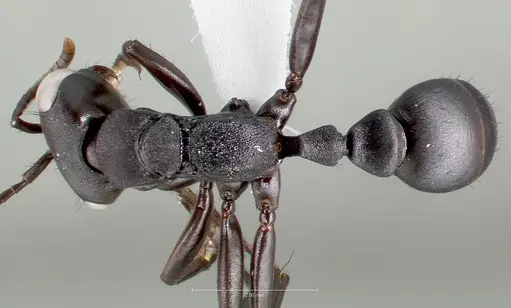
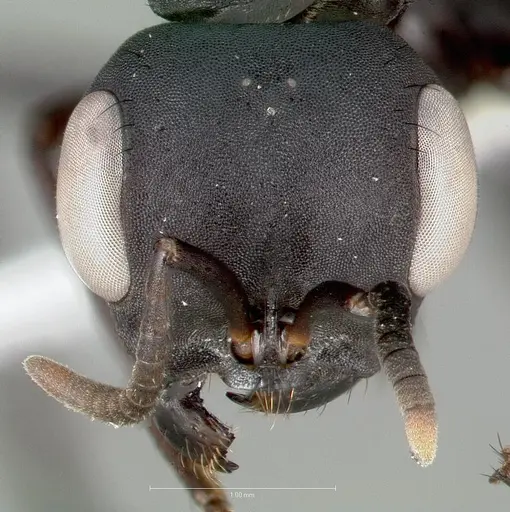
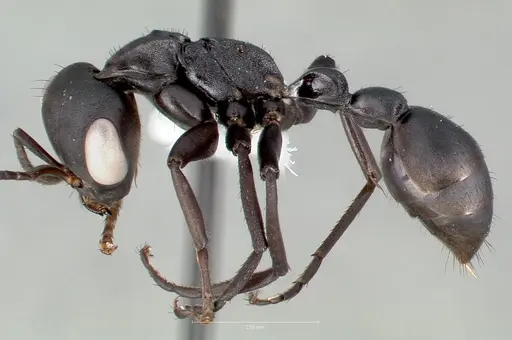
CASENT0902853
View on AntWeb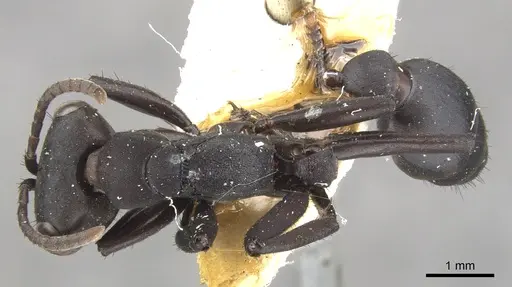
Literature
Loading distribution map...Loading products...