
Pseudomyrmex mixtecus
- Sci. Name
- Pseudomyrmex mixtecus
- Tribe
- Pseudomyrmecini
- Subfamily
- Pseudomyrmecinae
- Author
- Ward, 1993
- Distribution
- Found in 1 countries
Introduction
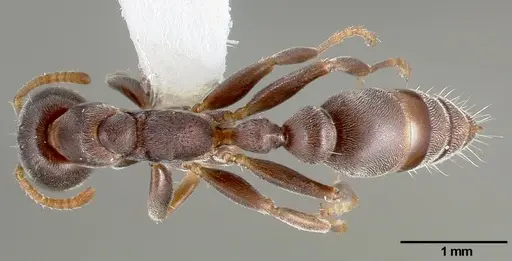
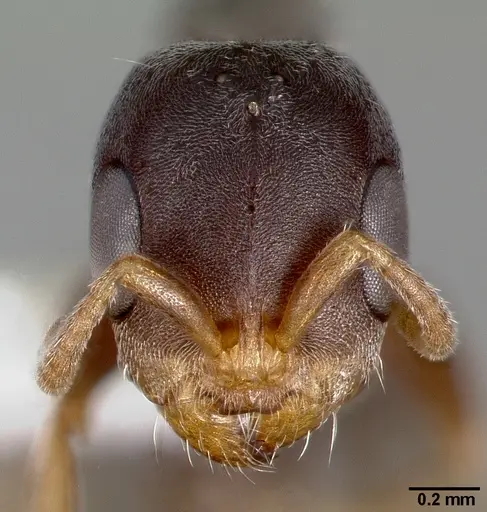
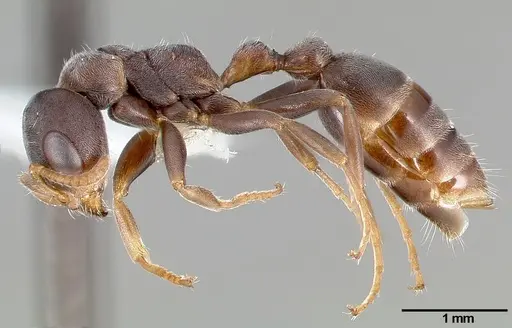
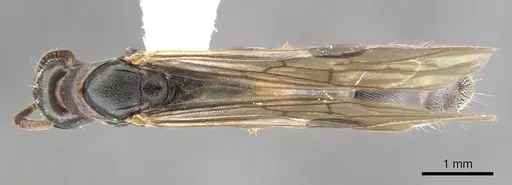
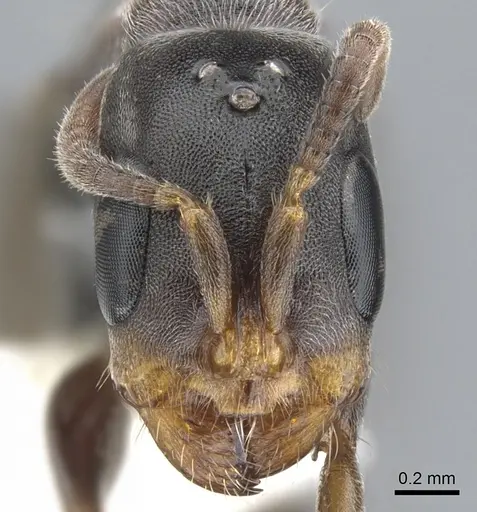
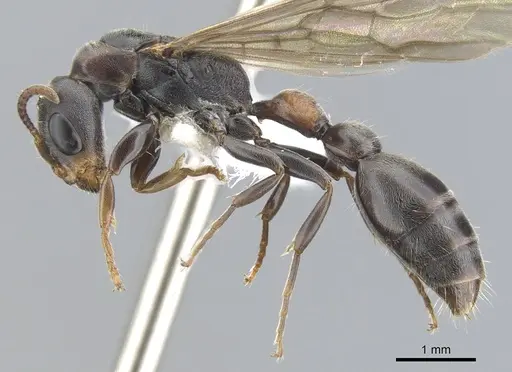
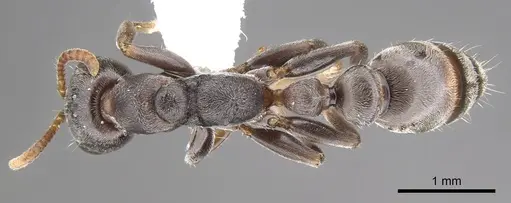
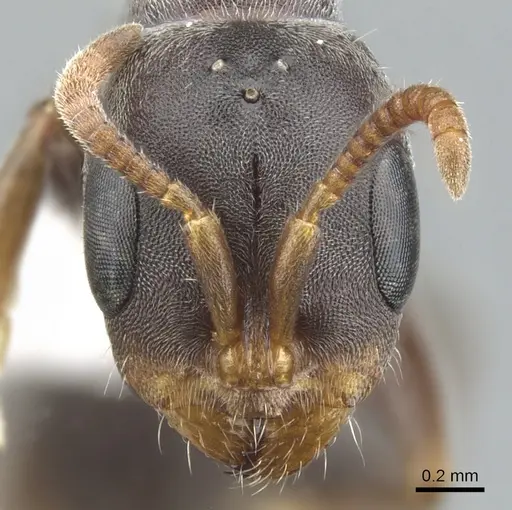
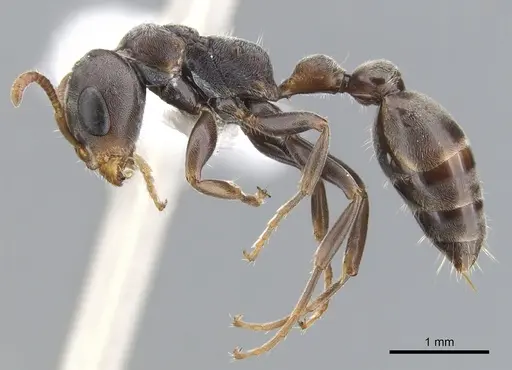
Pseudomyrmex mixtecus is a small ant belonging to the Pseudomyrmex ferrugineus group, a lineage of acacia-ants that live only in partnership with Neotropical Vachellia (Acacia) trees . It is known only from the Mexican states of Guerrero, Oaxaca, and Veracruz . Workers are dark brown to black. Exact body length is not documented, but related Pseudomyrmex workers are around 3-5 mm total length (inferred from genus). This ant is an obligate inhabitant of the hollow thorns (domatia) of Vachellia hosts . What makes this species special is its extreme specialization: it cannot survive without its host plant . Workers also have a unique digestive limitation, they lack the enzyme invertase needed to process sucrose, so larvae must do the job . This creates a tight colony interdependence.
Quick Summary
- Difficulty: Expert
- Origin & Habitat: Mexico (Guerrero, Oaxaca, Veracruz), tropical dry forests and savanna where Vachellia (Acacia) trees grow. This species is an obligate inhabitant of Vachellia domatia (swollen thorns) [3][8].
- Colony Type: Monogynous, colonies have a single queen [7]. The species is strictly single-queen and cannot establish colonies without their host plant.
- Size & Growth:
- Queen: Estimated ~5-7 mm total length (inferred from related Pseudomyrmex acacia-ants).
- Worker: Estimated ~3-5 mm total length (inferred from related Pseudomyrmex acacia-ants).
- Colony: Unknown for this specific species. Related acacia ants in the ferrugineus group typically have colonies of several hundred workers (inferred).
- Growth: Moderate (estimated from related species).
- Development: Unknown. Based on typical Pseudomyrmex patterns, expect 6-10 weeks at tropical temperatures (24-28°C). (Development has not been directly studied. Related species suggest moderate development at warm temperatures.)
- Antkeeping:
- Temperature: Keep at 24-28°C year-round. These are tropical ants from southern Mexico. A heating cable on one side of the setup helps maintain warmth.
- Humidity: Moderate, they come from tropical dry forests. Keep the nest (domatia) environment well-ventilated with some moisture but avoid saturation. The host plant itself regulates humidity around the domatia. Not a high-humidity species, they experience dry seasons.
- Diapause: No. They do not require hibernation. Keep warm year-round.
- Nesting: CRITICAL: Pseudomyrmex mixtecus is an obligate acacia mutualist. They cannot survive without living Vachellia (Acacia) host plants [4][3]. Standard ant nests will not work. You must provide a living Acacia sapling with hollow thorns (domatia) or a setup that mimics the domatia environment, but true success requires the living plant. This makes them suitable only for advanced keepers with live-plant experience.
- Behavior: Aggressive defenders of their host plant. They sting readily and recruit nestmates with alarm pheromones. Workers are active patrollers. Escape risk is moderate, they climb well, so good escape prevention is needed. The digestive specialization (no invertase in workers) means the colony depends on larvae to process sugars [6].
- Common Issues: obligate mutualist requirement, cannot be kept in standard nests, requires living Acacia host plant [4]., workers lack invertase, sugar feeding is complex and must involve larvae [6]., tropical species needs warm, stable temperatures year-round (24-28°C)., limited distribution and possibly sensitive to collection, ensure legal sourcing from Mexico., escape prevention needed, workers are active climbers.
The Obligate Mutualist Challenge
Pseudomyrmex mixtecus is an obligate acacia mutualist, it cannot survive without living Vachellia (Acacia) host plants [4]. In the wild, colonies live exclusively inside the hollow thorns (domatia) of Acacia trees such as A. hindsii, A. collinsii, and A. cornigera [9][7]. They do not nest in soil or wood. If you attempt to keep this species, you must maintain a living Acacia plant. Standard formicaria will lead to colony failure. This makes Pseudomyrmex mixtecus suitable only for experienced keepers with resources for live-plant setups.
Feeding and Digestive Specialization
Pseudomyrmex mixtecus has an unusual digestive system. Workers completely lack the enzyme invertase, needed to break down sucrose [6]. Invertase activity in workers is negligible (18±7 ng glucose per μg per minute), while larvae have high activity (224±22) [6][7]. This means workers must collect honeydew and other sugars and pass them to larvae for processing. The processed nutrients are then shared back. The colony cannot survive without brood to handle sugar. In captivity, provide honeydew via aphids on the Acacia, plus small prey. Standard sugar water alone won’t work.
Host Plant Relationships
Pseudomyrmex mixtecus has been documented on several Acacia (Vachellia) species, including A. hindsii, A. collinsii, A. cornigera, A. chiapensis, A. mayana, and A. gentlei [1][7][8]. The relationship is mutualistic: the tree provides domatia (hollow thorns) and food bodies (Beltian bodies), while the ants defend the tree. This species is monogynous [7]. In captivity, you would need to establish a healthy Vachellia plant, likely from the native range, to sustain the colony.
Temperature and Tropical Care
Pseudomyrmex mixtecus is from tropical southern Mexico (Guerrero, Oaxaca, Veracruz) [2]. Keep the setup at 24-28°C year-round. A heating cable can help in cooler climates. Temperatures below 20°C are likely stressful. The host plant also needs appropriate light and warmth. No winter cooling needed.
Defense and Behavior
Acacia ants in the ferrugineus group aggressively defend their host plant. Workers sting readily and use alarm pheromones to recruit nestmates [3]. The sting is painful but not severe due to the ant's small size. Workers are constantly patrolling. In captivity, expect defensive reactions when the setup is disturbed. Good escape prevention is essential.
Frequently Asked Questions
Can I keep Pseudomyrmex mixtecus in a test tube or formicarium?
No. They require living Acacia host plants [4]. Standard nests will result in death.
What do Pseudomyrmex mixtecus eat?
They collect honeydew and Beltian bodies. Workers cannot process sugar directly, larvae must do it [6]. In captivity, provide aphid colonies on the Acacia and small prey like fruit flies.
Are Pseudomyrmex mixtecus dangerous?
They sting aggressively but the sting is mild [3]. Not dangerous to humans, but handle the setup with caution.
How long do Pseudomyrmex mixtecus take to develop from egg to worker?
Unknown. Estimated 6-10 weeks at 24-28°C (inferred from related species).
Do Pseudomyrmex mixtecus need hibernation?
No. They are tropical ants and need warmth year-round [2].
Can I keep multiple queens together?
No. This species is monogynous, colonies have a single queen [7]. Multiple queens would likely fight.
How big do Pseudomyrmex mixtecus colonies get?
Colony size is not documented for this species. Related acacia ants typically have several hundred workers (inferred).
Are Pseudomyrmex mixtecus good for beginners?
No. This is an expert-level species due to the obligate need for living Acacia and the complex digestive system [4][6]. Even most experienced keepers cannot maintain them successfully.
Where does Pseudomyrmex mixtecus live in the wild?
Only in Mexico: the states of Guerrero, Oaxaca, and Veracruz [2]. They live exclusively in the domatia (hollow thorns) of Vachellia (Acacia) trees in tropical dry forests and savanna [3].
Why can't I keep Pseudomyrmex mixtecus in a normal ant nest?
This species is an obligate mutualist [4] and has a digestive specialization that depends on living Acacia and larvae to process sugar [6]. Without the host plant, they cannot survive.
Report an Issue
The current care sheet is based fully on literature. See inconsistencies, or something that's incorrect? Please , it will be resolved after review from an admin. Contributing to the blogs tab also helps providing information, to make us be able to further improve the caresheets. Thank you for your support!
References

This caresheet is licensed under CC BY-SA 4.0 .
Community Blogs
Literature
Loading distribution map...Loading products...