
Pseudomyrmex maculatus
- Sci. Name
- Pseudomyrmex maculatus
- Tribe
- Pseudomyrmecini
- Subfamily
- Pseudomyrmecinae
- Author
- Smith, 1855
- Distribution
- Found in 6 countries
Introduction
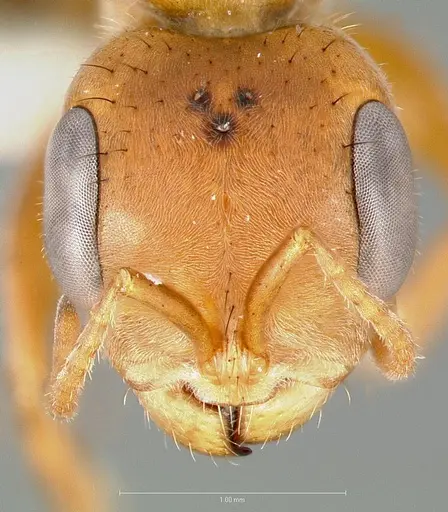
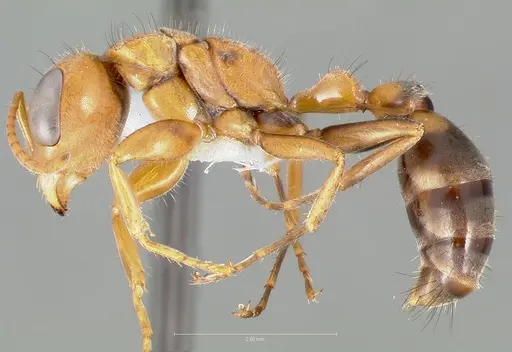
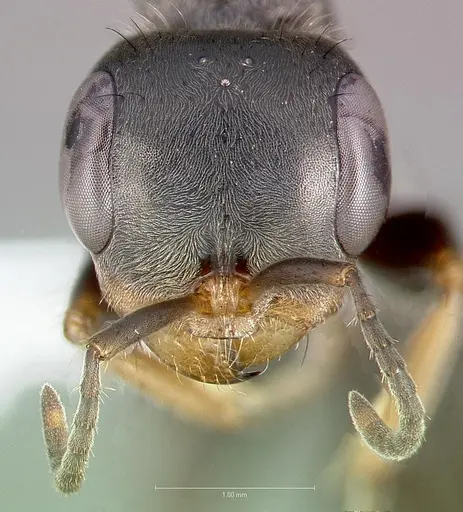
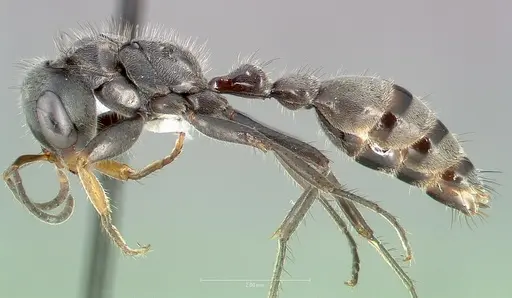
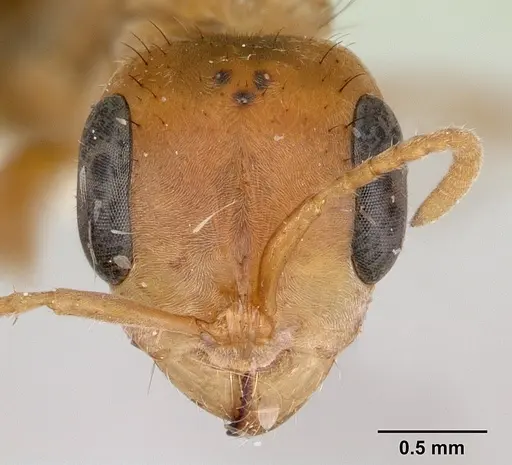
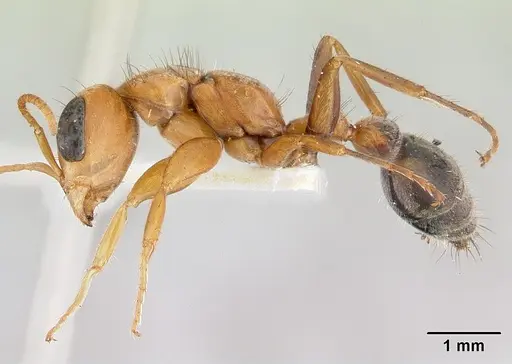
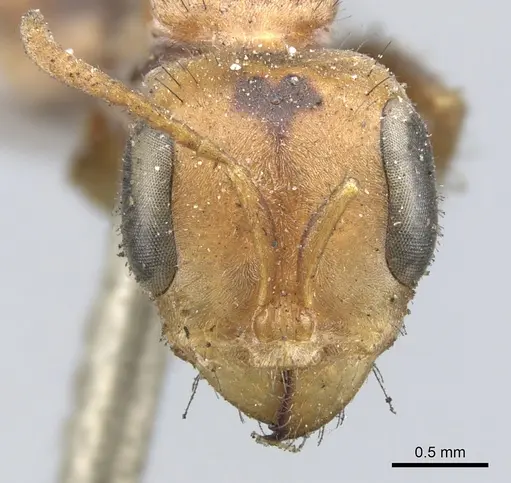
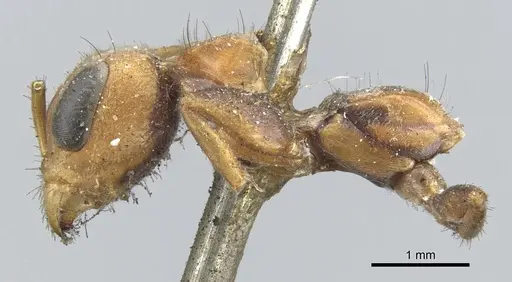
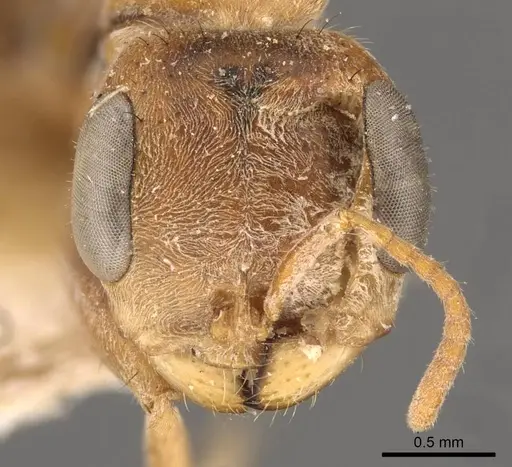
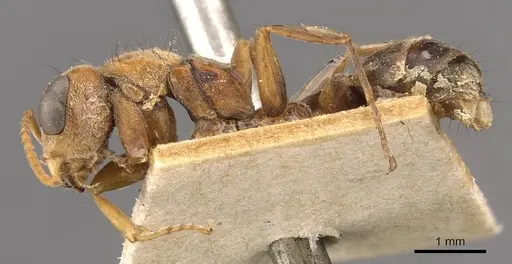
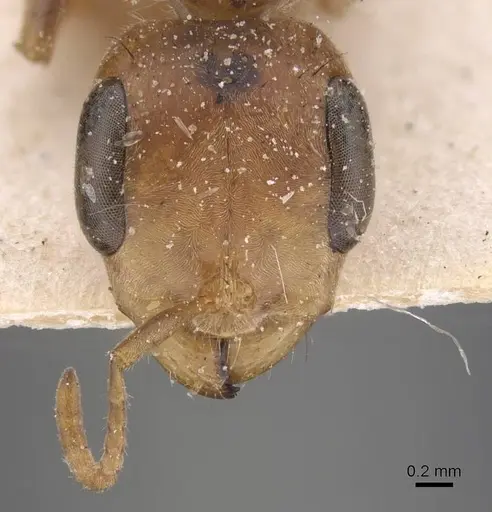
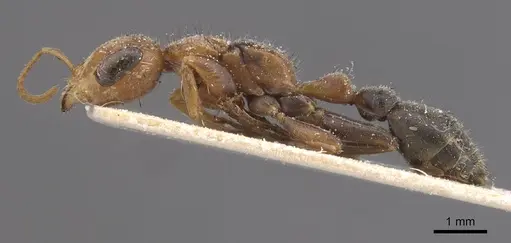
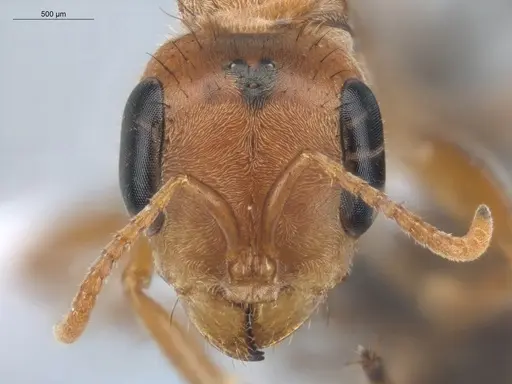
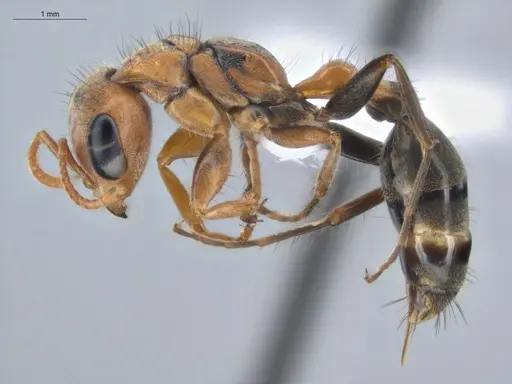
Pseudomyrmex maculatus is a slender, elongated ant species native to the Neotropical region. It has been recorded in Argentina, Barbados, Brazil, Colombia, French Guiana, Guyana, Peru, Suriname, and Trinidad and Tobago . Workers belong to the 'agile Pseudomyrmecinae' functional group - they patrol large areas around their nest alone, are highly active during the day, and navigate using vision instead of chemical trails . In Argentina, they are classified as Tropical Climate Specialists (TCS) . Unlike many ants that nest underground, most Pseudomyrmex species, including this one, nest in vegetation - typically in hollow stems, twigs, or under bark . They can act as predators of small insects or forage for sugary secretions from extrafloral nectaries .
Quick Summary
- Difficulty: Medium
- Origin & Habitat: Tropical and subtropical forests of northern South America and the Caribbean, including Brazil, Argentina, Colombia, Peru, French Guiana, Guyana, Suriname, Trinidad and Tobago, and Barbados [1]. They are Tropical Climate Specialists (TCS), adapted to warm, humid conditions [3].
- Colony Type: Colony structure has not been documented in scientific literature. Based on typical Pseudomyrmex patterns, colonies likely have a single queen (monogyne), but this is not confirmed.
- Size & Growth:
- Queen: Size data unavailable. Estimated ~10-12mm based on Pseudomyrmex genus patterns (note: inferred).
- Worker: Size data unavailable. Estimated ~6-9mm based on Pseudomyrmex genus patterns (note: inferred).
- Colony: Unknown. Inferred several hundred workers from related species.
- Growth: Unknown, estimated moderate based on related species.
- Development: Unknown. Estimated 6-8 weeks at 25-28°C based on typical tropical ant development (note: inferred). (No species-specific development data available. Observe colony activity to gauge optimal conditions.)
- Antkeeping:
- Temperature: Keep at 24-28°C, matching their tropical habitat. They need stable warmth year-round without cold drafts [3].
- Humidity: Moderate to high. Keep the nest substrate slightly moist but not waterlogged, and provide good ventilation to prevent mold. Based on their tropical vegetation-nesting ecology, humidity should be consistently high.
- Diapause: No, as a tropical species, they do not need hibernation. Keep temperatures stable year-round.
- Nesting: In nature they nest in vegetation, hollow stems, twigs, or under bark [2]. Provide narrow, enclosed spaces like hollow twigs or a formicarium with tight chambers. A naturalistic setup with plant material works well. Avoid large open chambers as they prefer tight spaces.
- Behavior: Workers are diurnal, highly active, and patrol solitarily. They navigate using vision rather than chemical trails [2]. In the wild they avoid fights with other ant species [2]. They have a sting (typical of Pseudomyrmecinae) and will defend the nest if threatened, but are not aggressive toward keepers. Being agile and quick, they require good escape prevention even at moderate size.
- Common Issues: tropical species needs warm conditions, cold drafts can stress or kill colonies, dry conditions cause desiccation, keep nest humid but ventilated, cramped nests lead to stress, provide enough space for active foragers, wild-caught colonies may carry parasites that affect survival in captivity, unknown founding and development details make captive breeding uncertain
Housing and Nest Preferences
In the wild, Pseudomyrmex maculatus nests in vegetation, typically hollow stems, twigs, or under bark [2]. In captivity, recreate these conditions as closely as possible. Use hollow plant stems, bamboo sections, or a formicarium with narrow chambers and tight passages. They feel secure in enclosed spaces. Keep the nest humid (moist substrate) but ensure some ventilation to prevent mold. An outworld with plants or visual landmarks will help them navigate using their vision [2].
Feeding and Diet
In the wild, workers are opportunistic predators and nectar foragers. They patrol large areas, catch small insects, and visit extrafloral nectaries for sugary secretions [2]. In captivity, offer small live insects (fruit flies, small crickets, mealworms) for protein 2-3 times per week, and keep sugar water, honey, or a nectar solution constantly available. Remove uneaten prey after 24 hours to prevent mold. Place food in the outworld where they can easily find it [2].
Temperature and Seasonal Care
As a tropical species from northern South America, Pseudomyrmex maculatus needs stable warmth year-round. Keep the nest at 24-28°C, which matches their natural habitat [3]. Room temperature in most homes is sufficient, but in cooler climates use a heating cable or mat. Unlike temperate ants, they do not require diapause or hibernation, maintain consistent conditions. Avoid placing the nest near air conditioning or drafty windows [3].
Behavior and Colony Dynamics
Pseudomyrmex maculatus workers are diurnal, solitary patrollers who navigate visually rather than by pheromone trails [2]. They tend to avoid conflicts with other ant species [2]. They have a sting (typical of Pseudomyrmecinae) and will defend the nest if threatened, but are generally not aggressive toward keepers. Colonies grow at a moderate rate (estimated). Since colony structure is unconfirmed, assume a single queen. The queen founds the colony on her own, founding method is not documented but likely claustral based on genus patterns. As workers emerge, they will begin foraging for food.
Growth and Development
Species-specific development data is not available. Based on typical tropical ant patterns, egg-to-worker time is estimated at 6-8 weeks at 25-28°C. The first workers (nanitics) will be smaller than mature workers. Growth rate is moderate (estimated). Since this species is not well-studied in captivity, monitor the colony closely: if workers cluster near heat sources they may need more warmth, if they avoid certain areas, conditions may be too hot or dry.
Frequently Asked Questions
How long does it take for Pseudomyrmex maculatus to produce first workers?
The species-specific development time is not documented. Based on typical tropical ant development, estimated 6-8 weeks at 25-28°C, but this is an inference.
What do Pseudomyrmex maculatus ants eat?
They are opportunistic predators and nectar foragers. Offer small live insects (fruit flies, small crickets, mealworms) for protein 2-3 times a week, and keep sugar water or honey constantly available. They also visit extrafloral nectaries in the wild [2].
Do Pseudomyrmex maculatus ants need hibernation?
No. As a tropical species, they do not require hibernation. Keep temperatures stable at 24-28°C year-round. Cold temperatures will stress or kill the colony.
What type of nest is best for Pseudomyrmex maculatus?
In nature they nest in vegetation (hollow stems, twigs, under bark) [2]. In captivity, use a naturalistic setup with plant material like hollow twigs or bamboo, or a formicarium with narrow, enclosed chambers. They prefer tight spaces that mimic their natural nesting sites.
Are Pseudomyrmex maculatus ants aggressive?
They are not particularly aggressive toward keepers. In the wild, they avoid confrontations with other ant species [2]. They have a sting and will defend the nest if directly threatened, but typically prefer to flee.
How big do Pseudomyrmex maculatus colonies get?
Colony size is not documented for this species. Based on related Pseudomyrmex, estimated moderate colonies of several hundred workers.
Can I keep multiple Pseudomyrmex maculatus queens together?
Colony structure is unknown for this species. Combining unrelated queens is not recommended, as it has not been studied.
Do Pseudomyrmex maculatus ants sting?
Pseudomyrmex ants (subfamily Pseudomyrmecinae) have a well-developed sting used for defense. Their sting is not considered dangerous to humans, but it can cause mild discomfort. They usually flee rather than sting.
Why are my Pseudomyrmex maculatus ants dying?
Common causes: cold temperatures (they need 24-28°C), low humidity, dry nesting environment, or parasites from wild-caught colonies. Check that the nest is humid but well-ventilated, and temperatures are stable.
Are Pseudomyrmex maculatus good for beginners?
They are rated Medium difficulty. They need stable tropical conditions (warmth, humidity) year-round, which may require extra equipment. Their visual orientation and active foraging are interesting, but they need specific housing compared to common beginner species.
When should I move Pseudomyrmex maculatus to a formicarium?
Since founding and growth are not documented, best practice is to wait until the founding chamber becomes visibly crowded. A naturalistic setup with plant material can be used from the start. Avoid moving too early to minimize stress.
Do Pseudomyrmex maculatus ants need special lighting?
They orient visually and are diurnal, so they may be more sensitive to light than typical ants. Avoid direct harsh lighting on the nest, but normal room lighting is fine. A day/night cycle helps regulate their natural activity [2].
Report an Issue
The current care sheet is based fully on literature. See inconsistencies, or something that's incorrect? Please , it will be resolved after review from an admin. Contributing to the blogs tab also helps providing information, to make us be able to further improve the caresheets. Thank you for your support!
References

This caresheet is licensed under CC BY-SA 4.0 .
Community Blogs
CASENT0005841
View on AntWeb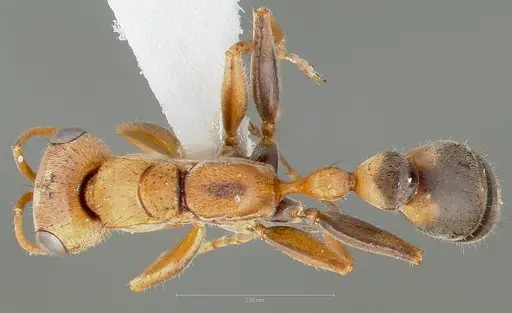
CASENT0005860
View on AntWeb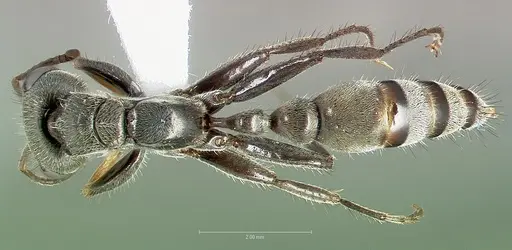
CASENT0178621
View on AntWeb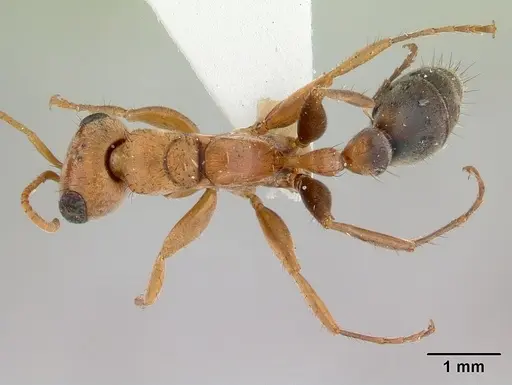
CASENT0902852
View on AntWeb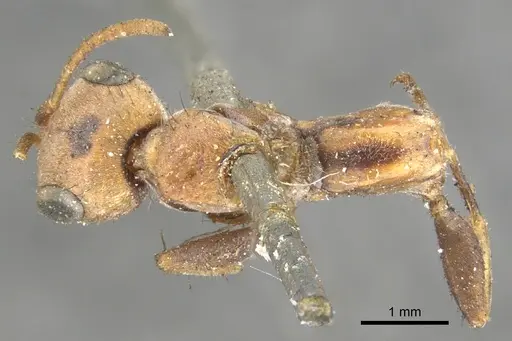
CASENT0907482
View on AntWeb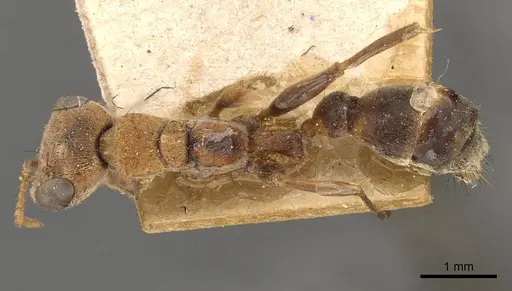
CASENT0915511
View on AntWeb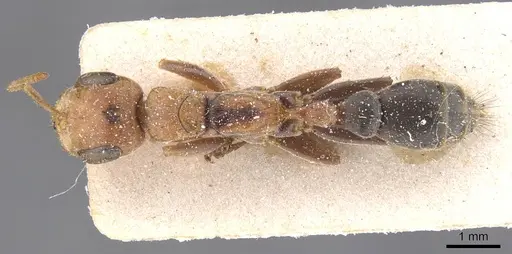
ECOFOG-HC-0006
View on AntWeb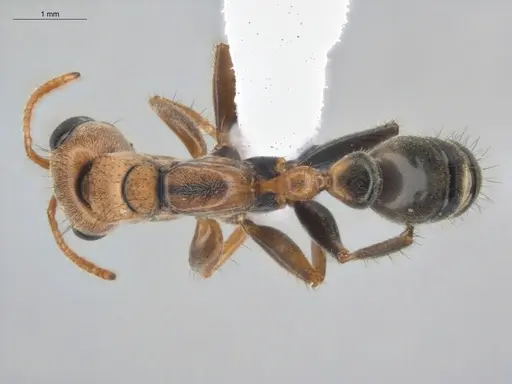
Literature
Loading distribution map...Loading products...