
Parasitic Twig Ant
Pseudomyrmex leptosus
- Sci. Name
- Pseudomyrmex leptosus
- Tribe
- Pseudomyrmecini
- Subfamily
- Pseudomyrmecinae
- Author
- Ward, 1985
- Common Name
- Parasitic Twig Ant
- Distribution
- Found in 1 countries
Introduction
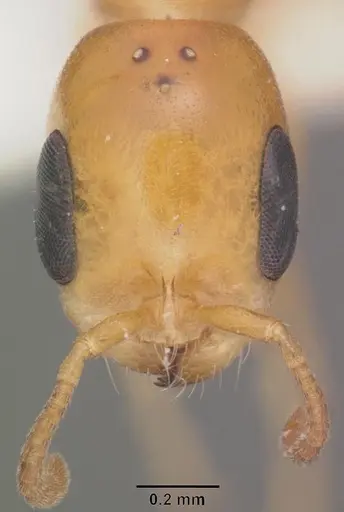
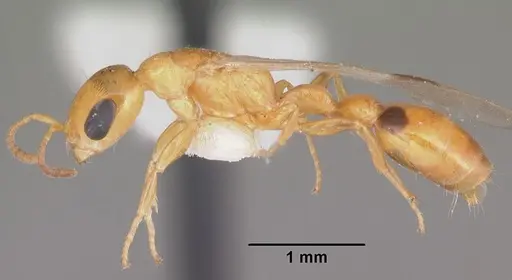
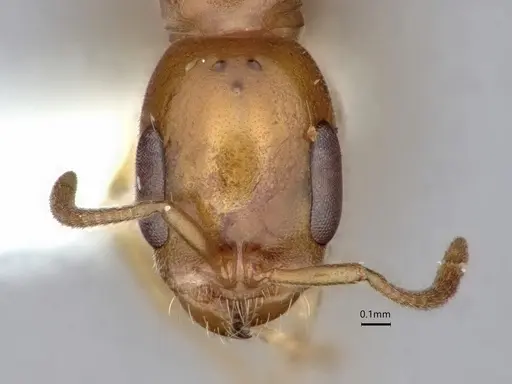
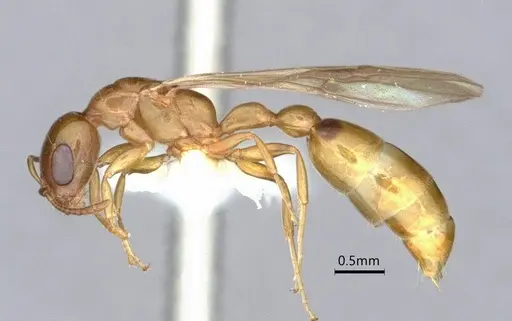
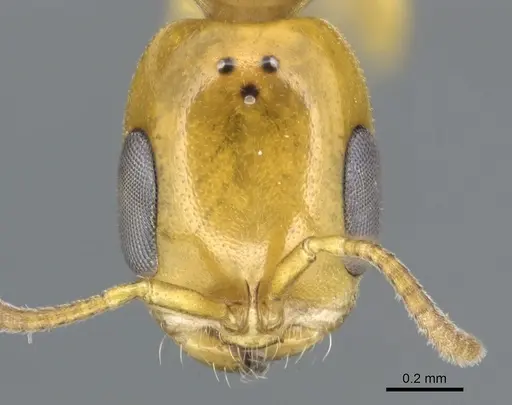
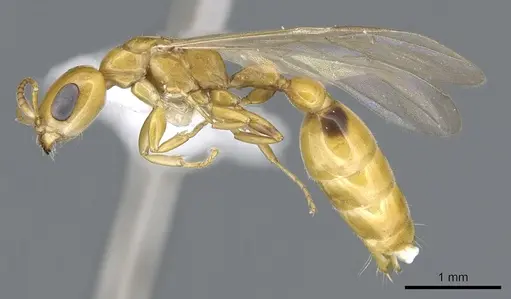
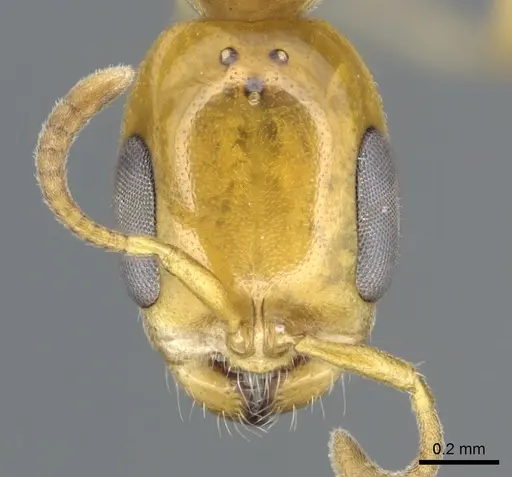
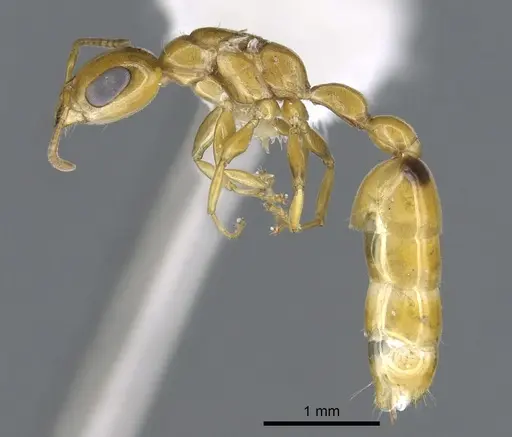
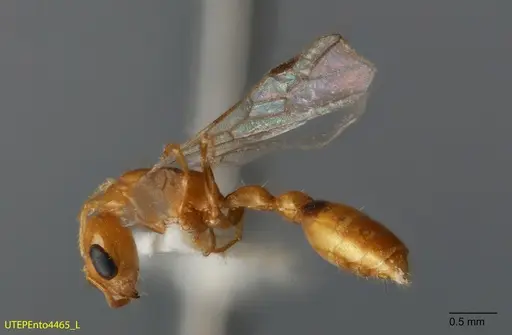
Pseudomyrmex leptosus is a tiny, pale orange ant native to Florida, USA . Queens are very small and have a rounded, shiny head with dark patches on the abdomen. This species is extraordinary because it is a workerless social parasite, it has no workers of its own and completely depends on its host species, Pseudomyrmex ejectus, for survival. The queens live within host colonies and use host workers to raise their brood. This is one of the few known examples of inquilinism in the Pseudomyrmecinae subfamily .
Quick Summary
- Difficulty: Expert
- Origin & Habitat: Florida, USA, particularly in the Nearctic region. Known from a few sites in the Peninsula, north into Alachua County, including Payne's Prairie [1][2].
- Colony Type: Workerless social parasite. Colonies contain multiple reproductive queens that live exclusively within host colonies of Pseudomyrmex ejectus. No worker caste exists [1].
- Size & Growth:
- Queen: Size data unavailable
- Worker: Workerless, no workers produced [1]
- Colony: Unknown, depends on host colony size [1]
- Growth: Unknown
- Development: Unknown, brood raised by host workers [1] (This species produces only sexuals (queens and males), never workers. All brood care is performed by host Pseudomyrmex ejectus workers [1].)
- Antkeeping:
- Temperature: Unknown, likely similar to host species (subtropical Florida) [1]
- Humidity: Unknown, follows host colony conditions [1]
- Diapause: Unknown, likely follows host colony seasonal patterns [1]
- Nesting: Cannot be kept independently, requires a host colony of Pseudomyrmex ejectus [1]
- Behavior: This species is completely dependent on its host. Queens are accepted into host colonies where they live alongside host queens. The parasite queens produce only sexual offspring (more queens and males), never workers. Host workers care for the parasite brood as if it were their own. This is an obligate social parasite, without a host colony, the queens cannot survive [1].
- Common Issues: cannot be kept without a host colony, requires Pseudomyrmex ejectus as host [1]., queens have no workers to forage or care for brood [1]., listed as Vulnerable on the IUCN Red List, collecting or disturbing colonies in Florida may be illegal without permits [1]., extremely rare and seldom available for hobbyists [1]., establishing and maintaining mixed colonies is exceptionally difficult even for experts [1].
Understanding Pseudomyrmex leptosus
Pseudomyrmex leptosus is one of the most unusual ants you could encounter [1]. Unlike nearly all other ant species, this one has completely lost its worker caste. The queens cannot found colonies on their own, they must invade and integrate into an established colony of their host species, Pseudomyrmex ejectus. Once inside the host nest, the parasite queens produce new queens and males, but never workers. The host workers unknowingly raise the parasite brood alongside their own. This arrangement is called inquilinism, a form of social parasitism where one species lives entirely within the social structure of another. The original discovery in Florida found mixed nests containing two dealate (winged, mated) Pseudomyrmex leptosus queens together with Pseudomyrmex ejectus workers and brood of both species [1].
Why This Species Is Not Suitable for Typical Antkeeping
If you're looking for a new ant species to keep, Pseudomyrmex leptosus is not the answer [1]. This is an obligate social parasite that cannot survive without a host colony of Pseudomyrmex ejectus. The queens have no workers to forage for food, tend to brood, or maintain the nest. They are entirely dependent on host workers for all aspects of colony function. To keep this species, you would need to maintain a healthy Pseudomyrmex ejectus colony and successfully introduce Pseudomyrmex leptosus queens without the host colony rejecting them. This is extremely difficult even for professional myrmecologists and has rarely been achieved in captivity. The species is also extremely rare in the wild, known only from a few sites in Florida [1].
The Host Species: Pseudomyrmex ejectus
If you were to attempt keeping Pseudomyrmex leptosus, you would need to first establish a colony of its host, Pseudomyrmex ejectus. Pseudomyrmex ejectus is also found in Florida and is a more typical Pseudomyrmex species with normal worker castes. These ants are slender, fast-moving ants that often nest in hollow plant stems or rotting wood. They are predatory and will accept small insects as prey. However, establishing Pseudomyrmex ejectus colonies is also challenging as they require specific Florida-like conditions. The two species must be kept together in a mixed colony arrangement, which adds another layer of complexity. This species combination represents one of the most advanced antkeeping challenges possible [1].
Legal and Ethical Considerations
Pseudomyrmex leptosus is listed as Vulnerable on the IUCN Red List, meaning it faces a high risk of extinction in the wild [1]. The species has a very limited distribution in Florida and depends on both its specific habitat and host species for survival. For these reasons, even if this species were available (which it virtually never is), there would be significant ethical concerns about collecting from the wild. Additionally, because this is a parasitic species that cannot survive independently, there is no legitimate reason for a hobbyist to attempt keeping it. If you're interested in unusual ant species, consider other Pseudomyrmex species that can be kept independently [1].
Frequently Asked Questions
Can I keep Pseudomyrmex leptosus as a pet ant?
No [1]. This species is a workerless social parasite that cannot survive without a host colony of Pseudomyrmex ejectus. It is not suitable for antkeeping and is virtually never available in the hobby [1].
Why does Pseudomyrmex leptosus have no workers?
This species has evolved to be completely dependent on its host [1]. The queens invade Pseudomyrmex ejectus colonies and use host workers to raise their brood. Over evolutionary time, the worker caste was lost entirely because it was unnecessary, the host workers do all the work [1].
What is an inquiline ant?
An inquiline is a social parasite that lives within the nest of another ant species and uses the host workers to care for its brood [1]. Pseudomyrmex leptosus is a workerless inquiline, it produces only reproductive queens and males, never workers, and relies entirely on host workers [1].
Where does Pseudomyrmex leptosus live?
This species is known only from Florida, USA, particularly in the Alachua County area around Payne's Prairie [1][2]. It has a very limited distribution and is considered Vulnerable [1].
How do I keep Pseudomyrmex ejectus (the host species)?
Pseudomyrmex ejectus is also a challenging species to keep [1]. They are subtropical ants from Florida that need warm temperatures and likely high humidity. They are predatory and need live small insects. However, keeping Pseudomyrmex leptosus requires maintaining both species together, which is extremely difficult and rarely attempted [1].
Is Pseudomyrmex leptosus dangerous?
They are not aggressive and rarely sting, but like other Pseudomyrmecinae ants they do possess a sting. Being tiny parasitic queens with no workers, they pose little threat [1].
What do Pseudomyrmex leptosus queens eat?
In the wild, they are fed by host Pseudomyrmex ejectus workers through trophallaxis (mouth-to-mouth feeding) [1]. The host workers forage for food and share it with the parasite queens. In captivity, they would need to be fed by host workers [1].
Are there other parasitic ants similar to Pseudomyrmex leptosus?
Yes, there are several workerless social parasites in the ant world [1]. Some species of Tetramorium, Solenopsis, and other genera have similar parasitic lifestyles. However, Pseudomyrmex leptosus is unusual because it belongs to the Pseudomyrmecinae subfamily, which mostly contains independent, non-parasitic species [1].
Why is Pseudomyrmex leptosus so rare?
The species has a very limited geographic range (only known from Florida), depends on a specific host species, and is listed as Vulnerable on the IUCN Red List [1]. Combined with its parasitic lifestyle that requires two species to coexist, this makes naturally occurring colonies extremely rare [1].
Can I start a colony with a single Pseudomyrmex leptosus queen?
No [1]. Unlike typical ants that can found colonies claustrally (queen seals herself in and raises first workers alone), Pseudomyrmex leptosus queens cannot found colonies independently. They must be introduced to an established Pseudomyrmex ejectus colony, and even this is extremely difficult to achieve [1].
Report an Issue
The current care sheet is based fully on literature. See inconsistencies, or something that's incorrect? Please , it will be resolved after review from an admin. Contributing to the blogs tab also helps providing information, to make us be able to further improve the caresheets. Thank you for your support!
References

This caresheet is licensed under CC BY-SA 4.0 .
Community Blogs
CASENT0103909
View on AntWeb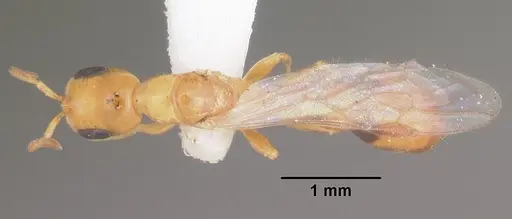
CASENT0866514
View on AntWeb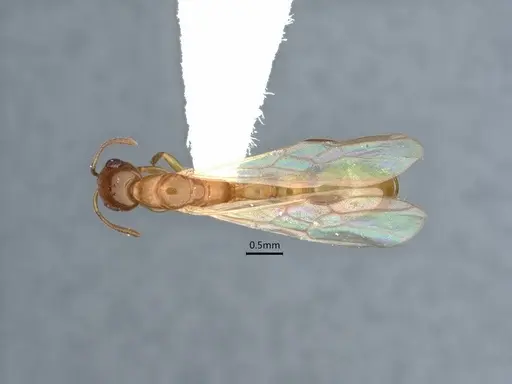
CASENT0902896
View on AntWeb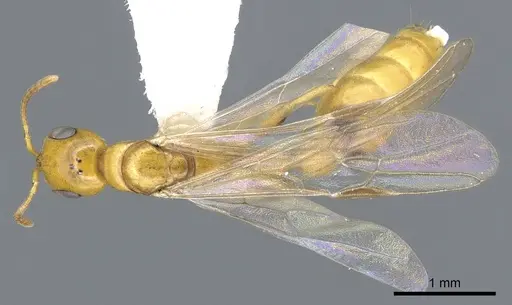
CASENT0902897
View on AntWeb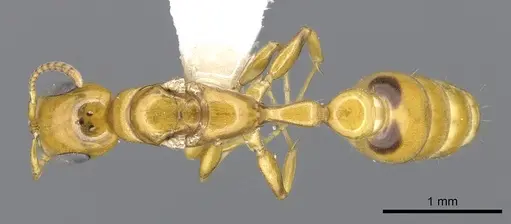
UTEPENTO4465
View on AntWeb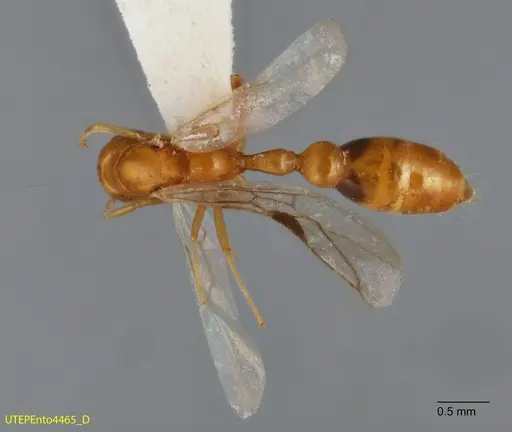
Literature
Loading distribution map...Loading products...