
Pseudomyrmex flavidulus
- Sci. Name
- Pseudomyrmex flavidulus
- Tribe
- Pseudomyrmecini
- Subfamily
- Pseudomyrmecinae
- Author
- Smith, 1858
- Distribution
- Found in 5 countries
Introduction
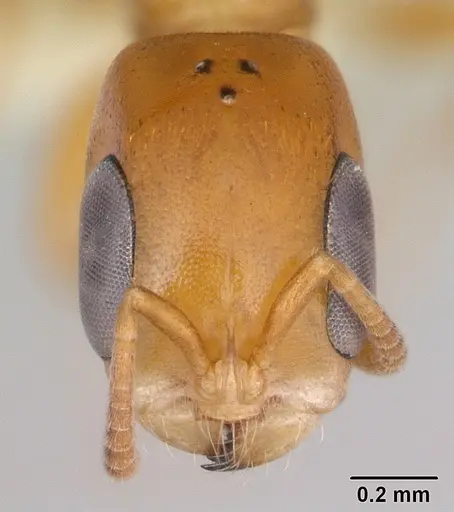
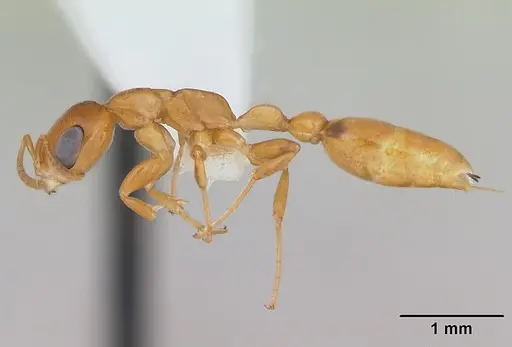
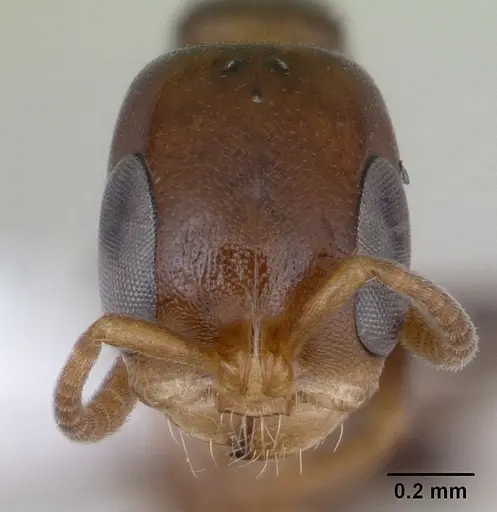
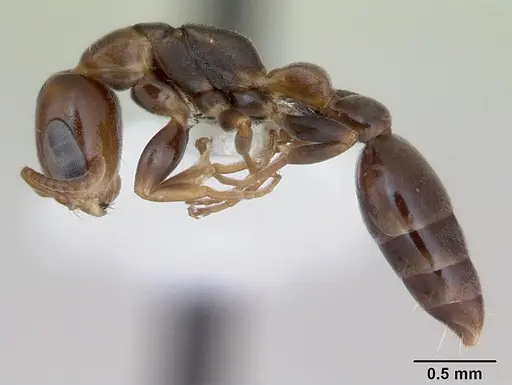
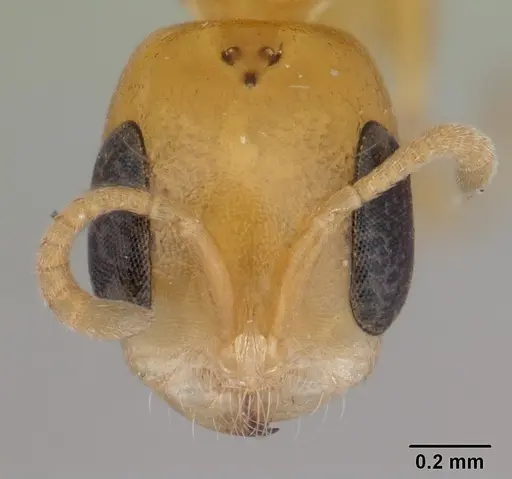
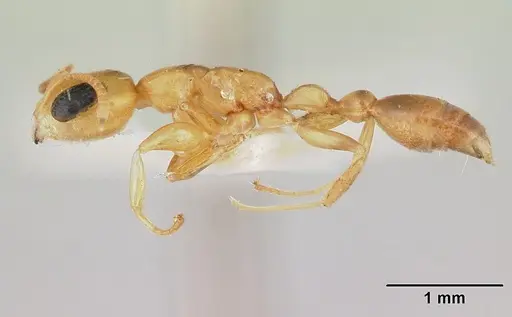
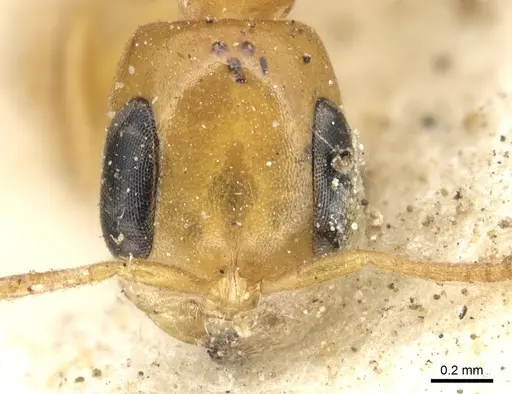
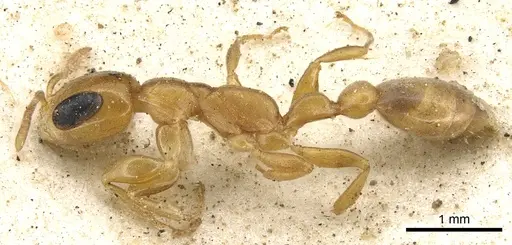
Pseudomyrmex flavidulus is a slender, elongate ant with yellow-to-brown coloring and a pair of prominent black spots near the base of the gaster . Workers average 3.74mm in body length and have large eyes, giving them sharp vision for their arboreal lifestyle . This species is widespread across the Neotropics, from Mexico and Central America through South America (Brazil, Argentina, Paraguay, Colombia, Ecuador, Venezuela, Bolivia, French Guiana) and parts of the Caribbean . However, many West Indian records (Bahamas, Puerto Rico, St. Vincent, Grenada, Trinidad) may be misidentifications of a closely related Pseudomyrmex species, making this a complex taxonomic group . These ants are arboreal nesters, living in hollow plant stems and acacia thorns . They aggressively defend their nests with their sting and are often seen tending scale insects for honeydew on coffee plants and other trees .
Quick Summary
- Difficulty: Medium
- Origin & Habitat: Neotropical Region, from Mexico through Central America to South America (Brazil, Colombia, Ecuador, Paraguay, Argentina, Venezuela, Bolivia, French Guiana) and Caribbean islands (Grenada, Guadeloupe, Trinidad & Tobago). Inhabits tropical and subtropical forests, including dry forests, cerrado, and coastal restinga. Often found in association with acacia trees and plants with hollow stems [1][5][4][6].
- Colony Type: Monogyne, each nest contains exactly one queen. Colonies are small, typically 12-41 workers (mean 24.4) [2].
- Size & Growth:
- Queen: ~5-6mm (inferred from Pseudomyrmex genus patterns)
- Worker: 3.74mm average body length [2]
- Colony: Up to 41 workers [2]
- Growth: Moderate (inferred from colony sizes and typical Pseudomyrmex development)
- Development: Estimated 6-8 weeks at 24-28°C (based on related Pseudomyrmecinae species, no direct data for this species) (Direct development data unavailable, estimate based on subfamily patterns.)
- Antkeeping:
- Temperature: Warm tropical temperatures, roughly 24-28°C. Classified as a Tropical Climate Specialist [8]. Provide a gentle gradient.
- Humidity: Moderate to high. Keep nesting material moist but not waterlogged. Their natural tropical habitat provides regular moisture, misting may help.
- Diapause: No, as a tropical species, maintain consistent warmth year-round [8].
- Nesting: Arboreal specialists that nest in hollow plant structures. Provide vertical nesting options: cork bark, bamboo sections, or 3D-printed nests with narrow, snug chambers. They prefer tight cavities that mimic acacia thorns or dead stems [2][7].
- Behavior: Fast-moving, active foragers with excellent vision. They aggressively defend their nest using their sting and bite. Arboreal, spend most time foraging on vegetation rather than ground. Escape prevention critical due to small size and agility. Known to tend scale insects for honeydew [1].
- Common Issues: small colony size means each worker loss has a big impact, max around 41 workers [2], arboreal nature requires vertical space and specific nesting sites, horizontal nests may be rejected, high humidity needs can lead to mold if ventilation is poor, aggressive defense, they sting and bite readily when disturbed, limited research means many care parameters are estimates based on genus patterns rather than species-specific data
Housing and Nest Setup
Pseudomyrmex flavidulus naturally nests in hollow plant structures like acacia thorns and dead stems of Actinocephalus polyanthus [7][2]. In captivity, you should replicate these conditions with vertical nesting options. Cork bark sections, bamboo pieces, or 3D-printed nests with narrow vertical chambers work well. The chambers should be snug, close to the workers' body size, as they prefer tight spaces that mimic their natural twig homes [2].
The outworld needs vertical surfaces for foraging, include branches, cork bark, or other structures they can walk on. Because they are small (3.74mm) and fast, use tight-fitting barriers like fluon on the rim to prevent escapes. Provide a test tube water source with a cotton plug.
Feeding and Diet
In the wild, Pseudomyrmex flavidulus workers have been observed tending scale insects on coffee trees, collecting honeydew [1]. They are generalist feeders that also consume nectar and small insects. In captivity, offer a varied diet: sugar water or honey continuously for energy, and small live or frozen insects (fruit flies, small crickets, mealworms) 2-3 times per week for protein. Remove uneaten prey after 24 hours. Fresh water must always be available. These ants are active foragers, so place food where they can easily find it.
Temperature and Humidity
As a tropical species, Pseudomyrmex flavidulus requires warm temperatures in the range of 24-28°C. Research classifies it as a Tropical Climate Specialist [8]. Maintain consistent warmth year-round, no seasonal cooling needed.
Humidity should be moderate to high. Their natural habitat includes tropical forests with regular moisture, so keep the nesting area moist but avoid standing water. Provide a water tube for drinking and mist the outworld if needed. Ensure good ventilation to prevent mold while retaining moisture.
Colony Structure and Growth
Pseudomyrmex flavidulus forms monogyne colonies with exactly one queen per nest [2]. Colonies remain small, maximum observed size is 41 workers, with an average of about 24 workers [2]. Brood is present in various stages, colony size does not correlate with plant internal volume [2].
Because colonies stay modest, they are well-suited to smaller enclosures. Queens are estimated at 5-6mm (inferred from genus). Growth is moderate, expect gradual worker numbers.
Behavior and Temperament
Workers have narrow, elongate bodies and large eyes that give them excellent vision for their arboreal life [1]. They are fast-moving and active foragers. When threatened, they aggressively defend the nest using their sting and bite.
Natural history involves nesting in plant structures and foraging in vegetation, they are not ground-nesters. They coexist peacefully with scale insects for honeydew but will vigorously defend against nest threats.
Frequently Asked Questions
How long does it take for Pseudomyrmex flavidulus to produce first workers?
No direct species-specific data. Based on related Pseudomyrmecinae, first workers likely emerge around 6-8 weeks after egg laying at 24-28°C.
Can I keep multiple Pseudomyrmex flavidulus queens together?
No, this species is monogyne, with exactly one queen per nest documented in the wild [2]. Do not attempt to combine unrelated queens.
What size colony does Pseudomyrmex flavidulus reach?
Colonies remain small, typically up to 41 workers, with an average of about 24 workers [2]. This makes them suitable for keepers who prefer modest colony sizes.
Do Pseudomyrmex flavidulus ants sting?
Yes, they have a sting and will use it aggressively when the nest is disturbed. Their sting is backed by the subfamily Pseudomyrmecinae's defense mechanism, and they are known for aggressive nest defense.
What is the best nest type for Pseudomyrmex flavidulus?
Provide vertical nesting options that mimic natural twig or thorn habitats. Cork bark, bamboo sections, or 3D-printed nests with narrow, snug vertical chambers work best. The nest should be tight-fitting to match their 3.74mm body size [2].
Are Pseudomyrmex flavidulus good for beginners?
This species is rated medium difficulty. Their small colony size and tropical requirements are manageable, but their arboreal nesting preference and need for warm, humid conditions may require more setup than simple ground-nesting species. Best for keepers with some experience.
Do Pseudomyrmex flavidulus need hibernation?
No, as a tropical species, they do not require hibernation. Keep temperatures consistent at 24-28°C year-round [8]. Seasonal cooling is not beneficial.
Why are my Pseudomyrmex flavidulus not using the nest I provided?
These ants are arboreal specialists that naturally nest in hollow plant structures like acacia thorns and plant stems [7]. They may reject horizontal or ground-level nests. Try vertical cork bark, bamboo, or narrow 3D-printed chambers.
What do Pseudomyrmex flavidulus eat?
Generalist feeders: offer sugar water or honey continuously for energy, and small insects (fruit flies, small crickets, mealworms) 2-3 times per week for protein. In the wild, they also tend scale insects for honeydew [1].
How do I know if my Pseudomyrmex flavidulus colony is healthy?
Healthy colonies have active workers foraging, a laying queen, and developing brood. Watch for consistent brood presence. Because colonies max out at about 41 workers, steady numbers with some replacement workers emerging is normal [2].
Report an Issue
The current care sheet is based fully on literature. See inconsistencies, or something that's incorrect? Please , it will be resolved after review from an admin. Contributing to the blogs tab also helps providing information, to make us be able to further improve the caresheets. Thank you for your support!
References

This caresheet is licensed under CC BY-SA 4.0 .
Community Blogs
CASENT0173754
View on AntWeb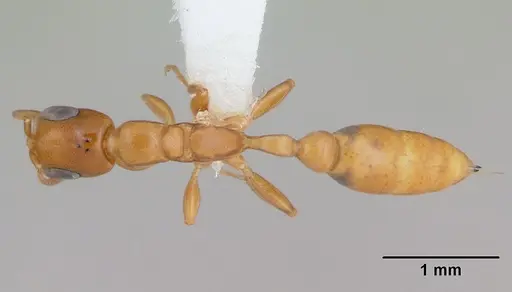
CASENT0173755
View on AntWeb
CASENT0178623
View on AntWeb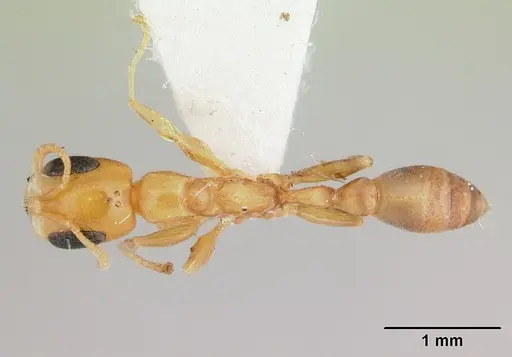
CASENT0902895
View on AntWeb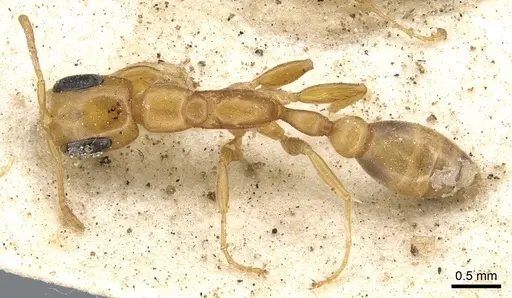
Literature
Loading distribution map...Loading products...