
Pseudomyrmex fervidus
- Sci. Name
- Pseudomyrmex fervidus
- Tribe
- Pseudomyrmecini
- Subfamily
- Pseudomyrmecinae
- Author
- Smith, 1877
- Distribution
- Found in 3 countries
Introduction
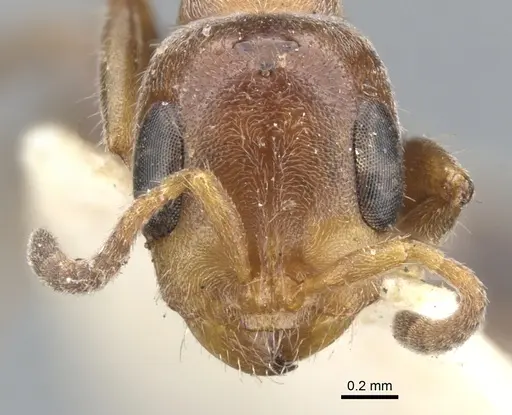
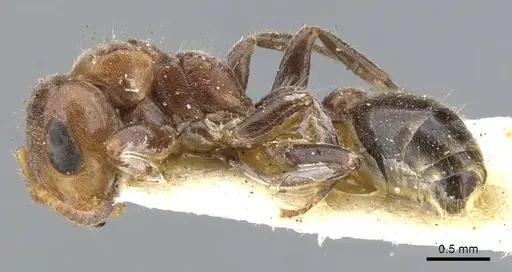
Pseudomyrmex fervidus is a species recorded only from Mexico, based on historical museum specimens . No published biological studies exist for this species. As a member of the genus Pseudomyrmex, it is assumed to be a slender, elongated arboreal ant with a functional sting, typically nesting in hollow plant stems or twigs. Its appearance, exact size, and detailed ecology remain unknown.
Quick Summary
- Difficulty: Medium, but care requirements are entirely inferred since no research data is available.
- Origin & Habitat: Mexico [1][2][3]. No specific habitat data exists, but Pseudomyrmex species commonly occur in tropical dry forests and scrublands.
- Colony Type: Unconfirmed. Based on generic patterns, likely single-queen (monogyne) colonies, but this is unstudied.
- Size & Growth:
- Queen: Data unavailable.
- Worker: Data unavailable.
- Colony: Unknown.
- Growth: Unknown.
- Development: Unknown. (No data available. Development can only be guessed from related Pseudomyrmex, but this is highly speculative.)
- Antkeeping:
- Temperature: No species-specific data. Given its tropical Mexican origin, keep at warm temperatures around 24-28°C (inferred). A gradient is recommended.
- Humidity: No data. Based on dry forest habitat, moderate humidity with nest substrate that dries slightly between waterings is likely preferred (inferred). Avoid constant wetness.
- Diapause: Probably not needed, as tropical species usually do not require hibernation, but this is unconfirmed (inferred).
- Nesting: No species-specific data. Based on genus habits, provide narrow, snug cavities such as hollow twigs or Y-tong/plaster nests with small chambers (inferred). Avoid large open spaces.
- Behavior: Subfamily (Pseudomyrmecinae) typical: has a strong sting and is highly defensive of the nest. No specific observations for this species, but caution is advised. Escape prevention is important as they are fast and alert.
- Common Issues: sting pain, handle with caution, the sting is likely painful., escape risk, active, fast ants that will exploit any gap., limited research, care is purely experimental, expect setbacks and adjust conditions based on observation., slow founding unknown, no data on founding duration, do not disturb a queen that is sealed in.
Housing and Nest Setup
Since no specific nest data exists for Pseudomyrmex fervidus, recommended setups are based on its genus. Pseudomyrmex are twig-nesters that prefer narrow, enclosed spaces. Provide a nest with small, snug chambers, Y-tong (AAC) or plaster nests work well. Connect to an outworld with a thin layer of substrate for traction. Keep the nest mostly dry with a small water source for humidity. Avoid large open spaces.
Feeding and Diet
Feeding preferences are unknown, but Pseudomyrmex species are generally predatory. Offer small live insects like fruit flies, small crickets, or mealworms 2-3 times per week. Remove uneaten prey after 24 hours to prevent mold. Providing a sugar source (e.g., honey water) is optional but may be accepted. Fresh water must always be available.
Temperature and Heating
No specific temperature data exists for this species. Given its tropical origin, maintain nest temperatures around 24-28°C using a heating cable on one side to create a gradient. Avoid exceeding 30°C. Cooler temperatures may slow development, but the exact optimal range is unknown.
Behavior and Defense
Pseudomyrmex fervidus belongs to a subfamily (Pseudomyrmecinae) known for a painful sting and aggressive nest defense. While no behavioral observations have been published for this species, keepers should assume it is highly defensive. Use long tools for maintenance and avoid introducing disturbances near the nest entrance. Fast and alert, these ants require secure containment.
Colony Founding and Development
Founding behavior has not been studied in this species. Based on the genus pattern, queens may be claustral (seal themselves in and raise first brood on stored reserves), but this is unconfirmed. Do not disturb a queen that remains sealed. Growth rate and timeline are unknown, patience is essential. Nanitics may be smaller than mature workers but no data confirms this.
Frequently Asked Questions
Does Pseudomyrmex fervidus sting?
Yes, based on its subfamily (Pseudomyrmecinae), it has a functional stinger and is likely to sting defensively. The pain is expected to be comparable to a wasp sting, but no published accounts exist for this species.
How long does it take for Pseudomyrmex fervidus to produce first workers?
Unknown. No data on development time exists. If the queen is claustral (not confirmed), it may take several weeks to months. Do not disturb the founding chamber.
What do Pseudomyrmex fervidus ants eat?
Feeding habits are unrecorded. Based on genus trends, offer small live insects as their primary diet and sugar water as a supplement.
Are Pseudomyrmex fervidus good for beginners?
This species is rated Medium difficulty, but since almost nothing is known about its captive care, it is better suited for experienced keepers willing to experiment. Their sting and escape risk also add challenge.
What temperature do Pseudomyrmex fervidus ants need?
No specific data. As a tropical species from Mexico, keep at 24-28°C. Use a heating cable to maintain warmth.
Can I keep multiple Pseudomyrmex fervidus queens together?
Unknown whether this species is polygyne. The genus is typically monogyne, so assume colonies have one queen unless observed otherwise. Do not attempt to combine unrelated queens.
What size colony does Pseudomyrmex fervidus reach?
Colony size is unknown. Related Pseudomyrmex species can have a few hundred to several thousand workers, but no data exists for this species.
Do Pseudomyrmex fervidus need hibernation?
Probably not, given its tropical origin, but this is unstudied. If you live in a temperate climate, you may keep them active year-round at warm temperatures.
What nest type is best for Pseudomyrmex fervidus?
Based on its genus, a nest with narrow, tight chambers mimicking hollow twigs, such as Y-tong or plaster nests, is recommended. Avoid large open spaces.
Why are my Pseudomyrmex fervidus dying?
Common issues may include incorrect temperature (too cold or too hot), excessive moisture (these ants likely prefer dry conditions), stress from disturbance, or escape. Since no care guidelines exist, adjust conditions gradually and observe colony response.
Report an Issue
The current care sheet is based fully on literature. See inconsistencies, or something that's incorrect? Please , it will be resolved after review from an admin. Contributing to the blogs tab also helps providing information, to make us be able to further improve the caresheets. Thank you for your support!
References

This caresheet is licensed under CC BY-SA 4.0 .
Community Blogs
CASENT0902922
View on AntWeb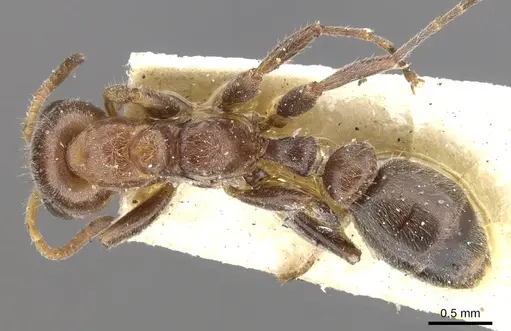
Literature
Loading distribution map...Loading products...