
Pseudomyrmex eduardi
- Sci. Name
- Pseudomyrmex eduardi
- Tribe
- Pseudomyrmecini
- Subfamily
- Pseudomyrmecinae
- Author
- Forel, 1912
- Distribution
- Found in 9 countries
Introduction
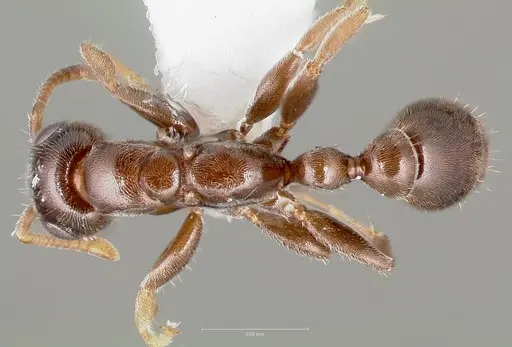
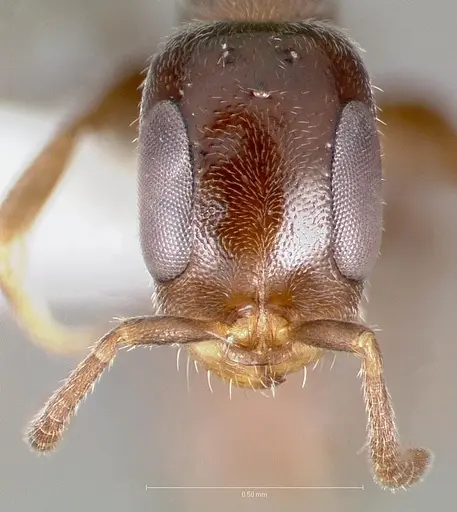
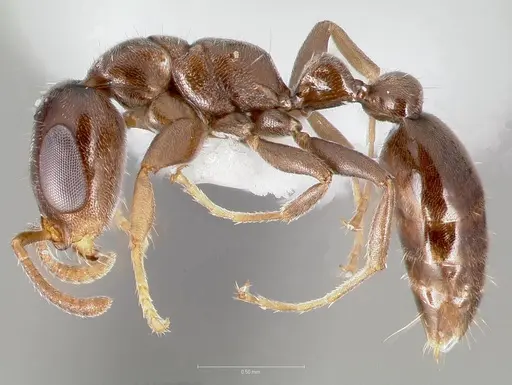
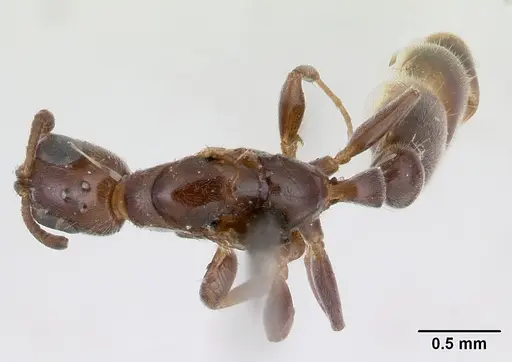
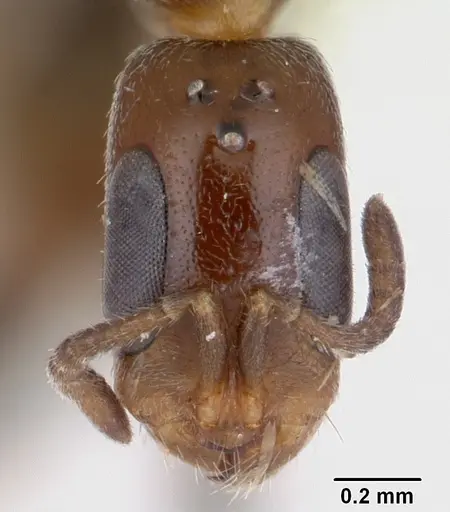
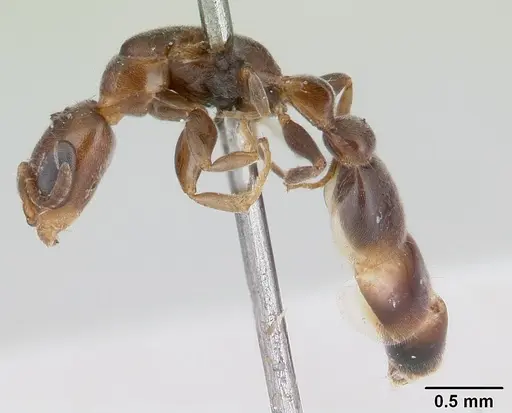
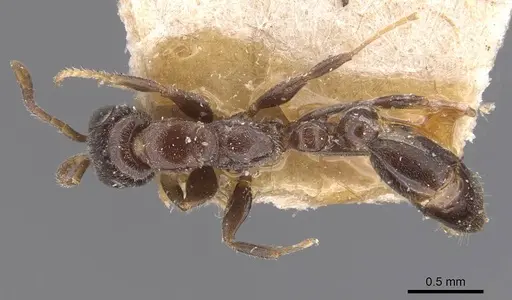
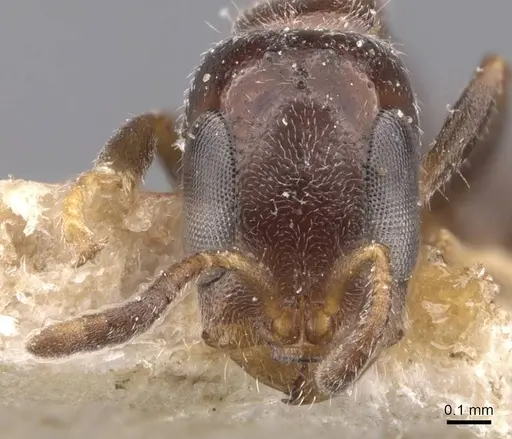
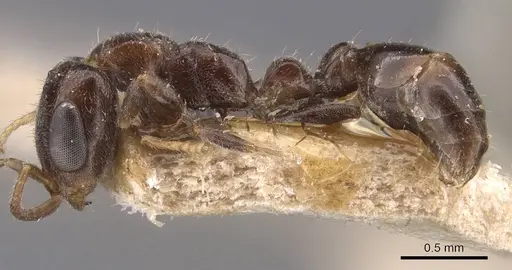
Pseudomyrmex eduardi is a tiny ant from the Neotropical region, found across Central and South America including Jamaica, Costa Rica, Panama, Colombia, Brazil, Bolivia, Ecuador, French Guiana, Paraguay, Peru, and Venezuela . They have a dark brown color with lighter mandibles and tarsi, and a smooth, shiny appearance . Total body length hasn't been documented: only head width (0.50-0.57 mm) is reported in the literature . This species nests in dead twigs and small stems, especially in mangroves (Conocarpus erectus, Avicennia germinans) and rainforests . That makes them different from soil-nesting ants - you'll need to set up their home to match their arboreal lifestyle. Most of their biology (founding, colony size, diet) is not documented, so expect to experiment with some aspects of their care.
Quick Summary
- Difficulty: Medium
- Origin & Habitat: Widespread in the Neotropics: Jamaica, Costa Rica, Panama, Colombia (Amazonas, Cauca, Cundinamarca, Magdalena, Meta), Brazil, Bolivia, Ecuador, French Guiana, Paraguay, Peru, and Venezuela [1][2][3][4]. Found nesting in dead twigs of Conocarpus erectus and Avicennia germinans in mangroves, as well as in wet forest, rain forest, and dead stems of beach trees [1].
- Colony Type: Colony structure is unconfirmed. Like other Pseudomyrmex species, colonies are likely single-queen (monogyne), but this has not been directly studied.
- Size & Growth:
- Queen: size data unavailable
- Worker: size data unavailable
- Colony: Unknown, no colony size data available
- Growth: Unknown, no development timing documented
- Development: Unknown, no direct measurements available. Based on typical small ant development at tropical temperatures, expect roughly 4-8 weeks, but this is an estimate. (No specific development data exists for this species.)
- Antkeeping:
- Temperature: Tropical species: keep at 24-28°C year-round [1]. They naturally live in warm mangroves and rainforests.
- Humidity: High humidity needed. Keep the nest substrate consistently moist but not waterlogged. Their natural habitat is consistently humid, so aim for a moist nest environment with good ventilation.
- Diapause: No, as a tropical species, they do not require hibernation. Maintain consistent warm temperatures year-round.
- Nesting: Twigs and small stems. In captivity, use small test tubes or narrow Y-tong (AAC) nests with tight chambers that mimic their natural twigs. Avoid large open spaces, they prefer snug, enclosed spaces.
- Behavior: These are small, quick ants. Like other Pseudomyrmecinae, they have a well-developed sting and can be aggressive when defending their nest, especially if disturbed. Their tiny size (head width ~0.5 mm) makes them excellent escape artists, you must use good barriers like fluon on all edges. They are arboreal and will explore vertical surfaces more than ground.
- Common Issues: escape prevention is critical, their tiny size lets them slip through gaps that larger ants can't, high humidity needs can lead to mold if ventilation is poor, lack of documented care information means you will need to experiment with many aspects of husbandry, wild-caught colonies may be stressed from collection and hard to establish, their small size makes them vulnerable to drying out quickly
Housing and Nest Setup
Pseudomyrmex eduardi needs a setup that mimics their natural twig-dwelling habitat. Use small test tubes with cotton stoppers or narrow Y-tong (AAC) nests with chambers sized for their tiny workers. The chambers should be tight and narrow, these ants don't do well in large open spaces. A small outworld connected to the nest works well for feeding. Since they are so small, apply fluon or a similar barrier on any openings to prevent escapes. The nest material should hold moisture well, small Y-tong nests with a water reservoir or plaster nests are good options. Avoid acrylic, as it can dry out too quickly. [1]
Feeding and Diet
Their exact diet hasn't been documented, but Pseudomyrmex species typically feed on honeydew, nectar, and small insects. Offer sugar water or diluted honey as a constant sugar source. For protein, provide small prey like fruit flies, pinhead crickets, or tiny mealworms. Since workers are so small, prey must be appropriately sized, anything larger than them may be ignored. Feed protein 2-3 times per week and keep sugar water available. Remove uneaten prey after 24-48 hours to prevent mold.
Temperature and Humidity
As a tropical species from mangroves and rainforests, P. eduardi needs warm, humid conditions. Keep the nest at 24-28°C [1]. A small heating cable on one side can help if your room is cooler. Humidity should stay high: the nest substrate should feel consistently moist but never waterlogged. Mist the outworld occasionally, but avoid misting the ants directly. Good ventilation is important to prevent mold, but don't place the nest in direct airflow that could dry it out quickly.
Colony Establishment
Colony founding behavior hasn't been documented for this species. Based on typical Pseudomyrmex patterns, claustral founding (the queen seals herself in a chamber and lives off stored reserves) is likely, but unconfirmed. If you get a founding queen, keep her in a small, humid test tube with a water reservoir, in darkness. Avoid disturbing her for 4-6 weeks. Once the first workers emerge, they will be very small (nanitics). Offer tiny amounts of sugar water and appropriately sized protein. Growth will likely be slow initially.
Behavior and Temperament
These ants are quick and active. Like other Pseudomyrmecinae, they have a well-developed sting and can be aggressive when defending their nest, especially if you disturb it. Their small size means they pose less of a threat to keepers than larger stinging ants, but they can still deliver a painful sting. Their main escape route is through any gap larger than about 0.5 mm, so escape prevention is absolutely essential. They are arboreal: you will see them climbing and exploring vertical surfaces rather than staying on the ground.
Frequently Asked Questions
How long does it take for Pseudomyrmex eduardi to produce first workers?
The exact egg-to-worker time is unknown. Based on typical small ant development at tropical temperatures (24-28°C), expect roughly 4-8 weeks, but this is an estimate. Your colony may develop faster or slower.
Can I keep Pseudomyrmex eduardi in a test tube?
Yes, test tubes work well for this species. Their natural habitat is dead twigs, so a small test tube with a water reservoir mimics that well. Use a narrow tube since they prefer tight spaces. Apply good escape barriers, their tiny size lets them exit through gaps that larger ants cannot.
What do Pseudomyrmex eduardi ants eat?
Like other Pseudomyrmex species, they likely feed on honeydew and small insects. Offer sugar water or diluted honey as a constant sugar source. For protein, provide tiny prey such as fruit flies, pinhead crickets, or small mealworms. Prey must be sized appropriately for their tiny workers.
Do Pseudomyrmex eduardi ants sting?
Yes, like other Pseudomyrmecinae, they have a well-developed sting and can be aggressive when defending their nest. Though small, their sting can be painful. Handle their nest carefully.
What temperature do Pseudomyrmex eduardi need?
Keep them at 24-28°C year-round. As a tropical species from mangroves and rainforests, they need consistent warmth. A small heating cable on one side of the nest can help if your room is cooler.
Do Pseudomyrmex eduardi need hibernation?
No, they do not need hibernation. As a tropical species, they require warm conditions all year. Maintain temperatures of 24-28°C continuously.
How big do Pseudomyrmex eduardi colonies get?
The maximum colony size is unknown, no scientific data exists. Based on their small worker size and twig-nesting habit, colonies are likely modest, probably under a few hundred workers.
Why are my Pseudomyrmex eduardi escaping?
Their tiny size makes them expert escape artists. Use fluon or similar barriers on all edges and openings. Check for any gap larger than about 0.5 mm. Ensure container lids fit tightly, and use cotton plugs in test tubes rather than loose lids.
Are Pseudomyrmex eduardi good for beginners?
They are rated as medium difficulty. While not the hardest species, their small size, high humidity needs, and aggressive sting make them more challenging than large, docile ants. Their care requirements are not fully documented, so expect some trial and error.
When should I move my colony to a formicarium?
Wait until the colony clearly needs more space or the test tube becomes hard to maintain. A small test tube or Y-tong nest can be sufficient for quite some time. Only move them when the current nest is overcrowded or the water reservoir dries out too quickly.
Report an Issue
The current care sheet is based fully on literature. See inconsistencies, or something that's incorrect? Please , it will be resolved after review from an admin. Contributing to the blogs tab also helps providing information, to make us be able to further improve the caresheets. Thank you for your support!
References

This caresheet is licensed under CC BY-SA 4.0 .
Community Blogs
Literature
Loading distribution map...Loading products...