
Pseudomyrmex eculeus
- Sci. Name
- Pseudomyrmex eculeus
- Tribe
- Pseudomyrmecini
- Subfamily
- Pseudomyrmecinae
- Author
- Ward, 1999
- Distribution
- Found in 1 countries
Introduction
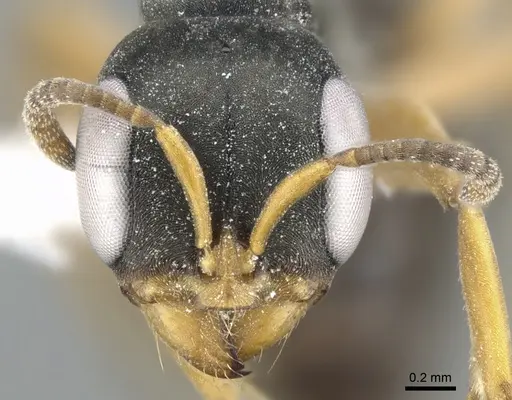
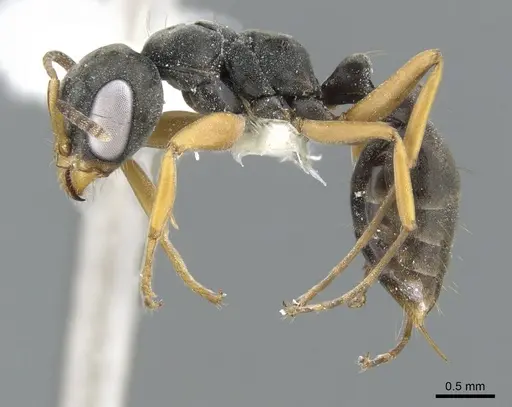
Pseudomyrmex eculeus is a medium-sized ant from the Pseudomyrmex genus, native to Ecuador and northern Peru. Workers are black or very dark blackish-brown with orange-brown appendages and frontoclypeal complex, making them visually distinctive . They have broad heads and long legs characteristic of the group. These ants are specialized inhabitants of Tachigali trees, nesting within the plant structures. They are known for their aggressive workers . Described by Ward in 1999,they are closely related to Pseudomyrmex pictus and Pseudomyrmex ferox but are smaller and darker colored .
Quick Summary
- Difficulty: Hard
- Origin & Habitat: Native to Ecuador and northern Peru, specifically recorded from Jatun Sacha (450m elevation) in Ecuador and also in Peru [1][2][3]. They are obligate inhabitants of Tachigali trees, a genus of leguminous trees, in tropical rainforest habitats.
- Colony Type: Unconfirmed, colony structure has not been directly documented. Based on related Pseudomyrmex species, likely monogyne (single queen), but this is not confirmed for Pseudomyrmex eculeus specifically.
- Size & Growth:
- Queen: 1.30mm) but no total length [1]
- Worker: Size data unavailable, only head length (1.16-1.30mm) and head width (1.13-1.25mm) reported, but total body length is not given [1]
- Colony: Unknown, no colony size data has been documented
- Growth: Moderate, estimated based on typical Pseudomyrmex patterns
- Development: 6-10 weeks (estimated based on related species in the genus) (Development timeline not directly studied for Pseudomyrmex eculeus. Estimates based on typical Pseudomyrmex development at tropical temperatures (24-28°C).)
- Antkeeping:
- Temperature: Keep at 24-28°C. Being a Neotropical species from lowland Ecuador and Peru, they prefer warm conditions. A gentle gradient allowing warmer and cooler areas is recommended [1].
- Humidity: Moderate to high humidity, keep the nest substrate consistently moist but not waterlogged. As arboreal ants from tropical forest, they benefit from moisture but need good ventilation to prevent mold. Mist the outworld occasionally and provide a water source.
- Diapause: No, being a tropical species, they do not require hibernation. Slight temperature reductions during cooler months may be acceptable if room temperature drops naturally.
- Nesting: Arboreal setup is essential. These ants naturally nest in hollow twigs and stems of Tachigali trees. Use nests that mimic this: custom wooden formicaria with narrow chambers and small diameter tunnels,3D-printed nests, or natural cork setups. Avoid large open spaces. Provide vertical structures or twigs in the outworld. Ensure secure escape prevention due to aggressive workers [1].
- Behavior: Workers are aggressive, this is a notable trait of the species. They are diurnal and active foragers, using their long legs for fast movement. They will readily defend their nest and can sting (subfamily Pseudomyrmecinae have a functional sting used for defense). Their aggressive nature makes colony maintenance challenging. Escape prevention must be good as they are medium-sized ants. Handle with caution [1].
- Common Issues: aggressive workers can make feeding and colony maintenance more challenging, use caution when opening the nest., as an arboreal species, they need appropriate nesting spaces that mimic hollow twigs, standard test tubes may not be ideal long-term., tropical humidity requirements mean mold can be an issue without proper ventilation., limited availability in the antkeeping hobby since they are rarely kept.
Housing and Nest Preferences
Pseudomyrmex eculeus is an arboreal species that naturally nests within Tachigali trees, so your setup should reflect this. These ants are adapted to living in hollow twigs and stems, so they do best in nests with narrow chambers that mimic their natural environment. Use nests made from natural materials like cork,3D-printed nests with small-diameter tunnels, or custom wooden formicaria. Avoid large, open spaces that would be unnatural for them. The outworld should include vertical structures or twigs they can explore. Since they have aggressive workers, ensure your formicarium has secure escape prevention, these ants will readily sting or bite when threatened. A test tube setup can work for founding colonies, but be prepared to move them to a more appropriate arboreal-style nest once the colony establishes [1].
Feeding and Diet
Like other Pseudomyrmex species, Pseudomyrmex eculeus is likely predatory and will accept small live prey. Their aggressive nature suggests they are active hunters in the wild. Feed them small insects like fruit flies, pinhead crickets, and small mealworms. Sugar sources such as honey water or sugar water can be offered, though some Pseudomyrmex species prefer protein over sweets. Observe your colony's preferences and adjust feeding accordingly. Feed protein prey 2-3 times per week and keep a constant sugar water source available. Remove uneaten prey after 24 hours to prevent mold issues in the humid setup they require.
Temperature and Humidity
Being a Neotropical species from Ecuador and Peru, Pseudomyrmex eculeus requires warm conditions. Maintain temperatures between 24-28°C for optimal colony health and development. Room temperature may be sufficient in warmer climates, but a heating cable on one side of the nest can help maintain the ideal range during cooler months. For humidity, keep the nest substrate consistently moist but not waterlogged. These are forest-dwelling ants, so they appreciate moisture but need good ventilation to prevent mold growth. Mist the outworld occasionally and provide a water tube for drinking. Avoid both stagnant air (causes mold) and excessive airflow (causes drying). Balance is key, damp but not waterlogged, warm but not hot [1].
Behavior and Temperament
The most notable behavioral trait of Pseudomyrmex eculeus is their aggressive workers. Unlike more docile ant species, these ants will readily defend their nest and will sting or bite if they feel threatened. This makes colony maintenance more challenging, always use caution when accessing the nest or outworld. They are diurnal, active foragers, using their long legs to quickly traverse their territory in search of prey. Their legs are long relative to their body (LHT/HL 0.82-0.88) enabling fast movement. When keeping this species, invest in good escape prevention, while not tiny ants, their determination to defend means they will try to escape when the nest is opened. Their striking coloration with dark bodies and orange-brown appendages makes them an attractive species for those who can handle their feisty temperament [1]. They possess a functional sting, typical of the Pseudomyrmecinae subfamily, used for defense.
Frequently Asked Questions
Is Pseudomyrmex eculeus good for beginners?
No, this species is not recommended for beginners. Their aggressive workers make colony maintenance challenging, and they have specific arboreal nesting requirements that differ from more common ant species. The limited availability and lack of documented care information also makes them a poor choice for those new to antkeeping.
What do Pseudomyrmex eculeus ants eat?
They are predatory ants that accept small live prey. Feed them small insects like fruit flies, pinhead crickets, and small mealworms. Sugar water or honey water can be offered as well, though protein prey should be their primary food source.
How long does it take for Pseudomyrmex eculeus to produce first workers?
The exact development timeline has not been documented for this species. Based on typical Pseudomyrmex genus patterns at tropical temperatures (24-28°C), expect approximately 6-10 weeks from egg to first worker.
Do Pseudomyrmex eculeus ants sting?
Yes, Pseudomyrmex eculeus has a functional sting. It belongs to the subfamily Pseudomyrmecinae, which are known for a well-developed sting used for defense against herbivores and predators. While not dangerous to humans, their sting can be painful. Handle with caution.
What temperature do Pseudomyrmex eculeus need?
Keep them at 24-28°C. As a Neotropical species from Ecuador and Peru, they prefer warm, stable temperatures similar to their natural tropical forest habitat [1].
Can I keep multiple Pseudomyrmex eculeus queens together?
The colony structure of Pseudomyrmex eculeus has not been documented. Based on related species in the genus, they likely form single-queen colonies. Combining unrelated queens is not recommended as it has not been studied and could result in fighting.
What type of nest is best for Pseudomyrmex eculeus?
An arboreal-style setup is best. These ants naturally nest in hollow twigs and stems of Tachigali trees. Use nests with narrow chambers that mimic their natural environment, such as 3D-printed nests with small tunnels, cork setups, or custom wooden formicaria. Avoid large open spaces [1].
Where is Pseudomyrmex eculeus found in the wild?
This species is native to the Neotropical region, specifically Ecuador and northern Peru. They are specialized inhabitants of Tachigali trees, nesting within the plant structures at elevations around 450m [1][2].
How big do Pseudomyrmex eculeus colonies get?
The maximum colony size is unknown, no colony size data has been documented for this species. Based on related species in the genus, colonies are likely moderate in size.
Why are my Pseudomyrmex eculeus dying?
Common causes include: temperatures too low (below 24°C), improper humidity (too dry or too wet without ventilation), stress from too much disturbance (their aggressive nature means they are sensitive to nest openings), or inadequate prey. Ensure you are meeting their basic requirements and minimizing unnecessary disruptions to the colony.
Report an Issue
The current care sheet is based fully on literature. See inconsistencies, or something that's incorrect? Please , it will be resolved after review from an admin. Contributing to the blogs tab also helps providing information, to make us be able to further improve the caresheets. Thank you for your support!
References

This caresheet is licensed under CC BY-SA 4.0 .
Community Blogs
CASENT0902840
View on AntWeb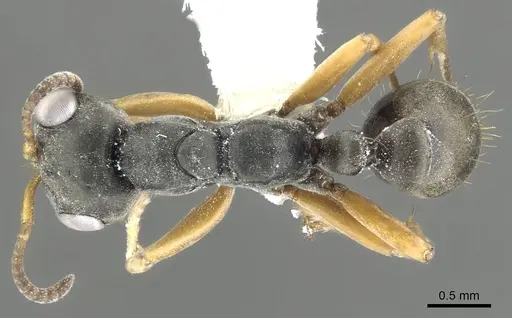
Literature
Loading distribution map...Loading products...