
Pseudomyrmex duckei
- Sci. Name
- Pseudomyrmex duckei
- Tribe
- Pseudomyrmecini
- Subfamily
- Pseudomyrmecinae
- Author
- Forel, 1906
- Distribution
- Found in 7 countries
Introduction
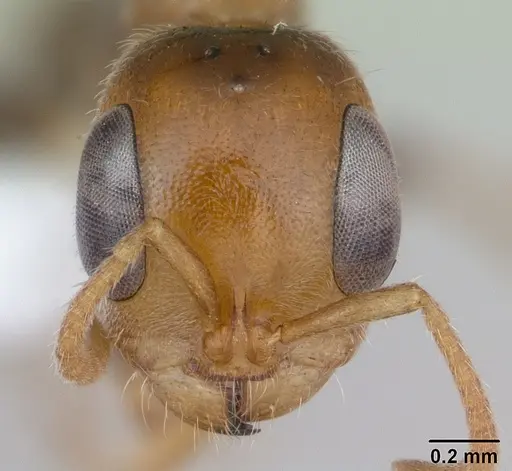
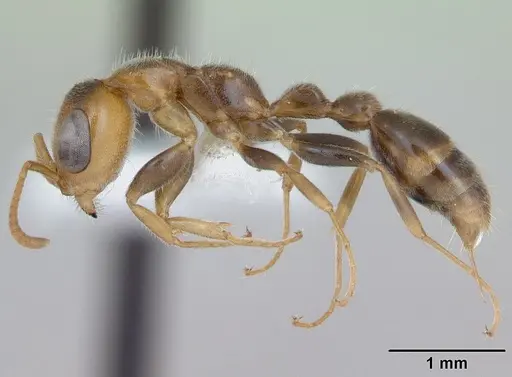
Pseudomyrmex duckei is a slender, long-legged ant native to Neotropical rainforests. Workers are estimated at 6-8mm (inferred from the Pseudomyrmex genus) and are a dark reddish-brown to black. They are considered a larger species within the genus, with a relatively wide head and a short petiole . This ant is rarely encountered and has been recorded in Brazil, Costa Rica, Ecuador, French Guiana, Guatemala , and Colombia . This arboreal species likely nests inside hollow twigs, stems, or pre-existing tree cavities, which is typical for the genus. Like other Pseudomyrmex, they are probably aggressive defenders of their nest, relying on a well-developed sting to ward off threats and hunt small invertebrates. Known from humid lowland forests, they require warm, stable conditions in captivity.
Quick Summary
- Difficulty: Hard
- Origin & Habitat: Neotropical rainforests in Brazil (including Amazonas [4] and Pará [5]), Costa Rica, Ecuador, French Guiana, Guatemala [2], and Colombia [3][1]. They inhabit humid lowland and mid-elevation forests.
- Colony Type: Unconfirmed colony structure. Most Pseudomyrmex species are single-queen (monogyne), but some can have multiple queens. Likely monogyne based on genus patterns.
- Size & Growth:
- Queen: Estimated 9-11mm, inferred from larger Pseudomyrmex species [1]
- Worker: Estimated 6-8mm, inferred from Pseudomyrmex genus [1]
- Colony: Likely several hundred workers, typical for the genus, though specific data for P. duckei is unavailable.
- Growth: Moderate, based on typical Pseudomyrmex development patterns
- Development: Estimated 6-10 weeks at warm tropical temperatures (24-28°C), inferred from related Pseudomyrmex species (Development time is unconfirmed for this species and is based on genus-level estimates.)
- Antkeeping:
- Temperature: Keep at 24-28°C (warm tropical conditions). Room temperature may be too cool, use a heating cable on one side of the nest to create a gradient
- Humidity: High humidity (70-85%) to match rainforest conditions. Keep the nest substrate consistently moist but not waterlogged. Mist regularly and provide a water source
- Diapause: Unlikely, as a tropical species, they probably do not require a diapause period. They may slow down slightly during cooler periods but maintain warmth year-round
- Nesting: Arboreal nesting, provide hollow twigs, stems, or a Y-tong (AAC) nest with narrow chambers. Cork bark setups also work. They prefer tight, narrow spaces that mimic natural cavities
- Behavior: Likely aggressive and territorial, like many Pseudomyrmex species. They have a well-developed sting and will defend their nest vigorously. Workers are active foragers, hunting small invertebrates. Escape prevention is important given their moderate size (6-8mm). They likely have good vision and may be more active during daylight. Based on subfamily/tribe (Pseudomyrmecini), their primary defense is stinging
- Common Issues: tropical rainforest species can struggle in cool, dry indoor environments, specific dietary needs unknown, may require live prey and refuse substitutes, high humidity needs (70-85%) can lead to mold if ventilation is poor, aggressive nature means stings are likely when working with the colony, rarely available in the ant trade, making acquisition difficult
Housing and Nest Setup
Being an arboreal rainforest species, P. duckei naturally nests in hollow twigs, stems, or pre-existing tree cavities. In captivity, mimic this with a Y-tong (AAC) nest that has narrow chambers, a cork bark setup, or natural hollow twigs. The chambers should be sized for workers (6-8mm) and kept tight, they dislike wide open spaces. High humidity is essential, so use a water tube or moisture-retaining substrate. Place the nest in a warm (24-28°C), draft-free area away from direct sunlight.
Feeding and Diet
Like other Pseudomyrmex, P. duckei is likely predatory. Offer small live invertebrates such as fruit flies, pinhead crickets, and mealworms. Protein should be the primary food. You can supplement with sugar water or honey water occasionally. Feed every 2-3 days and remove uneaten prey after 24 hours to prevent mold. Because the species has rarely been kept, experiment with different prey types. Fresh water must always be available.
Temperature and Humidity
This tropical species needs warm, humid conditions: 24-28°C and high humidity (70-85%). Use a heating cable on one side of the nest to create a gradient. Keep the nest substrate consistently moist without flooding. Mist the outworld regularly. A water tube with a cotton plug helps maintain constant humidity. Poor humidity can cause brood failure. Monitor condensation in test tube setups as a humidity indicator.
Behavior and Handling
Pseudomyrmex duckei is aggressive and quick to sting when disturbed, this is typical for the subfamily Pseudomyrmecinae. They have good vision and are active during the day. When working with the colony, use escape-proof barriers and disturb them as little as possible. The sting is painful for its size but not dangerous to healthy humans. They are not a beginner species. Observing their predatory hunts is a highlight of keeping them.
Colony Development
Colony growth is likely moderate. A newly mated queen probably finds a small cavity (hollow twig) and seals herself in to found the colony claustrally, this is the typical pattern for the genus. The first workers (nanitics) will be smaller than mature workers. After emergence, the colony grows steadily. A mature colony likely reaches several hundred workers. The egg-to-worker time is estimated at 6-10 weeks at 24-28°C, but this is unconfirmed. Patience is needed.
Frequently Asked Questions
Is Pseudomyrmex duckei a good species for beginners?
No, this species is not recommended for beginners. It requires high humidity and warm temperatures (24-28°C,70-85% humidity) that are challenging to maintain. Additionally, they are aggressive and deliver a painful sting. They are also rarely available in the ant trade.
What do Pseudomyrmex duckei ants eat?
They are predatory and likely accept small live invertebrates like fruit flies, small crickets, and mealworms. They may also take nectar or honey water as a sugar source. Offer protein prey 2-3 times per week and provide constant access to sugar water.
How long does it take for Pseudomyrmex duckei to produce first workers?
Based on related Pseudomyrmex species, expect 6-10 weeks from egg to first worker at optimal temperatures (24-28°C). The exact timeline for this species has not been documented.
Do Pseudomyrmex duckei ants sting?
Yes, they almost certainly sting. Pseudomyrmex species are known for their painful stings and aggressive nest defense. The sting is not dangerous to healthy humans but can be quite painful.
What temperature do Pseudomyrmex duckei ants need?
Keep them at 24-28°C. This is warmer than typical room temperature, so you may need a heating cable on one side of the nest to maintain these temperatures.
Can I keep Pseudomyrmex duckei in a test tube?
A test tube can work for founding colonies, but you must maintain high humidity. For established colonies, a Y-tong (AAC) nest or naturalistic setup with cork bark better mimics their arboreal nesting preferences.
How big do Pseudomyrmex duckei colonies get?
Based on genus patterns, colonies likely reach several hundred workers at maturity. The exact maximum size for this specific species has not been documented.
Do Pseudomyrmex duckei need hibernation?
No, as a tropical species they do not require hibernation. However, they may slow down slightly during cooler periods. Maintain warm temperatures year-round.
Where is Pseudomyrmex duckei found in the wild?
This species is native to Neotropical rainforests in Brazil (Amazonas [4] and Pará [5]), Costa Rica, Ecuador, French Guiana, Guatemala [2], and Colombia [3][1]. It is rarely encountered and considered a rainforest specialist.
Is Pseudomyrmex duckei monogyne or polygyne?
The colony structure has not been documented for this specific species. Most Pseudomyrmex species are single-queen (monogyne) colonies, but this has not been confirmed for P. duckei.
Report an Issue
The current care sheet is based fully on literature. See inconsistencies, or something that's incorrect? Please , it will be resolved after review from an admin. Contributing to the blogs tab also helps providing information, to make us be able to further improve the caresheets. Thank you for your support!
References

This caresheet is licensed under CC BY-SA 4.0 .
Community Blogs
CASENT0907533
View on AntWeb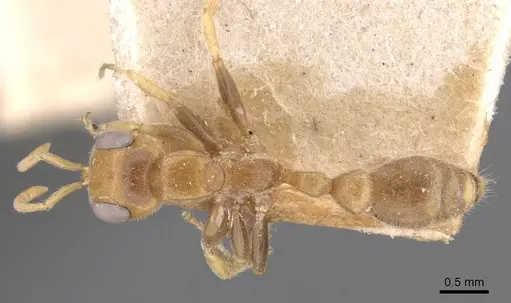
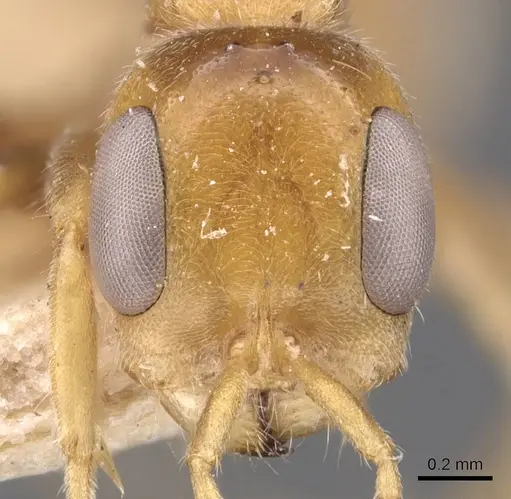
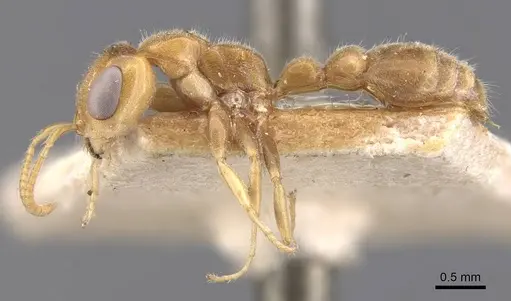
INB0003617154
View on AntWeb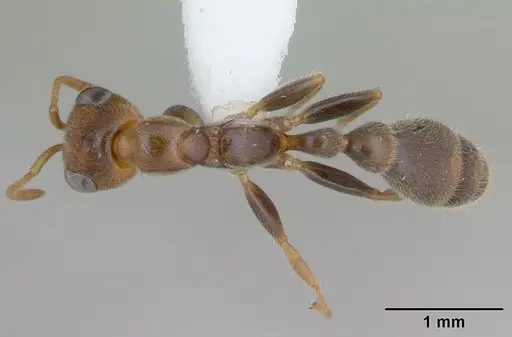
Literature
Loading distribution map...Loading products...