
Pseudomyrmex dendroicus
- Sci. Name
- Pseudomyrmex dendroicus
- Tribe
- Pseudomyrmecini
- Subfamily
- Pseudomyrmecinae
- Author
- Forel, 1904
- Distribution
- Found in 6 countries
Introduction
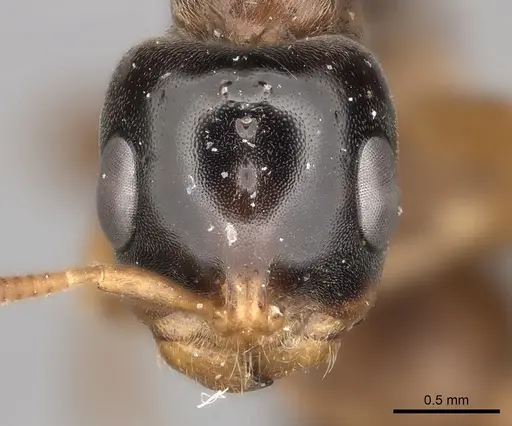
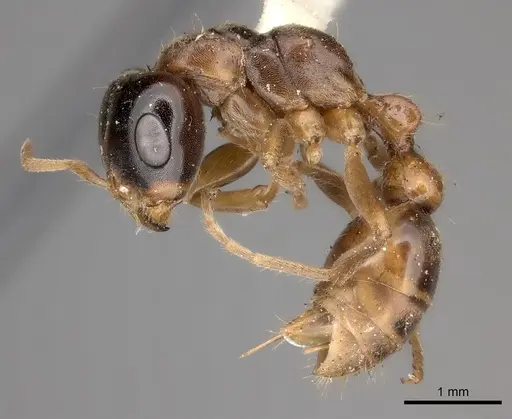
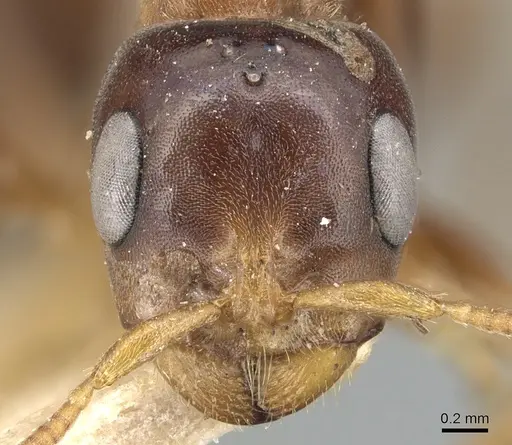
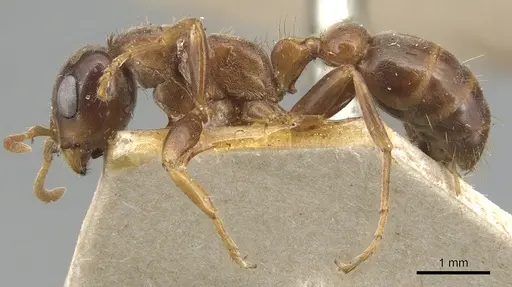
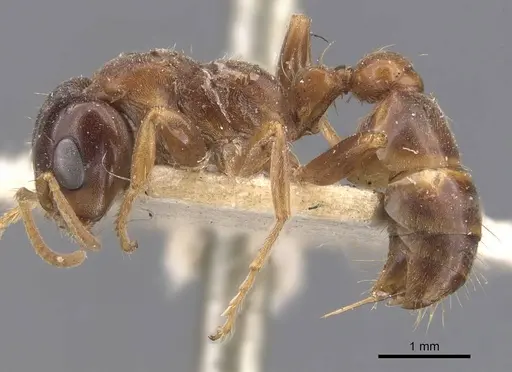
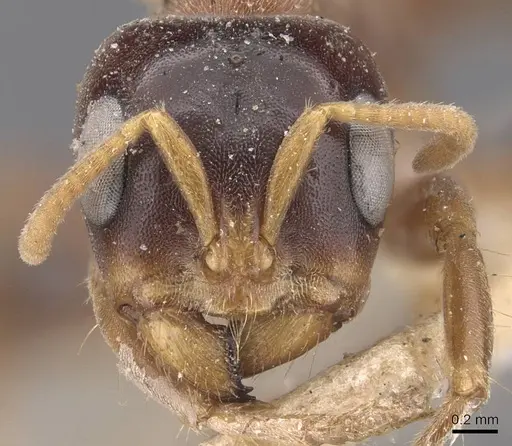
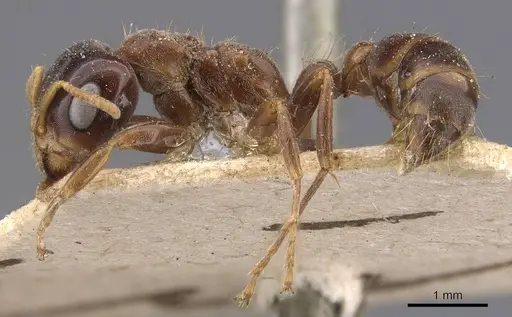
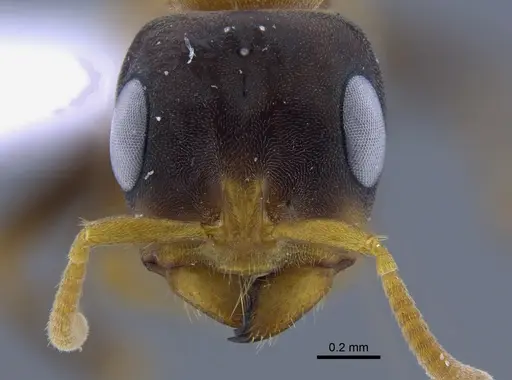
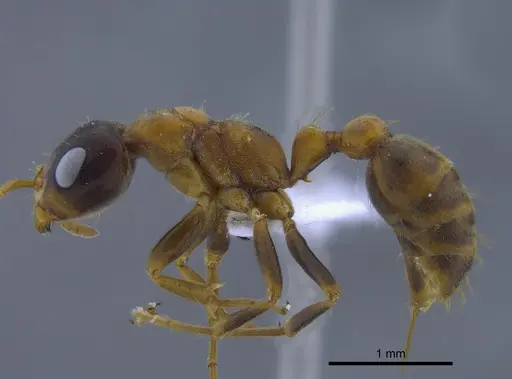
Pseudomyrmex dendroicus is a medium-sized arboreal ant from the western Amazon basin, found in Bolivia, Brazil, Colombia, Ecuador, and Peru . Workers have a distinctive two-tone color: a light to medium brown body with a dark brown to black head that contrasts sharply . They have large eyes and a functional stinger, used to aggressively defend their colony . This species is an obligate mutualist with trees in the genus Triplaris (Polygonaceae) - it nests inside the hollow stems of these trees and patrols them constantly, attacking any intruders .
Quick Summary
- Difficulty: Medium
- Origin & Habitat: Western Amazon basin, tropical rainforests of Bolivia, Brazil, Colombia, Ecuador, and Peru. They are obligate inhabitants of Triplaris trees, nesting inside hollow stems of species like Triplaris americana [1][4][2].
- Colony Type: Colony structure is not well documented. Workers can travel over five meters and establish new colonies in other host plants without a queen present, suggesting flexible colony organization including queenless fragments [4]. It is unknown if colonies are monogyne (single queen) or polygyne (multiple queens).
- Size & Growth:
- Queen: Total body length is unknown. Head width is 1.72-2.01mm, head length 1.82-2.12mm [1]. Queens are significantly larger than the similar Pseudomyrmex triplarinus. Body length inferred from genus ~6-8mm.
- Worker: Total body length is unknown. Head width 1.07-1.51mm, head length 1.09-1.55mm [1]. Body length inferred from genus ~4-6mm.
- Colony: Colony size is not documented. Based on typical Pseudomyrmex mutualists, likely up to several hundred workers.
- Growth: Growth rate is unconfirmed. As a tropical species, likely moderate to fast at warm temperatures.
- Development: Estimated 4-8 weeks at optimal temperature (~26°C), inferred from typical Pseudomyrmex patterns. (Direct measurements not available. Tropical arboreal ants generally develop faster than temperate species.)
- Antkeeping:
- Temperature: Keep at 24-28°C. As a tropical Amazon species, they need stable warmth. A gentle temperature gradient allows workers to choose their preferred spot.
- Humidity: High humidity is essential, think tropical rainforest. Keep the nest substrate consistently moist but not waterlogged. Provide a water tube and mist the outworld regularly. They are adapted to the humid interior of living plant stems.
- Diapause: No diapause required. As a tropical species from the Amazon basin, they do not experience cold winters and remain active year-round with proper heating.
- Nesting: These ants naturally nest inside hollow Triplaris stems. In captivity, use a vertical nest that mimics a plant stem: cork bark, Y-tong (AAC) with narrow chambers, or a naturalistic setup with cork bark pieces. They need climbing structures in the outworld since they live in trees.
- Behavior: Pseudomyrmex dendroicus is highly aggressive and territorial. Workers prune vegetation around their host tree, clearing an area at the base to reduce invasion by dominant ants like Crematogaster [1]. They will sting intruders and defend the nest vigorously. Workers forage actively and can travel over five meters from the nest to patrol [4]. Escape prevention is critical, they are active, agile climbers with good vision. This species is not for beginners due to its aggression and specific needs.
- Common Issues: escape prevention is critical, they are active and agile, and will exploit any gap in the enclosure, they need live prey and will not readily accept dead insects, their predatory nature requires hunting opportunities, high humidity is essential, dry conditions quickly stress this tropical species, they are aggressive defenders with functional stingers, handling requires caution, they are strictly arboreal and need vertical space and climbing structures to thrive
The Ant-Plant Mutualism
Pseudomyrmex dendroicus is an obligate mutualist with Triplaris trees, it cannot survive without its host plant. The ants live inside the hollow stems of Triplaris americana and other Triplaris species, where they have exclusive access to domatia (specialized hollow structures produced by the plant) [1][4]. In return, the ants provide fierce protection against herbivores and competing insects. Workers aggressively patrol the tree, attacking any herbivore or rival ant that approaches. This is one of the most developed ant-plant mutualisms in the Americas. In captivity, provide cork bark or artificial structures that mimic hollow stems to help them feel secure.
Pruning Behavior and Territory Defense
A notable behavior of P. dendroicus is active vegetation pruning. Workers systematically cut back plants around the base of their host tree, creating a cleared area that prevents competing ants from climbing up [1]. Research shows this pruning significantly reduces invasion by dominant generalist ants like Crematogaster [1]. In captivity, you may see workers trying to cut any plants or materials near their nest. They are intensely territorial and will attack any intruder that comes near the colony. This makes them excellent display ants but requires careful handling.
Feeding and Nutrition
In the wild, these ants are generalist predators and also tend scale insects (coccids) on their host plant for honeydew. Workers forage extensively, traveling several meters from the nest to hunt and collect honeydew [4]. They have large eyes and are active hunters. In captivity, offer small live prey like fruit flies, pinhead crickets, and other tiny insects. They prefer live, moving prey and are unlikely to accept dead insects. Sugar sources like honey water can be offered occasionally, but protein-rich live prey should be the primary food. They may tend coccids if you keep them in a naturalistic setup with a suitable host plant.
Housing and Nest Design
As arboreal ants, P. dendroicus needs vertical space and climbing opportunities. They naturally live inside plant stems, so a setup that mimics this works best. Use a cork bark nest or a vertical formicarium with narrow chambers. The outworld should have plenty of climbing structures, branches, cork bark pieces, or artificial plants. They need humidity, so a nest that holds moisture well (like Y-tong/AAC or a moist plaster setup) is better than dry acrylic. Keep the nest humid and the outworld with a water tube. These ants are excellent climbers, so escape prevention must be excellent, use fluon on all edges and ensure lids fit tightly.
Temperature and Seasonal Care
Being from the Amazon basin, these ants need warm, stable temperatures year-round. Keep the nest area at 24-28°C with minimal fluctuation. Room temperature may be too cold, consider using a heating cable or mat on one side of the nest to maintain warmth. They do not hibernate or enter diapause. In the wild, they experience consistent tropical conditions with high humidity. A temperature gradient allows workers to choose their preferred warmth. If workers seem sluggish, increase temperature slightly. Cold stress can quickly kill these tropical ants.
Frequently Asked Questions
Is Pseudomyrmex dendroicus good for beginners?
No, this species is not recommended for beginners. They are aggressive defenders with functional stingers, require high humidity and warm temperatures year-round, need live prey rather than prepared foods, and have specific housing needs. They are best for experienced antkeepers who can provide consistent tropical conditions.
Can I keep Pseudomyrmex dendroicus in a test tube?
Test tubes are not ideal for this species. They are arboreal ants adapted to living inside plant stems, not ground-nesting. A vertical nest like cork bark, Y-tong (AAC), or a naturalistic setup with climbing structures is much more appropriate.
How long does it take for Pseudomyrmex dendroicus to produce first workers?
The exact development timeline is unconfirmed for this species. Based on typical Pseudomyrmex patterns in tropical conditions, expect approximately 4-8 weeks from egg to worker at optimal temperature (around 26°C). Queens are large (head width 1.72-2.01mm), which may support robust founding [1].
Do Pseudomyrmex dendroicus ants sting?
Yes, they have functional stingers and are known to be aggressive defenders. They will sting if threatened or if their nest is disturbed. Their sting is reportedly painful. Handle with caution and respect their defensive behavior.
What do Pseudomyrmex dendroicus eat?
They are predatory ants that need live prey. Offer small live insects like fruit flies, pinhead crickets, and other tiny arthropods. They are unlikely to accept dead prey. They may occasionally accept sugar water, but live protein should be the primary food. In a naturalistic setup, they may also tend scale insects for honeydew [4].
Can I keep multiple queens together?
The colony structure of this species is not well documented. While some Pseudomyrmex can be polygynous, combining unrelated queens is not recommended. The safest approach is to keep a single queen per colony.
Do Pseudomyrmex dendroicus need hibernation?
No, they do not hibernate. As a tropical species from the Amazon basin, they need warm temperatures year-round. They are active throughout the year and will become stressed or die if exposed to cold.
How big do Pseudomyrmex dendroicus colonies get?
Exact colony sizes are not documented. Based on typical Pseudomyrmex mutualists, colonies likely reach up to several hundred workers. They can spread horizontally between multiple Triplaris plants, with workers traveling over five meters to establish new colonies [4].
Why are my Pseudomyrmex dendroicus dying?
Common causes include cold stress (keep above 24°C), low humidity (they need humid conditions), lack of live prey, and stress from disturbance. They are sensitive to environmental changes. Check temperature, humidity, and food first.
When should I move Pseudomyrmex dendroicus to a formicarium?
Move them when the founding setup becomes too small. For arboreal ants, use a vertical formicarium or cork bark nest rather than horizontal nests. Wait until the colony has at least 20-30 workers and the founding chamber is crowded. Always have the new setup ready with proper humidity before transferring.
Report an Issue
The current care sheet is based fully on literature. See inconsistencies, or something that's incorrect? Please , it will be resolved after review from an admin. Contributing to the blogs tab also helps providing information, to make us be able to further improve the caresheets. Thank you for your support!
References

This caresheet is licensed under CC BY-SA 4.0 .
Community Blogs
CASENT0217576
View on AntWeb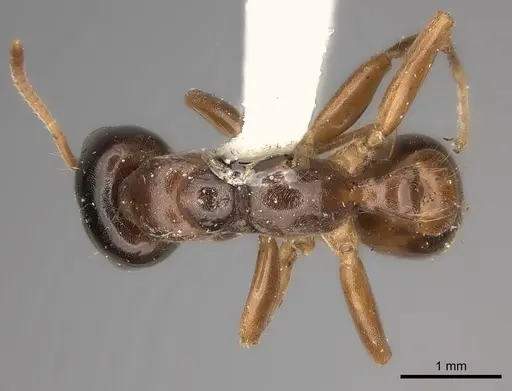
CASENT0904052
View on AntWeb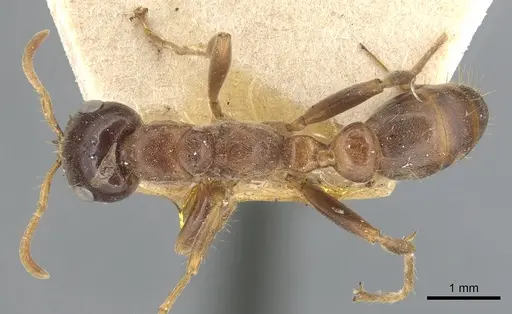
CASENT0907526
View on AntWeb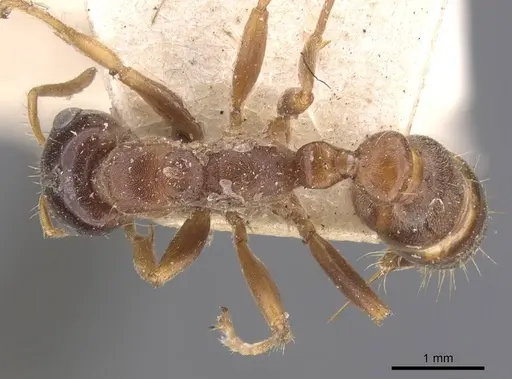
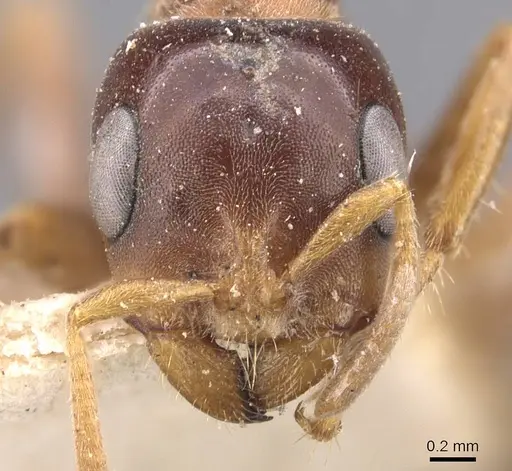
CASENT0907527
View on AntWeb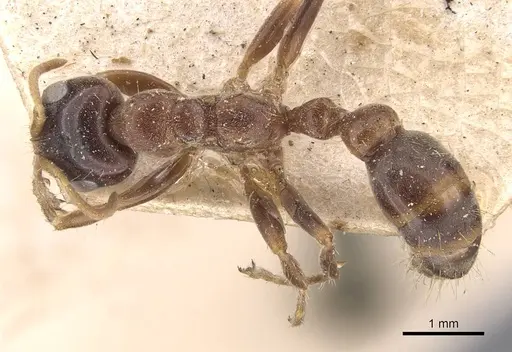
CBUMAGENT41759
View on AntWeb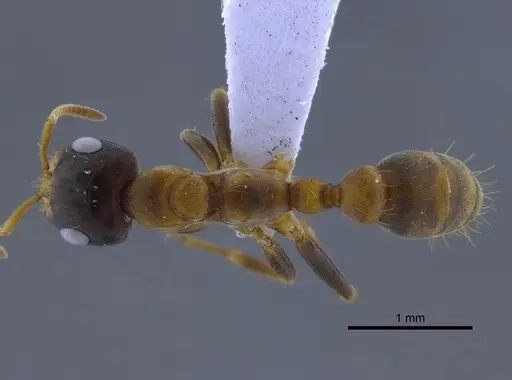
Literature
Loading distribution map...Loading products...