
Pseudomyrmex curacaensis
- Sci. Name
- Pseudomyrmex curacaensis
- Tribe
- Pseudomyrmecini
- Subfamily
- Pseudomyrmecinae
- Author
- Forel, 1912
- Distribution
- Found in 13 countries
Introduction
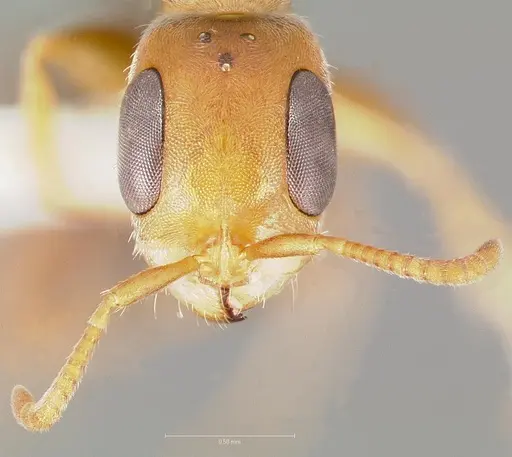
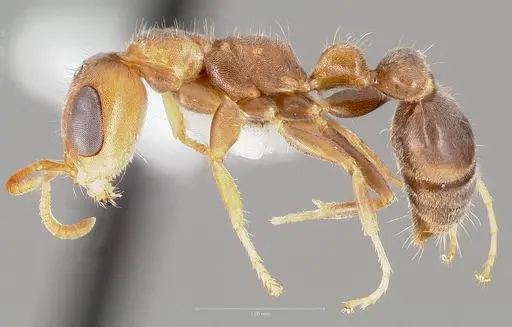
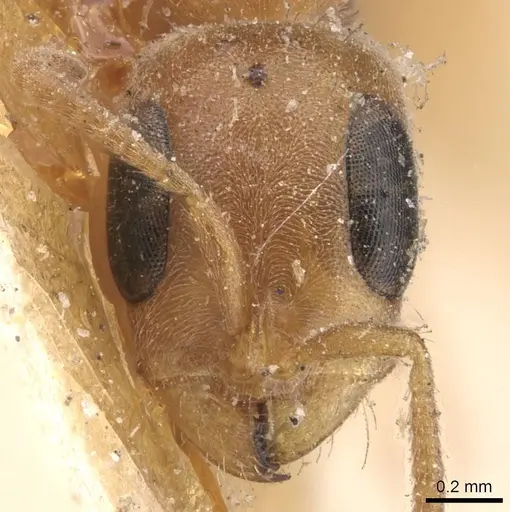
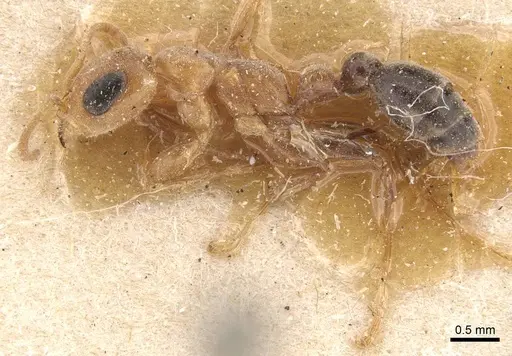
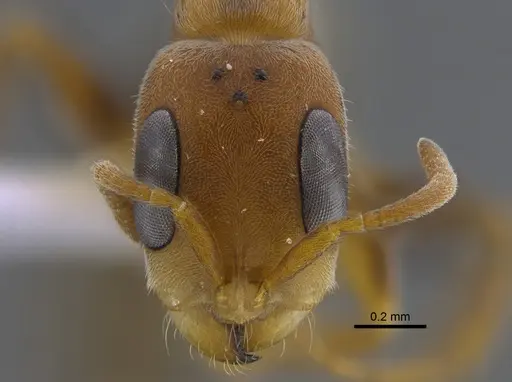
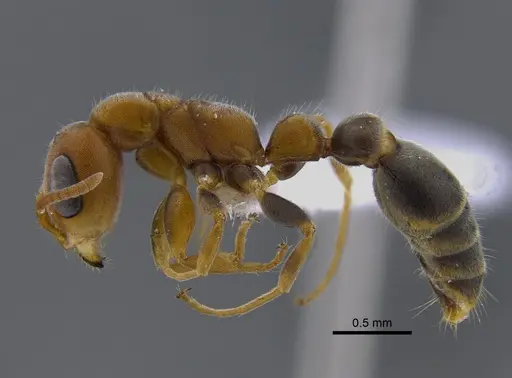
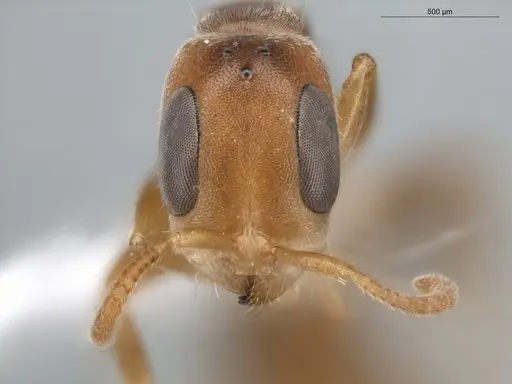
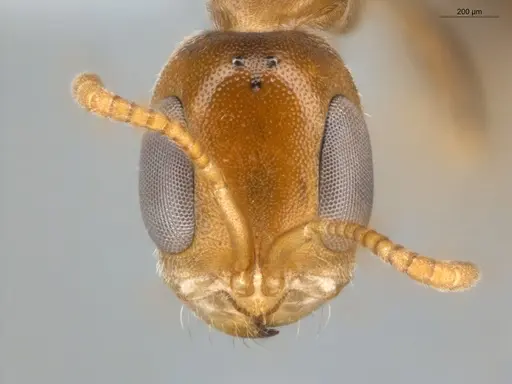
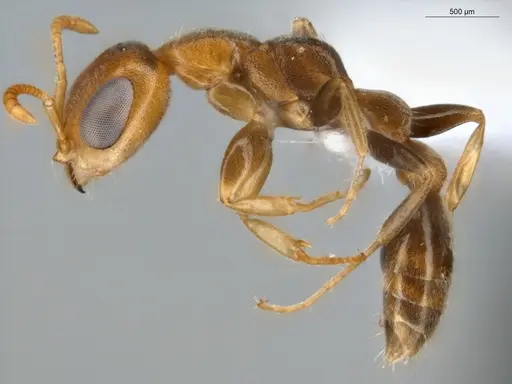
Pseudomyrmex curacaensis is an arboreal ant found throughout the Neotropical region, from Panama down to Bolivia and Brazil. Workers are relatively large for the genus, with a dark brown body, lighter appendages, and a characteristic dark patch around the ocelli on the head. Their most notable feature is the sharply marginated petiole, which appears wide from above because the maximum width aligns with the lateral margins . These ants nest in dead twigs and branches of various trees, inhabiting diverse environments from tropical thorn forest to primary rainforests .
Quick Summary
- Difficulty: Medium
- Origin & Habitat: Neotropical region across Colombia, Brazil, Peru, Bolivia, Panama, Venezuela, Guyana, French Guiana, Trinidad, and several Caribbean islands. Found in tropical thorn forest, roadside vegetation, primary and secondary rainforest, and Brazilian cerrado savanna. Nests in dead twigs and branches of trees like Prosopis juliflora, Gliricidia sepium, and Triplaris species, often at elevated heights [1][3][4].
- Colony Type: Colony structure is not well-documented. Likely single-queen colonies based on related Pseudomyrmex species, but this is unconfirmed. They are arboreal nesters in dead wood.
- Size & Growth:
- Queen: Unknown, no direct measurements. Estimated ~7-9mm based on related Pseudomyrmex species.
- Worker: No total length (TL) data available. Head measurements indicate relatively large size for the genus [2]. Estimated body length ~5-7mm based on related species.
- Colony: Unknown, no published data. Estimated moderate-sized colonies (up to several hundred workers) based on related species.
- Growth: Moderate (estimated)
- Development: Estimated 6-10 weeks at 25-28°C based on genus patterns, no direct data. (Direct development data unavailable. Tropical species typically develop faster than temperate ones.)
- Antkeeping:
- Temperature: 24-28°C. As a Neotropical lowland species, they need warm, stable conditions year-round. Avoid drops below 22°C [1][5].
- Humidity: Moderate to high. Keep nest substrate damp but not waterlogged. Mist the outworld regularly and provide a water source. They are arboreal and need moisture but good drainage.
- Diapause: No, as a tropical species, they do not require hibernation. Maintain consistent warm temperatures year-round.
- Nesting: Arboreal twig-nesters. Provide dead twigs/branches or a Y-tong (AAC) or plaster nest with narrow chambers scaled to their size. Enclosed, dark spaces mimic natural nesting. A vertical outworld with climbing structures is essential.
- Behavior: Not aggressive toward keepers but will defend their nest if threatened, using a well-developed sting. Workers are active, fast-moving, and alert foragers. They hunt small arthropods and tend honeydew-producing insects. Escape risk is moderate, they are agile climbers but standard barriers work well.
- Common Issues: tropical temperature requirements mean colonies can struggle in air-conditioned rooms or cool climates, maintain consistent warmth., arboreal nature means they need vertical space and climbing structures, horizontal-only setups are suboptimal., small colony sizes at acquisition can make them appear inactive, they become more visible as colonies grow., dry conditions cause stress and colony decline, monitor nest moisture carefully., wild-caught colonies may arrive with parasites or in poor condition, quarantine and observe.
Natural History and Distribution
Pseudomyrmex curacaensis is one of the more common members of the P. oculatus group, yet it was unrecognized for decades after its original description, with specimens frequently misidentified as P. oculatus. It differs in petiole shape and head sculpture [1]. The species has been recorded across a broad range from Panama through northern South America to Bolivia and Brazil, including Colombia, Venezuela, Guyana, French Guiana, Peru, and Caribbean islands like Trinidad, St. Vincent, Guadeloupe, and Curacao [4][6]. They occupy habitats from tropical thorn forest and roadside vegetation to primary and secondary rainforest, and have been documented in Brazilian cerrado savanna on Caryocar brasiliense trees, albeit only on medium-sized reproductive individuals [7].
Nest Preferences and Housing
In the wild, Pseudomyrmex curacaensis nests exclusively in dead twigs and branches hanging in vegetation, typically at elevated heights, one nest was found in a rotten twig at 1.8 meters above ground [3]. They use a variety of host trees including Prosopis juliflora, Gliricidia sepium, Triplaris, Pilosocereus, and unidentified bombacaceous and leguminous trees [1]. For captive care, recreate these conditions: use a Y-tong (AAC) or plaster nest with narrow chambers that stay dark and enclosed, mimicking a dead twig interior. Provide a vertically-oriented outworld with climbing structures like branches, cork, or artificial plants. Test tubes work for founding queens but should be replaced with a proper formicarium once the colony has around 20 workers. Ensure the nest material holds moisture without becoming waterlogged, these ants prefer humid conditions but not saturation [1][8].
Feeding and Diet
Like other Pseudomyrmex species, P. curacaensis is predatory and hunts small arthropods in addition to tending honeydew-producing insects. In captivity, offer small live insects like fruit flies, pinhead crickets, and small mealworms. Sugar sources are also important, they readily consume honey water or sugar water, confirmed by their attraction to carbohydrate baits in the wild [9]. Feed protein 2-3 times per week and provide constant access to sugar water. Place food in elevated positions in the outworld, as these arboreal foragers prefer to feed off the ground. Remove uneaten prey after 24-48 hours to prevent mold.
Temperature and Seasonal Care
As a Neotropical species, Pseudomyrmex curacaensis requires warm temperatures year-round. Maintain nest temperatures between 24-28°C, avoiding drops below 22°C. They are found in lowland tropical environments and have been recorded at elevations up to 980m in Colombia, but always in warm microclimates [5]. Unlike temperate ants, they do not require hibernation or diapause, keeping consistent tropical conditions is essential for colony health. In cooler climates, use a heating cable or mat on one side of the nest to create a gradient, but avoid direct heat that could dry out the nest. Room temperature in heated homes is often suitable, but monitor with a thermometer. Cold stress weakens colonies and can halt brood development.
Behavior and Colony Dynamics
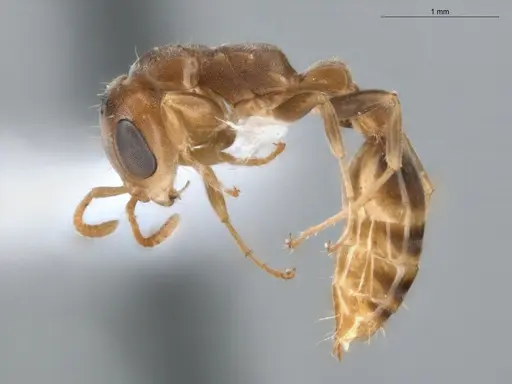
Pseudomyrmex curacaensis workers are active, alert, and fast-moving, typical of the genus. They are not particularly aggressive toward keepers but will defend their nest vigorously if threatened, using a well-developed sting. The species shows considerable color variation: typical workers are medium to dark brown with lighter appendages and a dark patch around the ocelli, while populations from northern Colombia and Curacao are lighter orange-brown with contrasting dark brown hind femurs, postpetiole, and gaster [2]. Colonies grow moderately, founding queens raise their first workers alone, then the colony expands gradually. As an arboreal species, they are excellent climbers and will explore vertical space extensively. Provide enrichment in the outworld to encourage natural foraging behaviors.
Frequently Asked Questions
How long does it take for Pseudomyrmex curacaensis to produce first workers?
Direct data is unavailable, but based on typical Pseudomyrmecinae development at tropical temperatures (25-28°C), expect 6-10 weeks from egg to first worker. Patience is key during the founding stage.
What size colony does Pseudomyrmex curacaensis reach?
Colony size is not well-documented, but based on related species, expect moderate-sized colonies of up to several hundred workers. They can become impressive colonies over 2-3 years with good care.
Do Pseudomyrmex curacaensis ants sting?
Yes, they have a well-developed sting and will use it to defend their nest. However, they are not aggressive toward keepers unless provoked. The sting is not medically significant for most people.
Can I keep Pseudomyrmex curacaensis in a test tube?
Test tubes work for founding colonies, but these arboreal twig-nesters prefer enclosed nests with some vertical space. Move to a Y-tong or plaster formicarium once the colony has around 20 workers to allow for proper development and expansion.
What temperature do Pseudomyrmex curacaensis need?
Keep them warm at 24-28°C. As a Neotropical species, they need tropical conditions year-round. Avoid temperatures below 22°C. A heating cable on one side of the nest creates a beneficial gradient.
Are Pseudomyrmex curacaensis good for beginners?
This species is rated Medium difficulty. They require warm, humid conditions and specific arboreal housing, which makes them better suited for keepers with some experience. Beginners may struggle with temperature requirements, but they are not overly aggressive and have straightforward dietary needs.
Do Pseudomyrmex curacaensis need hibernation?
No, they do not require hibernation. As a tropical species, maintain consistent warm temperatures year-round. Attempting to cool them for winter can be harmful.
What do Pseudomyrmex curacaensis eat?
They are predatory and accept small live insects like fruit flies, pinhead crickets, and small mealworms. They also consume sugar sources, honey water or sugar water should be available at all times. This matches their natural diet of small arthropods and honeydew [9].
Why is my Pseudomyrmex curacaensis colony declining?
Common causes include: temperatures too cool (below 22°C), low humidity, dry nesting material, or poor initial colony health. Wild-caught colonies may arrive with parasites. Ensure warm, humid conditions and provide varied nutrition. Check for mold or mites.
When should I move my colony to a formicarium?
Move from a test tube to a proper nest (Y-tong, plaster, or naturalistic) when the colony has around 20 workers or when the test tube seems cramped. Arboreal ants appreciate vertical space and climbing structures. Make the transition gradually by connecting the test tube to the new nest.
Report an Issue
The current care sheet is based fully on literature. See inconsistencies, or something that's incorrect? Please , it will be resolved after review from an admin. Contributing to the blogs tab also helps providing information, to make us be able to further improve the caresheets. Thank you for your support!
References

This caresheet is licensed under CC BY-SA 4.0 .
Community Blogs
CASENT0005872
View on AntWeb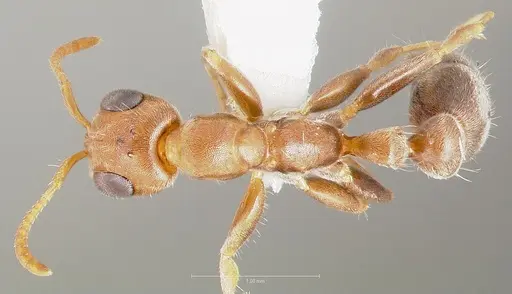
CASENT0907531
View on AntWeb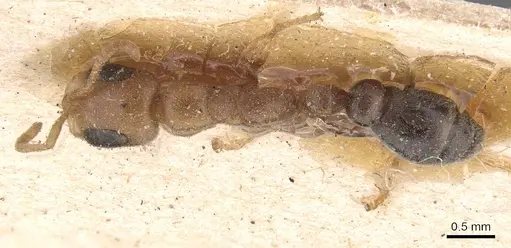
CBUMAGENT41804
View on AntWeb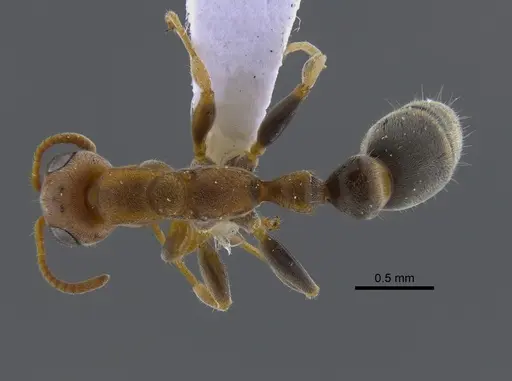
ECOFOG-BUG-0061-08
View on AntWeb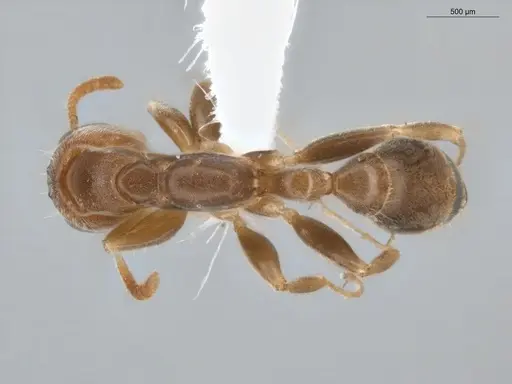
ECOFOG-GAL18-0027-05
View on AntWeb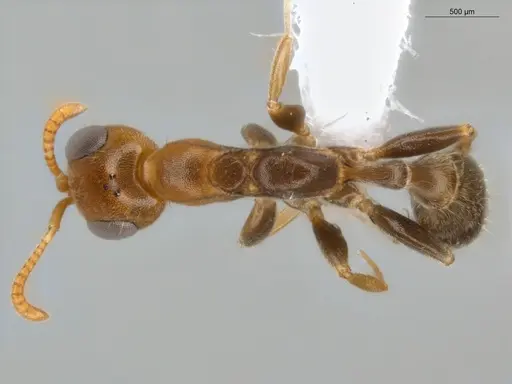
Literature
Loading distribution map...Loading products...