
Pseudomyrmex atripes
- Sci. Name
- Pseudomyrmex atripes
- Tribe
- Pseudomyrmecini
- Subfamily
- Pseudomyrmecinae
- Author
- Smith, 1860
- Distribution
- Found in 7 countries
Introduction
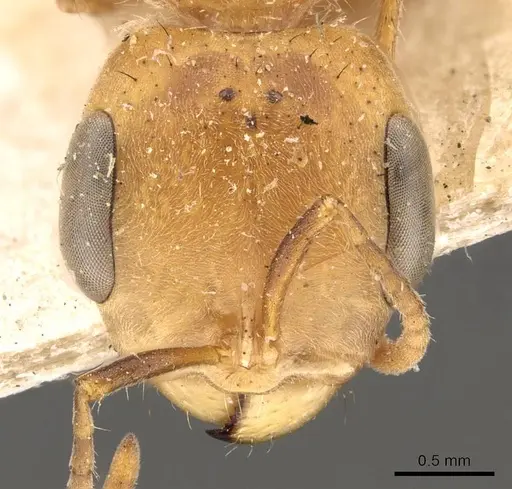
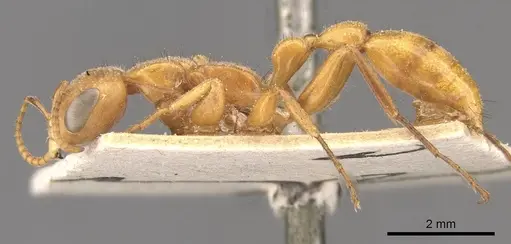
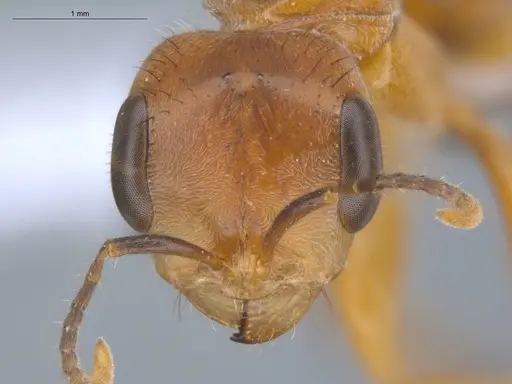
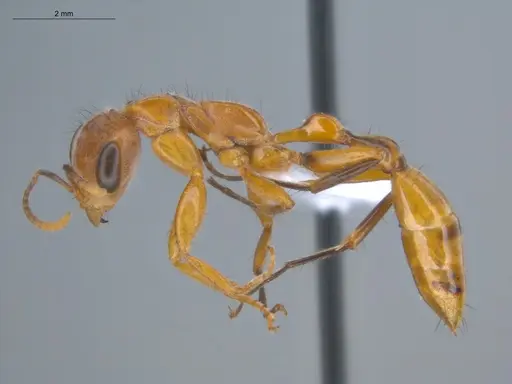
Pseudomyrmex atripes is a slender, elongated ant native to the Neotropical region, found across Bolivia, Brazil, Colombia, Ecuador, and French Guiana . Workers have an orange-brown body with a densely pubescent, subopaque head that gives a velvety appearance . The species was originally described from Brazil in 1860 and is one of many arboreal Pseudomyrmex ants, but specific biological details are scarce.
Quick Summary
- Difficulty: Medium
- Origin & Habitat: Neotropical lowland forests from Bolivia, Brazil, Colombia, Ecuador, and French Guiana [1]. In Colombia recorded from Chocó, Cundinamarca, and Magdalena [4][2].
- Colony Type: No published data on colony structure.
- Size & Growth:
- Queen: unknown, not documented.
- Worker: unknown, not documented.
- Colony: unknown, not documented.
- Growth: Unknown, not documented.
- Development: Not documented. (Development times for this species have never been studied.)
- Antkeeping:
- Temperature: As a tropical species likely needs warm conditions (around 24-28°C), but no specific data are available.
- Humidity: Presumably moderate to high, typical of arboreal tropical ants. Keep nesting material slightly moist but not waterlogged.
- Diapause: No, tropical species does not require hibernation.
- Nesting: Presumed arboreal, nesting in hollow twigs or stems. In captivity a Y-tong or plaster nest with narrow chambers may be suitable, but lack of research means preferences are unknown.
- Behavior: Members of the subfamily Pseudomyrmecinae have a well-developed sting used for defense. These ants are alert, fast-moving, and likely defensive of their nest. Their small size and agility make escape prevention important.
- Common Issues: no published care data means keepers must experiment cautiously., tropical species sensitive to cold, maintain warmth year-round., small size requires excellent escape-proofing., arboreal nature may need vertical climbing structures., wild-caught colonies may carry mites or other parasites.
Nest Preferences and Housing
No specific nesting sites have been recorded for Pseudomyrmex atripes, but most Pseudomyrmex are arboreal and nest in hollow twigs, stems, or under bark. In captivity, a Y-tong (AAC) or plaster formicarium with narrow chambers can mimic these conditions. Provide a water source and climbing structures like twigs or cork bark. Avoid soil-based setups.
Feeding and Diet
The natural diet of Pseudomyrmex atripes is unknown. Like related species, it probably feeds on nectar, honeydew, and small arthropods. Offer sugar water or honey as a constant carbohydrate source, and provide small insects such as fruit flies or cricket pieces 2-3 times per week. Remove uneaten prey after 24 hours.
Temperature and Seasonal Care
As a tropical species, Pseudomyrmex atripes likely needs warm conditions year-round. A temperature of 24-28°C is a reasonable starting point, but no specific data exist. Use a heating cable to create a gradient. Avoid prolonged temperatures below 22°C. No hibernation is needed.
Behavior and Temperament
Pseudomyrmex atripes belongs to a subfamily known for using a sting as a primary defense. They are alert, fast-moving, and may bite or sting if disturbed. Their small body size and climbing ability make escape prevention critical. Use tight-fitting lids and fluon barriers.
Acquiring and Establishing a Colony
This species is rare in the hobby, so acquisition may require contacting collectors in its native range. Because wild-caught colonies are common, watch for parasites such as mites. No information exists on founding behavior, so assume the queen is claustral (seals herself in a chamber) until proven otherwise. Keep the founding setup dark and undisturbed.
Frequently Asked Questions
How long does it take for Pseudomyrmex atripes to produce first workers?
Unknown. No development data have been published.
Can I keep Pseudomyrmex atripes in a test tube setup?
Test tubes are a standard starting point for most ants and should work, but no specific information exists for this species. Ensure tight sealing to prevent escapes.
Do Pseudomyrmex atripes ants sting?
As a member of Pseudomyrmecinae, it likely possesses a functional sting, but its effect on humans is undocumented. They may bite defensively.
What temperature do Pseudomyrmex atripes need?
No specific data exist, but based on its tropical origin, aim for 24-28°C and avoid prolonged cool temperatures below 22°C.
Are Pseudomyrmex atripes good for beginners?
Rated Medium difficulty. The lack of species‑specific care information means some experience is advisable. Their small size and escape ability require attention.
How big do Pseudomyrmex atripes colonies get?
Unknown. No colony size estimates have been recorded.
What do Pseudomyrmex atripes eat?
No dietary records exist. Offer sugar water and small insects (fruit flies, cricket pieces) as a safe bet, but observe what your colony accepts.
Do Pseudomyrmex atripes need hibernation?
No. As tropical ants, they stay active all year. Keep temperatures stable and warm.
When should I move my colony to a formicarium?
No species‑specific advice exists. If using a test tube, move once the tube is cramped or the colony has ~20 workers. A vertical formicarium with narrow chambers is a safe guess.
Why are my Pseudomyrmex atripes dying?
Potential causes: temperatures too low, insufficient humidity, escapes, parasites from wild colonies, or mold. Since no specific research exists, check these common issues first.
Report an Issue
The current care sheet is based fully on literature. See inconsistencies, or something that's incorrect? Please , it will be resolved after review from an admin. Contributing to the blogs tab also helps providing information, to make us be able to further improve the caresheets. Thank you for your support!
References

This caresheet is licensed under CC BY-SA 4.0 .
Community Blogs
CASENT0005833
View on AntWeb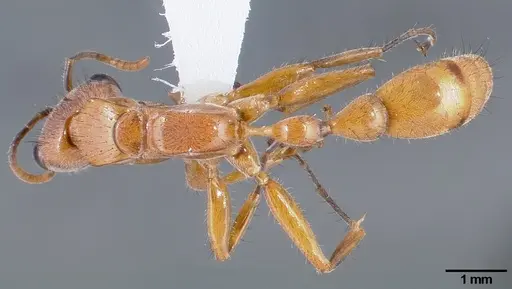
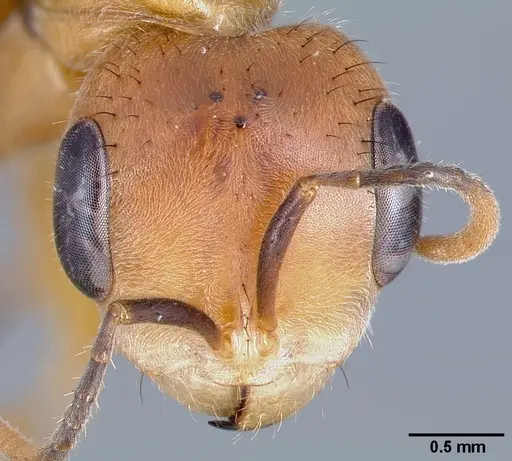
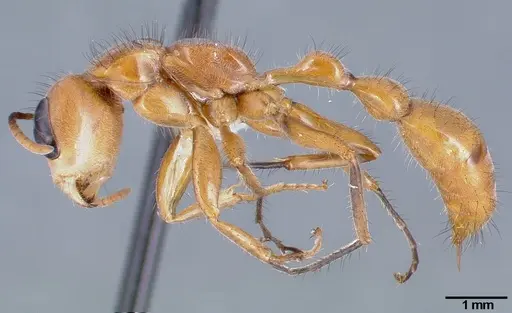
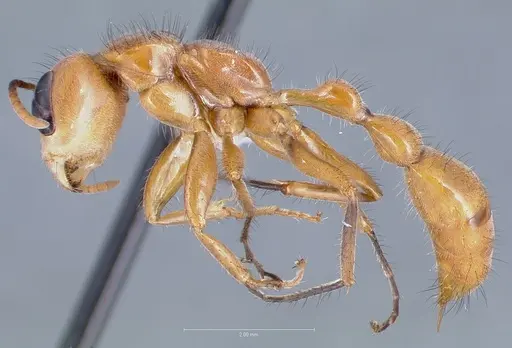
CASENT0902847
View on AntWeb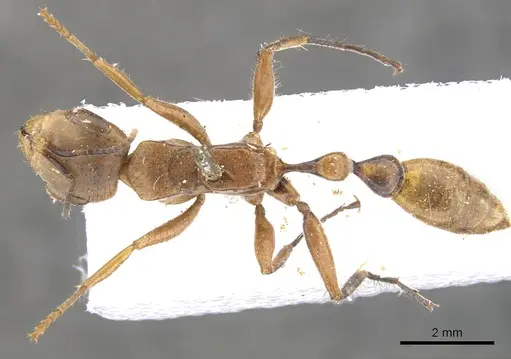
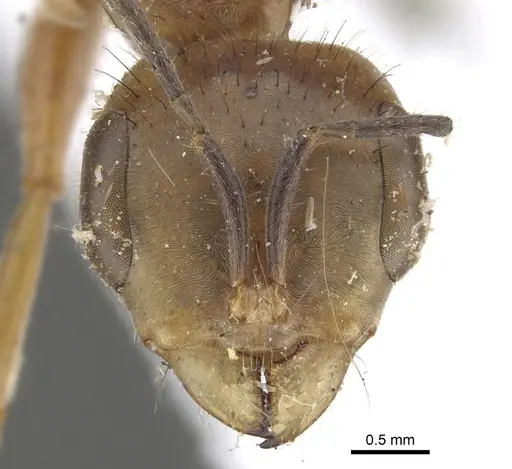
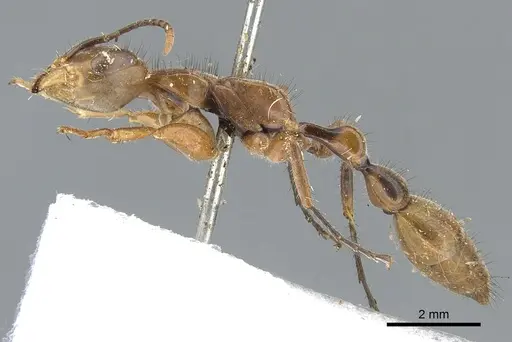
CASENT0907479
View on AntWeb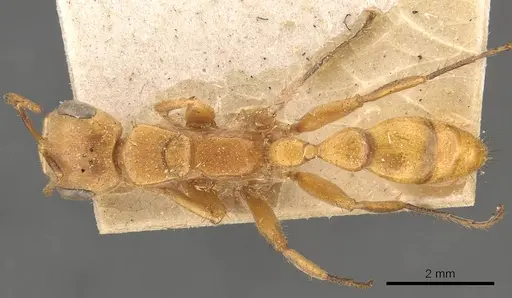
ECOFOG-BUG-0363-02
View on AntWeb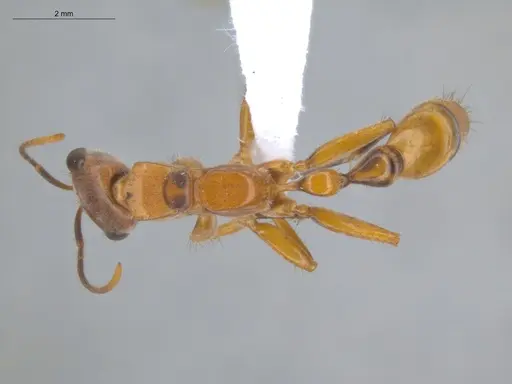
Literature
Loading distribution map...Loading products...