Apache Twig Ant
Pseudomyrmex apache
- Sci. Name
- Pseudomyrmex apache
- Tribe
- Pseudomyrmecini
- Subfamily
- Pseudomyrmecinae
- Author
- Creighton, 1953
- Common Name
- Apache Twig Ant
- Distribution
- Found in 2 countries
Introduction
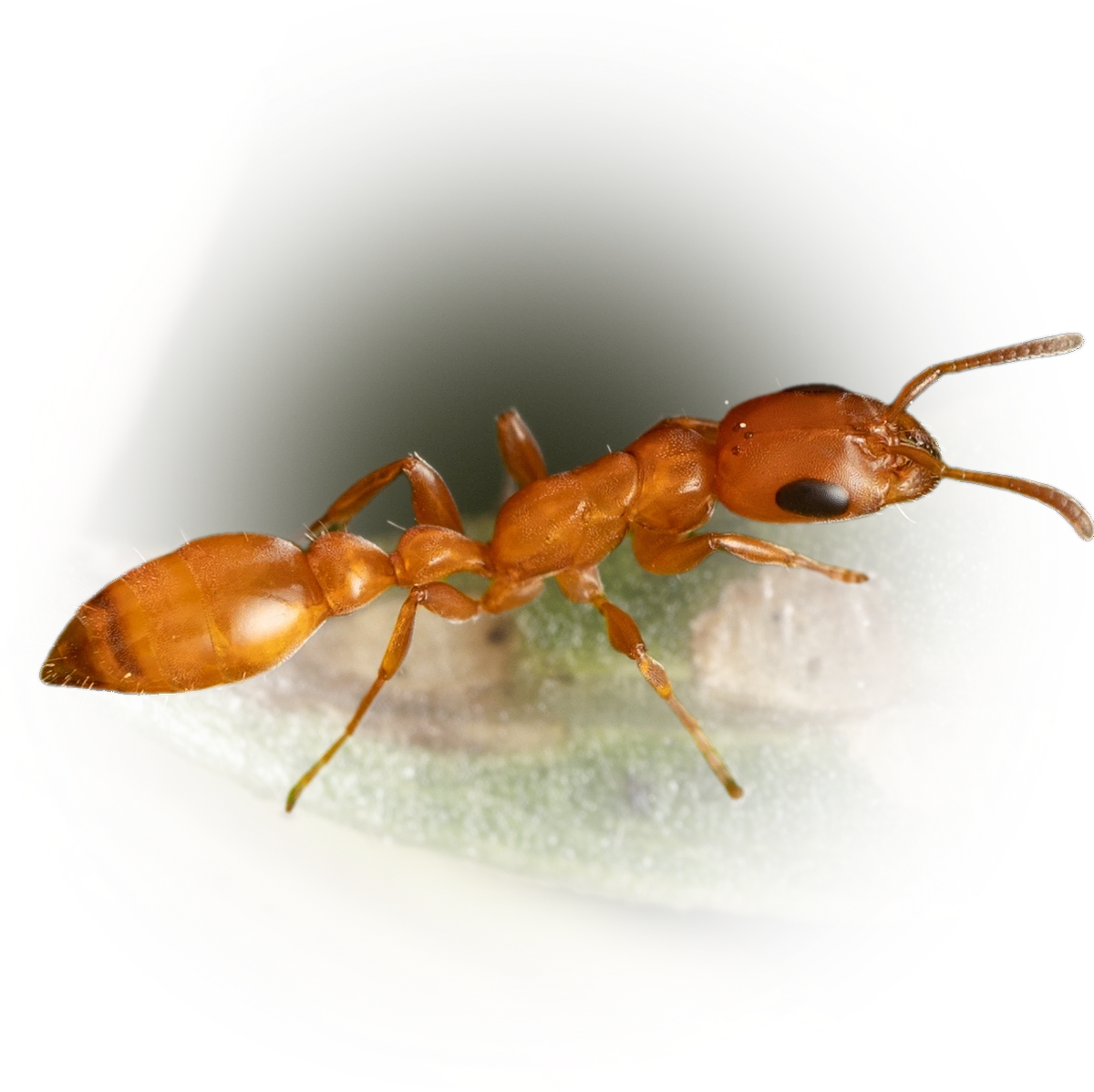
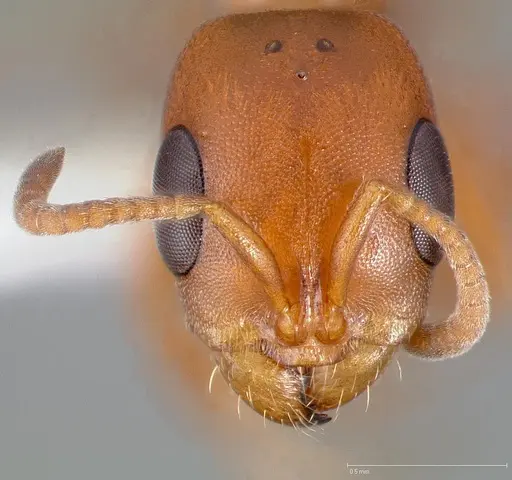
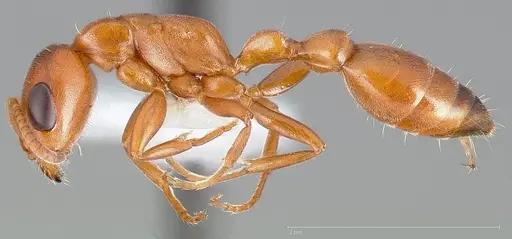
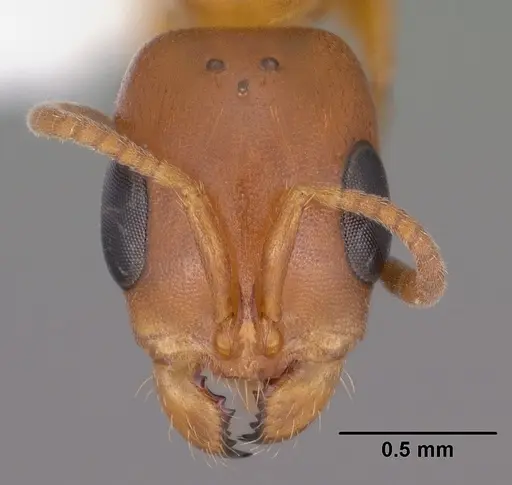
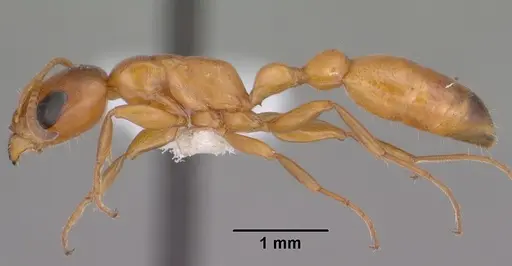
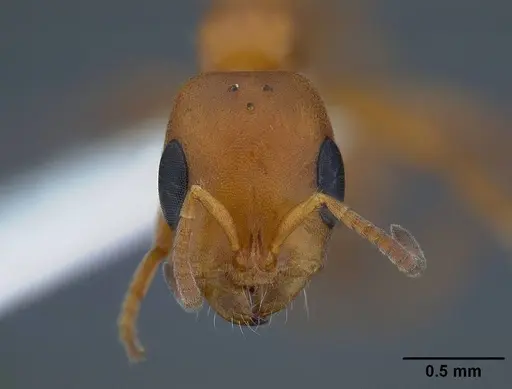
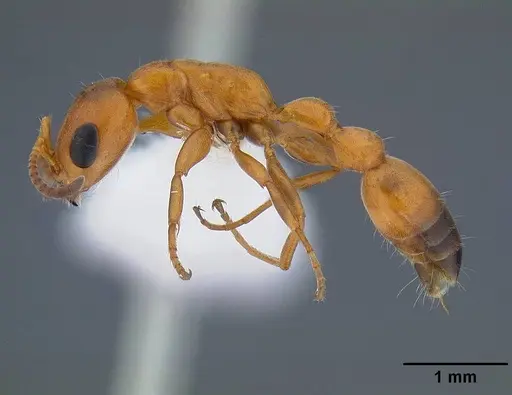
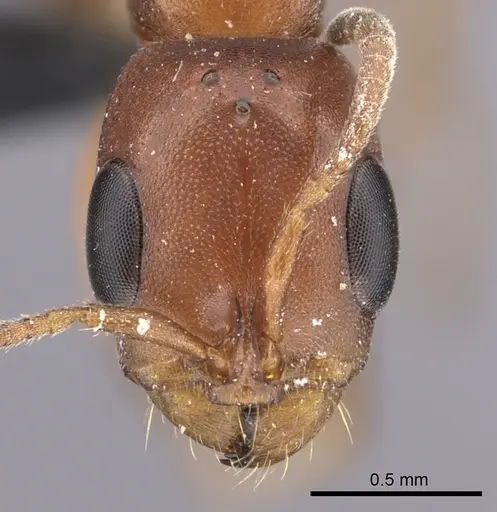
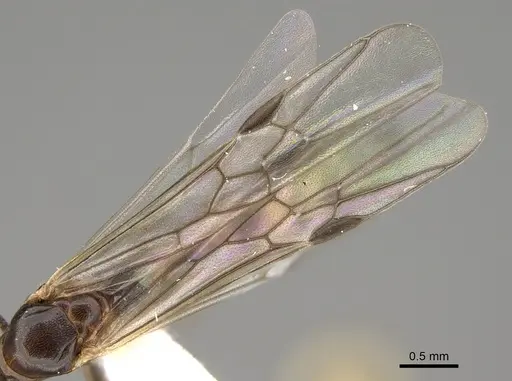
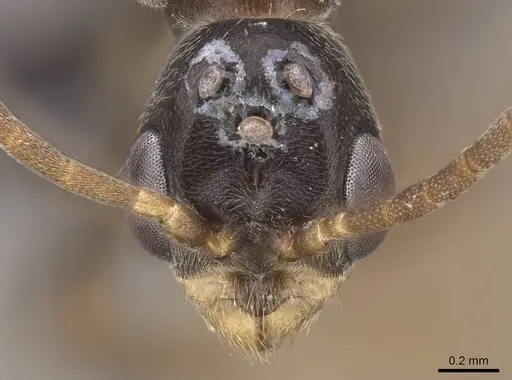
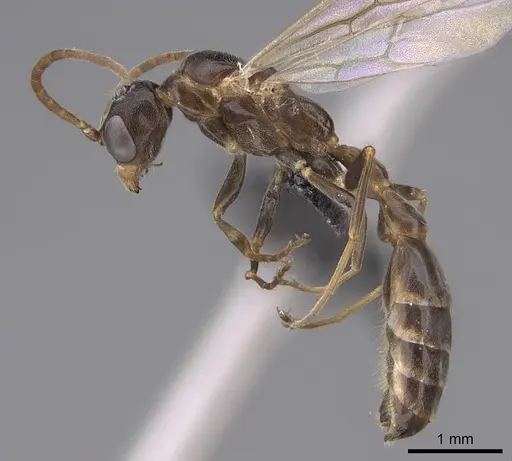
Pseudomyrmex apache is a small ant native to the southwestern United States and northern Mexico. Workers are about 4-5 mm in total length (inferred from related species) and uniformly light yellow- to orange-brown, often with a darker tip on the gaster . They live in dry habitats like chaparral, coastal sage scrub, mesquite scrub, and oak woodland, nesting in dead branches of oaks, mesquite, and manzanita . Colonies are polydomous - they occupy multiple dead branches on the same tree - and can contain one to several inseminated queens . This species handles cooler temperatures better than most other Pseudomyrmex, which makes it a bit easier to keep in cooler climates .
Quick Summary
- Difficulty: Medium
- Origin & Habitat: Southwestern United States (California to Texas) and northern Mexico (Baja California, Chihuahua, Durango, Nuevo León, Sonora). Found in xeric habitats: chaparral, coastal sage scrub, mesquite scrub, oak woodland, and oak-pine-juniper woodland from 20 m to 2,020 m elevation [1]. They nest in dead branches of woody plants, especially Arctostaphylos, Baccharis, Prosopis, and Quercus.
- Colony Type: Polydomous colonies with one to several inseminated queens. Multiple queens (1-6) have been documented in single nests, and queenless nests occur next to queenright nests on the same tree [1][2].
- Size & Growth:
- Queen: Total length approximately 6-7 mm (inferred from related Pseudomyrmex queens)
- Worker: Total length approximately 4-5 mm (inferred from related species)
- Colony: Unknown maximum, polydomous colonies can be extensive
- Growth: Moderate, inferred from typical Pseudomyrmex development
- Development: Estimated 6-10 weeks at warm temperatures (24-28°C), based on related Pseudomyrmex species (Development timeline has not been directly studied for this species. The estimate comes from similar species in the same genus.)
- Antkeeping:
- Temperature: Keep at 22-28°C for optimal activity. This species tolerates cooler temperatures than most Pseudomyrmex, room temperature (20-24°C) is acceptable, but warmth speeds up growth. Avoid extended periods below 15°C [2].
- Humidity: Low to moderate. These desert ants prefer dry conditions. Keep the nest substrate mostly dry but provide occasional access to moisture (e.g., a small water dish in the outworld). Too much dampness is dangerous [2].
- Diapause: No true diapause is required. Activity may slow in winter, simply reduce feeding if the colony becomes less active.
- Nesting: Provide dead wood branches or cork bark in a naturalistic setup. They naturally nest in beetle-bored cavities in dead branches of oaks, mesquite, and manzanita. A cork bark or wood-based formicarium with narrow, vertical chambers works well. They prefer upward-pointing limbs that collect moisture after rain, so include vertical elements [2][1].
- Behavior: Workers are generally non-aggressive but will defend the nest if threatened. They can sting, but rarely do so during handling. They are arboreal, active foragers, and likely tend aphids for honeydew. Escape risk is low to moderate, use standard barrier methods (fluon or PTFE) around the formicarium edges. They are not a danger to keepers if handled gently.
- Common Issues: over-moisture is more dangerous than dryness, keep the nest dry and provide water separately., polydomous nesting means they may spread into multiple nest sections, so ensure connections are adequate., the colony may start slowly, especially if the nest is too damp or temperatures are low., queen numbers can vary naturally, having multiple queens is normal and not a problem., their desert origin makes them sensitive to cold drafts and condensation.
Housing and Nest Setup
Pseudomyrmex apache naturally nests in dead branches of trees and shrubs, using beetle-bored cavities. In captivity, give them a naturalistic setup with cork bark, dead branches, or a wood-based formicarium. They prefer upward-pointing limbs that collect moisture after rainfall, so include some vertical elements in the enclosure [2]. A cork bark nest or a wooden formicarium with narrow chambers mimics their natural conditions. Since colonies are polydomous (occupying multiple branches), connect several nest sections so they can spread out. Keep the nest relatively dry, these desert ants suffer in damp conditions. A small water dish in the outworld gives them enough moisture.
Feeding and Diet
Like other Pseudomyrmex, P. apache likely feeds on honeydew from aphids and scale insects, plus small insects for protein. In captivity, offer sugar water or honey water regularly, along with small insects like fruit flies, pinhead crickets, or small mealworms. Feed protein 2-3 times per week and keep sugar water available at all times. Remove uneaten prey after 24 hours to prevent mold. Their diet is not well-studied, but this generalist approach works well for most arboreal ants.
Temperature and Seasonal Care
These ants tolerate cooler temperatures than most Pseudomyrmex species, which is an advantage for keepers in temperate regions [2]. Keep them at 22-28°C for optimal development. Room temperature (20-24°C) is acceptable, but warmth speeds colony growth. They can handle large day-night temperature swings of 40°F or more, so variable conditions are fine [2]. Nuptial flights appear to occur in spring (May) and fall (September) [3]. No true diapause is required, you may reduce feeding and see slower activity during winter. Avoid cold drafts and keep them above 15°C.
Colony Structure and Multi-Queen Dynamics
P. apache is unusual among Pseudomyrmex in that colonies can contain multiple inseminated queens (1-6 documented) and are polydomous, occupying multiple branches within a single tree [1][2]. This means your colony may have several queens working together, which is normal. Queenless nests can exist alongside queenright nests on the same tree in the wild. If you start with a single queen, additional queens will not appear unless you add them, but some colonies naturally develop multi-queen structures. Do not be alarmed if you observe multiple queens, it is natural for this species.
Escape Prevention and Handling
Workers are about 4-5 mm long, so standard barrier methods (fluon or PTFE tape) work well. They are not aggressive and rarely sting during handling, but they can sting if handled roughly. When transferring the colony, use a gentle approach, they are more likely to avoid confrontation than attack. They are arboreal, so ensure their enclosure has enough vertical space and climbing surfaces.
Frequently Asked Questions
How long does it take for Pseudomyrmex apache to produce first workers?
The development time has not been directly studied for this species. Based on related Pseudomyrmex ants, expect egg to worker in about 6-10 weeks at warm temperatures (24-28°C). Cooler conditions will slow development.
Can I keep multiple Pseudomyrmex apache queens together?
Yes, this species is naturally polygynous. Colonies can have 1-6 inseminated queens [1]. Multiple queens normally coexist peacefully. Starting with one queen is fine, but if you have multiple foundresses they may accept each other.
What temperature do Pseudomyrmex apache ants need?
Keep them at 22-28°C for best growth. They tolerate lower temperatures than most Pseudomyrmex, so room temperature (20-24°C) is acceptable. Avoid temperatures below 15°C for extended periods [2].
Do Pseudomyrmex apache ants need hibernation?
No, they do not need a true hibernation (diapause). Their desert origin means they handle cool winters by reducing activity rather than entering deep dormancy. Simply reduce feeding and expect slower growth during winter months.
What do Pseudomyrmex apache ants eat?
They likely feed on honeydew and small insects. Offer sugar water or honey water constantly, plus small insects like fruit flies or pinhead crickets 2-3 times per week.
Are Pseudomyrmex apache ants good for beginners?
They are considered medium-difficulty. They are more temperature-tolerant than most Pseudomyrmex and not aggressive. The main challenge is providing a dry, arboreal nesting setup with dead wood or cork bark.
How big do Pseudomyrmex apache colonies get?
Maximum colony size is not well documented. Their polydomous nature (occupying multiple branches) suggests colonies can become quite large, likely several hundred workers or more over time [1].
What type of nest is best for Pseudomyrmex apache?
A naturalistic setup with cork bark or dead wood branches works best. They naturally nest in beetle-bored cavities in dead branches of oaks, mesquite, and manzanita. Cork bark formicariums or wooden nests with narrow chambers mimic their natural habitat [2][1].
Do Pseudomyrmex apache ants sting?
Yes, they can sting, but they are not aggressive and rarely sting during normal handling. They will defend the nest if threatened, but they are generally docile around keepers.
Why is my Pseudomyrmex apache colony not growing?
Check that the temperature is within 22-28°C, that they have enough protein, and that the nest is not too damp. These desert ants prefer dry conditions, excess moisture is a common mistake. Also ensure the colony has enough space, they may need multiple connected nest sections as they spread.
Report an Issue
The current care sheet is based fully on literature. See inconsistencies, or something that's incorrect? Please , it will be resolved after review from an admin. Contributing to the blogs tab also helps providing information, to make us be able to further improve the caresheets. Thank you for your support!
References

This caresheet is licensed under CC BY-SA 4.0 .
Community Blogs
CASENT0005440
View on AntWeb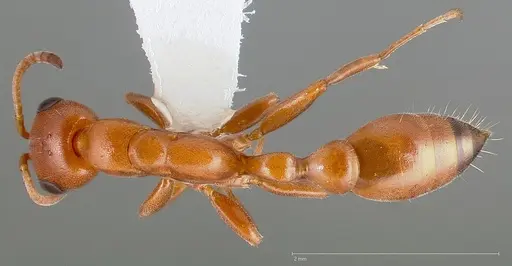
CASENT0102906
View on AntWeb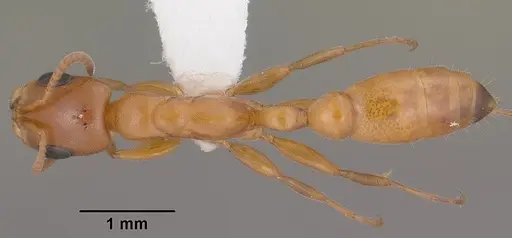
CASENT0220847
View on AntWeb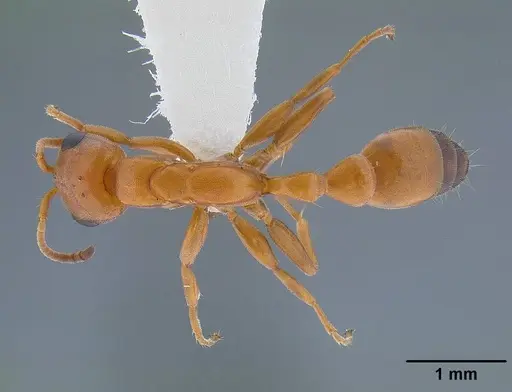
CASENT0260141
View on AntWeb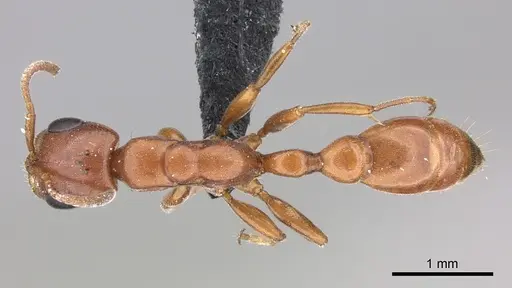
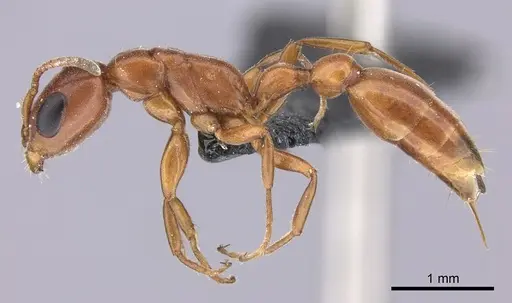
CASENT0843588
View on AntWeb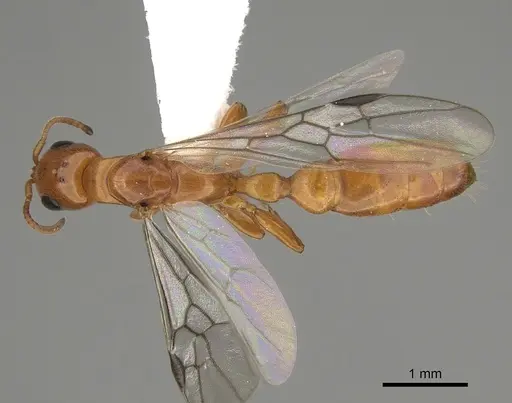
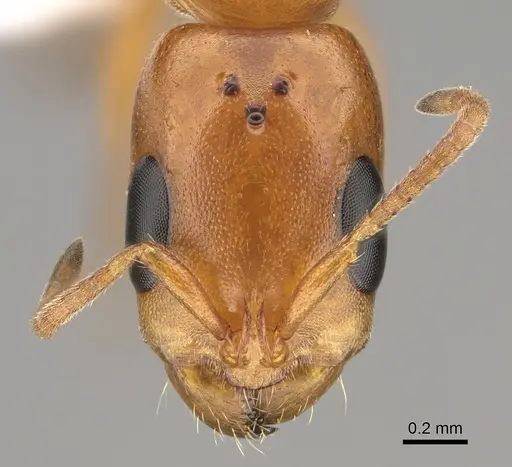
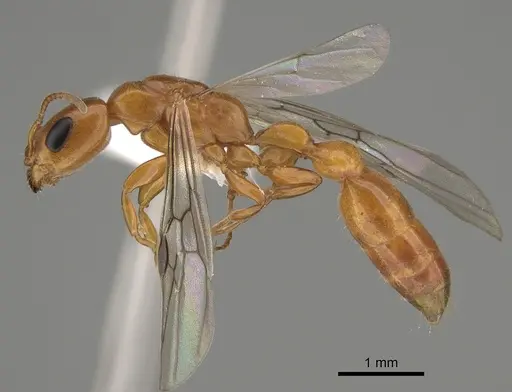
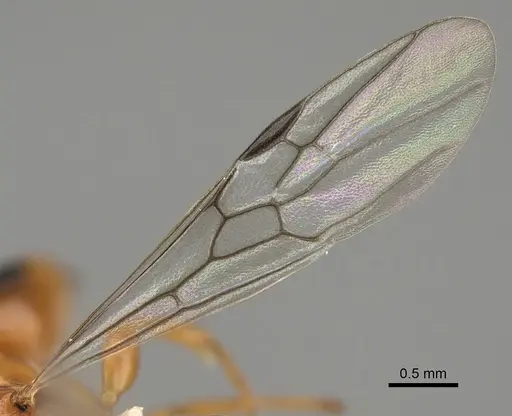
CASENT0843589
View on AntWeb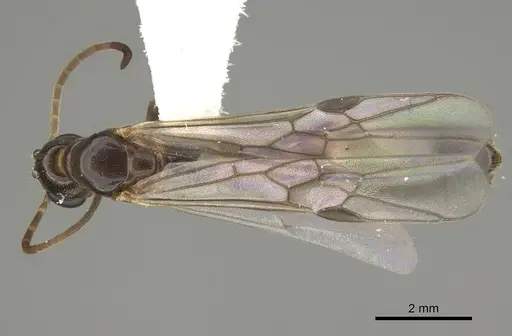
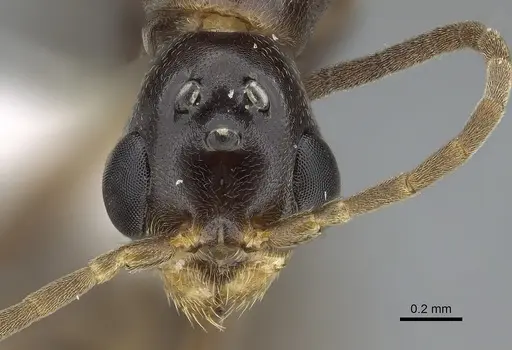
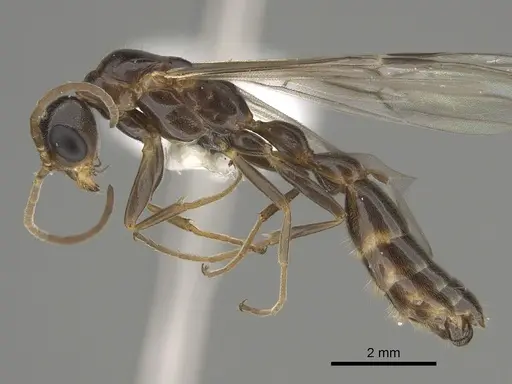
CASENT0845186
View on AntWeb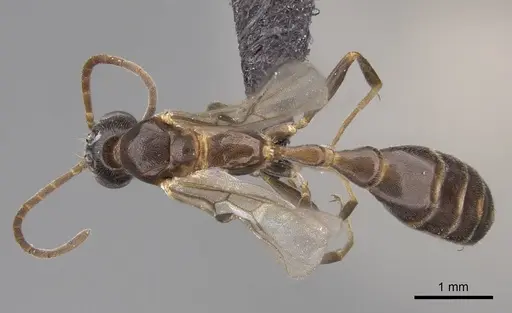
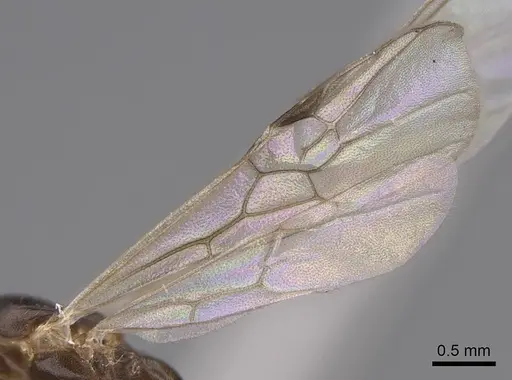
CASENT0902872
View on AntWeb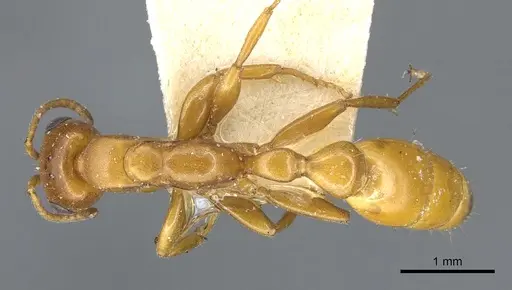
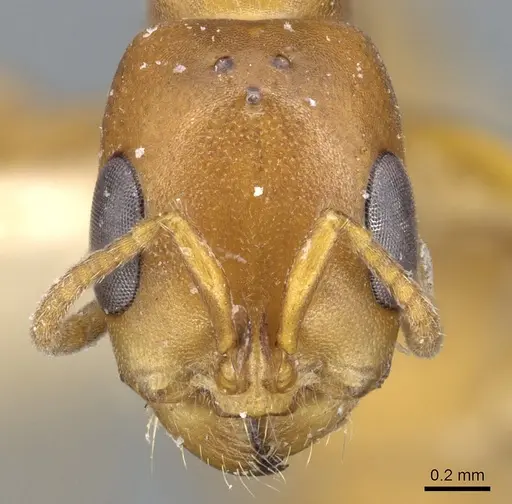
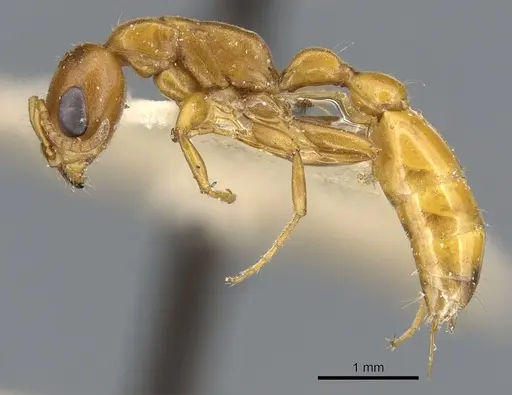
Literature
Loading distribution map...Loading products...