
Psalidomyrmex procerus
- Sci. Name
- Psalidomyrmex procerus
- Tribe
- Ponerini
- Subfamily
- Ponerinae
- Author
- Emery, 1901
- Distribution
- Found in 5 countries
Introduction
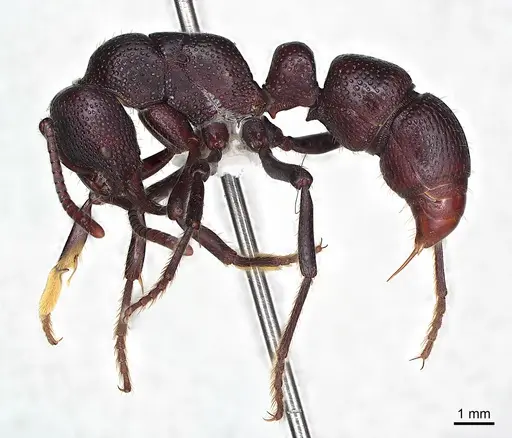
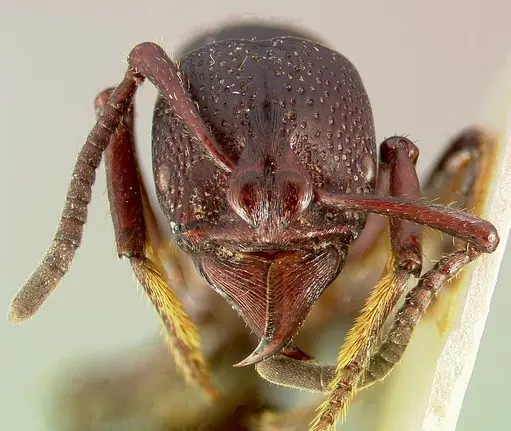
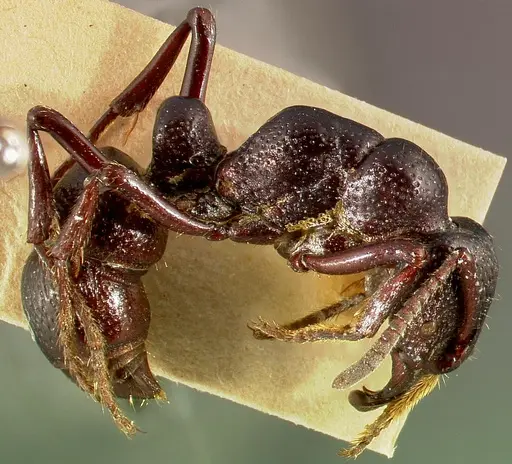
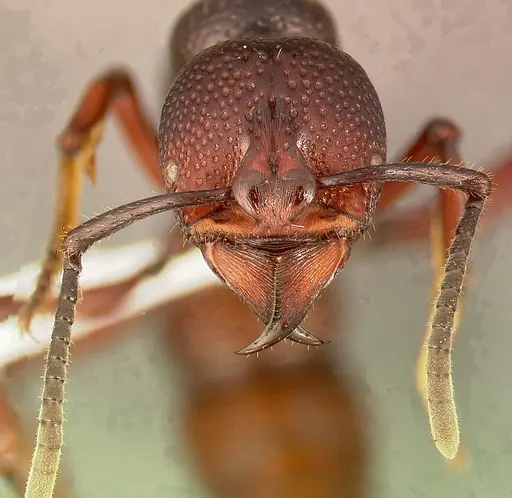
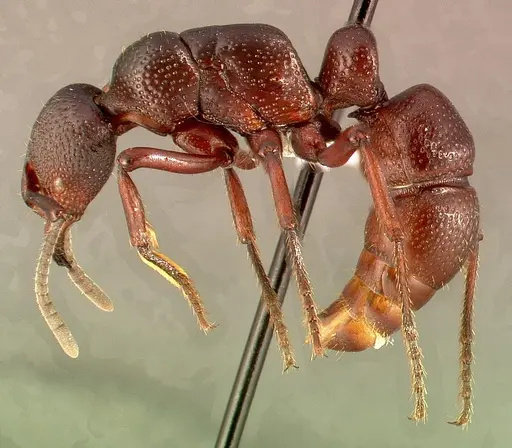
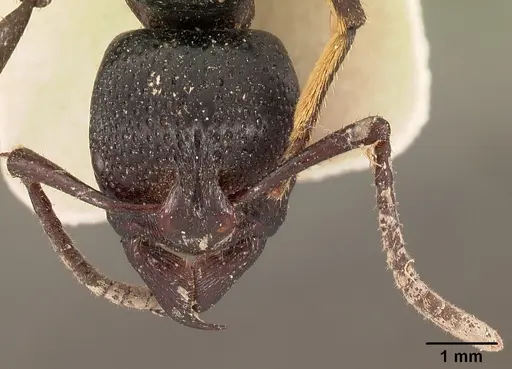
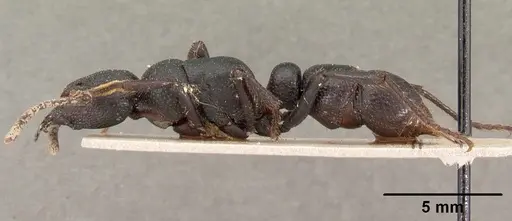
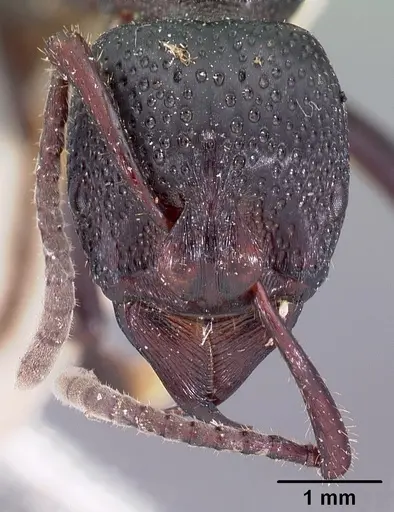
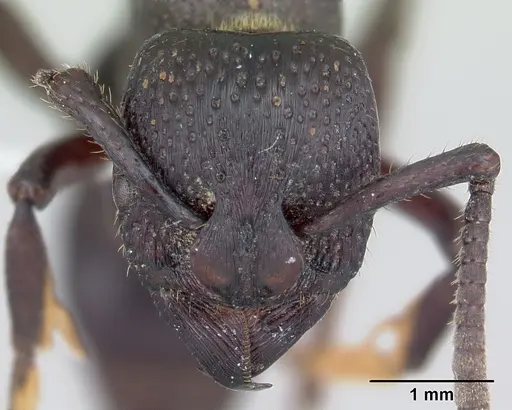
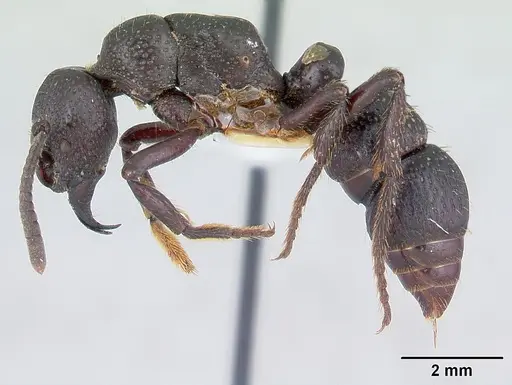
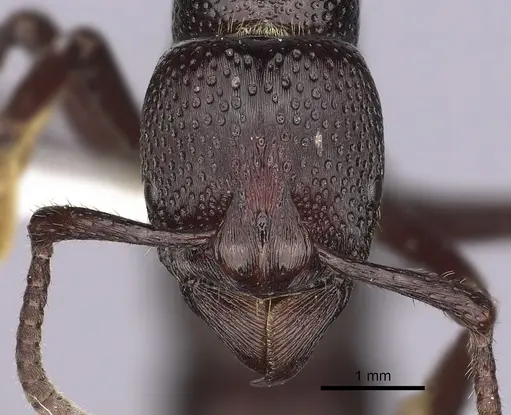
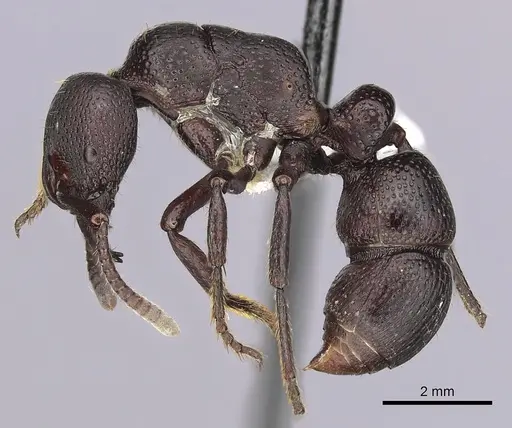
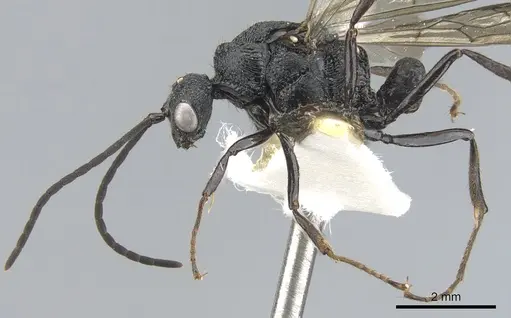
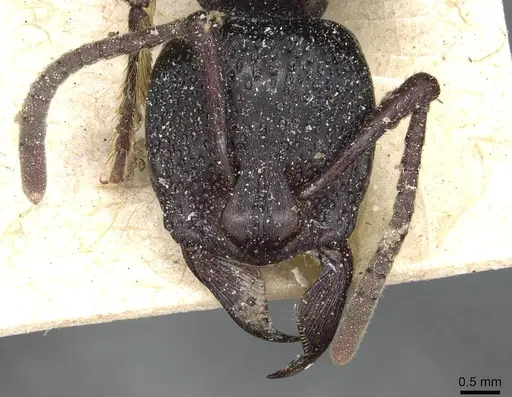
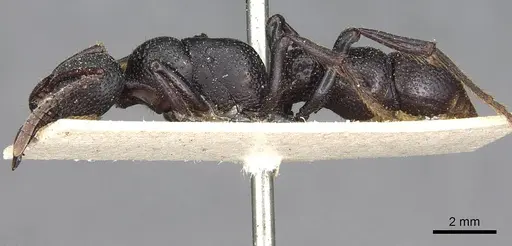
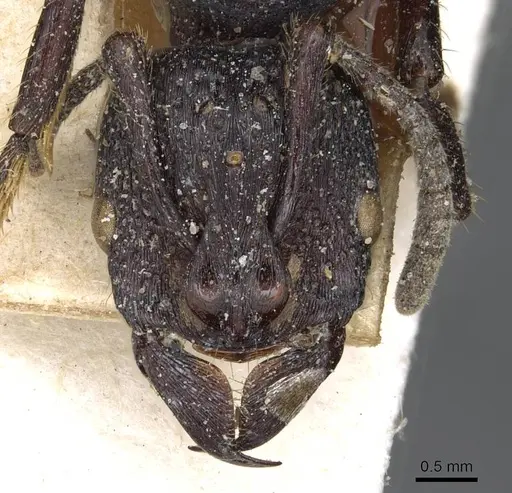
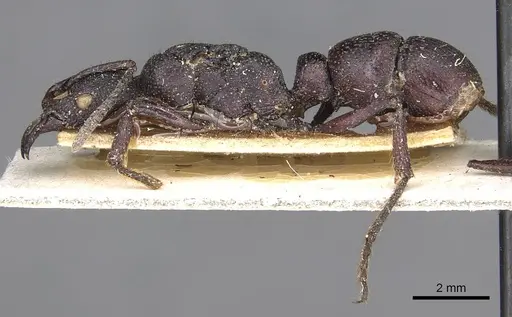
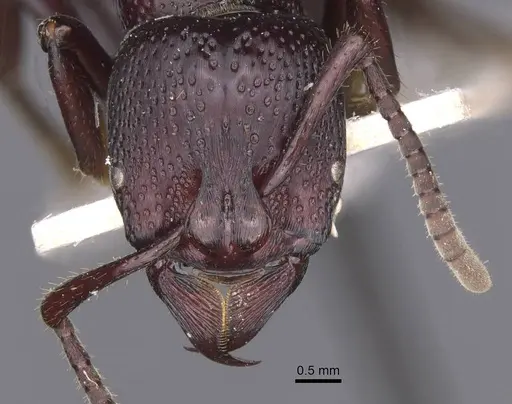
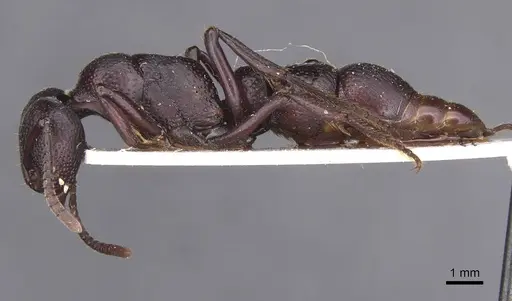
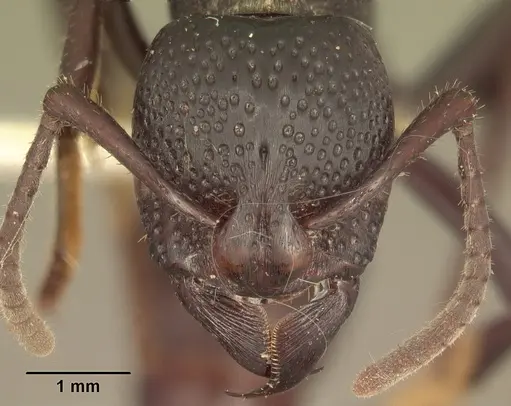
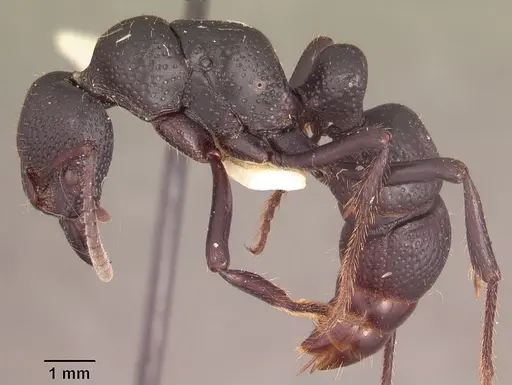
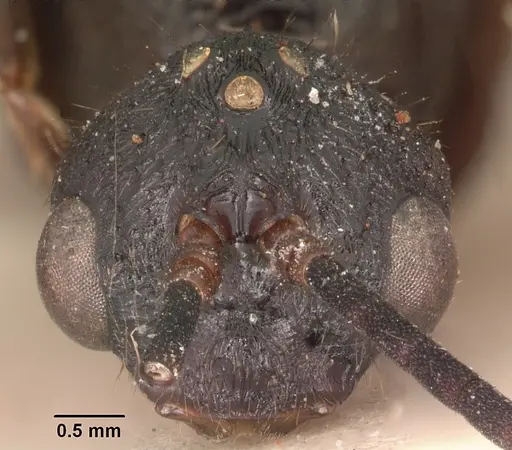
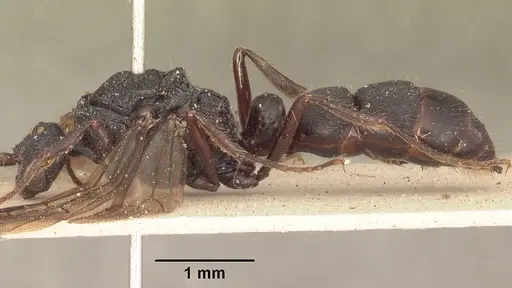
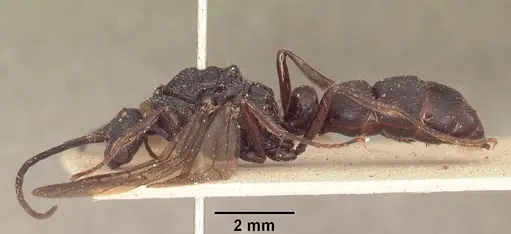
Psalidomyrmex procerus is a medium-sized African ponerine ant known for its specialized predation on earthworms. Workers have a robust, dark reddish-brown to black body with strong mandibles. This species belongs to the subfamily Ponerinae and is found across West and Central Africa, including Ghana, Guinea, Gabon, Cameroon, Democratic Republic of Congo, Kenya, and Uganda . They inhabit lowland forest at elevations between 375-640m, nesting in rotten wood, beneath logs, or directly in the ground . The most remarkable trait of P. procerus is its hunting style: workers are specialist earthworm predators that use their sting to paralyze prey, allowing them to retrieve entire worms up to 10cm long .
Quick Summary
- Difficulty: Hard
- Origin & Habitat: West and Central Africa, found in Ghana, Guinea, Gabon, Cameroon, Democratic Republic of Congo, Kenya, Burundi, and Uganda. Lives in lowland forest at 375-640m elevation, nesting in rotten wood, beneath logs, or directly in soil [1][2][3].
- Colony Type: Unknown, the number of queens per colony has not been documented. Most Ponerinae species are monogyne, but this is not confirmed for P. procerus.
- Size & Growth:
- Queen: size data unavailable
- Worker: size data unavailable
- Colony: Up to 300 workers (estimated based on similar Ponerinae species)
- Growth: Slow
- Development: Estimated 8-12 weeks at optimal temperature (Ponerine ants generally have longer development times than many common species. First workers (nanitics) will be smaller than mature workers.)
- Antkeeping:
- Temperature: Keep at 24-27°C, matching their natural lowland forest climate [2]. Use a heating cable on one side of the nest to create a gradient if room temperature falls below 24°C.
- Humidity: High humidity (70-80%) is essential. Keep the nest substrate consistently moist but not waterlogged. These ants naturally nest in rotting wood and damp soil, so monitor moisture closely and rehydrate as needed [2].
- Diapause: No, as a tropical species, they do not require hibernation. Maintain warm temperatures year-round.
- Nesting: They prefer nesting in moist rotten wood or damp soil. In captivity, use a naturalistic setup with damp soil and pieces of rotting wood or cork, or a Y-tong (aerated autoclaved concrete) or plaster nest with high humidity chambers. Avoid dry conditions [2].
- Behavior: Workers are relatively docile toward humans but will sting if threatened. They forage solitarily, hunting earthworms and other soil prey alone [2][7]. Their small size (unknown exact measurements) means excellent escape prevention is needed, use tight-fitting lids and fine mesh barriers. Most foraging activity likely occurs during evening and night hours.
- Common Issues: slow colony growth can frustrate keepers expecting rapid development, specialized diet means they need live earthworms or appropriate prey, standard ant foods won't work, high humidity requirements can lead to mold if ventilation is poor, wild-caught colonies may carry parasites that can devastate the colony in captivity, their potent sting requires caution despite their docile nature
Housing and Nest Setup
Set up a moist, naturalistic environment that mimics their habitat in rotting wood and damp soil. A terrarium with damp soil substrate and pieces of rotting wood or cork works well. You can also use a Y-tong (aerated autoclaved concrete) or plaster nest with high humidity chambers. The key is keeping the nest material consistently moist but not waterlogged. Provide a water reservoir in the outworld and ensure the nest has access to moisture. Since worker size is unknown but likely small, seal any gaps to prevent escapes [2].
Feeding and Diet
This is the most critical aspect of keeping P. procerus. They are specialist earthworm predators and will not survive on typical ant diets. Provide live earthworms, red wigglers, or other soil-dwelling worms as their primary food. Small earthworms (around 4cm) are ideal, workers seize the anterior end, sting to paralyze the rest, then retrieve the entire worm [4][5][6]. Larger earthworms may be only partially retrieved if the worm autotomizes. They are solitary hunters, not raiding in groups [2][7]. Feed every 2-3 days, removing uneaten prey after 24 hours. Sugar water or honey is unlikely to be accepted.
Temperature and Humidity
As a tropical lowland species, P. procerus needs warm, humid conditions year-round. Keep temperatures between 24-27°C [2]. A heating cable on top of the nest (not underneath) can help if your room is cooler. Humidity should be 70-80%, the nest substrate should feel damp to the touch. Mist the nest area periodically but ensure good ventilation to prevent mold. Avoid temperatures below 22°C or above 30°C. No hibernation is needed, keep them warm continuously.
Colony Development
Colony growth is slow for this species. The founding type is unconfirmed, so the queen's initial behavior is unknown. Once she starts laying, eggs develop through larvae and pupae. Under optimal conditions (24-27°C), first workers may emerge in an estimated 8-12 weeks. These first workers (nanitics) will be smaller than mature workers. A healthy colony may reach up to 300 workers over several years. Patience is essential, do not disturb the queen during early stages, as stress can cause her to abandon or eat her brood.
Behavior and Temperament
Psalidomyrmex procerus workers are relatively docile toward humans but have a potent sting. They forage alone, hunting earthworms and other soil prey [2][7]. When hunting, they use their venom to paralyze prey before retrieval [4][5]. Their small size (exact measurements unknown) means they can squeeze through tiny gaps, use fine mesh and sealed edges for escape prevention. The colony will establish a central nest area and workers will venture out to hunt.
Common Keeping Problems
The biggest challenge is their specialized diet, without live earthworms, the colony will starve. Second, their slow growth tests patience. Third, maintaining high humidity without causing mold requires balance: use adequate ventilation while keeping substrate moist. Fourth, wild-caught colonies may carry parasites, quarantine new colonies carefully. Finally, tropical temperature requirements mean they cannot tolerate cold, keep them warm year-round.
Frequently Asked Questions
Can I keep Psalidomyrmex procerus in a test tube?
Test tubes are not ideal for this species because they need high humidity and a naturalistic setup with moist substrate. A test tube would dry out too quickly and can't accommodate earthworm prey. Use a naturalistic setup with damp soil or a Y-tong/plaster nest with moisture-retaining material instead [2].
What do Psalidomyrmex procerus eat?
They are specialist earthworm predators. You must provide live earthworms, red wigglers, or similar soil-dwelling worms. Small worms around 4cm work well, workers sting and paralyze them, then retrieve the entire prey [4][5][6]. They will not accept standard ant foods like sugar water, honey, or commercial protein mixes [2].
How long until first workers in Psalidomyrmex procerus?
Based on typical Ponerinae development, expect around 8-12 weeks from egg to first worker at optimal temperature (24-27°C). This is an estimate since detailed data for this species is lacking. Colony growth is slow, patience is essential.
Do Psalidomyrmex procerus ants sting?
Yes, they have a potent sting. Despite being relatively docile, they will sting if threatened. The sting is used primarily for paralyzing earthworm prey but can cause discomfort in humans [4][5]. Handle with care.
Are Psalidomyrmex procerus good for beginners?
No, this species is not recommended for beginners. Their specialized earthworm diet, high humidity needs, slow growth, and tropical temperature requirements make them challenging. They are better suited for experienced keepers willing to provide live earthworm prey [2].
Do Psalidomyrmex procerus need hibernation?
No, they do not need hibernation. As a tropical species, they require warm temperatures year-round (24-27°C). Do not cool them below 22°C.
How big do Psalidomyrmex procerus colonies get?
Colony size is estimated at up to 300 workers based on similar Ponerinae species. Exact data is unavailable. Growth is slow, reaching maximum size can take several years.
When should I move Psalidomyrmex procerus to a formicarium?
Wait until the colony has enough workers to handle the move, typically at least 20-30 workers. They can stay in their initial setup for several months. When moving, pre-humidify the new setup and avoid disturbing the colony too much.
Why are my Psalidomyrmex procerus dying?
Common causes include: lack of live earthworm prey (starvation), humidity too low, temperatures too cold, mold from poor ventilation, or parasites from wild-caught colonies. Check each parameter and ensure their specialized needs are met [2].
Can I keep multiple queens together?
It is unknown whether this species can have multiple queens. Keep only one queen per nest to avoid potential conflict. If you have a colony with workers, do not introduce another queen.
Report an Issue
The current care sheet is based fully on literature. See inconsistencies, or something that's incorrect? Please , it will be resolved after review from an admin. Contributing to the blogs tab also helps providing information, to make us be able to further improve the caresheets. Thank you for your support!
References

This caresheet is licensed under CC BY-SA 4.0 .
Community Blogs
ANTWEB1008585
View on AntWeb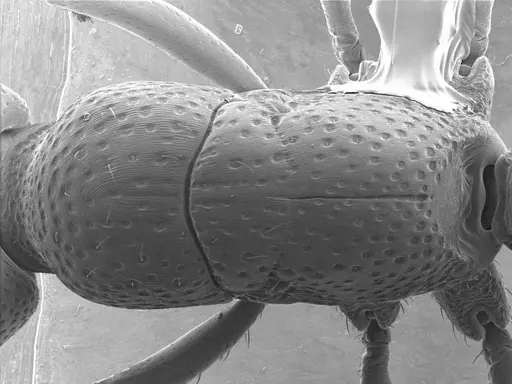
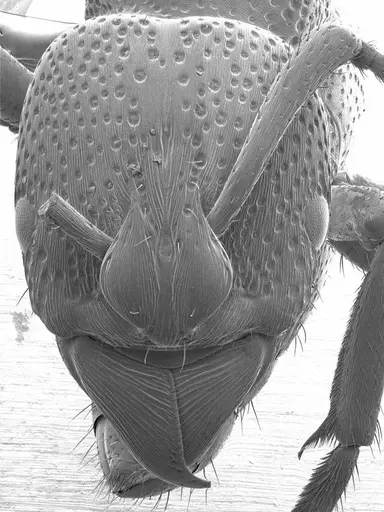
CASENT0003082
View on AntWeb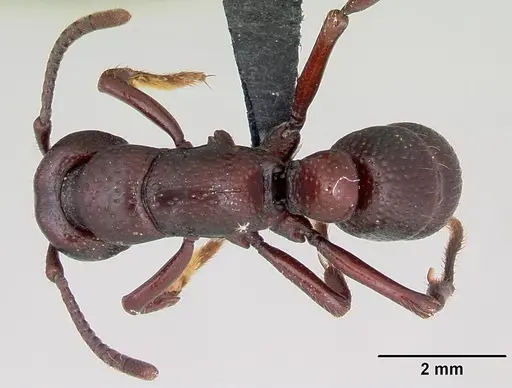
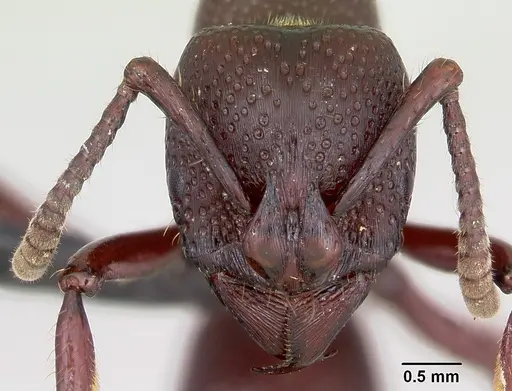
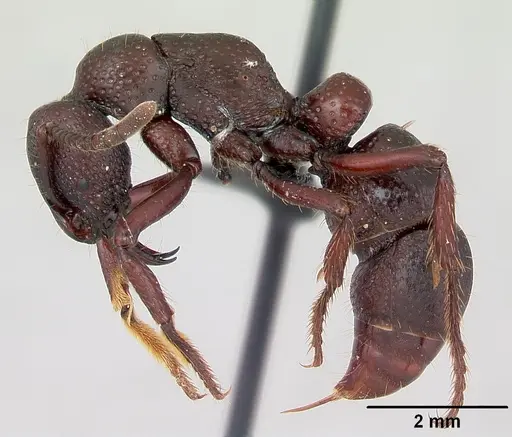
CASENT0003083
View on AntWeb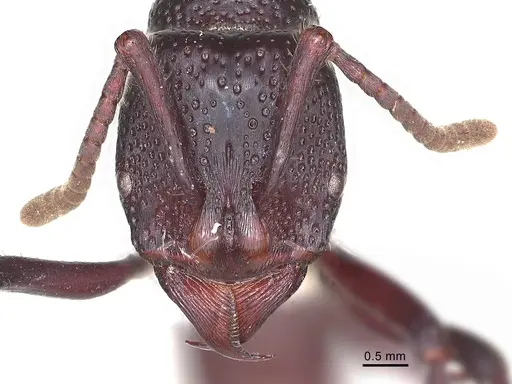
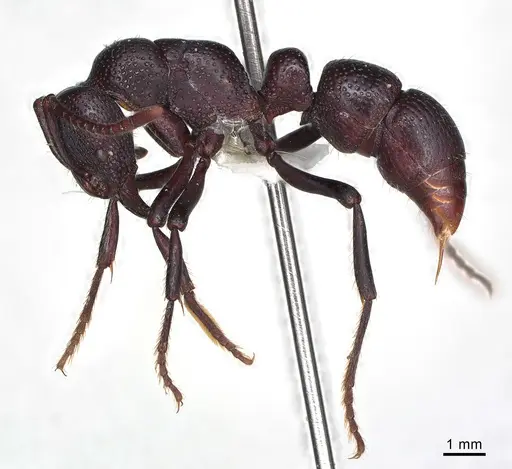
CASENT0003084
View on AntWeb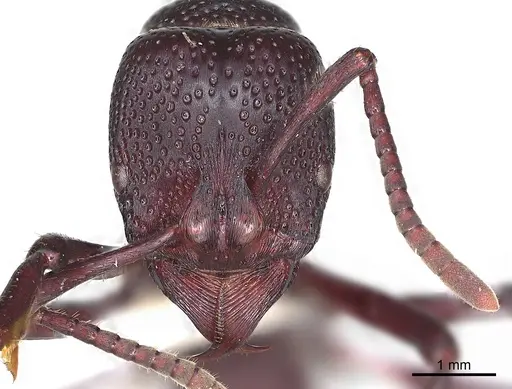
CASENT0003153
View on AntWeb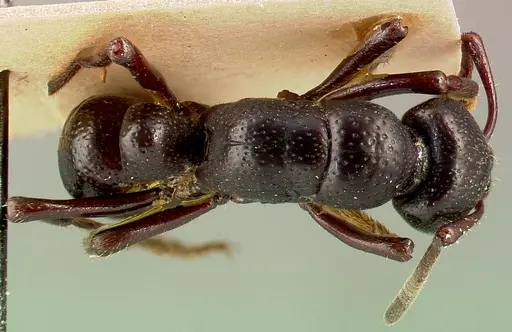
CASENT0004984
View on AntWeb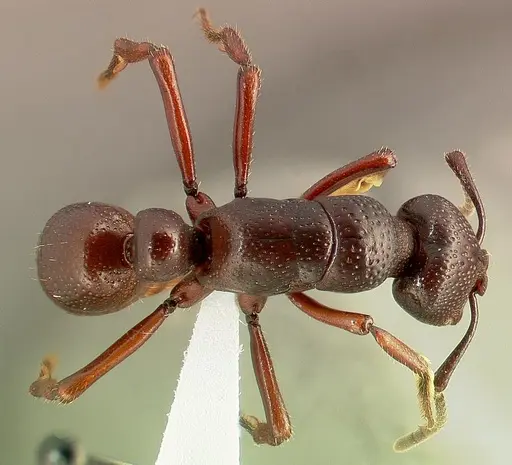
CASENT0102143
View on AntWeb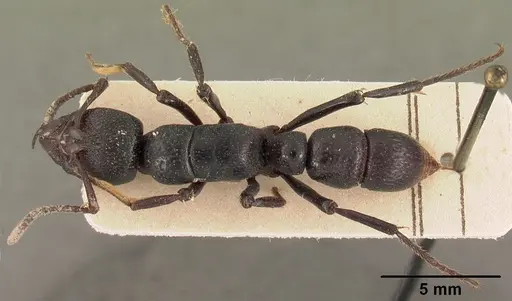
CASENT0102144
View on AntWeb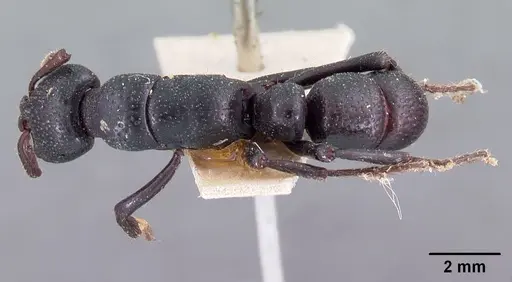
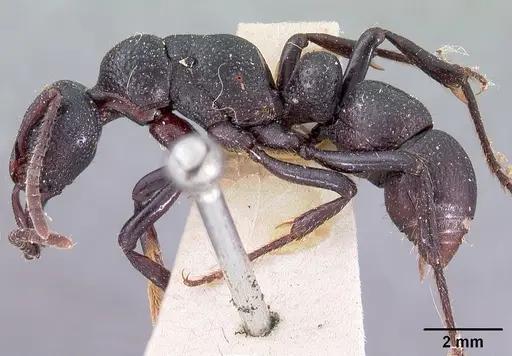
CASENT0102914
View on AntWeb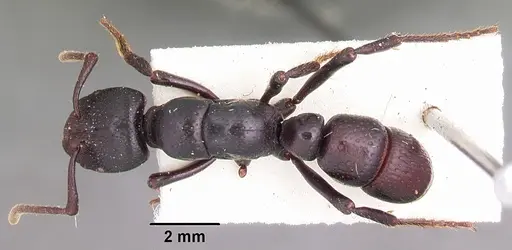
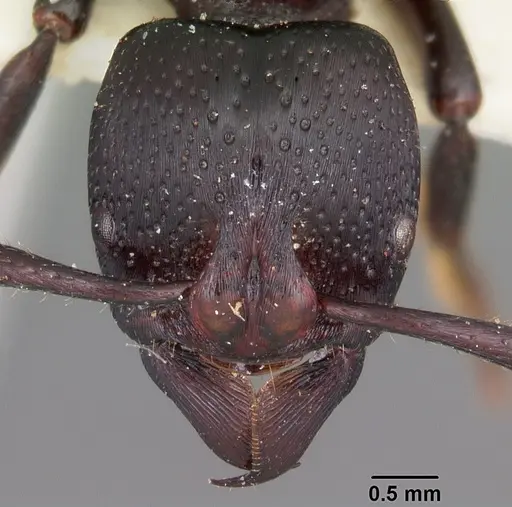
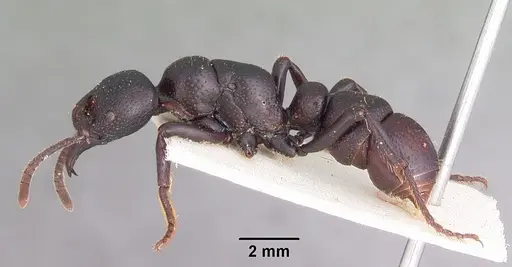
CASENT0178267
View on AntWeb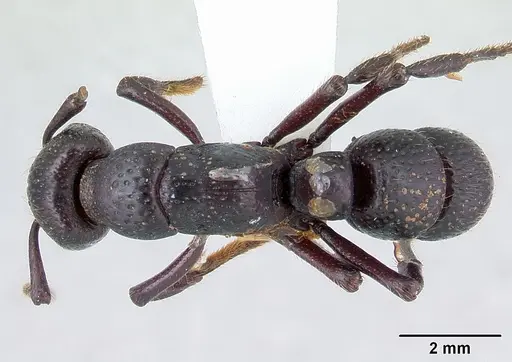
CASENT0249242
View on AntWeb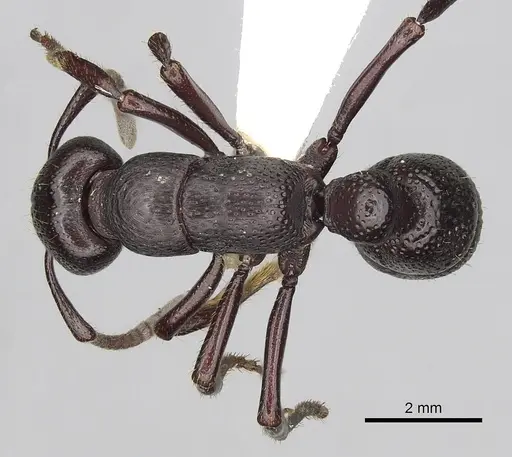
CASENT0903661
View on AntWeb
CASENT0915301
View on AntWeb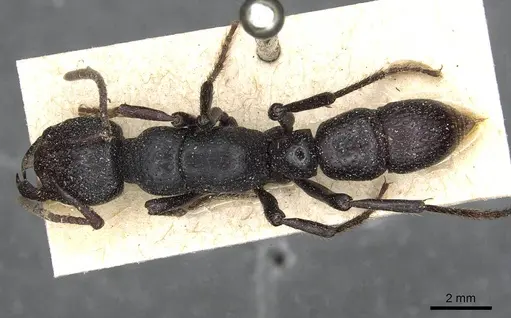
CASENT0915302
View on AntWeb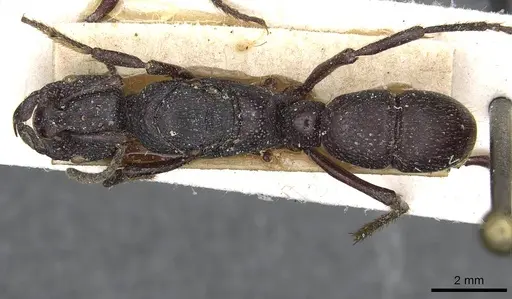
RMCAENT000017735
View on AntWeb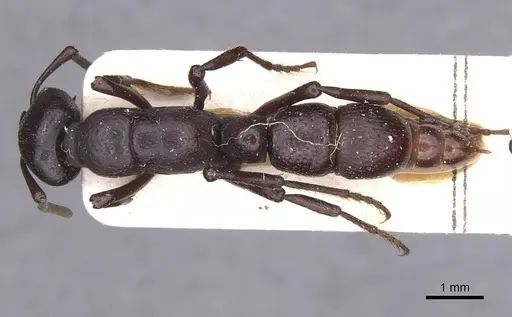
SAM-HYM-C002831
View on AntWeb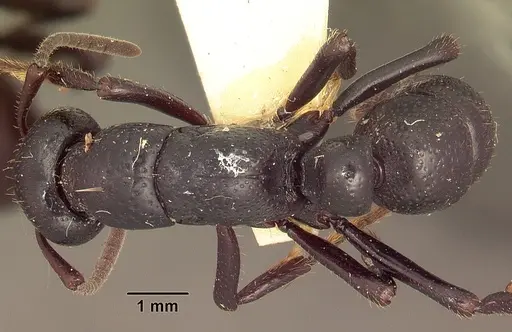
SAM-HYM-C002833
View on AntWeb
Literature
Loading distribution map...Loading products...