
Prolasius wheeleri
- Sci. Name
- Prolasius wheeleri
- Tribe
- Melophorini
- Subfamily
- Formicinae
- Author
- McAreavey, 1947
- Distribution
- Found in 1 countries
Introduction
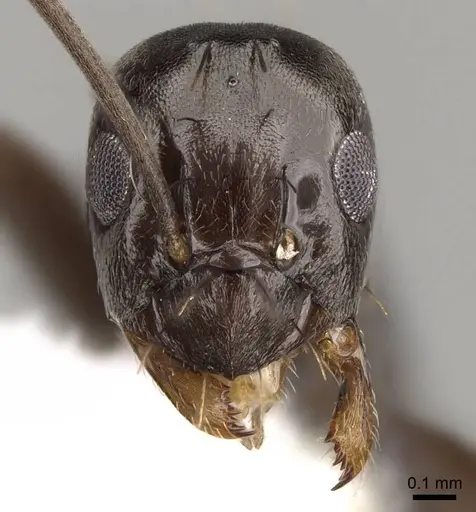
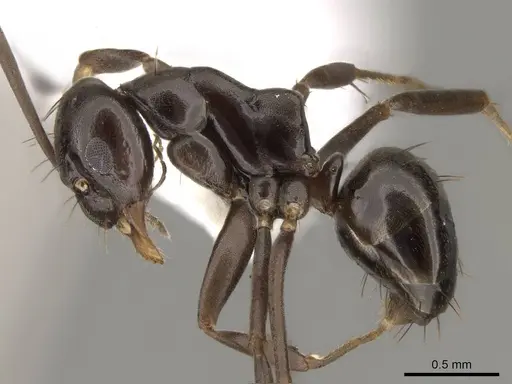
Prolasius wheeleri is a large, dull-colored ant native to southwestern Australia. Workers are medium-brown to blackish with a matte cuticle and stout setae on the pronotum, and some populations also have setae on the mesonotum . Size data is unavailable for this species. It is found in the Darling Range and Swan coastal plain, typically in coastal woodlands on white sand and taller forests . Workers have been collected on Wandoo and Powderbark Wandoo tree trunks, indicating arboreal foraging behavior . Coastal populations tend to be darker and hairier than those from inland forests . Prolasius wheeleri was originally described in 1947,and Prolasius reticulata is now recognized as a junior synonym .
Quick Summary
- Difficulty: Hard
- Origin & Habitat: Western Australia, found in the Darling Range and Swan coastal plain, typically in coastal woodlands on white sand and taller forests [1]
- Colony Type: Unconfirmed colony structure
- Size & Growth:
- Queen: size data unavailable
- Worker: size data unavailable
- Colony: Unknown
- Growth: Unknown
- Development: Unknown, no development data available (Development timeline has not been studied for this species.)
- Antkeeping:
- Temperature: Unknown, no specific temperature requirements documented.
- Humidity: Unknown, no specific humidity requirements documented.
- Diapause: Unknown, diapause requirements have not been studied for this species.
- Nesting: Based on foraging behavior on tree trunks [1], likely arboreal nesting. Provide vertical spaces or wood-themed materials such as Y-tong or plaster nests with cork bark.
- Behavior: Workers are active on tree trunks in their natural habitat [1]. Temperament and aggression are unknown due to limited behavioral studies. Escape risk is unknown as size data is unavailable.
- Common Issues: limited availability of wild-caught queens, this species is rarely collected, no established husbandry guidelines, keepers will be pioneers, exact temperature and humidity requirements unknown, requires experimentation, colony growth rate is unconfirmed, may be slow or fast, unknown, risk of overfeeding or wrong humidity due to lack of specific care data
Natural History and Distribution
Prolasius wheeleri is endemic to southwestern Western Australia, specifically the Darling Range and Swan coastal plain regions. The species shows variation across its range: ants from coastal woodlands on white sand tend to be darker and hairier than those from thicker forests [1]. Workers have been collected from intercept traps on Wandoo and Powderbark Wandoo tree trunks at Dryandra, indicating arboreal foraging behavior [1]. The species was described by McAreavey in 1947,with Prolasius reticulatus as a junior synonym [1].
Housing and Nesting
No specific nesting data is available for Prolasius wheeleri from research. Based on foraging behavior on tree trunks [1], likely arboreal nesting. In captivity, provide vertical spaces or wood-themed materials such as Y-tong or plaster nests with cork bark. Ensure excellent escape prevention, as size data is unavailable but workers are described as large medium ants.
Feeding and Diet
No specific dietary data is available for Prolasius wheeleri. Based on typical Formicinae patterns, they are likely generalist omnivores. Offer a varied diet including sugar sources (e.g., honey water) and protein (e.g., insects, mealworms). Fresh water should always be available. Observe what the colony accepts.
Temperature and Seasonal Care
Specific temperature requirements are not documented for this species. They originate from southwestern Australia, which has a Mediterranean climate. Room temperature (18-24°C) may be suitable as a starting point, but observe colony activity. Diapause requirements are unknown, the mild climate suggests they may not need strict hibernation, but cooler winter temperatures might be beneficial.
Frequently Asked Questions
How long does it take for Prolasius wheeleri to go from egg to worker?
The development timeline for this species has not been studied. No data is available on egg-to-worker duration.
What do Prolasius wheeleri ants eat?
Diet is unknown for this species. Based on Formicinae patterns, they are likely generalist omnivores, so offer sugar water and protein sources.
Are Prolasius wheeleri ants good for beginners?
This species is not recommended for beginners due to limited care information and lack of established husbandry guidelines.
What is the best nest type for Prolasius wheeleri?
Based on foraging behavior on tree trunks [1], likely arboreal nesting. Provide vertical spaces or wood-themed materials such as Y-tong or plaster nests with cork bark.
How big do Prolasius wheeleri colonies get?
Maximum colony size is unknown. Size data is unavailable for this species.
Do Prolasius wheeleri queens need to forage during founding?
Founding behavior has not been documented. It is unconfirmed whether they are claustral or semi-claustral.
Where is Prolasius wheeleri found in the wild?
This species is endemic to southwestern Western Australia, specifically the Darling Range and Swan coastal plain regions [1].
What temperature should I keep Prolasius wheeleri at?
Specific temperature requirements are unknown. Start with room temperature (18-24°C) and adjust based on colony activity.
Can I keep multiple Prolasius wheeleri queens together?
Colony structure is unconfirmed. It is not recommended to house unrelated queens together without evidence of multi-queen colonies in the wild.
Report an Issue
The current care sheet is based fully on literature. See inconsistencies, or something that's incorrect? Please , it will be resolved after review from an admin. Contributing to the blogs tab also helps providing information, to make us be able to further improve the caresheets. Thank you for your support!
References

This caresheet is licensed under CC BY-SA 4.0 .
Community Blogs
CASENT0172167
View on AntWeb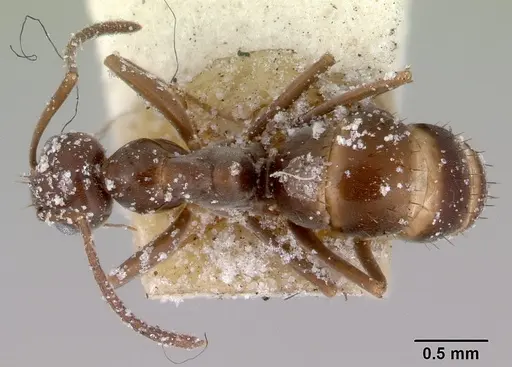
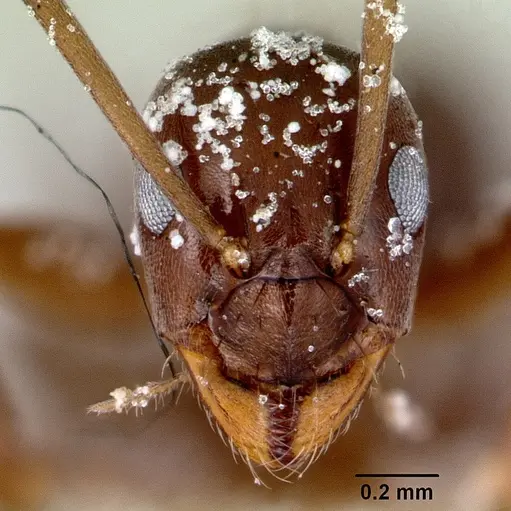
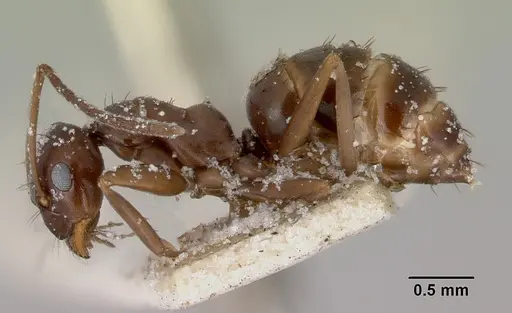
CASENT0281473
View on AntWeb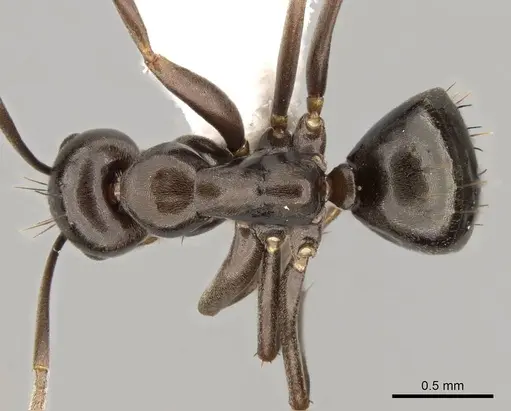
Literature
Loading distribution map...Loading products...