
Prolasius nitidissimus
- Sci. Name
- Prolasius nitidissimus
- Tribe
- Melophorini
- Subfamily
- Formicinae
- Author
- André, 1896
- Distribution
- Found in 1 countries
Introduction
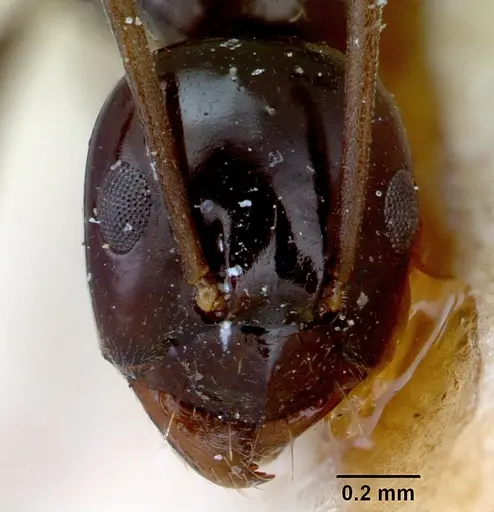
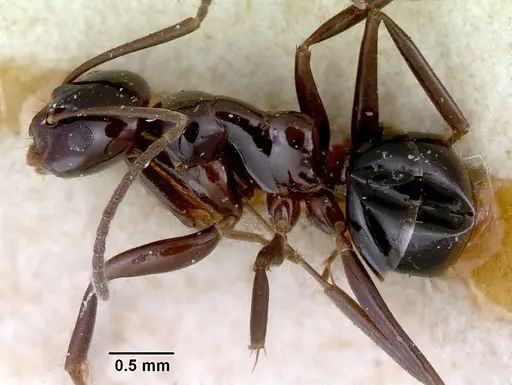
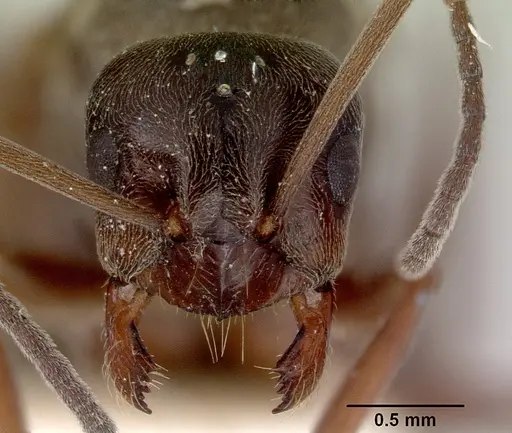
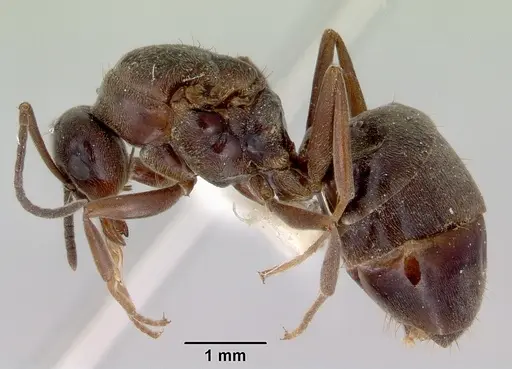
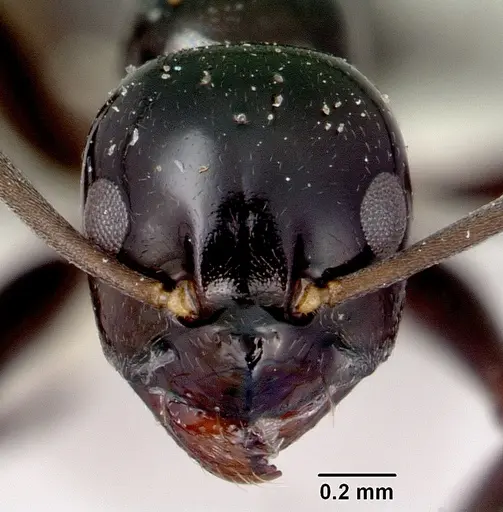
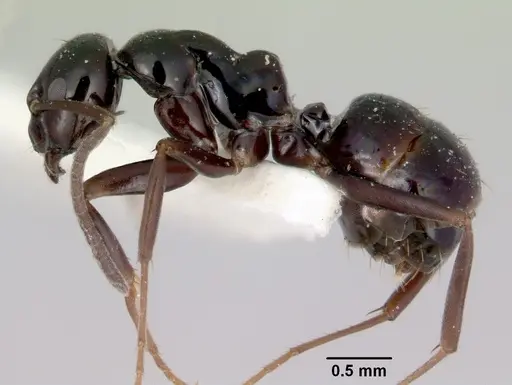
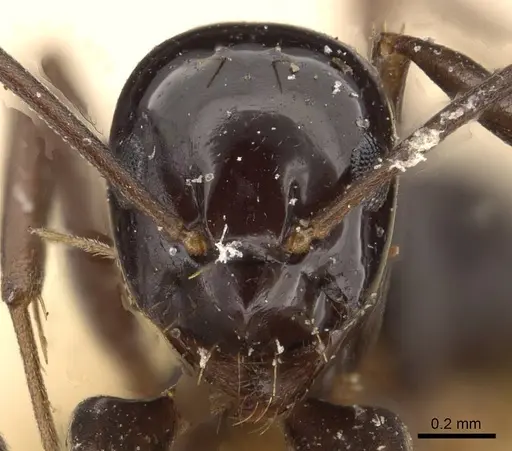
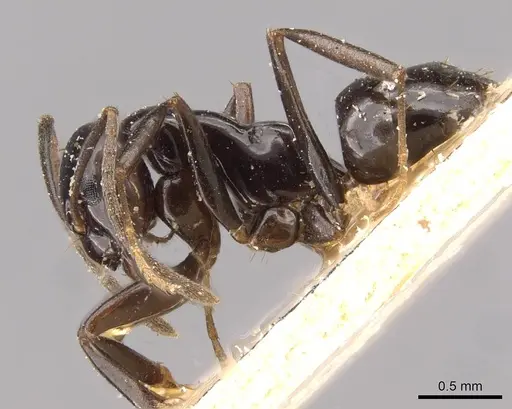
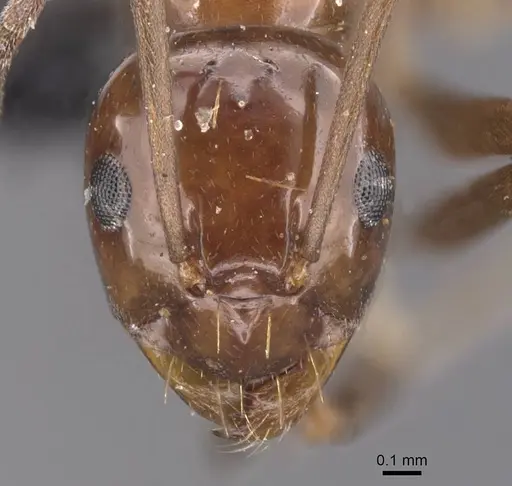
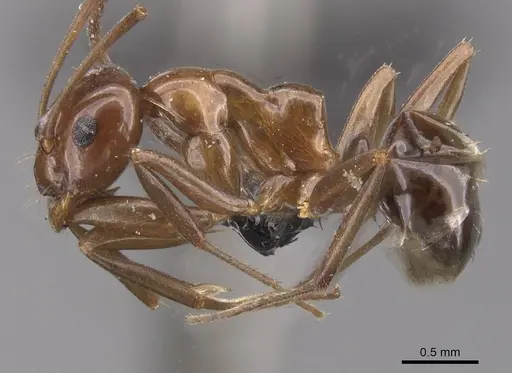
Prolasius nitidissimus is an ant native to Australia, found in sclerophyll forest communities in Tasmania . Workers are black . The species was first described as Formica nitidissima by André in 1896,then moved to Melophorus in 1902,and finally to Prolasius in 1935 . Two former species, Prolasius niger and Prolasius depressiceps similis, were later recognized as the same species . Very little is known about its biology or captive care.
Quick Summary
- Difficulty: Unknown (not recommended for beginners due to lack of data)
- Origin & Habitat: Australia, specifically Tasmania and southeastern mainland. Found in sclerophyll forest communities [1].
- Colony Type: Colony structure is unconfirmed, no research on queen number or colony organization.
- Size & Growth:
- Queen: Unknown, no measurements documented
- Worker: Unknown, no measurements documented
- Colony: Unknown, no colony size data available
- Growth: Unknown
- Development: Unknown, no development data available for this species (No direct research on development times. Related Melophorini species typically show moderate growth rates, but this is speculative.)
- Antkeeping:
- Temperature: Inferred from Tasmanian climate: aim for about 18-22°C as a starting point, with a slight gradient if possible. Adjust based on colony activity and observe behavior.
- Humidity: Inferred from Tasmanian climate: Tasmania is relatively moist. Keep the nest substrate moderately damp but not waterlogged. Provide a moisture gradient so ants can self-regulate.
- Diapause: Likely yes, Tasmania experiences distinct winters. Provide a cool period around 10-15°C for 2-3 months during winter, but this is unconfirmed.
- Nesting: Natural nesting habits are unconfirmed. Based on sclerophyll forest habitat, they likely prefer enclosed spaces with access to moisture. Test tubes or Y-tong nests with moderate chambers are good starting points.
- Behavior: Behavior is poorly documented. As Formicinae ants, workers can secrete formic acid as a defense mechanism. Escape risk is unknown, use standard precautions. Activity patterns likely follow seasonal rhythms consistent with their temperate Australian habitat.
- Common Issues: limited species-specific care information makes proper husbandry challenging, winter dormancy requirements are inferred rather than confirmed, no documented feeding preferences or acceptance in captivity, colony founding success rates are unknown, wild-caught colonies may have parasites or diseases not yet characterized
Taxonomy and Identification
Prolasius nitidissimus was originally described by André in 1896 as Prolasius nitidissimus, with the worker caste described at that time. The species was later transferred to Melophorus by Forel in 1902,and finally placed in Prolasius by Wheeler in 1935 [3]. Two former species, Prolasius nitidissimus (described by Clark in 1934) and Prolasius nitidissimus (described by McAreavey in 1947), were recognized as junior synonyms of P. nitidissimus by Taylor in 1992 [3]. Workers are uniformly black in color [2].
Distribution and Habitat
Prolasius nitidissimus is found throughout southeastern Australia, with confirmed records from Tasmania including at Old Chum Dam in north-eastern Tasmania where it was recorded at multiple study sites [1]. The species inhabits sclerophyll forest communities, which are characterized by dry, hard-leaved shrubs and trees typical of Australian temperate environments. This forest type experiences seasonal variation in temperature and moisture. The specific microhabitat preferences within these forests (ground nesting, arboreal, under stones, in rotting wood) remain undocumented.
Nest Preferences
Natural nesting behavior is not directly documented in scientific literature. Based on the sclerophyll forest habitat and the general habits of related Formicinae ants in Australia, these ants likely nest in soil or decaying wood in shaded forest locations. For captive care, start with standard setups like test tubes for founding colonies or Y-tong nests with appropriately sized chambers. Since specific chamber size preferences are unknown, use moderate-sized chambers that allow the colony to expand. Ensure the nest setup provides some darkness and privacy, as this species is not well-studied and may be sensitive to disturbance.
Feeding and Diet
Dietary preferences have not been documented for this species. As members of the Formicinae subfamily, they likely have typical ant diets including nectar, honeydew, and small insects. The Melophorini tribe includes some species known for sugar-feeding behaviors, but specific acceptance by P. nitidissimus is unknown. For keepers, a conservative approach would be to offer sugar water or honey as a constant energy source, along with small protein sources like fruit flies or small mealworms. Observe acceptance carefully and adjust offerings based on colony response. Do not rely heavily on any single food source until acceptance is confirmed through observation.
Temperature and Seasonal Care
Temperature requirements are not directly studied. Tasmania experiences temperate conditions with summer highs around 20-25°C and winter lows that can drop significantly. For captive colonies, aim for roughly 18-22°C as a baseline, with a heating gradient allowing the colony to self-regulate. A small section heated to around 24°C with cooler areas available is a reasonable starting setup. Winter dormancy appears likely given the species' Tasmanian distribution, provide a cool period at roughly 10-15°C for several months during the colder season. This simulated winter rest may be important for colony health and reproductive cycles, though specific requirements are unconfirmed.
Behavior and Temperament
Specific behavioral observations are not documented in available scientific literature. As Formicinae ants, they possess the ability to secrete formic acid from their acidopore for defense, though the potency and likelihood of use against keepers is unknown. Workers' exact size is unknown, so escape risk is hard to assess. For handling, use standard precautions, these are not aggressive toward humans but may bite or spray formic acid if threatened. Escape prevention should follow standard practices until the species' specific abilities are better characterized.
Frequently Asked Questions
How do I care for Prolasius nitidissimus ants?
Care information is extremely limited as this species has not been well-studied in captivity. Start with standard antkeeping practices: test tube setups for founding colonies, moderate temperature around 18-22°C, and keep the nest substrate slightly damp. Offer sugar water and small protein sources and observe what the colony accepts. Be prepared to adjust based on observed behavior.
What do Prolasius nitidissimus ants eat?
Diet is unconfirmed for this species. Based on related Formicinae ants, they likely accept sugar sources (honey, sugar water) and small insects. Start by offering both and observe acceptance. Do not rely heavily on any single food source until you confirm what the colony actually consumes.
Do Prolasius nitidissimus ants need hibernation?
Hibernation requirements are inferred rather than confirmed. Given their Tasmanian distribution, a winter rest period is highly likely. Provide 2-3 months at cool temperatures around 10-15°C during winter months. Monitor colony activity, if they become sluggish, the cool period is likely beneficial.
How big do Prolasius nitidissimus colonies get?
Maximum colony size is unknown. No scientific papers document colony sizes for this species. Expect moderate-sized colonies based on typical Melophorini patterns, but this is speculative.
What temperature should I keep Prolasius nitidissimus at?
Specific temperature requirements are not documented. Based on their Tasmanian habitat, aim for roughly 18-22°C as a baseline. A gentle gradient with one area slightly warmer (around 24°C) allows the colony to self-regulate. Adjust based on observed colony activity.
How long does it take for Prolasius nitidissimus to develop from egg to worker?
Development time is completely undocumented for this species. No research has measured egg-to-worker development. Related Melophorini species may provide rough estimates, but specific timelines for P. nitidissimus are unknown.
Is Prolasius nitidissimus a good species for beginners?
This species is not recommended for beginners due to the complete lack of documented captive care information. Species with established care sheets and known requirements are better choices for those new to antkeeping. The limited data makes proper husbandry challenging.
Can I keep multiple Prolasius nitidissimus queens together?
Colony structure (monogyne vs polygyne) is not documented for this species. No research addresses whether multiple queens can be housed together successfully. Without this information, combining unrelated queens is not recommended.
Where is Prolasius nitidissimus found?
This species is native to southeastern Australia, with confirmed records from Tasmania. They inhabit sclerophyll forest communities, which are dry, hard-leaved forest types typical of temperate Australia.
Report an Issue
The current care sheet is based fully on literature. See inconsistencies, or something that's incorrect? Please , it will be resolved after review from an admin. Contributing to the blogs tab also helps providing information, to make us be able to further improve the caresheets. Thank you for your support!
References

This caresheet is licensed under CC BY-SA 4.0 .
Community Blogs
CASENT0172168
View on AntWeb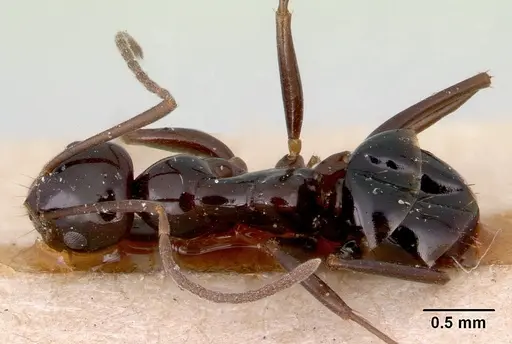
CASENT0172169
View on AntWeb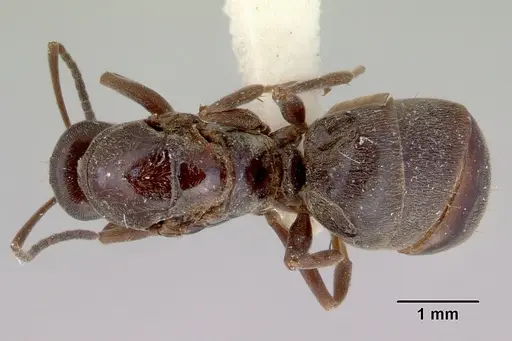
CASENT0172170
View on AntWeb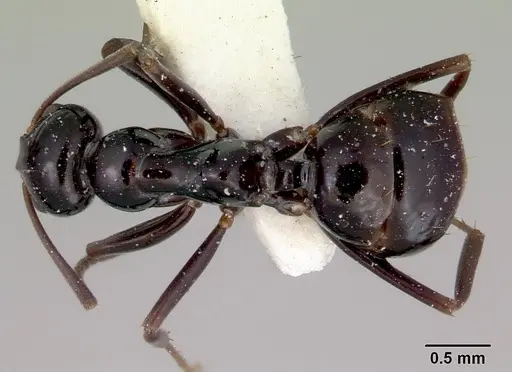
CASENT0909821
View on AntWeb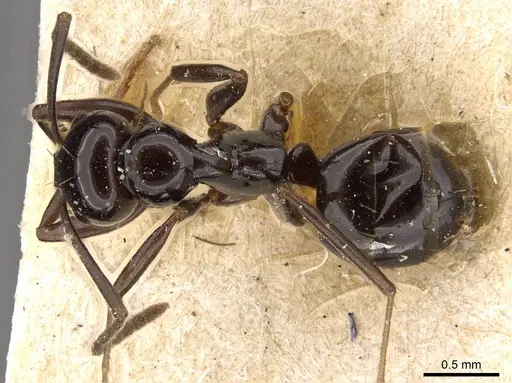
CASENT0913755
View on AntWeb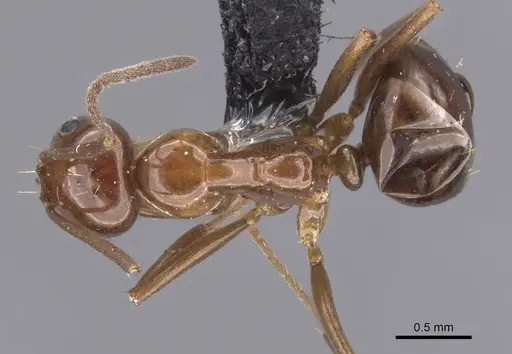
Literature
Loading distribution map...Loading products...