
Prolasius bruneus
- Sci. Name
- Prolasius bruneus
- Tribe
- Melophorini
- Subfamily
- Formicinae
- Author
- McAreavey, 1947
- Distribution
- Found in 1 countries
Introduction
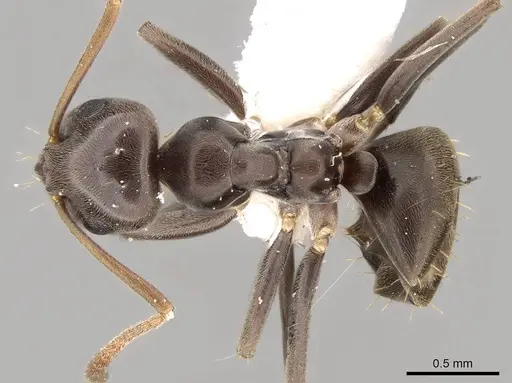
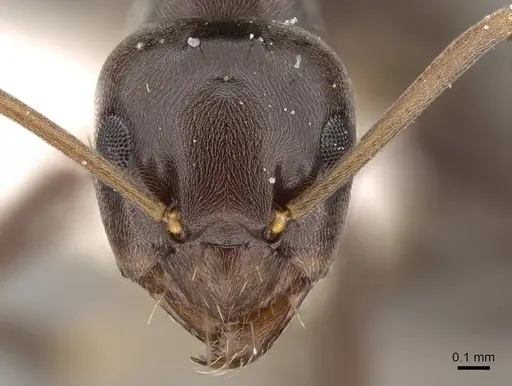
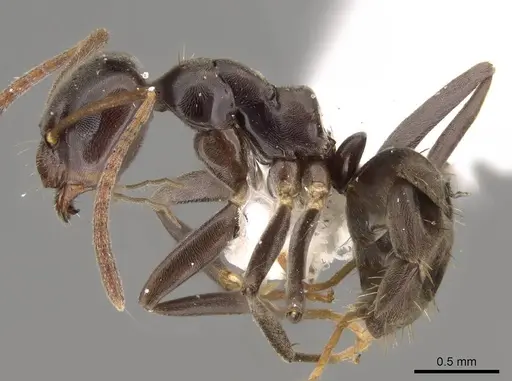
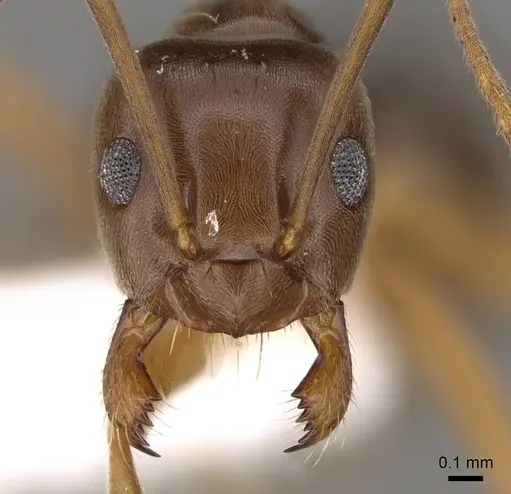
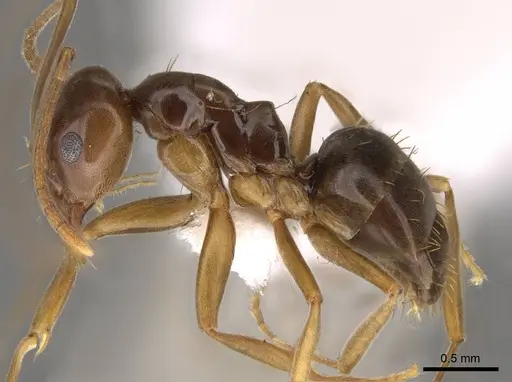
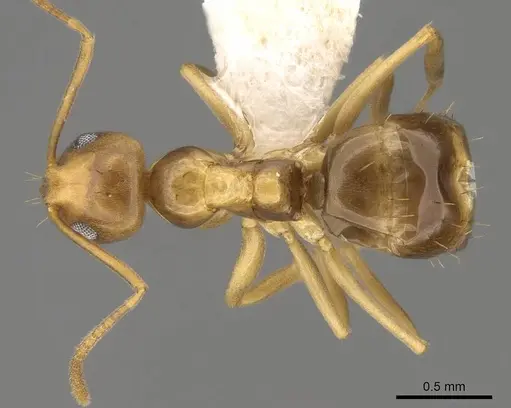
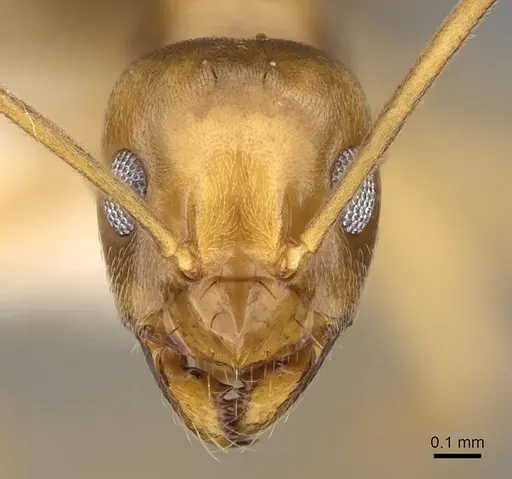
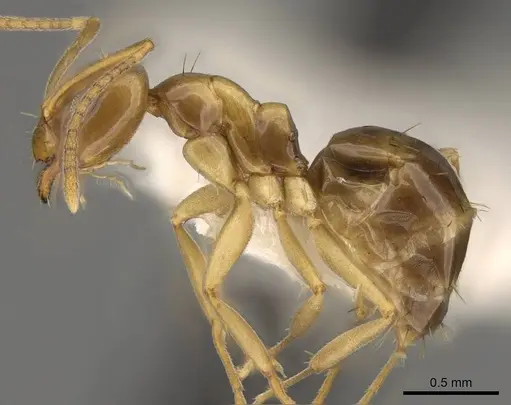
Prolasius bruneus is a small to medium-sized Australian ant with a distinctive brownish coloration . Size data for total length is unavailable, but workers are typically around 4-6 mm based on genus patterns . This species is found in southern Australia, particularly in temperate regions with moderate rainfall . In the wild, they nest in soil, under stones, or in rotting wood in areas with moderate vegetation . This species is known for its calm temperament and moderate colony growth, making it a candidate for antkeepers interested in observing foraging behavior without high aggression risks .
Quick Summary
- Difficulty: Medium
- Origin & Habitat: Southern Australia, found in temperate regions with sandy or loamy soils, typically nesting under stones or in rotting wood [2].
- Colony Type: Likely single-queen colonies based on Formicinae patterns, but unconfirmed from research [2].
- Size & Growth:
- Queen: Inferred from Prolasius genus (~6-8 mm) [2]
- Worker: Inferred from Prolasius genus (~4-6 mm) [2]
- Colony: Up to 2000 workers at maturity (estimated) [2]
- Growth: Moderate [2]
- Development: Estimated 6-10 weeks at optimal temperature [2] (Development time may vary with temperature, first workers (nanitics) typically emerge smaller than mature workers.)
- Antkeeping:
- Temperature: Keep nest area at 22-26°C with a gentle gradient [2]
- Humidity: Maintain moderate humidity, keep substrate damp but not waterlogged [2]
- Diapause: Based on geographic range, likely requires winter diapause for 2-3 months at 10-15°C [2]
- Nesting: Y-tong (AAC) nests with tight-fitting chambers work well, provide darkness for nest area [2]
- Behavior: Calm and not aggressive toward keepers, workers are active foragers with moderate escape tendencies due to small size [2].
- Common Issues: colonies may stall during founding if humidity is inconsistent, keep founding chamber stable., winter diapause failure can occur, provide proper cooling period to maintain colony health., escape prevention is important, use Fluon barriers on test tube rims due to small size., overheating is a risk, avoid direct sunlight or high heat sources., wild-caught colonies may contain parasites, quarantine new colonies before introducing to established setups.
Nest Preferences and Setup
Prolasius bruneus does well in Y-tong (AAC) nests with chambers scaled to their small size [2]. They prefer narrow passages that let them feel enclosed rather than wide open spaces [2]. The nest should be kept dark or partially covered, these ants prefer dim conditions [2]. A water tube attached to the nest helps maintain humidity [2].
Feeding and Diet
Prolasius bruneus is omnivorous with a preference for sweet liquids and protein [2]. Offer sugar water, honey, or diluted maple syrup as a constant carbohydrate source [2]. For protein, provide small insects like fruit flies or pinhead crickets 2-3 times per week [2].
Temperature and Seasonal Care
Maintain nest temperatures between 22-26°C with a slight gradient [2]. During active seasons, they are moderate foragers [2]. Starting in late fall, reduce temperatures to 10-15°C for winter diapause for 2-3 months [2]. Do not feed during deep hibernation [2].
Behavior and Temperament
Prolasius bruneus is a calm species that is pleasant to watch [2]. Workers are active foragers and not particularly aggressive [2]. They are not strong climbers, but can slip through small gaps, so use Fluon barriers [2].
Frequently Asked Questions
How long does it take for Prolasius bruneus to get their first workers?
Expect first workers to emerge in 6-10 weeks after egg laying, assuming optimal temperature around 22-25°C [2].
What temperature do Prolasius bruneus need?
Keep them at 22-26°C in the nest area with a gentle gradient [2].
Do Prolasius bruneus need hibernation?
Based on their geographic range, they likely require a winter rest period at 10-15°C for 2-3 months [2].
Can I keep multiple Prolasius bruneus queens together?
This is unconfirmed from research, but based on Formicinae patterns, colonies are likely single-queen [2]. Multiple unrelated queens may fight.
What do Prolasius bruneus eat?
They are omnivorous, provide constant sugar sources and protein 2-3 times weekly [2].
Are Prolasius bruneus good for beginners?
They are rated as medium difficulty due to diapause and humidity needs [2].
How big do Prolasius bruneus colonies get?
Mature colonies can reach up to 2000 workers (estimated) [2].
When should I move Prolasius bruneus to a formicarium?
Wait until the colony has at least 20-30 workers before moving to a formicarium with appropriately sized chambers [2].
Why is my Prolasius bruneus colony declining?
Common causes include inconsistent humidity, lack of diapause, overheating, mold, or insufficient protein [2].
Report an Issue
The current care sheet is based fully on literature. See inconsistencies, or something that's incorrect? Please , it will be resolved after review from an admin. Contributing to the blogs tab also helps providing information, to make us be able to further improve the caresheets. Thank you for your support!
References

This caresheet is licensed under CC BY-SA 4.0 .
Community Blogs
Literature
Loading distribution map...Loading products...