
Prolasius antennatus
- Sci. Name
- Prolasius antennatus
- Tribe
- Melophorini
- Subfamily
- Formicinae
- Author
- McAreavey, 1947
- Distribution
- Found in 1 countries
Introduction
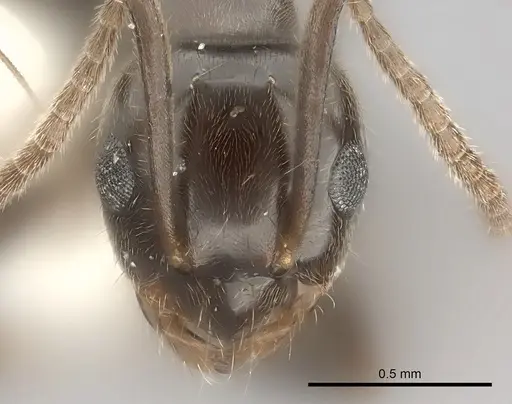
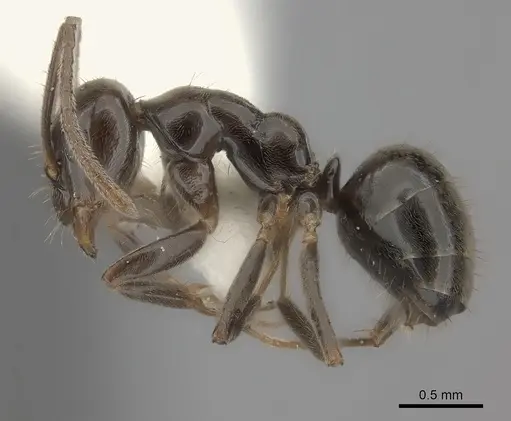
Prolasius antennatus is a brown ant native to Western Australia, specifically the Perth metropolitan area and the Darling Range region . It has relatively long, downy pubescence and 15 or more erect setae on the mesosoma . This species is part of the Melophorini tribe and is commonly found in wooded parkland habitats .
Quick Summary
- Difficulty: Hard
- Origin & Habitat: Western Australia, Perth metropolitan area and central Darling Range, in wooded parkland [1][2]
- Colony Type: Colony structure is unconfirmed. No specific data on queen number or social structure.
- Size & Growth:
- Queen: Size data unavailable, no total length measurements in literature.
- Worker: Size data unavailable, no total length measurements in literature.
- Colony: Unknown, no colony size data available.
- Growth: Unknown, no development data available.
- Development: Estimated 6-10 weeks based on typical Formicinae patterns, but no species-specific data. (No direct species-specific data available. Estimate based on related Formicinae patterns.)
- Antkeeping:
- Temperature: Keep warm, roughly low-to-mid 20s°C, based on Mediterranean climate inference. No specific data available.
- Humidity: Keep nest substrate consistently moist but not waterlogged, based on habitat inference.
- Diapause: Likely required based on genus patterns, but no specific data. Provide a winter rest period if temperatures drop.
- Nesting: Based on natural habitat, likely nest in soil or under stones. Use Y-tong or plaster nests with moderate humidity.
- Behavior: Behavior is unconfirmed. Based on Formicinae patterns, likely moderate foragers. Escape prevention is important due to small size.
- Common Issues: limited species-specific data makes care recommendations uncertain., small size increases risk of escapes through small gaps., no documented founding behavior or colony growth data.
Natural History and Distribution
Prolasius antennatus is endemic to Western Australia, where it is most frequently encountered in the Perth metropolitan area and the central parts of the Darling Range [1]. This species prefers wooded parkland habitats, which suggests they thrive in areas with some tree cover and ground vegetation [1].
Appearance and Identification
Prolasius antennatus is described as a brown ant with relatively long, downy pubescence and 15 or more erect setae on the mesosoma [1]. This combination helps distinguish them from other small brown ants in the region.
Housing and Nesting
Based on their natural habitat in wooded parkland, they likely nest in soil or under stones in captivity. Use Y-tong or plaster nests with moderate humidity. For founding colonies, a standard test tube setup works well.
Feeding and Diet
Based on typical Formicinae patterns, they likely have an omnivorous diet. Offer sugar water or honey as a constant energy source, and protein foods such as small insects.
Temperature and Seasonal Care
Maintain warm conditions, roughly low-to-mid 20s°C, based on climate inference. During winter, reduce temperatures for a diapause period if possible.
Frequently Asked Questions
How long does it take for Prolasius antennatus to produce first workers?
The egg-to-worker timeline is not directly documented. Based on typical Formicinae development, estimate 6-10 weeks at warm temperatures, but this is an inference.
What do Prolasius antennatus ants eat?
They likely have an omnivorous diet similar to other Formicinae ants. Offer sugar water and protein sources like small insects.
What temperature should I keep Prolasius antennatus at?
Keep warm, roughly low-to-mid 20s°C, based on climate inference. No specific data available.
Do Prolasius antennatus need hibernation?
Likely yes based on genus patterns, but no specific data. Provide a winter rest period if temperatures drop.
How big do Prolasius antennatus colonies get?
Colony size is not documented. No data available on maximum size.
Can I keep multiple Prolasius antennatus queens together?
Colony structure is unconfirmed. It is not recommended to keep multiple unrelated queens together until more information is available.
Is Prolasius antennatus a good species for beginners?
This species is not recommended for beginners due to very limited documentation and care information.
What type of nest is best for Prolasius antennatus?
A Y-tong or plaster nest works well for established colonies. For founding, use a test tube setup.
Where is Prolasius antennatus found in the wild?
This species is native to Western Australia, specifically the Perth metropolitan area and the central Darling Range, in wooded parkland [1][2]
Report an Issue
The current care sheet is based fully on literature. See inconsistencies, or something that's incorrect? Please , it will be resolved after review from an admin. Contributing to the blogs tab also helps providing information, to make us be able to further improve the caresheets. Thank you for your support!
References

This caresheet is licensed under CC BY-SA 4.0 .
Community Blogs
CASENT0217811
View on AntWeb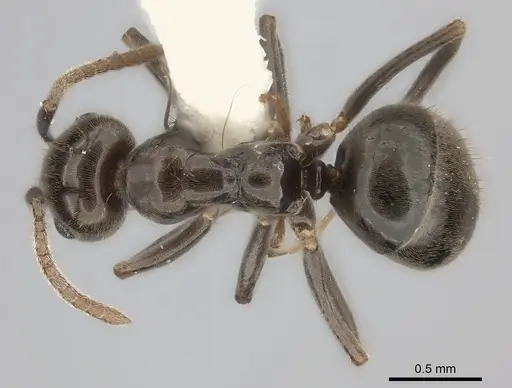
Literature
Loading distribution map...Loading products...