
Proformica pilosiscapa
- Sci. Name
- Proformica pilosiscapa
- Tribe
- Formicini
- Subfamily
- Formicinae
- Author
- Dlussky, 1969
- Distribution
- Found in 1 countries
Introduction
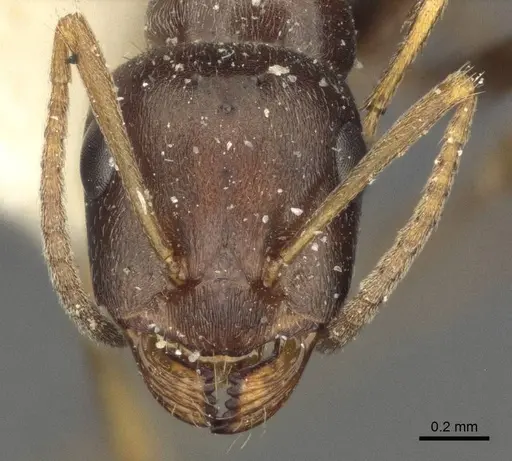
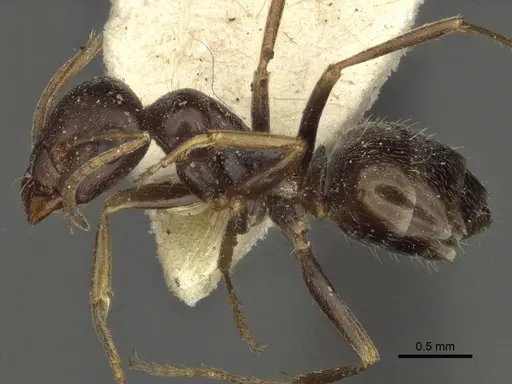
Proformica pilosiscapa is a small ant in the Formicinae subfamily. Workers are dark in color, but exact body size is not documented in available literature . This species is found across the Palaearctic region, including Armenia (type locality), Azerbaijan, Bulgaria, China, Georgia, Iran, and Turkey . It was described by Dlussky in 1969 and was once considered a synonym of Proformica caucasea before being revived as a valid species in 1992 . A key trait is their mutualism with aphids, particularly Brachycaudus amygdalinus, which they tend for honeydew .
Quick Summary
- Difficulty: Medium
- Origin & Habitat: Found in Armenia (type locality), Azerbaijan, Bulgaria, China, Georgia, Iran, and Turkey. In Iran, recorded at elevations around 1100-1300m in pasture and rocky areas [2][1].
- Colony Type: Colony structure is not well documented. Based on typical Proformica genus patterns, likely monogyne (single queen), but this is unconfirmed.
- Size & Growth:
- Queen: Size data unavailable, no total length measurements in literature
- Worker: Size data unavailable, no total length measurements in literature
- Colony: No specific data, estimated based on related species, but unconfirmed
- Growth: Moderate, inferred from related Formicine ants
- Development: Unknown, estimated 6-10 weeks based on related species [5] (Development time is estimated, specific data for this species is not available)
- Antkeeping:
- Temperature: Keep at room temperature, roughly 20-24°C. As a temperate species, provide a slight gradient for workers to choose [5].
- Humidity: Keep nest substrate moderately moist but not waterlogged [5].
- Diapause: Yes, as a temperate species, require winter dormancy at 10-15°C for 2-3 months [5].
- Nesting: In nature, nest under stones or in soil. In captivity, use soil-based nests or plaster nests with moderate humidity [5].
- Behavior: Workers are active foragers that tend aphids for honeydew. They are moderately aggressive when defending colonies. Escape risk is moderate due to size [5].
- Common Issues: incorrect hibernation can weaken or kill colonies over time, low humidity may cause stress or dehydration, insufficient food, especially protein or sugar, can lead to colony decline, disturbance during founding stages may cause queen failure, aphid availability is important, without honeydew sources, offer sugar water or honey as alternatives
Housing and Nest Setup
You can house Proformica pilosiscapa in setups that provide appropriate humidity and shelter. Use a naturalistic setup with soil substrate and flat stones or bark, mimicking their natural nesting under stones. Alternatively, use a Y-tong (AAC) nest or plaster nest with narrow chambers scaled to their size. The nest should have a water reservoir to maintain moderate humidity, these ants prefer damp but not wet conditions. A small outworld for foraging allows workers to search for food. Ensure all connections are secure, as workers can squeeze through small gaps. Test tube setups work for founding colonies, but transfer to a more spacious formicarium as the colony grows beyond 20-30 workers [5].
Feeding and Diet
These ants are opportunistic feeders with a strong preference for honeydew. In captivity, offer sugar water, honey water, or commercial ant nectar as a constant carbohydrate source. For protein, provide small insects such as fruit flies, small crickets, or mealworm pieces. Since they tend aphids in the wild, providing access to a small aphid colony on a suitable plant can enrich their environment and provide natural honeydew [4]. Feed protein 2-3 times per week and keep sugar water available at all times. Remove uneaten prey after 24-48 hours to prevent mold.
Temperature and Seasonal Care
Proformica pilosiscapa is a temperate species requiring distinct seasonal care. Keep the colony at room temperature (20-24°C) during the active season. During winter, provide a diapause period of 2-3 months at 10-15°C. This can be achieved by moving the colony to a cool basement or refrigerator (not freezer). Reduce feeding during diapause to once every 2-3 weeks and keep the substrate slightly moist but not wet. Resume normal care gradually in spring as temperatures rise. Proper hibernation is essential for colony health [5].
Behavior and Colony Dynamics
Workers are active foragers that establish mutualistic relationships with aphids. In captivity, you may observe workers tending any aphids present and collecting honeydew. Colonies are not particularly aggressive but will defend against threats. The colony grows from a founding queen through nanitic workers to full-sized workers over several months. Workers have moderate climbing ability and may escape through small gaps. Use fluon or other barriers on smooth surfaces. Colony growth is moderate, expect 6-12 months to reach 50+ workers under good conditions [5].
Frequently Asked Questions
How long does it take for Proformica pilosiscapa to produce first workers?
Based on related Formicine species, expect 6-10 weeks from egg to first worker at room temperature (20-24°C). The first workers are typically smaller than mature workers. Patience is key during the founding stage, do not disturb the queen unnecessarily [5].
Do Proformica pilosiscapa ants need hibernation?
Yes, as a temperate species they require a winter dormancy period. Reduce temperature to 10-15°C for 2-3 months during winter. This mimics their natural seasonal cycle and is essential for colony health [5].
What do Proformica pilosiscapa eat?
They are omnivorous with a preference for honeydew. Offer sugar water, honey water, or commercial ant nectar as a constant carbohydrate source. For protein, provide small insects like fruit flies or mealworm pieces. They may also tend aphids if given access to plants [4].
Are Proformica pilosiscapa good for beginners?
This species is rated as medium difficulty. While not the most challenging, limited documented care information means you should have some basic antkeeping experience. They require proper hibernation and specific dietary needs [5].
How big do Proformica pilosiscapa colonies get?
No specific data on colony size is available. Based on related Proformica species, colonies may reach several hundred workers, but this is unconfirmed [5].
Can I keep multiple Proformica pilosiscapa queens together?
Colony structure is not well documented. Based on typical Proformica patterns, they are likely monogyne (single queen). Combining unrelated queens is not recommended as they may fight. If you capture a queen, house her alone until she establishes a colony [5].
When should I move my colony to a formicarium?
Start with a test tube setup for the founding stage. Once the colony reaches 20-30 workers and you see active foraging, transfer to a formicarium with suitable nest chamber size. Ensure the new setup has appropriate humidity and a small outworld for foraging [5].
Why is my Proformica pilosiscapa colony declining?
Common causes include improper hibernation, low humidity, insufficient food, or stress from disturbance. Check temperatures, substrate moisture, and ensure constant access to sugar and regular protein [5].
Where is Proformica pilosiscapa found in the wild?
This species is found across the Palaearctic region including Armenia, Azerbaijan, Bulgaria, Georgia, Iran, and Turkey. They inhabit temperate areas with moderate elevation, typically in pasture and rocky areas [1][2].
Report an Issue
The current care sheet is based fully on literature. See inconsistencies, or something that's incorrect? Please , it will be resolved after review from an admin. Contributing to the blogs tab also helps providing information, to make us be able to further improve the caresheets. Thank you for your support!
References

This caresheet is licensed under CC BY-SA 4.0 .
Community Blogs
CASENT0916586
View on AntWeb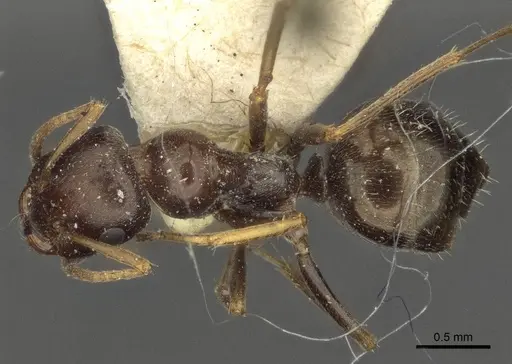
Literature
Loading distribution map...Loading products...