
Proformica kaszabi
- Sci. Name
- Proformica kaszabi
- Tribe
- Formicini
- Subfamily
- Formicinae
- Author
- Dlussky, 1969
- Distribution
- Found in 1 countries
Introduction
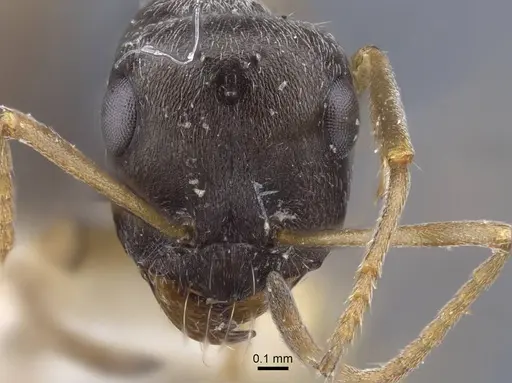
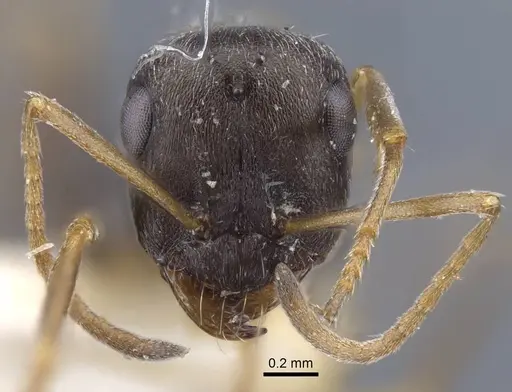
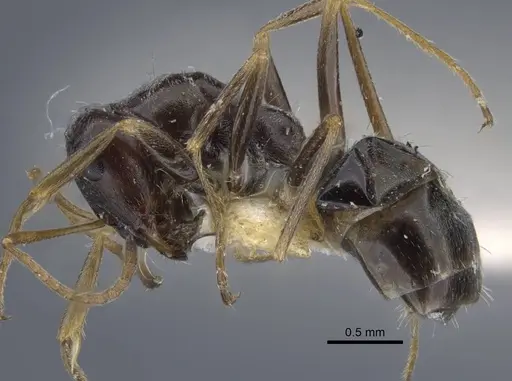
Proformica kaszabi is an ant species belonging to the Formicinae subfamily. Workers are dark brown to black in coloration. Size data is unavailable in current literature. This species was first described from Kyrgyzstan and has been recorded in Kyrgyzstan , Mongolia , and Xinjiang, China. It inhabits semi-desert and steppe environments at elevations between 600-1600 meters . As an opportunist species, Proformica kaszabi is flexible in foraging and can exploit various food resources in dry, open habitats .
Quick Summary
- Difficulty: Medium
- Origin & Habitat: Native to Mongolia, Kyrgyzstan, and Xinjiang, China. Found in semi-desert and steppe habitats at elevations of 600-1600 meters [4][5]. They thrive in open, dry areas and are classified as opportunist foragers [6].
- Colony Type: Colony structure is unconfirmed. No research documents queen number or social structure.
- Size & Growth:
- Queen: Size data unavailable
- Worker: Size data unavailable
- Colony: Unknown, no colony size data available
- Growth: Unknown
- Development: Unknown, no direct development data available. Based on related Formica species, expect 6-10 weeks at optimal temperature. (Development timeline is estimated based on typical Formicinae patterns. Specific data for this species is not available.)
- Antkeeping:
- Temperature: Keep at room temperature, roughly 20-24°C. Based on their semi-desert origin, they prefer warmer conditions but can tolerate typical indoor temperatures.
- Humidity: Keep substrate moderately dry with occasional damp areas. Avoid overly humid conditions [4].
- Diapause: Yes, given their Mongolia distribution, they require a winter hibernation period. Keep at 5-10°C for 3-4 months during winter [4].
- Nesting: Natural nesting occurs in soil under stones. In captivity, use Y-tong (AAC) or plaster nests with dry substrate. Provide a humidity gradient with one small moist area.
- Behavior: This is an opportunist species, meaning they are flexible foragers. They are not particularly aggressive but will defend their nest. Escape risk is moderate due to their size [5][6].
- Common Issues: lack of specific care data makes husbandry challenging, much is inferred from related species, hibernation requirements are critical for this species given its northern distribution, improper diapause may cause colony failure, humidity tolerance is narrow, too damp conditions can be harmful, wild-caught colonies may have parasites or diseases not yet documented, growth rate is unknown so patience is required during founding phase
Natural History and Distribution
Proformica kaszabi is found across a wide geographic range spanning Central Asia. The species has been recorded in Kyrgyzstan [2], Mongolia [3], and Xinjiang, China. In Mongolia specifically, they are found in multiple regions including the Depression of Great Lakes, Valley of Lakes, Eastern Gobi, and Gobi Altai at elevations between 600-1600 meters above sea level [4]. They are classified as opportunist species, meaning they can exploit a variety of food resources and are flexible in their foraging behavior [5][6]. Their biogeographic category is Central Asian and Iran-Turanian, reflecting their adaptation to the dry, open landscapes of these regions.
Habitat and Environmental Preferences
In the wild, Proformica kaszabi inhabits semi-desert and steppe environments. Research in Mongolia found them in multiple semi-desert sites including Saynshand, Bayan-Zag, Hongoryn Els, and Nemegt, all locations with low precipitation and high temperature variability [5]. Their distribution is significantly correlated with environmental parameters, particularly aridity and temperature [6]. They are restricted to elevations between 600-1600 meters, which in Mongolia represents transitional zones between steppe and desert. This suggests they prefer warm but not extreme temperatures, with lower humidity than tropical species. The ants nest in soil, typically under stones which provide protection from temperature extremes and predators.
Housing and Nest Setup
For captive care, replicate their natural dry habitat conditions. A Y-tong (AAC) nest or plaster nest works well, both allow you to control humidity precisely. Keep one section of the nest moderately damp while allowing other areas to remain dry. The outworld should be kept at typical room temperature (20-24°C), with a small heat gradient if your colony shows interest in warmer areas. Because they come from dry environments, excellent ventilation is important to prevent mold. Use a standard test tube setup for founding colonies, transitioning to a formicarium once the colony reaches a reasonable size. Escape prevention is straightforward, they are not particularly small or agile escape artists.
Feeding and Diet
As an opportunist species, Proformica kaszabi likely accepts a varied diet. They probably consume honeydew from aphids, small insects, and may attend aphids for sugar. In captivity, offer sugar water or honey as a constant energy source. For protein, provide small insects such as fruit flies or mealworms. Feed protein 2-3 times per week, removing uneaten prey within 24 hours [5][6].
Seasonal Care and Hibernation
Given their distribution in Mongolia and Kyrgyzstan, Proformica kaszabi requires a winter hibernation period. In captivity, simulate winter by reducing temperatures to 5-10°C for 3-4 months, typically from late autumn through winter [4]. During hibernation, reduce food offerings significantly or stop feeding entirely. Do not feed during the hibernation period. Ensure the colony has access to some moisture during this time, a damp cotton ball in the test tube or nest is sufficient. Improper hibernation is likely fatal for this species, so temperature control during the winter months is critical. In summer, typical room temperatures are appropriate, they do not require extreme heat.
Frequently Asked Questions
How long does it take for Proformica kaszabi to produce first workers?
The exact development timeline is unknown for this species. Based on related Formica ants, expect 6-10 weeks from egg to first worker at optimal temperature (around 22-24°C). Patience is essential during the founding phase.
What temperature should I keep Proformica kaszabi at?
Keep them at room temperature, around 20-24°C. They can tolerate typical indoor temperatures. A slight heat gradient in the outworld is beneficial but not required.
Do Proformica kaszabi need hibernation?
Yes. Given their native range in Mongolia and Kyrgyzstan, they require a winter dormancy period. Reduce temperatures to 5-10°C for 3-4 months during winter. This is critical for colony health and reproduction [4].
How big do Proformica kaszabi colonies get?
Colony size is not documented in available research. Based on related species, colonies likely reach several hundred workers over several years.
What humidity level do Proformica kaszabi need?
Low to moderate humidity. These are dry-adapted ants from semi-desert environments. Keep the nest substrate moderately dry with only a small damp area. Avoid humid conditions [4].
Can I keep multiple Proformica kaszabi queens together?
The colony structure is unconfirmed. There is no data on whether they are monogyne (single queen) or polygyne (multiple queens). It is not recommended to combine unrelated foundress queens without documented evidence of pleometrosis in this species.
Is Proformica kaszabi good for beginners?
This species is rated as medium difficulty. While their care requirements are relatively straightforward (dry conditions, hibernation), the lack of specific care data makes them more challenging than well-documented species. They are best suited for keepers who enjoy experimenting and observing their colonies closely.
What do Proformica kaszabi eat?
As opportunist foragers, they likely accept sugar sources (honey, sugar water) and protein (small insects). Offer a varied diet and remove uneaten food promptly [5][6].
When should I move my colony to a formicarium?
Move from test tube to formicarium once the colony reaches a reasonable size, such as 20-30 workers. Ensure the new setup maintains appropriate dry conditions with a small damp area.
Report an Issue
The current care sheet is based fully on literature. See inconsistencies, or something that's incorrect? Please , it will be resolved after review from an admin. Contributing to the blogs tab also helps providing information, to make us be able to further improve the caresheets. Thank you for your support!
References

This caresheet is licensed under CC BY-SA 4.0 .
Community Blogs
CASENT0917231
View on AntWeb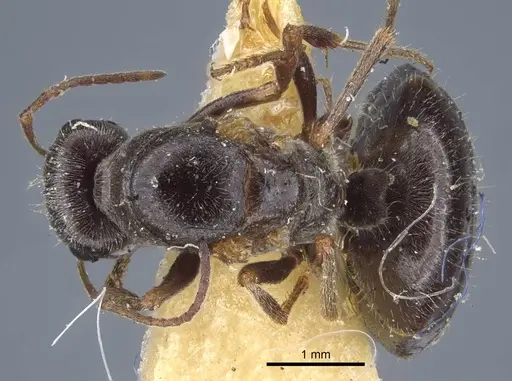
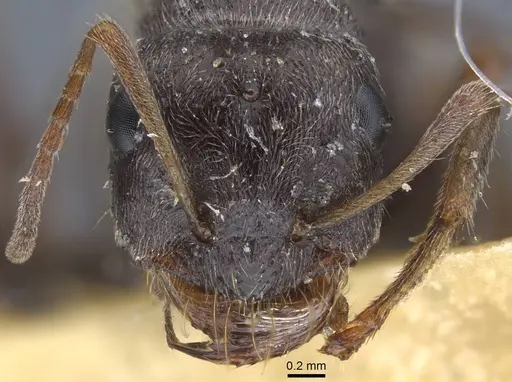
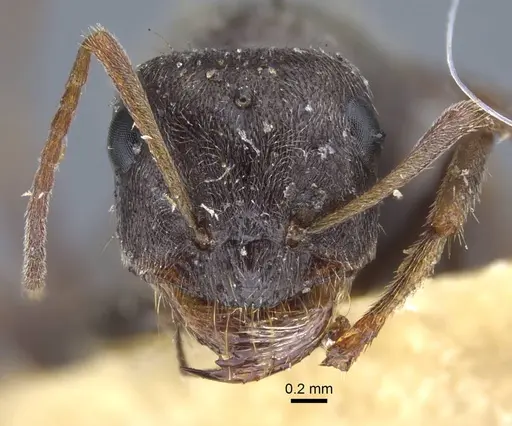
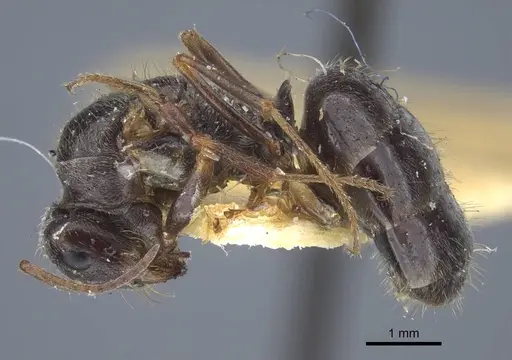
CASENT0917232
View on AntWeb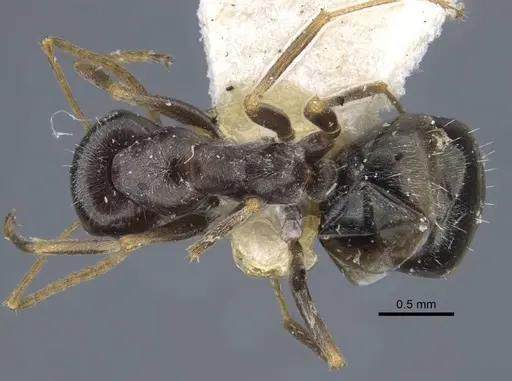
Literature
Loading distribution map...Loading products...